Australia’s built environment is undergoing a period of sustained transformation. Population growth, infrastructure renewal, and housing demand are reshaping both major cities and regional centres, placing unprecedented pressure on construction capacity. At the centre of this transformation stands a familiar but often overlooked piece of infrastructure: the crane. From high-rise towers in metropolitan cores to transport upgrades in regional corridors, the strategic deployment of lifting equipment has become integral to how Australia builds. The growing reliance on tower crane hire, mobile crane hire, and regionally specific services such as tower crane hire Southern Highlands reflects deeper shifts in project scale, complexity, and regulatory expectations.
The Strategic Role of Cranes in Australian Development
Modern construction is no longer defined solely by materials or design. It is shaped by logistics, sequencing, and the efficient movement of heavy loads within increasingly constrained environments. Cranes enable these processes, allowing builders to work vertically, accelerate schedules, and manage risk.
In Australia, where urban density is increasing and infrastructure spending remains a national priority, cranes serve as both facilitators and indicators of economic activity. Tower crane hire is most closely associated with high-rise residential and commercial development, while mobile crane hire underpins a broad range of infrastructure, industrial, and civil works. Together, these systems form the backbone of contemporary construction, supporting projects that range from inner-city towers to regional transport upgrades.
The Southern Highlands provides a useful example of how crane strategies are evolving beyond capital cities. Once characterised by low-density development, the region now supports a mix of commercial, civic, and infrastructure projects that require specialised lifting solutions. Tower crane hire Southern Highlands illustrates how equipment traditionally associated with metropolitan skylines is increasingly deployed in regional contexts, reflecting changing patterns of growth.
Tower Cranes and Vertical Construction
Tower cranes are synonymous with vertical construction. Their fixed position, height, and lifting capacity make them indispensable for multi-storey developments, particularly in dense urban environments where space is limited and precision is critical.
In Australia’s major cities, tower crane hire supports residential towers, office buildings, hospitals, and mixed-use precincts. These projects demand consistent lifting performance over extended periods, often spanning years. The crane becomes a permanent feature of the site, integrated into construction sequencing from foundation to final fit-out.
Beyond metropolitan centres, tower crane hire is also playing a role in regional developments. In areas such as the Southern Highlands, tower cranes are increasingly used for large-scale civic buildings, educational facilities, and transport-related infrastructure. While the scale may differ from city high-rises, the need for vertical reach, load stability, and predictable performance remains the same.
The use of tower cranes reflects a broader shift toward prefabrication and modular construction. As more building components are manufactured off-site and delivered ready for installation, the crane’s role becomes even more critical. Precision lifting reduces on-site labour requirements and improves overall build quality, aligning with industry efforts to improve productivity.
Mobile Cranes and Construction Flexibility
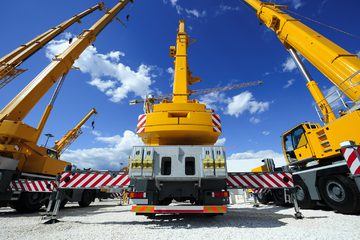
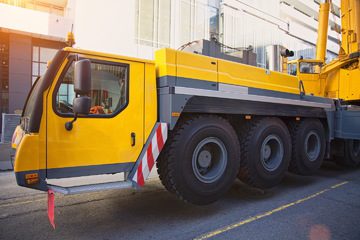
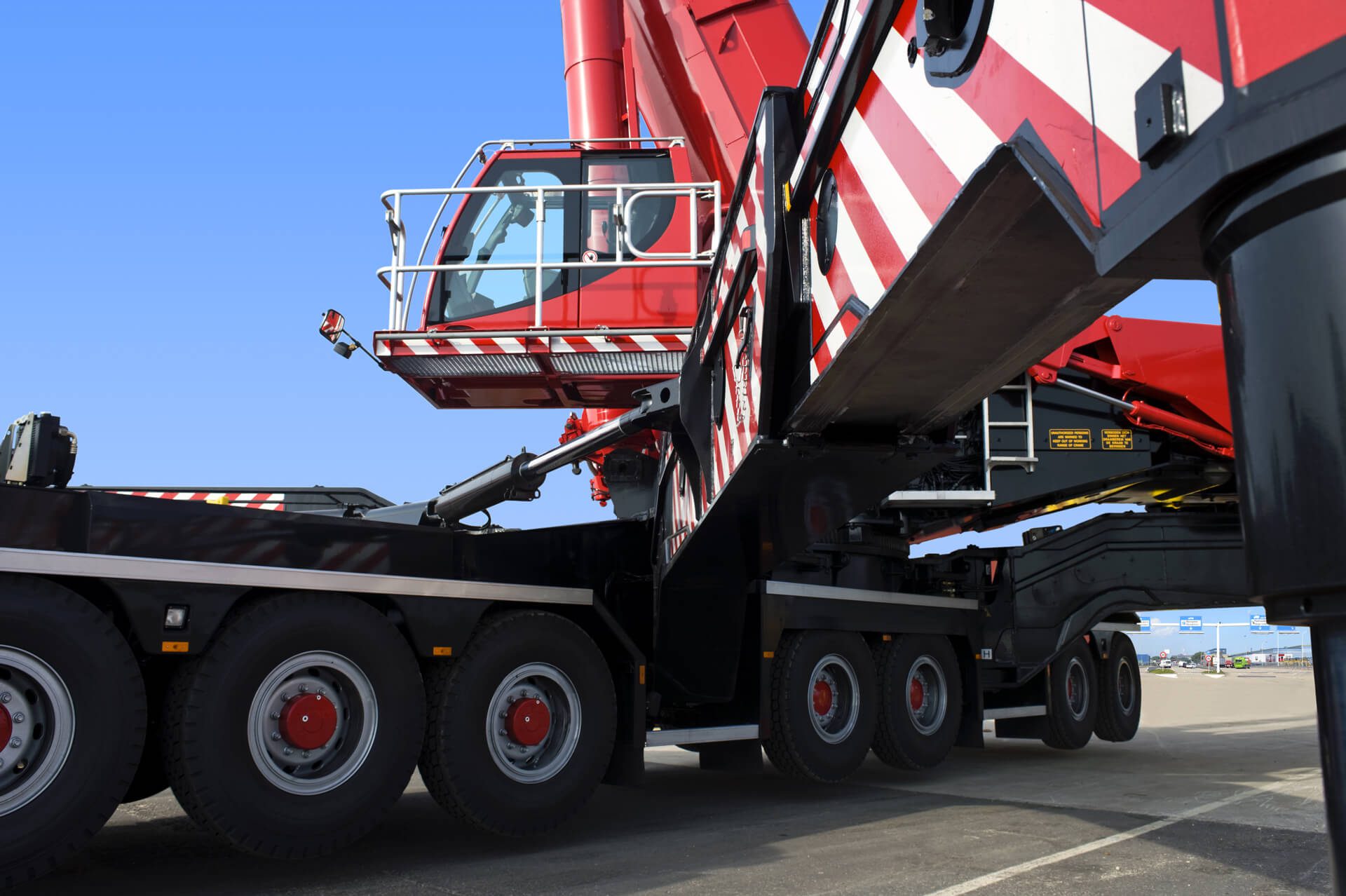
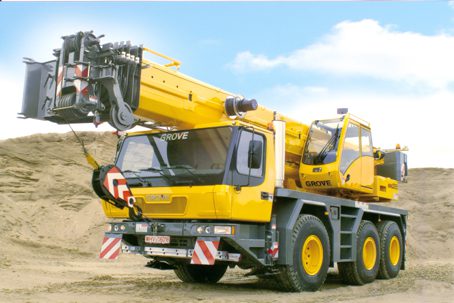
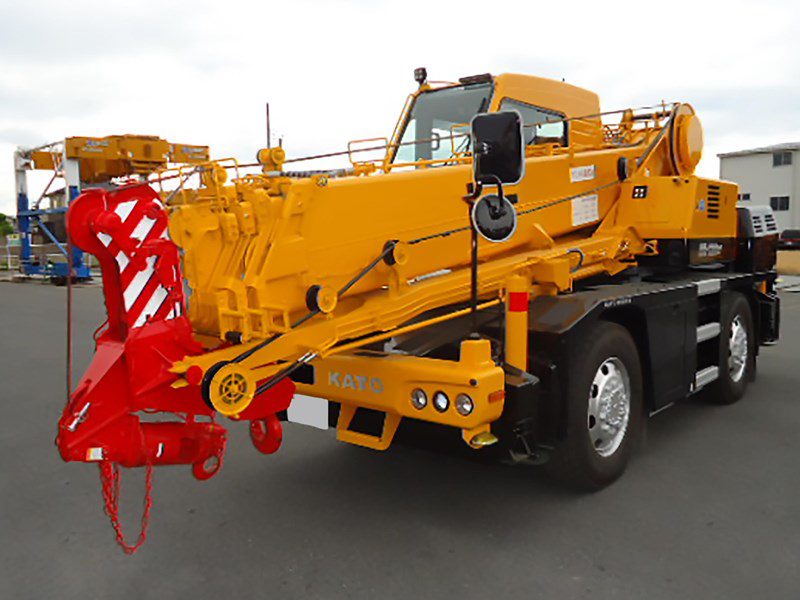
While tower cranes dominate skylines, mobile crane hire provides the flexibility that underpins much of Australia’s construction and infrastructure activity. Mounted on trucks or all-terrain carriers, mobile cranes can be rapidly deployed, repositioned, and removed as project needs evolve.
Mobile cranes are essential to infrastructure projects such as bridge construction, road upgrades, rail works, and utility installations. They are also widely used in industrial facilities, ports, renewable energy projects, and maintenance operations. Unlike tower cranes, which are designed for long-term placement, mobile cranes excel in short-duration lifts and complex, multi-location tasks.
In urban environments, mobile crane hire supports projects that cannot accommodate a fixed crane footprint. Tight sites, heritage areas, and live operational zones often rely on mobile cranes to perform lifts during limited access windows, sometimes overnight or during scheduled shutdowns. This adaptability makes mobile cranes a critical tool in managing disruption and maintaining safety in busy city settings.
Regional projects benefit equally from mobile crane hire. In areas like the Southern Highlands, where construction sites may be dispersed and access conditions vary, mobile cranes provide a practical solution for lifting heavy components without the logistical commitment of tower installation.
Infrastructure, High-Rise, and Urban Density
The choice between tower and mobile cranes is rarely binary. Large infrastructure projects often employ both, using mobile cranes during early works and tower cranes as structures rise. High-rise developments may rely on tower cranes for core construction while using mobile cranes for façade installation or plant placement.
Urban density has intensified this interplay. As cities build upward and inward, construction sites must operate within narrower footprints and stricter environmental constraints. Crane selection becomes a strategic decision, balancing reach, capacity, setup time, and impact on surrounding streets and communities.
In this context, tower crane hire supports the sustained vertical movement of materials, while mobile crane hire provides targeted lifting solutions that complement fixed systems. The effective coordination of these crane types is now a defining feature of successful project delivery.
Safety Standards and Regulatory Oversight
Crane operations in Australia are subject to rigorous safety standards, reflecting the high-risk nature of lifting activities. Workplace health and safety regulations, administered at the state and territory level, impose strict requirements on crane design, operation, maintenance, and operator competency.
Tower cranes, in particular, are subject to detailed engineering approvals, wind loading assessments, and ongoing inspections. Their installation and dismantling require specialised expertise and regulatory oversight, especially in urban areas where public safety is paramount.
Mobile cranes are governed by similarly robust standards, with requirements covering load charts, ground conditions, exclusion zones, and traffic management. Operators must hold appropriate high-risk work licences, and lifting plans are often mandatory for complex or heavy lifts.
Recent regulatory trends emphasise risk management and accountability. Duty holders are expected to demonstrate that crane operations are planned, supervised, and executed in accordance with best practice. This regulatory environment has reinforced the importance of experienced crane selection and integration into overall project planning.
Technological Advancements in Crane Operations
Technology is reshaping how cranes are used and managed across Australia. Modern tower cranes are equipped with advanced monitoring systems that track load weight, wind conditions, and operating parameters in real time. These systems enhance safety by preventing overloads and providing early warnings of adverse conditions.
Mobile cranes have also benefited from technological innovation. Improved boom designs, enhanced mobility systems, and digital load management tools have expanded their operating envelope while reducing setup time. Telematics and remote diagnostics now allow operators and site managers to monitor crane performance and maintenance needs more effectively.
Digital planning tools have further improved crane integration into construction workflows. Building information modelling allows crane positions, lifting paths, and site logistics to be simulated before work begins, reducing uncertainty and improving coordination among trades.
Looking Ahead: Cranes and Australia’s Construction Future
As Australia continues to invest in housing, transport, and social infrastructure, the strategic role of cranes will only grow. Tower crane hire will remain central to vertical urban development, while mobile crane hire will support the flexibility required for infrastructure renewal and regional expansion.
The increasing use of tower crane hire Southern Highlands highlights how construction practices once confined to major cities are now influencing regional development. This shift underscores a broader trend toward more sophisticated, technology-driven construction across the country.
Ultimately, cranes are more than machines. They are instruments of planning, safety, and productivity, reflecting how Australia builds today and how it will build tomorrow. In an industry facing rising costs, regulatory complexity, and evolving community expectations, the effective use of crane technology will remain a defining factor in shaping the nation’s built environment.