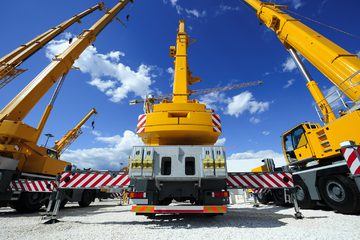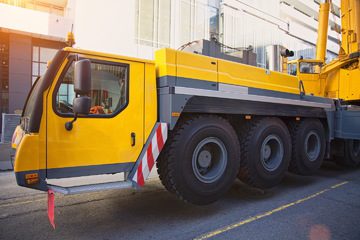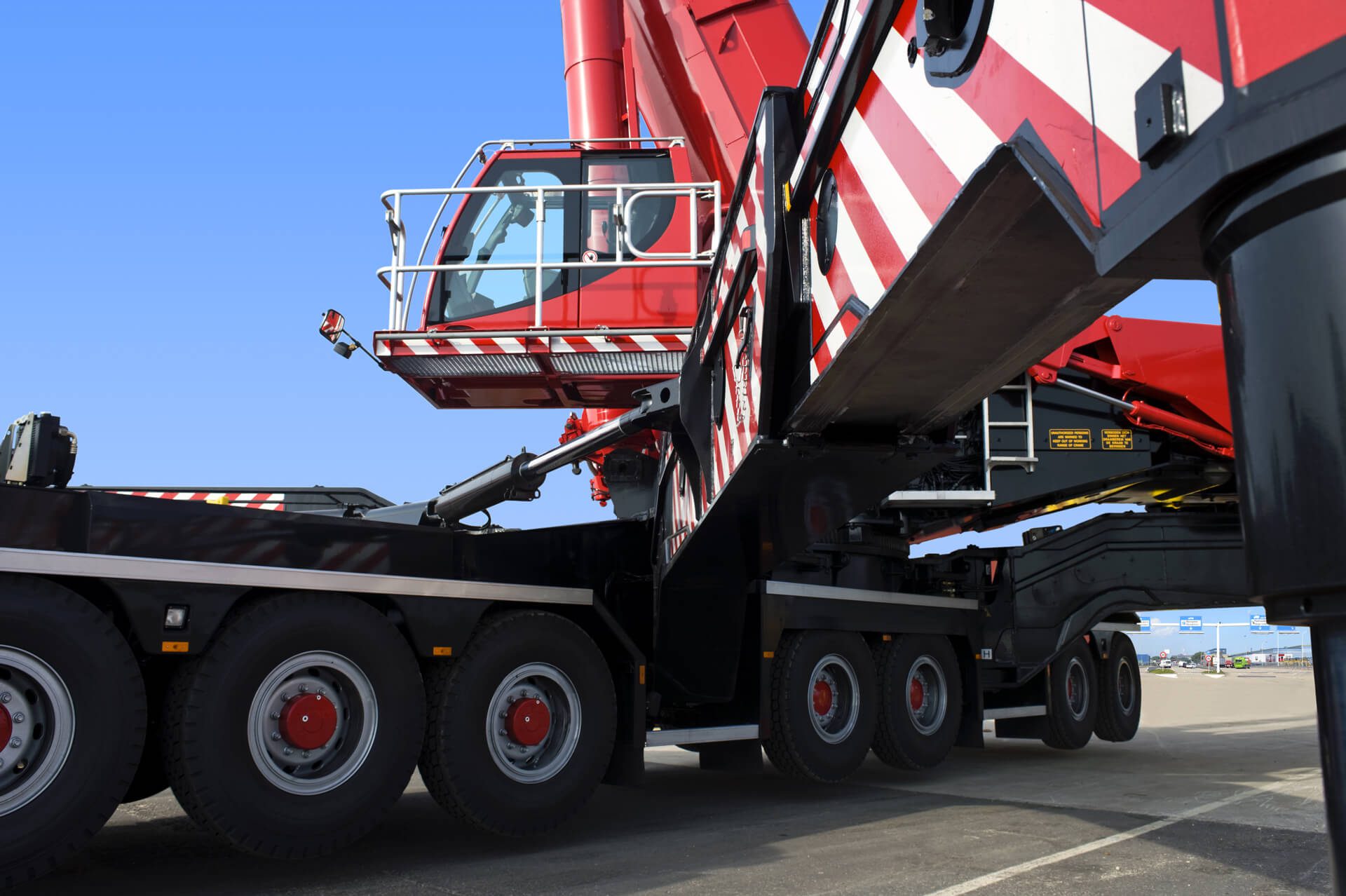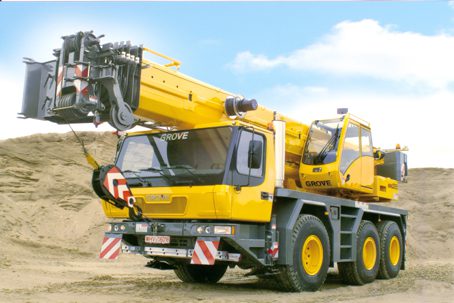
Australia’s built environment is undergoing a period of sustained transformation. Population growth, infrastructure investment, and the pressures of urban densification are reshaping not only major metropolitan skylines but also regional centres and peri-urban areas. At the centre of this evolution sits an often-overlooked enabler: crane capability. From mobile crane hire supporting short-duration lifts to tower crane hire underpinning high-rise development, cranes play a strategic role in how Australian cities and regions are planned, built, and renewed. In areas such as the Southern Highlands, where development must balance growth with environmental and community considerations, crane deployment reflects broader shifts in construction strategy.
The Strategic Importance of Crane Capability in Australian Construction
Modern construction is defined by scale, complexity, and time sensitivity. Large infrastructure projects, mixed-use developments, and transport upgrades demand precision lifting solutions that can adapt to constrained sites and strict timelines. Mobile crane hire and tower crane hire have emerged as complementary tools, each fulfilling distinct roles within Australia’s construction ecosystem.
Cranes are no longer simply machines that lift heavy materials. They are integral to project sequencing, site logistics, and risk management. Decisions around crane selection influence construction methodology, labour efficiency, and safety outcomes. In regional markets such as crane hire Southern Highlands, these decisions also intersect with local planning controls, environmental sensitivities, and access limitations that differ markedly from those in central business districts.
Mobile Crane Hire and Flexibility on Dynamic Sites
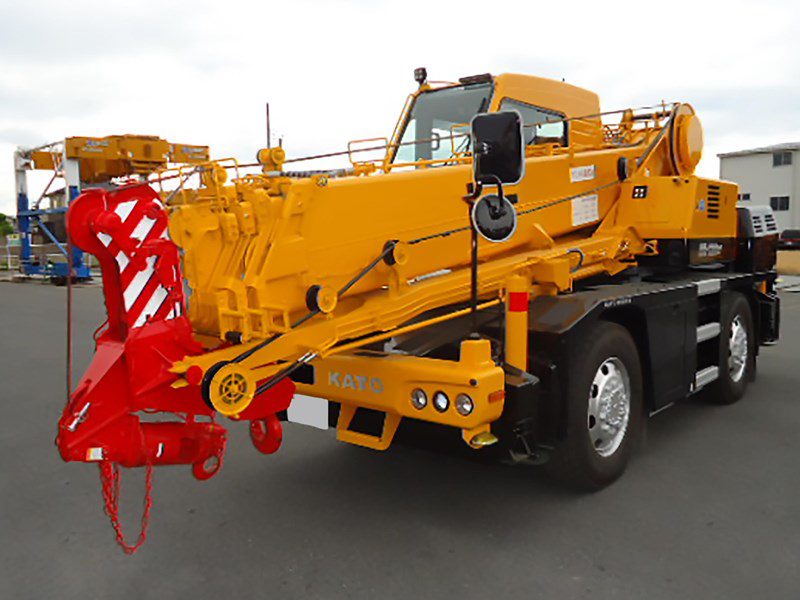
Mobile crane hire remains a cornerstone of Australian construction due to its adaptability. Mounted on wheeled or tracked carriers, mobile cranes are designed for rapid deployment and relocation, making them well suited to projects with changing lift requirements or limited site duration. In infrastructure works such as bridge upgrades, utilities installation, and road expansion, mobile cranes enable heavy components to be placed with minimal disruption to surrounding environments.
In urban and peri-urban contexts, mobile cranes are often used during early construction phases, assisting with foundation works, precast installation, and plant positioning. Their ability to arrive on site fully assembled reduces setup time, a critical advantage where road closures or restricted access windows apply. In regional areas, including parts of the Southern Highlands, this mobility allows construction teams to operate across dispersed sites without the logistical complexity associated with fixed lifting equipment.
Tower Crane Hire and the Vertical City
Where projects move upward rather than outward, tower crane hire becomes indispensable. High-rise residential towers, commercial developments, and dense mixed-use precincts rely on tower cranes to deliver materials efficiently across constrained footprints. These cranes provide height, reach, and lifting capacity that mobile cranes cannot sustain over extended construction periods.
Australia’s major cities have seen a steady rise in tower crane deployment as urban planners seek to accommodate growth through vertical development. Tower cranes support continuous workflows, lifting concrete, steel, and façade elements directly to upper levels. Their presence often signals long-term projects with carefully staged construction programs, where predictability and precision are paramount.
Even beyond metropolitan cores, tower crane hire is increasingly relevant. Regional centres experiencing densification, including select Southern Highlands developments, are adopting mid-rise construction models that benefit from tower crane efficiency while maintaining smaller site footprints.
Comparing Crane Types Across Project Environments
The distinction between mobile crane hire and tower crane hire is not a matter of superiority but suitability. Infrastructure projects such as rail corridors, ports, and energy installations tend to favour mobile cranes for their reach and adaptability. These projects often span large areas and involve lifts that vary in location and load characteristics.
High-rise and dense urban projects, by contrast, demand the sustained lifting capacity and vertical reach of tower cranes. In tightly constrained city environments, tower cranes reduce ground-level congestion by centralising lifting operations and minimising the need for repeated equipment movement.
Hybrid approaches are also common. A project may begin with mobile crane hire for early works before transitioning to tower crane hire as structures rise. In regional markets like crane hire Southern Highlands, this blended strategy allows developers to align lifting solutions with evolving project stages while respecting local access and planning constraints.
Safety Standards and Regulatory Oversight in Australia
Crane operations in Australia are governed by a rigorous regulatory framework designed to protect workers, the public, and the built environment. Safe Work Australia provides national guidance, while state-based regulators enforce compliance with workplace health and safety legislation. Licensing requirements for crane operators, lift planning protocols, and equipment certification form the backbone of this system.
Mobile and tower cranes are subject to regular inspection and maintenance regimes, with detailed records required to demonstrate ongoing compliance. High-risk work licences, site-specific lift plans, and exclusion zones are standard practice, particularly on large-scale projects. In urban settings, additional controls often apply to manage interaction with pedestrian areas, traffic, and adjacent properties.
Regional projects face their own safety considerations. Terrain variability, weather exposure, and limited access routes can influence crane selection and operation. In the Southern Highlands, where weather patterns and topography may differ from coastal cities, lift planning must account for wind conditions and ground stability to maintain safe operations.
Technological Advancements Shaping Crane Operations
Technological innovation has significantly reshaped crane capability over the past decade. Modern mobile cranes are equipped with advanced load moment indicators, telematics systems, and automated setup features that enhance precision and reduce operator workload. These systems provide real-time data on load limits, boom configuration, and ground pressure, supporting safer decision-making on site.
Tower crane technology has similarly evolved. Anti-collision systems, remote monitoring, and improved jib designs allow cranes to operate efficiently within dense clusters, a common feature of Australian city skylines. Digital integration enables project managers to track crane usage, optimise lift scheduling, and identify potential conflicts before they arise.
Sustainability considerations are also influencing crane design and deployment. Energy-efficient motors, hybrid power systems, and reduced noise profiles are increasingly important, particularly in residential and mixed-use developments. These advancements align with broader industry goals around environmental performance and community impact.
The Role of Cranes in Urban and Regional Development
Beyond their technical function, cranes are symbols of economic activity and growth. Their presence reflects investment in housing, infrastructure, and commercial capacity. In major cities, clusters of tower cranes often signal periods of intense development and renewal. In regional areas, mobile crane activity can indicate infrastructure upgrades, industrial expansion, or the gradual densification of town centres.
Crane hire Southern Highlands illustrates how lifting solutions support balanced regional growth. Projects in this area often aim to enhance local infrastructure while preserving landscape character and heritage values. Selecting appropriate crane types allows construction to proceed efficiently without imposing excessive disruption on surrounding communities.
Looking Ahead: Crane Strategy in a Changing Construction Landscape
As Australia continues to invest in transport infrastructure, renewable energy, and housing supply, the strategic role of crane capability is set to expand. Urban densification will sustain demand for tower crane hire, while infrastructure renewal and regional development will continue to rely on mobile crane hire for flexibility and reach.
The challenge for the industry lies in aligning crane strategy with evolving regulatory expectations, technological possibilities, and community standards. Careful planning, skilled operation, and adherence to safety frameworks will remain central to ensuring that cranes support construction progress without compromising public trust.
In this context, cranes are not merely tools of construction but instruments of urban and regional transformation. Their thoughtful deployment underpins Australia’s ability to build efficiently, safely, and sustainably, from the heart of its cities to the evolving landscapes of regions such as the Southern Highlands.