Australia’s urban landscape is undergoing one of the most significant transformations in its history. Population growth, infrastructure investment, and housing demand have converged to push cities upward and outward at the same time. From transport corridors and logistics hubs to residential towers and mixed-use precincts, construction activity has become more complex, denser, and technologically sophisticated. At the centre of this transformation is crane infrastructure, particularly tower crane hire, mobile crane hire, and the expanding role of tower crane hire Sydney in shaping vertical development.
Far from being simple lifting equipment, cranes are strategic assets that influence project timelines, safety outcomes, and the economic viability of large-scale construction. Their deployment reflects broader trends in urban planning, regulation, and engineering across Australia.
The Strategic Role of Cranes in Australian Urban Development
Modern Australian cities, especially Sydney and Melbourne, are constrained by limited land availability, heritage considerations, and strict planning controls. These factors have driven a shift toward vertical construction and high-density development. Tower crane hire has become indispensable in this environment, enabling developers to build higher, faster, and with greater precision in confined urban sites.
In Sydney, where high-rise residential and commercial towers dominate redevelopment zones, tower crane hire Sydney is closely linked to urban renewal strategies. Cranes are often installed months before vertical construction begins, forming the backbone of site logistics. Their fixed position, height, and lifting capacity allow materials to be moved efficiently across multi-storey sites, reducing reliance on ground-level handling and mitigating congestion in surrounding streets.
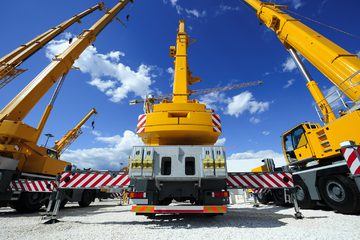
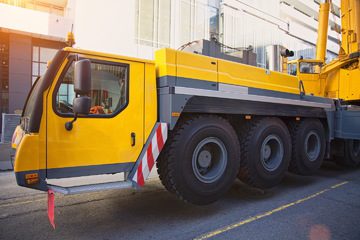
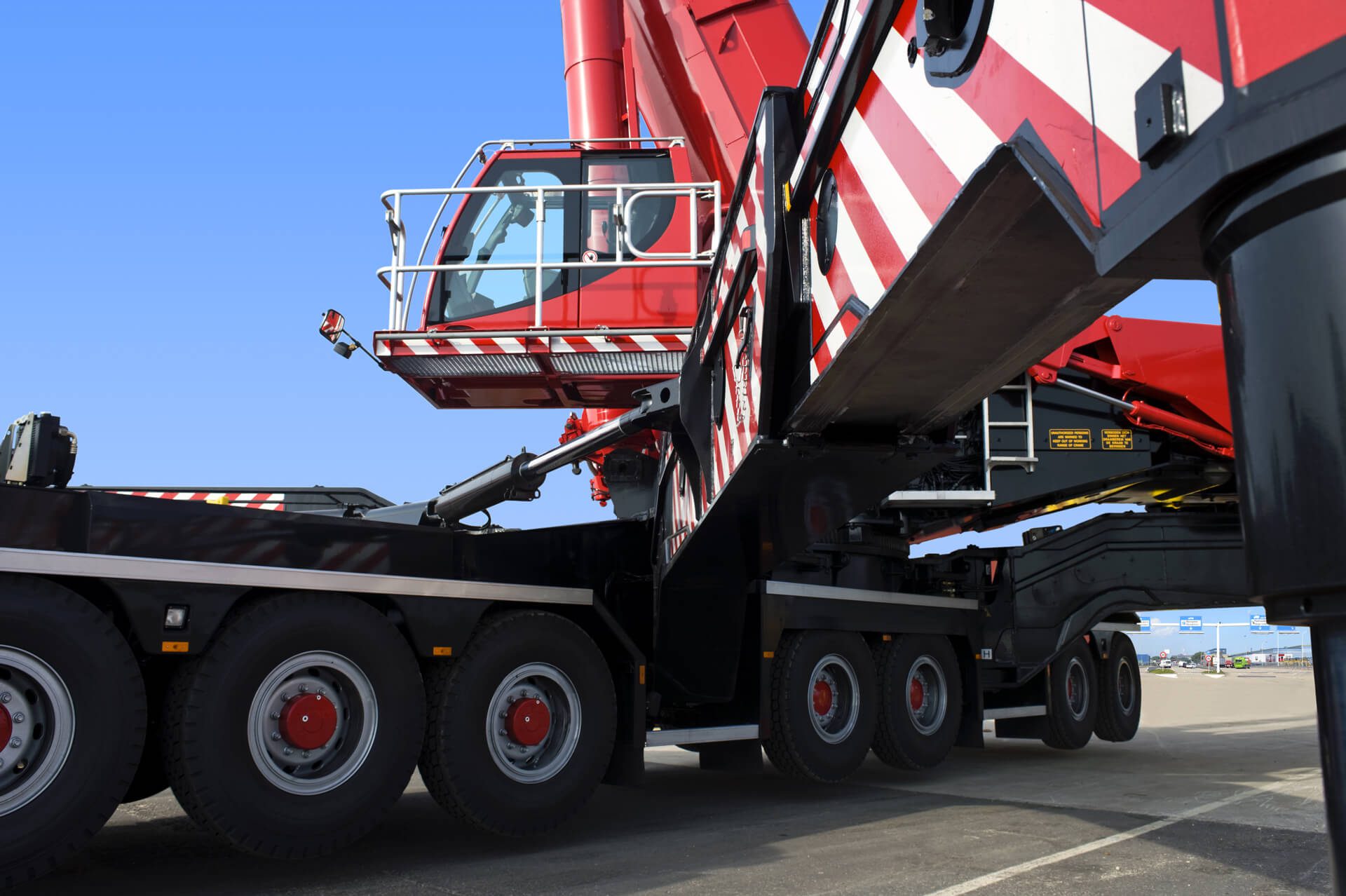
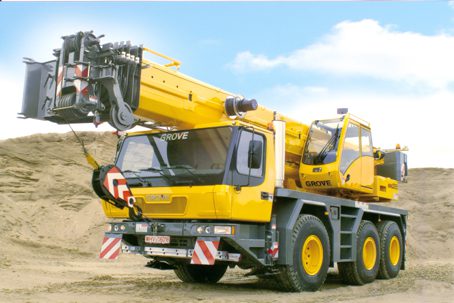
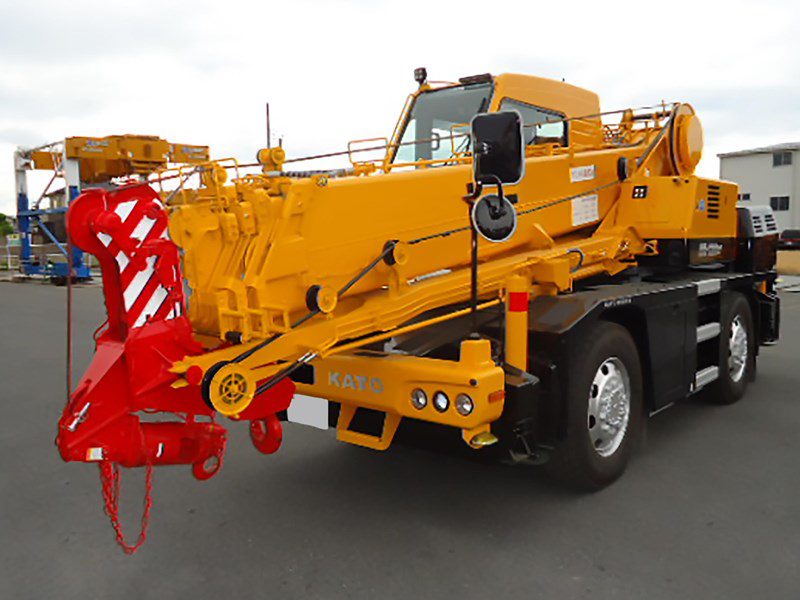
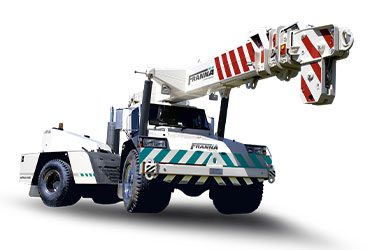
Mobile crane hire, by contrast, plays a complementary but equally critical role. Mobile cranes support early-stage construction, infrastructure upgrades, modular installation, and maintenance works where flexibility and rapid deployment are essential. Their ability to relocate quickly makes them vital for projects spread across multiple sites or operating within tight time windows, such as rail upgrades or emergency repairs.
Together, tower and mobile cranes underpin Australia’s capacity to deliver complex construction projects in increasingly constrained environments.
Tower Cranes and High-Rise Construction
Tower crane hire is most closely associated with high-rise and large-scale commercial development. These cranes are designed to operate for extended periods, often remaining on-site for the duration of a project that may span several years. Their vertical reach and rotational capacity allow materials to be lifted from ground level to precise locations hundreds of metres above.
In dense urban centres, tower crane hire Sydney has become a defining feature of the skyline. The city regularly ranks among global leaders in crane counts, reflecting sustained investment in residential towers, office developments, and transport-oriented projects. Tower cranes enable staged construction, allowing developers to sequence work efficiently while maintaining strict safety controls.
The choice of tower crane configuration depends on factors such as site footprint, building height, wind conditions, and proximity to neighbouring structures. In tightly packed areas, luffing jib cranes are often preferred due to their reduced swing radius, minimising airspace intrusion over adjacent properties. This consideration is particularly relevant in Sydney, where planning regulations and community expectations demand careful management of construction impacts.
Mobile Cranes and Infrastructure Projects
While tower cranes dominate skylines, mobile crane hire is the workhorse of Australia’s infrastructure sector. Roads, bridges, ports, energy facilities, and industrial projects rely heavily on mobile cranes for lifting heavy components, installing prefabricated sections, and supporting maintenance activities.
Mobile cranes offer versatility that tower cranes cannot match. They can be transported between sites, set up quickly, and adjusted to suit a wide range of lifting requirements. This makes them especially valuable in regional projects, where construction sites may be dispersed and project durations shorter.
In urban infrastructure upgrades, mobile crane hire allows work to be completed during off-peak hours, reducing disruption to traffic and public transport. Night-time lifts for bridge beams or rail components are a common sight in Australian cities, reflecting the need to balance construction progress with public convenience.
The growing use of prefabrication and modular construction has further increased demand for mobile cranes. As more building elements are manufactured off-site and delivered ready for installation, cranes capable of precise, heavy lifts have become essential to maintaining efficiency and quality.
Safety Standards and Regulatory Oversight
Safety is a central concern in crane operations, given the inherent risks associated with lifting heavy loads at height. Australia maintains some of the most stringent safety standards in the world, governed by a combination of national and state-based regulations. Crane operations are subject to oversight from workplace safety authorities, with detailed requirements covering equipment certification, operator licensing, and site-specific risk management.
Tower crane hire and mobile crane hire both require comprehensive planning, including lift studies, ground assessments, and exclusion zones. Operators must be appropriately trained and licensed, and equipment must undergo regular inspections to ensure compliance with Australian Standards.
In cities like Sydney, additional regulatory considerations apply due to airspace management, proximity to occupied buildings, and coordination with local councils. These factors make tower crane hire Sydney a highly regulated activity, requiring close collaboration between engineers, contractors, and regulators.
Safety performance has improved significantly over the past two decades, driven by better training, improved equipment design, and a stronger safety culture across the construction industry. However, the scale and complexity of modern projects mean that vigilance remains essential.
Technological Advancements in Crane Operations
Technology is reshaping how cranes are deployed and managed on Australian construction sites. Modern tower cranes are increasingly equipped with digital load monitoring systems, anti-collision technology, and remote diagnostics. These systems provide real-time data on crane performance, helping operators make informed decisions and reducing the risk of accidents.
Mobile cranes have also benefited from technological advances, including improved hydraulic systems, enhanced mobility, and more accurate control interfaces. Telematics systems allow fleet managers to monitor usage patterns, maintenance needs, and operational efficiency across multiple sites.
In the context of tower crane hire Sydney, technology plays a crucial role in managing complex urban sites where multiple cranes may operate in close proximity. Anti-collision systems and integrated site planning software help coordinate movements, ensuring that cranes can work efficiently without compromising safety.
These advancements not only improve safety outcomes but also contribute to productivity gains, enabling projects to be delivered more predictably in an environment where delays can have significant financial implications.
Environmental and Community Considerations
As public scrutiny of construction impacts increases, crane operations are also being evaluated through an environmental and social lens. Noise, visual impact, and energy consumption are growing concerns, particularly in residential areas.
Tower cranes, once installed, can operate with relatively low ongoing emissions compared to repeated heavy vehicle movements. Mobile crane hire, when used strategically, can reduce the number of deliveries and on-site handling activities, contributing to lower overall environmental impact.
In cities like Sydney, community engagement has become an important part of managing tower crane hire. Developers and contractors are expected to communicate clearly about construction timelines, working hours, and potential disruptions, reinforcing the importance of transparency in urban development.
A Structural Backbone of Modern Construction
Cranes are often seen as temporary fixtures, appearing and disappearing as projects progress. Yet their role in shaping Australia’s built environment is profound and enduring. Tower crane hire supports the vertical growth of cities, mobile crane hire enables flexible and efficient infrastructure delivery, and tower crane hire Sydney reflects the intensity and ambition of urban development in one of the nation’s most dynamic markets.
As Australia continues to invest in housing, transport, and industrial capacity, cranes will remain a visible and essential part of the construction narrative. Their evolution mirrors broader changes in technology, regulation, and urban design, underscoring their position not merely as tools, but as strategic enablers of modern Australian construction.