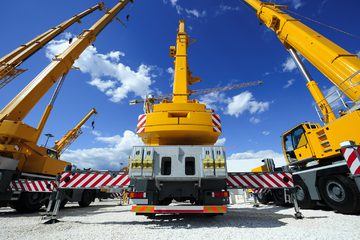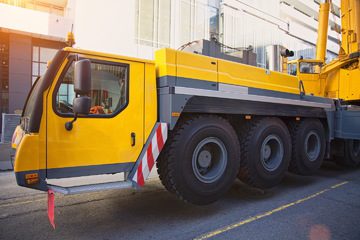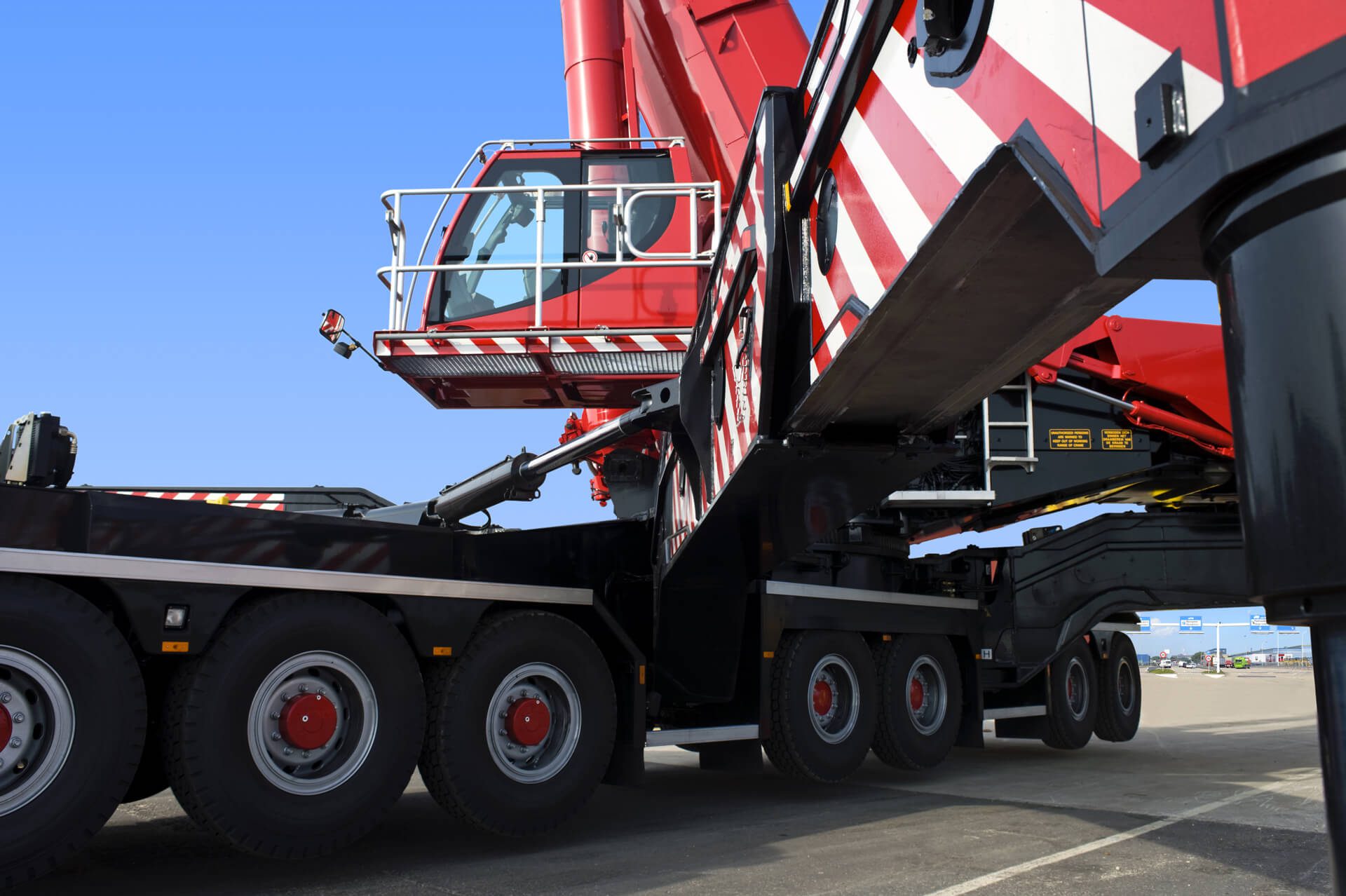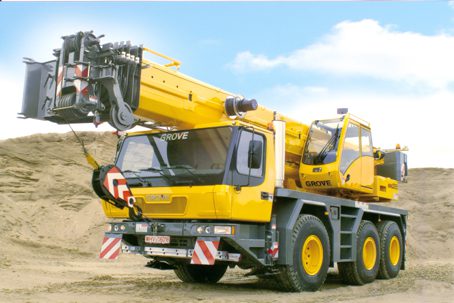
Australia’s urban landscape is changing at a pace unseen in previous generations. Population growth, infrastructure investment, and the ongoing densification of major cities are reshaping skylines from Sydney to Brisbane and beyond. At the centre of this transformation stands a largely overlooked but essential force: crane technology. From city crane hire Sydney operations navigating tight CBD sites to mobile crane hire supporting infrastructure upgrades and tower crane hire defining high-rise construction, lifting equipment has become a strategic enabler of modern urban development.
This evolution is not merely about scale or height. It reflects a deeper shift in how Australian cities are planned, built, and regulated, where efficiency, safety, and adaptability are as critical as raw lifting capacity.
Urban Growth and the Strategic Importance of Crane Access
Sydney, as Australia’s most densely developed metropolitan area, illustrates the pressures facing contemporary construction. Limited land availability, strict zoning controls, and the need to minimise disruption to surrounding communities demand precise and carefully planned building methodologies. In this context, city crane hire Sydney has become a logistical necessity rather than a convenience. Cranes must be deployed in constrained spaces, coordinated with traffic management plans, and integrated into broader urban operations.
Across Australia, cranes play a strategic role in enabling vertical growth. As cities expand upward rather than outward, tower cranes become semi-permanent fixtures on long-term projects, while mobile cranes provide flexibility for shorter tasks such as plant installation, structural components, or infrastructure maintenance. The ability to match crane type to project requirements is now a core consideration during early-stage planning.
Mobile Cranes and Infrastructure Development
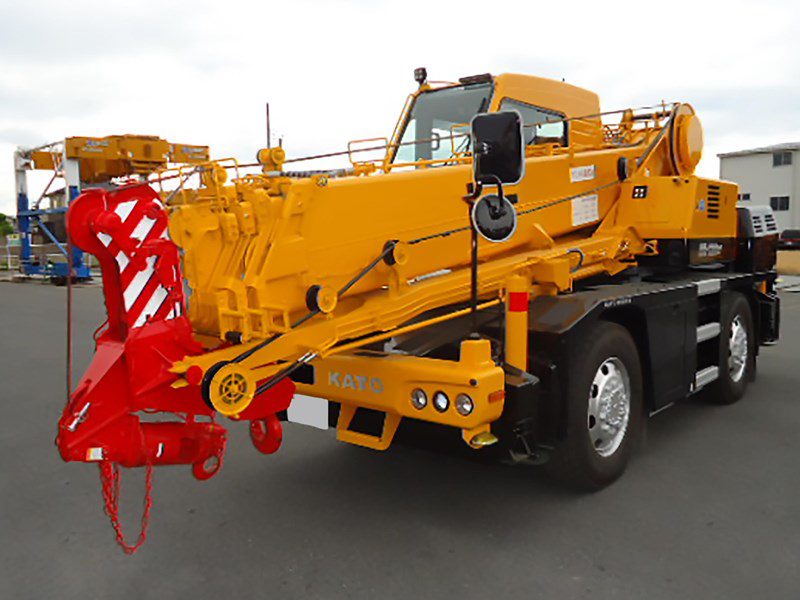
Mobile crane hire remains fundamental to Australia’s infrastructure pipeline. Transport projects, energy installations, ports, and civil works frequently rely on mobile cranes due to their adaptability and rapid deployment. Unlike fixed lifting systems, mobile cranes can be transported between sites with relative ease, making them suitable for projects spread across regional and metropolitan areas alike.
In urban environments, mobile cranes are often used during off-peak hours to reduce congestion and public disruption. Their role extends beyond construction into maintenance and upgrades, supporting Australia’s ageing infrastructure without the need for extensive site establishment. As governments prioritise resilience and asset renewal, mobile cranes continue to provide a practical solution for complex lifting tasks across diverse environments.
Tower Cranes and the Vertical City
Tower crane hire has become synonymous with Australia’s high-rise boom. Residential towers, commercial precincts, hospitals, and mixed-use developments rely on these cranes for their ability to lift heavy loads to extreme heights with precision. In cities such as Sydney and Melbourne, tower cranes are often erected for months or years, becoming integral to the construction process rather than ancillary equipment.
The rise of dense urban projects has also increased demand for specialised tower crane configurations. Luffing jib cranes, for example, are frequently used in CBD locations where space constraints and airspace management are critical. These cranes allow the jib to move vertically rather than horizontally, reducing oversail risks and aligning with strict planning requirements imposed by local authorities.
Safety as a Non-Negotiable Standard
Safety remains one of the most heavily regulated aspects of crane operations in Australia. Each state operates under a harmonised Work Health and Safety framework, supported by Safe Work Australia guidelines. Crane operators, riggers, and doggers must hold appropriate high-risk work licences, and all equipment is subject to rigorous inspection and maintenance regimes.
In urban settings, safety considerations extend beyond the worksite. Crane movements must account for nearby buildings, pedestrian zones, and public infrastructure. Detailed lift planning, exclusion zones, and real-time communication protocols are standard practice. The emphasis on safety has driven improvements in training, certification, and operational transparency across the sector.
Technology Reshaping Crane Operations
Technological advancement is reshaping how cranes are integrated into construction projects. Modern cranes are increasingly equipped with digital load monitoring systems, wind speed sensors, and anti-collision technology. These systems enhance situational awareness and reduce the risk of incidents, particularly on sites where multiple cranes operate simultaneously.
Digital modelling tools, including Building Information Modelling, now play a critical role in crane planning. Engineers can simulate crane placement, load paths, and potential conflicts before equipment arrives on site. This approach improves efficiency while aligning with broader industry goals around productivity and risk reduction.
Remote diagnostics and predictive maintenance are also gaining traction. By analysing performance data, operators can identify potential mechanical issues early, reducing downtime and improving overall project reliability.
Regulatory and Planning Considerations
Crane deployment in Australia operates within a complex regulatory environment. Planning approvals, local council requirements, and aviation regulations all influence how and where cranes can be used. In cities, airspace restrictions near airports or heliports can limit crane height, requiring careful coordination with aviation authorities.
Environmental considerations are increasingly prominent. Noise restrictions, emission standards, and sustainability targets influence crane selection and operation schedules. Electric and hybrid crane technologies are emerging in response to these pressures, particularly for projects seeking to minimise their environmental footprint.
Compliance is not merely a legal obligation but a reputational one. High-profile urban projects are subject to public scrutiny, and any safety or regulatory failure can have significant consequences for developers and contractors alike.
Economic and Workforce Implications
The crane sector also reflects broader trends within the Australian construction workforce. Skilled crane operators are in high demand, and training pathways have expanded to address labour shortages. Apprenticeships, licensing programs, and ongoing professional development are critical to maintaining operational standards as technology evolves.
Economically, the availability of city crane hire Sydney services, mobile crane hire fleets, and tower crane hire options supports project viability. Access to the right equipment at the right time influences construction schedules, financing arrangements, and overall project risk profiles. In this sense, cranes are not merely tools but enablers of economic activity.
Looking Ahead: Cranes in the Future City
As Australia continues to urbanise, the role of cranes will become even more central to city-building. Population growth, infrastructure renewal, and sustainability objectives will place new demands on lifting technology. Greater integration of digital systems, continued emphasis on safety, and alignment with environmental goals are likely to define the next phase of development.
What remains constant is the strategic importance of cranes in translating architectural vision into physical reality. From mobile cranes supporting infrastructure resilience to tower cranes shaping skylines, and city crane hire Sydney operations navigating dense urban environments, these machines underpin the construction of modern Australia.