Australia’s construction sector is navigating a period of structural change. Population growth, infrastructure investment, and a renewed focus on regional development are reshaping how and where major projects are delivered. From metropolitan skylines to regional transport corridors, cranes have become indispensable to this transformation. Yet their role today extends beyond simple lifting. Mobile crane hire, tower crane hire, and specialised services such as franna crane hire southern highlands now influence project planning, safety outcomes, and even regional economic development.
As construction activity spreads beyond capital cities into surrounding regions, the strategic deployment of cranes has become a defining feature of modern Australian building practices. Understanding how different crane types are used, regulated, and adapted to local conditions provides insight into how the industry is responding to changing demands.
Regional Growth and the Expanding Role of Cranes
For decades, Australia’s most visible construction activity was concentrated in major cities. While that remains true for high-rise and commercial development, regional areas are now playing a more prominent role in national growth strategies. Improved transport links, housing demand, and decentralisation policies have increased construction activity in regions such as the Southern Highlands of New South Wales.
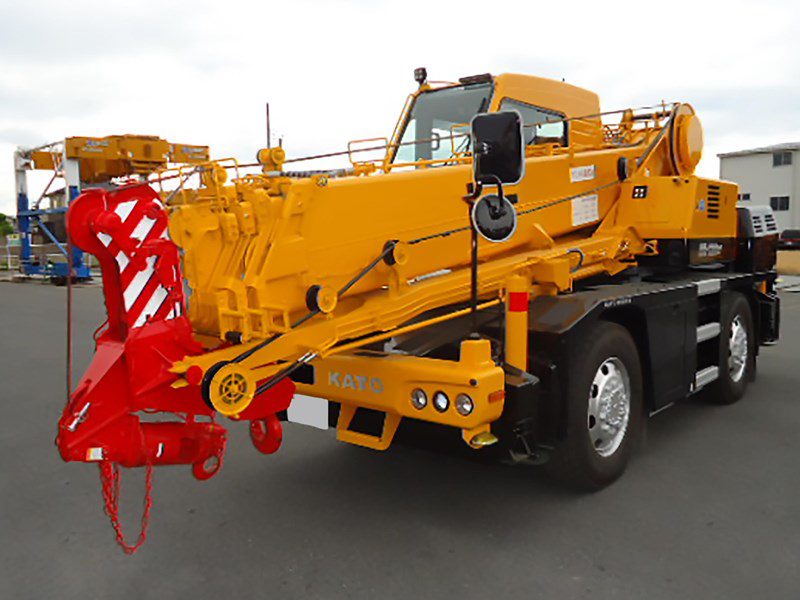
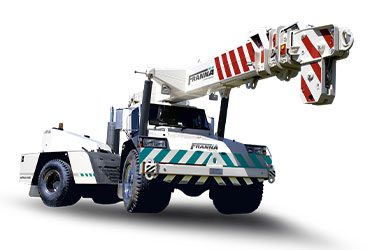
In these settings, franna crane hire southern highlands reflects a broader trend toward adaptable lifting solutions that suit smaller sites, mixed-use developments, and infrastructure upgrades. Franna cranes, a type of pick-and-carry crane, are valued for their mobility and ability to move loads across short distances without the need for additional transport equipment. This capability aligns with regional construction environments, where projects are often dispersed and timelines require flexibility.
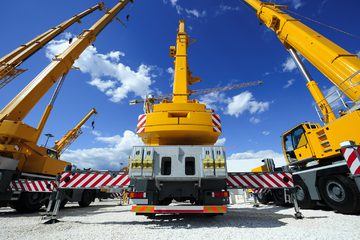
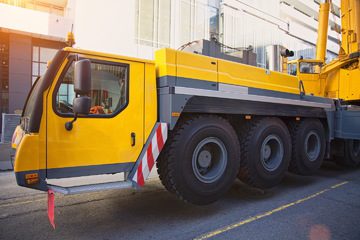
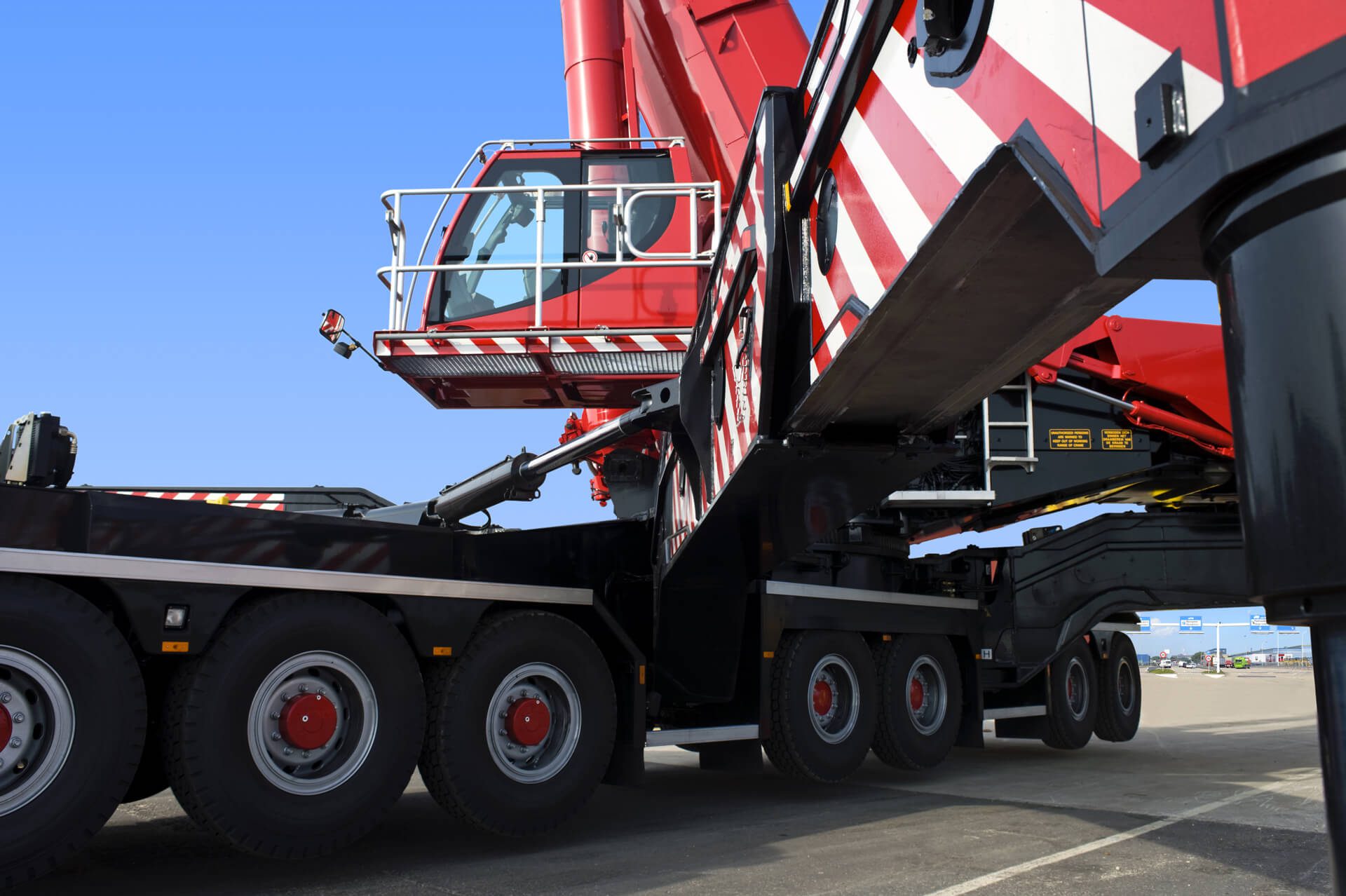
At the same time, mobile crane hire remains a cornerstone of both regional and metropolitan construction. Its versatility allows contractors to address a wide range of lifting tasks, from bridge beams and precast panels to mechanical plant installation. In contrast, tower crane hire continues to dominate dense urban and high-rise projects, where height, reach, and continuous lifting capacity are essential.
Comparing Crane Types Across Project Environments
Each crane type occupies a distinct niche within Australia’s construction ecosystem. The choice between mobile crane hire, tower crane hire, and franna crane solutions is shaped by site constraints, project duration, and the nature of the build.
Infrastructure projects, including road upgrades, rail works, and utilities installation, often rely heavily on mobile cranes. These projects typically involve heavy components and staged construction across multiple locations. Mobile cranes offer the ability to mobilise quickly, operate on variable terrain, and support short-duration lifts. Their role is particularly important in regional areas, where distances between sites can be significant.
High-rise construction presents a different set of requirements. Tower crane hire is closely associated with vertical development, particularly in city centres. Tower cranes provide consistent lifting capacity over extended periods, supporting repetitive workflows essential to tall building construction. Their fixed position and predictable operating range help manage risks in crowded urban environments, where coordination with neighbouring properties and public spaces is critical.
Franna crane hire southern highlands illustrates how specialised equipment fills the gaps between these two models. In low- to mid-rise developments, industrial facilities, and regional infrastructure works, franna cranes enable efficient material handling within constrained or active sites. Their ability to lift and carry loads reduces reliance on multiple machines, which can simplify logistics and improve safety outcomes.
Urban Density and Operational Complexity
Australia’s cities are becoming denser, and construction sites are increasingly required to operate within tight physical and regulatory boundaries. In these contexts, crane operations must be carefully integrated into broader urban systems.
Tower crane hire in dense urban areas involves extensive planning, often beginning at the design stage. Factors such as crane oversailing, wind exposure, and proximity to neighbouring buildings influence both engineering decisions and regulatory approvals. The visual presence of tower cranes also shapes public perception, making community engagement and transparency important aspects of project delivery.
Mobile crane hire faces its own challenges in urban settings. Operating on public roads or near live infrastructure requires detailed traffic management and coordination with local authorities. Nevertheless, mobile cranes remain essential for tasks that tower cranes cannot address efficiently, such as large one-off lifts or projects with limited vertical construction.
Safety Standards and Regulatory Oversight
Crane operations in Australia are governed by a robust safety framework designed to manage the inherent risks of heavy lifting. Workplace health and safety legislation, enforced at the state and territory level, sets clear requirements for equipment certification, operator competency, and site risk management.
Tower crane hire is subject to particularly stringent oversight due to the scale and complexity of installations. Erection and dismantling processes require detailed engineering documentation and regulatory approval. Ongoing inspections, wind monitoring, and exclusion zones are standard practices aimed at protecting workers and the public.
Mobile crane hire and franna crane operations are regulated under similar principles, though the risks differ. Ground conditions, load stability, and proximity to other site activities are critical considerations. In regional areas such as the Southern Highlands, environmental factors and variable terrain add another layer of complexity to crane management.
Technological Advancements in Crane Operations
Technology has become a key driver of change in crane use across Australia. Modern cranes are increasingly equipped with digital systems that enhance precision, safety, and efficiency. Load moment indicators, real-time telemetry, and automated safety cut-offs allow operators to respond quickly to changing conditions.
Tower crane hire has benefited from advances in remote monitoring and diagnostics. These systems enable maintenance issues to be identified early, reducing downtime and supporting compliance with safety standards. In urban environments, such technologies also assist in managing wind-related risks, a critical factor for tall structures.
Mobile crane hire has seen improvements in mobility and control systems. Enhanced steering, stabilisation, and lifting controls allow cranes to operate safely in tighter spaces. For franna crane hire southern highlands, these advancements support safer pick-and-carry operations, particularly on active or uneven sites.
Economic and Planning Implications
The strategic use of cranes has implications beyond individual projects. Efficient lifting solutions can shorten construction timelines, reduce disruption, and improve cost certainty. In regions experiencing growth, such efficiencies support housing supply and infrastructure delivery, contributing to broader economic objectives.
In metropolitan areas, tower crane hire plays a role in shaping skylines and urban form. Decisions about crane placement and operation intersect with planning policies, heritage considerations, and community expectations. As cities continue to densify, these interactions are likely to become more prominent.
Regional crane activity, including franna crane hire southern highlands, highlights the interconnected nature of urban and regional development. Infrastructure built in regional areas supports population redistribution and economic resilience, reducing pressure on major cities while maintaining access to essential services.
A Sector in Transition
Australia’s construction industry is adapting to new patterns of growth and complexity. Mobile crane hire, tower crane hire, and specialised solutions such as franna crane operations each contribute to this evolution in distinct ways. Together, they enable projects to proceed safely and efficiently across a diverse range of environments, from dense urban cores to growing regional centres.
As infrastructure investment continues and urban form evolves, cranes will remain central to how Australia builds its future. Their increasing strategic importance reflects not only the physical demands of construction but also the regulatory, technological, and social contexts in which projects are delivered. In that sense, cranes are more than tools; they are indicators of how the nation’s built environment is changing.