Across Australia, cranes have become an increasingly familiar presence on the skyline, signalling not only construction activity but deeper economic and demographic shifts. From inner-city towers to regional infrastructure upgrades, the machinery that enables modern construction is evolving in response to where and how Australians live and work. In this context, mobile crane hire and tower crane hire are no longer niche operational concerns; they are strategic components of urban and regional development. This is evident not only in major metropolitan centres but also in areas such as the Southern Highlands, where tower crane hire is beginning to reflect changing development patterns beyond the capitals.
The role of cranes in shaping the built environment is often understated. Yet their deployment influences project timelines, site safety, urban density, and even community impact. As Australia continues to balance large-scale city growth with regional investment, understanding how different crane types are used has become essential for both industry professionals and policymakers.
Construction Demand Beyond the Capital Cities
While Sydney, Melbourne, and Brisbane dominate headlines for high-rise construction, regional and peri-urban areas are experiencing their own transformation. The Southern Highlands, traditionally characterised by low-density housing and rural land uses, has seen a steady increase in mixed-use developments, logistics facilities, and infrastructure upgrades. Tower crane hire southern highlands reflects this shift toward more complex construction methods, even in areas not typically associated with vertical building.
This trend aligns with broader national strategies aimed at decentralising growth and improving regional connectivity. Investments in transport corridors, health facilities, and education infrastructure require lifting solutions that can adapt to diverse site conditions. Mobile crane hire often plays a leading role in these projects, offering flexibility across dispersed locations, while tower cranes are increasingly used where projects demand sustained lifting at height.
Mobile Cranes and Infrastructure Delivery
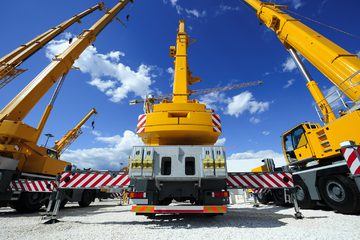
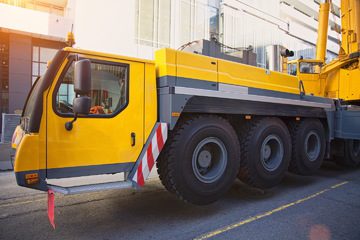
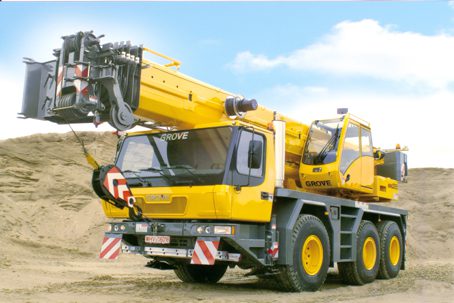
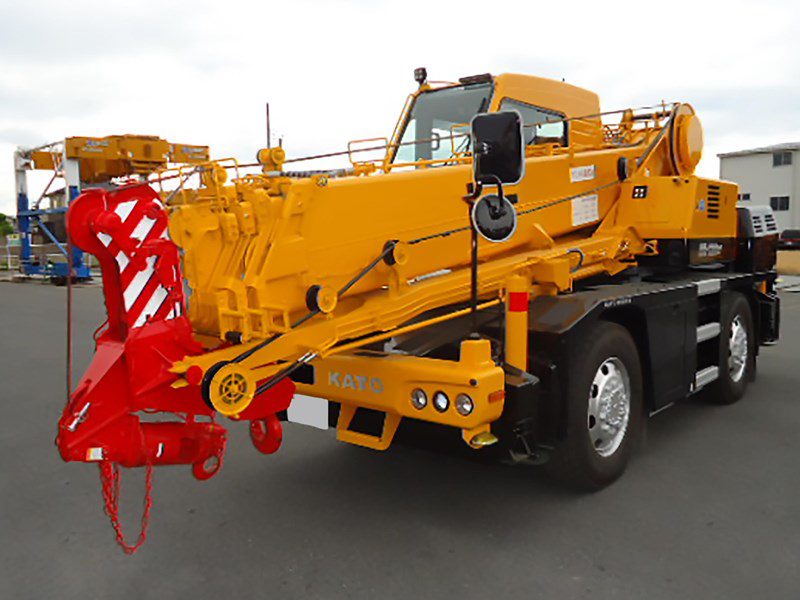
Mobile crane hire remains one of the most versatile tools in the construction sector. These cranes are designed for rapid mobilisation, making them well suited to infrastructure projects such as road upgrades, bridge construction, utilities installation, and industrial facilities. Their ability to operate across varying terrain and to be redeployed quickly allows contractors to respond to changing project requirements without long setup times.
In regional contexts, including the Southern Highlands, mobile cranes are frequently used for lifting prefabricated components, installing large mechanical systems, and supporting civil works associated with transport and public infrastructure. Their adaptability is particularly valuable in areas where sites are spread out and access conditions vary. As Australia continues to invest in infrastructure to support population growth and economic resilience, mobile crane hire is likely to remain a cornerstone of project delivery.
Tower Cranes and the Vertical Dimension
Tower crane hire is most closely associated with high-rise construction, but its role is expanding as building typologies evolve. Tower cranes provide continuous lifting capability over extended periods, making them essential for projects where materials must be moved efficiently across multiple levels. In dense urban environments, their height and reach allow construction to proceed vertically while minimising ground-level congestion.
In metropolitan areas, tower cranes support residential towers, commercial offices, and mixed-use developments that define modern cityscapes. In contrast, tower crane hire southern highlands tends to be linked to mid-rise projects, industrial structures, or complex builds that require precision lifting over a prolonged timeframe. This illustrates how the same technology can be adapted to different scales of development, depending on local planning frameworks and market demand.
Choosing the Right Crane for the Project
The decision between mobile crane hire and tower crane hire is rarely straightforward. Each crane type offers distinct advantages, and many large projects rely on both at different stages. Mobile cranes are often deployed during early works, such as structural steel erection or the placement of large prefabricated elements. As construction progresses and repetitive lifting becomes necessary, tower cranes may take over to support ongoing operations.
In urban projects, crane selection is influenced by site constraints, neighbouring properties, and airspace considerations. In regional areas, factors such as transport access, ground conditions, and project duration play a larger role. Effective crane planning requires a detailed understanding of engineering requirements as well as regulatory obligations, underscoring the strategic nature of crane hire decisions in modern construction.
Safety Standards and Regulatory Oversight
Australia’s approach to crane safety is shaped by a comprehensive regulatory framework that prioritises risk management and operator competency. Work health and safety laws are administered at the state and territory level, with regulators such as SafeWork NSW overseeing compliance. These regulations apply equally to mobile crane hire and tower crane hire, although the complexity of tower crane operations often involves additional layers of oversight.
Operators must hold appropriate high-risk work licences, and cranes are subject to rigorous inspection and maintenance regimes. Detailed lift plans are required for complex operations, addressing factors such as load weight, wind conditions, and proximity to power lines or public spaces. In regions like the Southern Highlands, where construction sites may be closer to established communities, adherence to safety standards is critical to maintaining public confidence and project continuity.
Technological Advancements in Crane Operations
Advances in technology are reshaping how cranes are operated and managed. Modern cranes increasingly incorporate digital control systems, real-time load monitoring, and anti-collision technology, enhancing both safety and efficiency. For tower cranes, wind sensors and automated alerts help operators respond to changing conditions, reducing the risk of incidents in exposed environments.
Mobile crane hire has similarly benefited from telematics and data-driven fleet management. These systems allow for more precise scheduling, predictive maintenance, and performance analysis. As construction projects become more complex and timelines more compressed, such technologies are no longer optional extras but integral components of effective project management.
Environmental and Community Considerations
Construction activity inevitably affects surrounding communities, particularly in areas transitioning from low-density to more intensive development. Noise, visual impact, and traffic disruption are common concerns. Newer crane models are designed with improved efficiency and lower emissions, aligning with sustainability objectives that are increasingly embedded in planning and procurement processes.
In the Southern Highlands, where natural landscapes and heritage values are significant, careful crane selection and site planning can help balance development needs with community expectations. This highlights how crane hire decisions intersect with broader social and environmental considerations, extending their influence beyond the construction site.
A Quiet Driver of Development
Cranes rarely feature in public debates about urban growth, yet their role in shaping Australia’s built environment is substantial. Mobile crane hire enables infrastructure that connects regions and supports economic activity, while tower crane hire makes possible the density and efficiency required in growing cities and emerging regional centres. The increasing presence of tower crane hire southern highlands reflects how construction practices are adapting to new patterns of demand and investment.
As Australia continues to navigate the challenges of growth, housing supply, and infrastructure delivery, cranes will remain essential tools in translating policy and planning into physical outcomes. Their strategic deployment, governed by robust safety standards and informed by technological innovation, underscores the sophistication of a sector that quietly lifts the nation’s ambitions into place.