Australia’s construction industry is often measured by what ultimately rises above the ground: towers reshaping skylines, transport corridors stretching across regions, and urban precincts transformed into higher-density communities. Less visible, but equally consequential, is the machinery that makes this growth possible. Cranes have become foundational to how Australia builds, influencing project timelines, safety outcomes and the feasibility of development in both metropolitan and regional settings.
From mobile crane hire supporting infrastructure works to tower crane hire anchoring high-rise construction, and specialised operations such as city crane hire southern highlands servicing regional growth, lifting technology now occupies a strategic role in Australian urban development. The choice of crane is no longer a purely technical matter but a decision that reflects planning constraints, regulatory oversight and the evolving character of Australia’s cities and towns.
The Strategic Importance of Cranes in Contemporary Construction
Australia faces a complex construction environment shaped by population growth, housing shortages and sustained public investment in infrastructure. Major cities continue to densify, while regional centres experience renewed development pressure driven by migration, logistics expansion and decentralisation policies. Across these diverse contexts, cranes enable construction activity that would otherwise be impractical or unsafe.
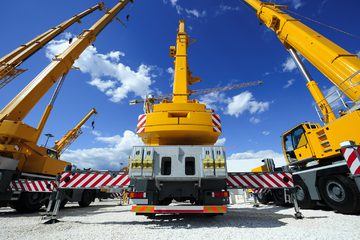
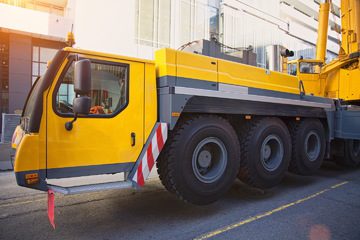
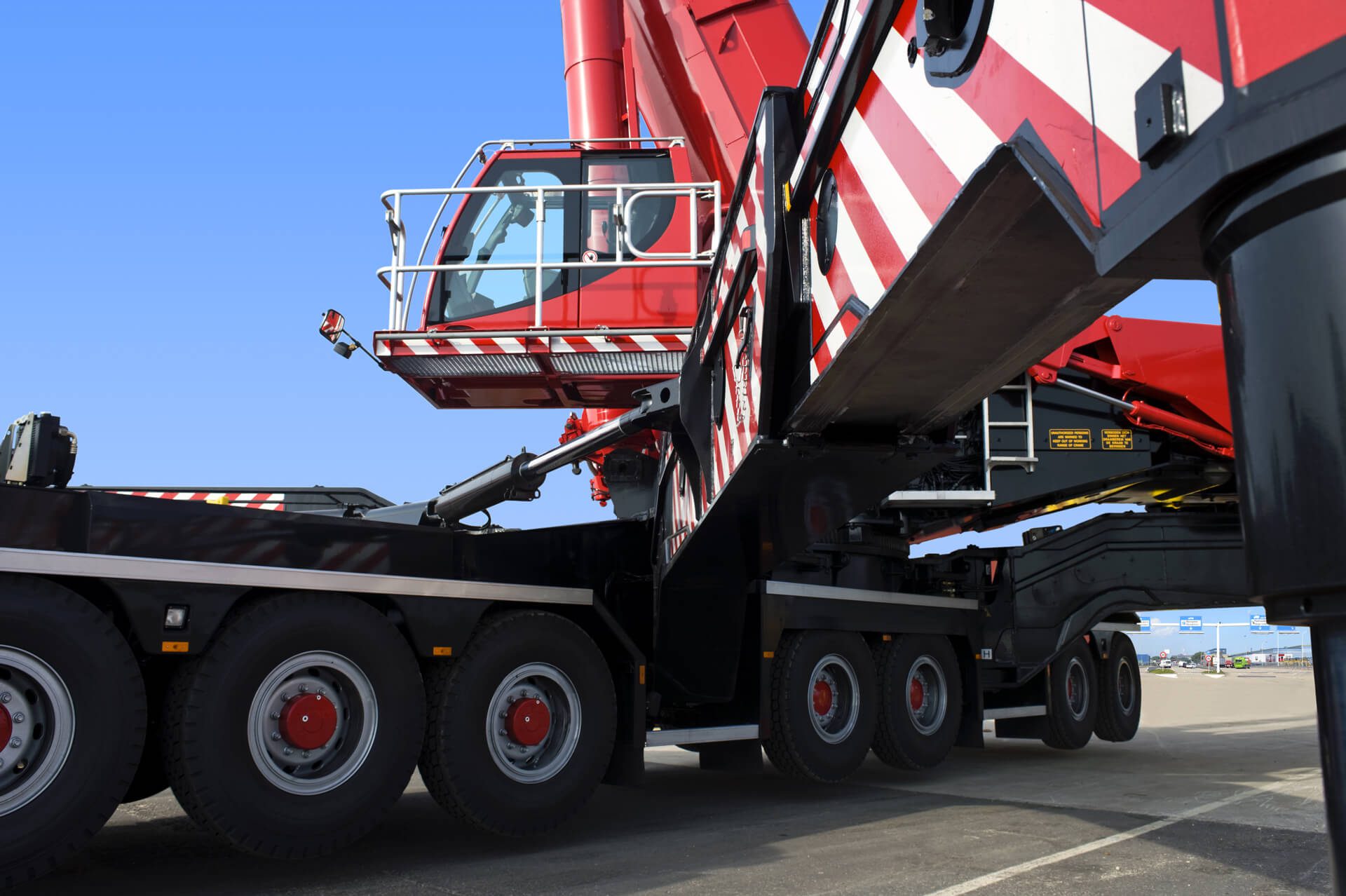
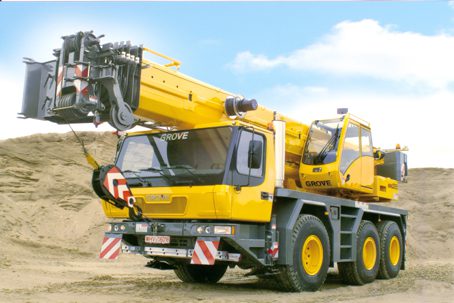
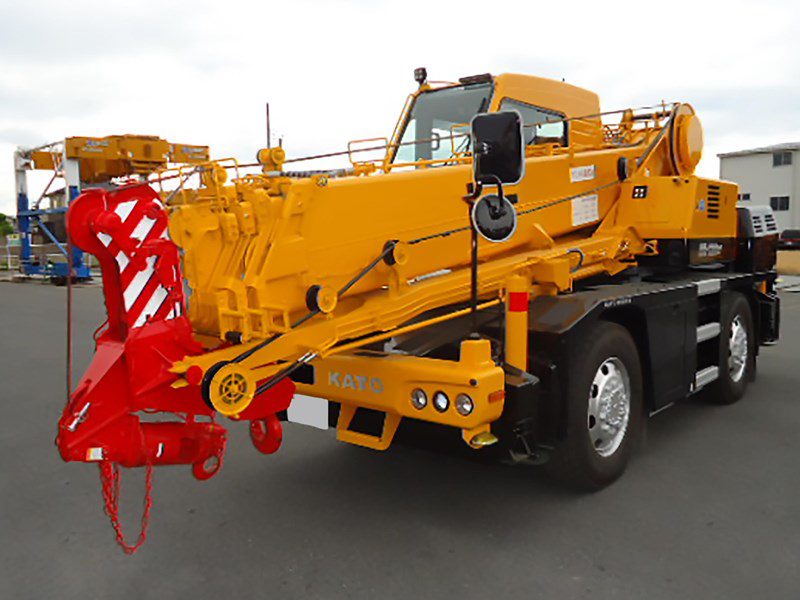
Mobile crane hire provides flexibility for projects that span large areas or require intermittent lifting capacity. Tower crane hire underpins vertical construction, allowing materials to be moved efficiently across height and distance. In regional and semi-urban locations, city crane hire southern highlands reflects the increasing sophistication of construction activity beyond capital cities, where projects must balance urban-style constraints with regional conditions.
Together, these crane types form a system that supports Australia’s construction economy, enabling projects to proceed within tight timeframes and increasingly constrained environments.
Mobile Crane Hire and Infrastructure Delivery
Infrastructure remains one of the most significant drivers of crane demand in Australia. Transport projects, energy installations and civil works rely heavily on mobile cranes due to their adaptability and reach. Mobile crane hire is particularly suited to infrastructure because these projects often extend across multiple sites and stages, requiring equipment that can be repositioned quickly.
In road and rail construction, mobile cranes are used to place bridge girders, install precast elements and support major maintenance works. Their ability to operate on varied terrain and under changing conditions aligns with the realities of large-scale infrastructure delivery. In energy and utilities projects, mobile cranes play a central role in erecting transmission structures, wind turbines and substations, often in remote or semi-rural areas.
The strategic value of mobile crane hire lies in its capacity to respond to dynamic project requirements. As infrastructure programs increasingly overlap with live traffic environments and operational assets, the ability to deploy cranes efficiently and safely has become a core project management consideration.
Tower Crane Hire and Vertical Development
Tower crane hire is synonymous with high-rise construction, particularly in Australia’s capital cities. As urban land becomes scarcer and planning policies encourage higher density, buildings are growing taller and more complex. Tower cranes provide the sustained lifting capability needed to support these projects over long durations.
In dense urban environments, tower cranes allow materials to be delivered directly to work areas, reducing reliance on ground-level storage and minimising disruption to surrounding streets. This is particularly important in city centres, where space constraints and community expectations limit construction footprints.
Advances in tower crane design have expanded their application. Modern cranes offer greater load capacities, longer reaches and luffing jibs that allow operation in close proximity to neighbouring buildings. These features are increasingly critical as construction sites are squeezed into tighter parcels of land.
Tower crane hire is also closely linked to project sequencing and risk management. The timing of erection and dismantling, coordination with other cranes and compliance with oversailing regulations all require careful planning. In this sense, tower cranes are not just equipment but central elements of construction strategy.
Regional Growth and City Crane Hire in the Southern Highlands
While metropolitan construction often dominates headlines, regional areas are experiencing significant transformation. The Southern Highlands, for example, has seen increased residential, commercial and infrastructure development driven by population shifts and improved connectivity to major cities.
City crane hire southern highlands reflects how construction practices traditionally associated with urban environments are now being applied in regional contexts. Projects in these areas may involve multi-storey buildings, industrial facilities or public infrastructure that require lifting solutions comparable to those used in cities.
At the same time, regional projects face distinct challenges. Access limitations, community sensitivity and local planning controls can influence crane selection and operation. The ability to deploy cranes that balance capacity with minimal disruption is therefore essential.
The growing presence of city-scale crane operations in regional areas highlights a broader trend: the convergence of metropolitan and regional construction standards as Australia’s development footprint expands.
Comparative Use Across Project Types
The choice between mobile crane hire and tower crane hire often depends on project scale, duration and site constraints. Infrastructure projects typically favour mobile cranes for their versatility and ease of relocation. High-rise developments rely on tower cranes for continuous vertical lifting. Regional and mixed-use projects may adopt a hybrid approach, combining different crane types to address varied lifting requirements.
In dense urban settings, the interaction between cranes becomes more complex. Multiple tower cranes may operate on a single site, supported by mobile cranes for specific tasks such as heavy lifts or equipment installation. In regional centres, city crane hire southern highlands may involve fewer cranes overall, but with similar planning and safety considerations to those found in major cities.
This comparative use underscores the importance of aligning crane strategy with project objectives and environmental conditions.
Safety Standards and Regulatory Frameworks
Crane operations in Australia are subject to stringent safety and regulatory requirements. Work Health and Safety legislation mandates rigorous controls around crane operation, including operator licensing, equipment inspection and lift planning. These requirements apply across all crane types, whether mobile, tower or specialised regional operations.
Urban projects face additional regulatory scrutiny. Oversailing approvals, exclusion zones and coordination with local authorities are essential to managing public risk. In regional areas, regulations may focus more on environmental impact and community safety, but compliance obligations remain substantial.
The emphasis on safety has driven improvements in crane technology and operational practices. Load monitoring systems, wind-speed sensors and automated safety features are now standard across much of the fleet. These technologies not only reduce the likelihood of incidents but also provide data that supports continuous improvement.
Technological Innovation and the Future of Lifting
Technology is reshaping how cranes are planned and operated in Australia. Digital modelling allows cranes to be integrated into building information models, enabling more precise planning and clash detection. Telematics systems provide real-time insights into crane performance, maintenance needs and utilisation.
Automation and remote operation are also emerging, particularly in tower crane applications. While adoption remains gradual, these developments signal a shift toward more data-driven and controlled lifting environments. For project stakeholders, this translates into greater predictability and reduced risk.
Cranes as Enablers of Sustainable Growth
As Australia confronts the challenge of building more while managing environmental and social impacts, cranes will continue to play a pivotal role. Efficient lifting operations can reduce construction time, limit site disruption and improve overall project sustainability.
Mobile crane hire, tower crane hire and regional solutions such as city crane hire southern highlands illustrate how lifting technology adapts to different development contexts. Together, they enable the construction sector to respond to urban density, regional growth and infrastructure demand with precision and care.