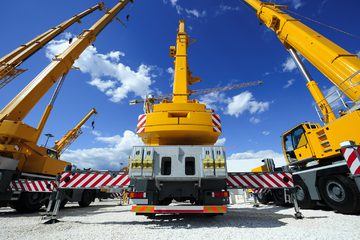
Across Australia, construction activity is being reshaped by population growth, infrastructure investment and a gradual shift toward denser urban environments. From transport corridors and renewable energy projects to residential towers and regional developments, the ability to lift, position and assemble materials efficiently has become a decisive factor in project success. Within this context, mobile crane hire and tower crane hire play a strategic role in enabling modern construction, while regional markets such as crane hire southern highlands illustrate how lifting solutions adapt to local development patterns.
Far from being a background consideration, crane selection now influences construction methodology, safety planning and project economics. As projects grow more complex and regulatory expectations continue to rise, lifting infrastructure has become a lens through which broader changes in the Australian construction sector can be understood.
Lifting as a strategic construction function
Construction is fundamentally a logistics exercise. Materials must be delivered, staged and installed in precise sequences, often under tight time constraints and within restricted sites. In Australia, where labour costs are high and urban land is scarce, inefficiencies in lifting operations can have outsized consequences.
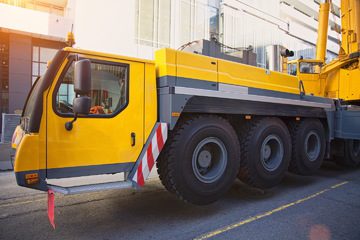
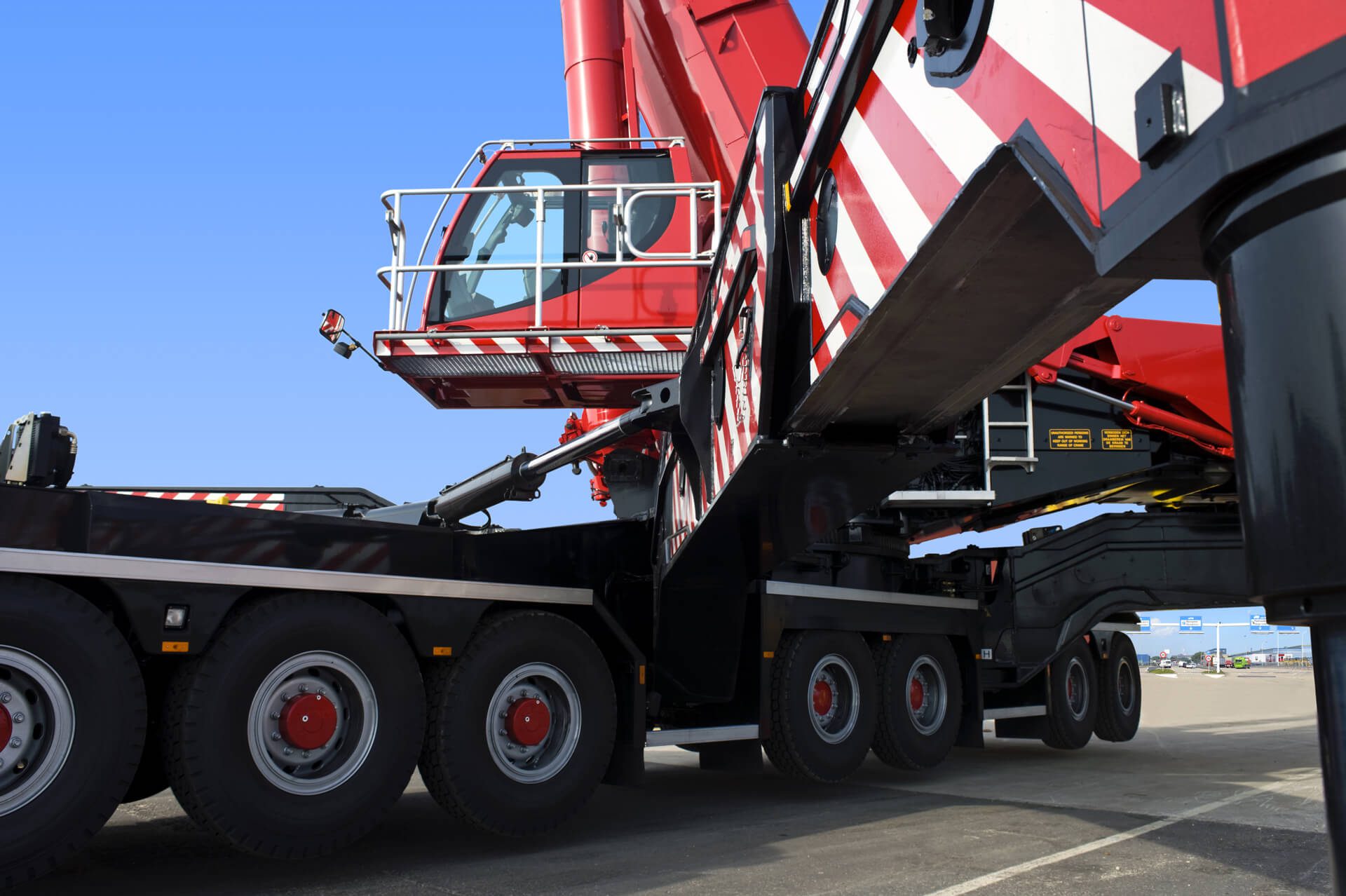
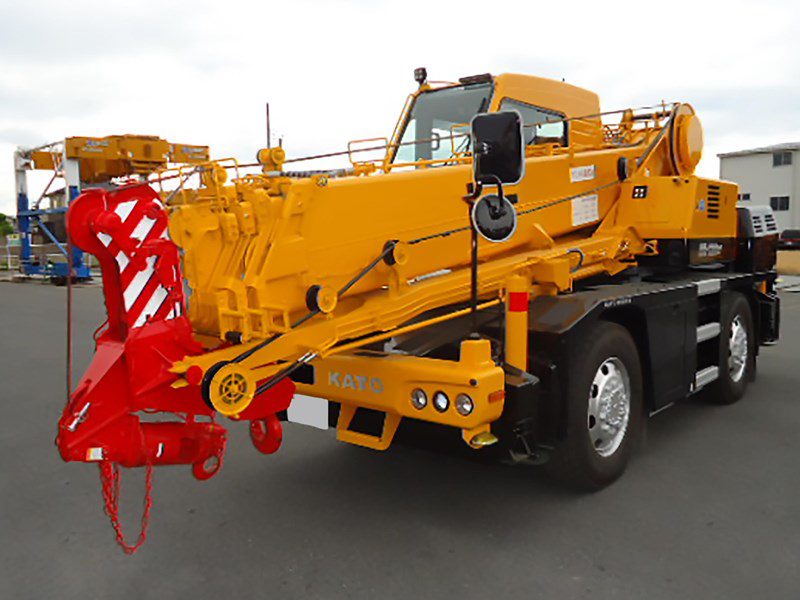
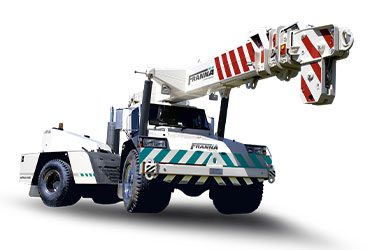
Mobile crane hire and tower crane hire respond to different logistical challenges. Mobile cranes provide flexibility, mobility and rapid deployment, making them well suited to infrastructure works, modular construction and short-duration lifts. Tower cranes, by contrast, offer sustained lifting capacity over long project timelines, supporting vertical construction in high-rise and dense urban settings. Together, these crane types underpin the delivery of much of Australia’s built environment.
Tower cranes and the rise of vertical development
The growth of high-density development has made tower crane hire a defining feature of Australian cityscapes. Planning constraints, transport-oriented development and housing demand have driven construction upward, particularly in metropolitan areas. Tower cranes are uniquely suited to this environment, providing consistent reach and lifting capacity across the footprint of a project for months or even years.
In high-rise residential and commercial developments, tower cranes support repetitive lifts of formwork, reinforcement, façade panels and mechanical systems. Their fixed position reduces the need for repeated equipment mobilisation and allows construction schedules to be tightly coordinated. In dense urban precincts, where space for ground-based equipment is limited, tower cranes also help minimise congestion at street level.
Technological improvements have strengthened the role of tower cranes in these environments. Modern systems incorporate real-time load monitoring, wind-speed sensors and anti-collision technology, enabling safer operation where multiple cranes share airspace. These features are increasingly important as urban sites become more compact and surrounded by occupied buildings.
Mobile cranes and infrastructure delivery
While tower cranes dominate vertical construction, mobile crane hire remains essential across Australia’s infrastructure landscape. Road and rail projects, bridges, utilities and energy installations demand lifting solutions that can be moved as work progresses. Mobile cranes offer this adaptability, allowing contractors to respond to changing site conditions without the need for permanent foundations.
In large infrastructure projects, mobile cranes are frequently used for placing precast bridge elements, installing signalling equipment or supporting maintenance works during limited access windows. Their ability to be configured for a wide range of lift capacities makes them particularly valuable in projects that involve varied loads and staged construction.
Mobile crane hire also plays a critical role in regional and peri-urban development. In areas such as the Southern Highlands, where projects are often dispersed and site conditions vary, mobile cranes provide the flexibility required to support commercial buildings, agricultural facilities and community infrastructure. Crane hire in the Southern Highlands reflects a broader pattern in regional Australia, where lifting solutions must balance capability with mobility across diverse sites.
Matching crane type to project context
Choosing between mobile and tower cranes is a strategic decision that depends on project duration, site constraints and lift frequency. Long-term, repetitive lifts at height typically favour tower crane hire, while shorter projects or those spread across multiple locations benefit from mobile crane hire.
Increasingly, projects combine both approaches. A tower crane may service the main structure of a building, while mobile cranes are used for plant installation, façade works or adjacent infrastructure. This hybrid model is common in mixed-use developments and urban renewal projects, where flexibility is required alongside sustained lifting capacity. The careful coordination of multiple crane types has become a core element of construction planning rather than an operational afterthought.
Safety and regulatory considerations
Australia’s work health and safety framework places significant emphasis on lifting operations. Cranes are classified as high-risk plant, and their use is governed by detailed regulations covering design, maintenance, operation and supervision. Compliance is not limited to equipment certification; it extends to operator training, lift planning and site communication.
Tower crane operations are subject to particularly stringent oversight due to their height and exposure to environmental factors. Wind management protocols, exclusion zones and regular structural inspections are standard practice. In dense urban areas, additional measures such as anti-collision systems and remote monitoring are increasingly expected to manage the risks associated with overlapping crane operations.
Mobile crane hire operates within a similarly robust regulatory environment. Ground bearing assessments, load charts and traffic management plans are essential, especially when cranes operate near live roads or rail lines. Regulators have consistently highlighted the importance of detailed lift studies and clear lines of responsibility among contractors, crane owners and operators.
Technology and evolving practices
Technological advancement is reshaping how cranes are integrated into construction workflows. Digital modelling tools allow lift paths and crane positions to be simulated before equipment arrives on site, reducing uncertainty and improving safety outcomes. These tools are particularly valuable in complex urban projects, where spatial constraints leave little margin for error.
Remote monitoring and data analytics are also becoming more prevalent. Sensors that track load behaviour, structural stress and environmental conditions provide operators and site managers with real-time information, supporting better decision-making. While these systems do not eliminate risk, they contribute to a more informed and controlled operating environment.
Sustainability considerations are beginning to influence crane selection as well. Energy-efficient drives, lower-noise operation and reduced emissions are increasingly relevant as construction sites operate closer to residential communities. Although cranes represent only one component of a project’s environmental footprint, incremental improvements align with broader industry efforts to reduce impact.
An enabling force in construction and urban growth
Cranes are often visible symbols of development, yet their strategic importance is not always fully appreciated. Mobile crane hire enables the delivery of essential infrastructure across vast and varied landscapes, from metropolitan transport corridors to regional centres. Tower crane hire supports the vertical growth that defines modern Australian cities, allowing construction to proceed efficiently within constrained urban environments. Regional markets, including crane hire in the Southern Highlands, demonstrate how lifting solutions adapt to local needs while remaining part of a national construction ecosystem.
As Australia continues to invest in housing, infrastructure and energy transition projects, the demand for safe, efficient and well-regulated lifting operations will remain strong. The evolution of crane technology and practice offers insight into how the construction sector is responding to broader economic, regulatory and urban pressures. In this sense, cranes are not merely tools of construction, but critical enablers of Australia’s built future.