Australia’s construction sector is navigating one of the most complex periods in its modern history. Population growth, housing shortages, transport investment and the reshaping of major cities are driving unprecedented demand for vertical and horizontal development at the same time. At the centre of this transformation is lifting technology. From compact sites in inner Sydney to sprawling infrastructure corridors across the east coast, crane selection has become a strategic decision that shapes productivity, safety and project feasibility.
In this environment, mobile crane hire, tower crane hire and more specialised solutions such as franna crane hire western sydney are no longer viewed simply as logistics choices. They are integral components of how modern Australian construction adapts to constrained sites, regulatory scrutiny and rising expectations around efficiency and safety.
The Expanding Role of Lifting Technology in Australian Construction
Australia’s cities are growing upward as much as outward. High-rise residential towers, mixed-use precincts and major transport hubs now define urban skylines, particularly in Sydney, Melbourne and Brisbane. At the same time, regional infrastructure investment continues to accelerate, with road, rail and energy projects stretching across vast distances.
This dual pattern of dense urban development and large-scale infrastructure has reshaped how cranes are deployed. The industry increasingly relies on a combination of mobile cranes for flexibility, tower cranes for sustained vertical lifting, and specialised units like franna cranes for confined or time-sensitive tasks. Rather than one-size-fits-all solutions, crane strategies are now tailored to site constraints, sequencing requirements and local regulatory conditions.
Mobile Crane Hire and the Need for Flexibility
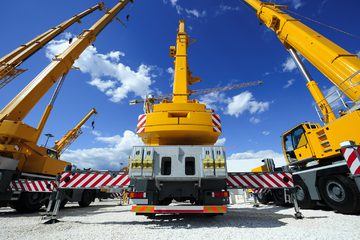
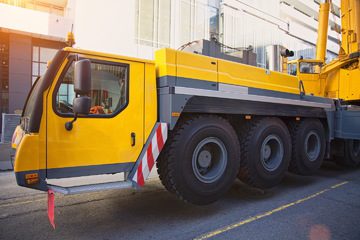
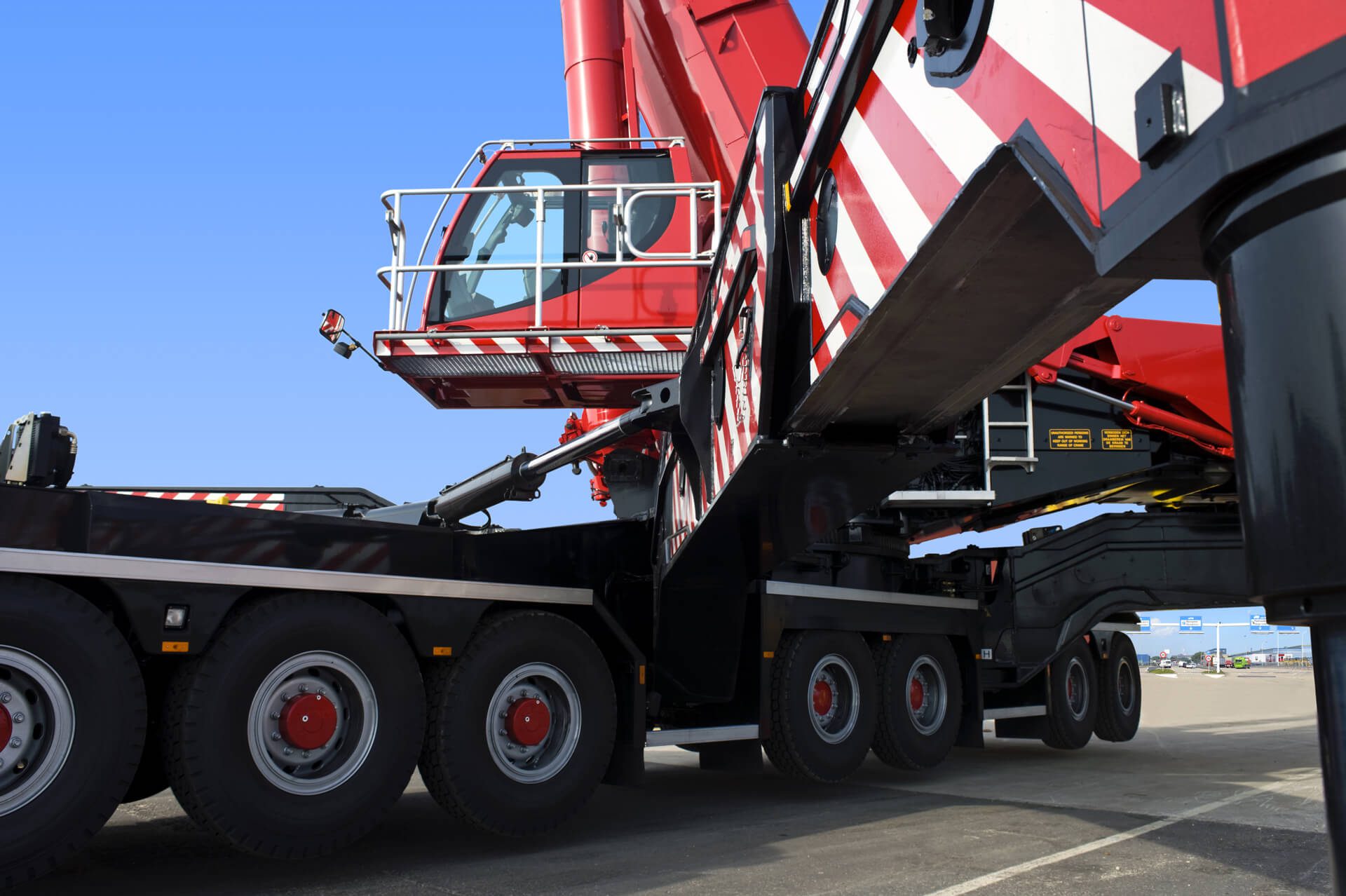
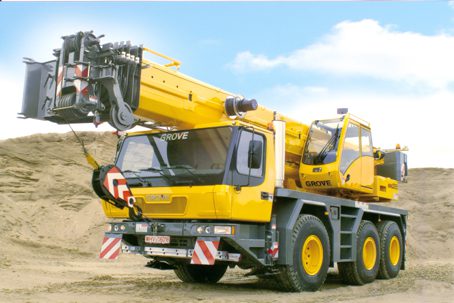
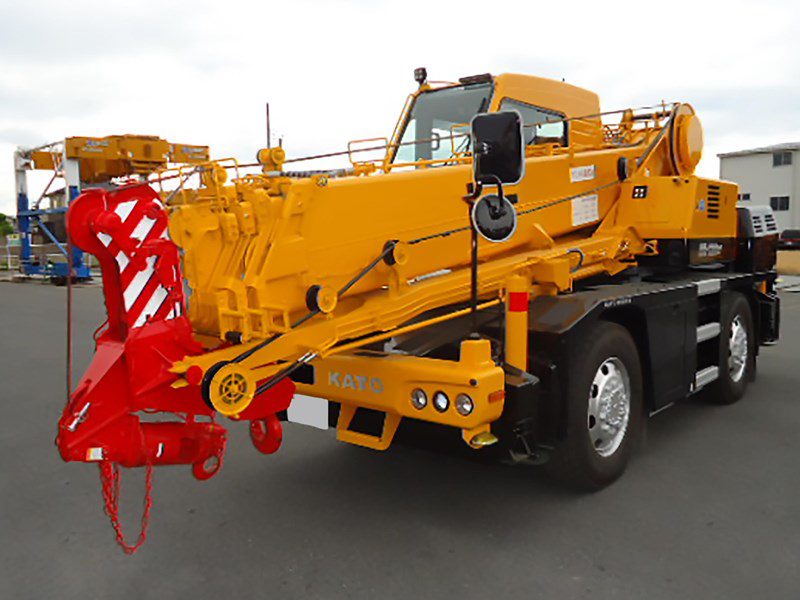
Mobile crane hire plays a critical role across Australia’s construction landscape because of its adaptability. Mounted on wheeled or all-terrain carriers, mobile cranes can be mobilised quickly, set up with minimal infrastructure and redeployed as project needs change. This makes them particularly valuable for infrastructure projects, precast installation and staged construction environments where lifting requirements evolve over time.
In road and rail projects, mobile cranes are often used for bridge beams, gantry components and plant installation. Their ability to operate across uneven terrain and relocate between work fronts supports the linear nature of infrastructure construction. In urban settings, mobile cranes are frequently deployed during early-stage works or for intermittent lifts that do not justify permanent crane installation.
The strategic value of mobile crane hire lies in its responsiveness. As projects face tighter timelines and increasing coordination challenges, the ability to scale lifting capacity up or down without long-term commitments has become a defining advantage.
Tower Crane Hire and Vertical Urban Growth
Tower crane hire remains the backbone of high-rise construction in Australia’s major cities. As buildings grow taller and sites become more constrained, tower cranes provide the sustained lifting capability required to support concrete pours, façade installation and material handling over extended periods.
In dense urban environments, tower cranes are often erected early and remain in place for the duration of a project. Their fixed location and long reach allow materials to be delivered directly to work faces, reducing reliance on ground-level logistics in areas where space is scarce. This is particularly relevant in central business districts, where street closures and storage areas are heavily restricted.
Modern tower crane hire also reflects advances in engineering and planning. Luffing jib configurations, higher load capacities and sophisticated anti-collision systems have expanded the range of projects that tower cranes can support. As Australian cities continue to densify, these cranes are becoming essential infrastructure rather than temporary equipment.
Franna Cranes and Precision in Constrained Sites
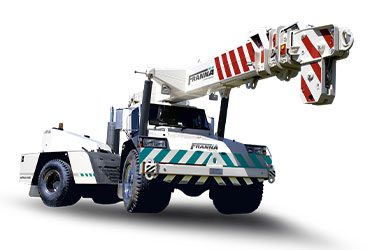
Franna cranes occupy a distinct niche within Australia’s lifting ecosystem. As pick-and-carry cranes, they combine mobility with lifting capability, allowing loads to be transported short distances without the need for outriggers. This makes them particularly effective in confined or operational environments.
In regions such as western Sydney, where industrial developments, logistics hubs and brownfield redevelopments are common, franna crane hire western sydney has become closely associated with efficient site operations. These cranes are frequently used for plant relocation, steel erection and maintenance work where space and time constraints limit the practicality of larger cranes.
Their strategic value lies in precision and efficiency. By reducing the need for multiple pieces of equipment and minimising setup times, franna cranes support productivity in environments where downtime carries significant cost implications.
Comparing Crane Types Across Project Categories
Infrastructure projects tend to prioritise mobility and reach, making mobile cranes the preferred option for many tasks. Their ability to travel between locations aligns with the dispersed nature of road, rail and utility construction. Tower cranes may still play a role in major stations or tunnel portals, but mobility remains the dominant requirement.
High-rise developments, by contrast, rely heavily on tower crane hire. The vertical nature of these projects demands consistent lifting capacity over long durations, something mobile cranes cannot provide efficiently once buildings reach a certain height. Supplementary mobile or franna cranes may still be used for specific tasks, but the tower crane is central to project delivery.
In dense urban and industrial sites, particularly those undergoing redevelopment, a hybrid approach is common. Franna cranes handle internal movements and precision lifts, mobile cranes address intermittent heavy lifts, and tower cranes support ongoing vertical construction. This layered strategy reflects the increasing complexity of Australian construction environments.
Safety Standards and Regulatory Oversight
Australia’s crane operations are governed by rigorous safety frameworks designed to manage the risks inherent in lifting activities. Work Health and Safety legislation at both state and federal levels sets out clear obligations for crane owners, operators and principal contractors.
Licensing requirements for crane operators, regular equipment inspections and documented lift planning are central components of compliance. In cities like Sydney, additional local regulations govern crane oversailing, erection and dismantling, particularly where public spaces are affected.
The emphasis on safety has also influenced crane selection. Advanced load monitoring systems, wind-speed sensors and automated shutdown features are now standard expectations rather than optional enhancements. These technologies not only reduce risk but also provide data that supports better planning and accountability.
Technological Advancements Shaping the Sector
Technology is reshaping crane operations in ways that extend beyond mechanical performance. Digital planning tools allow crane placement and lift sequences to be modelled in three dimensions, reducing clashes and improving coordination with other trades. Telematics systems provide real-time data on utilisation, maintenance needs and operating conditions.
Remote operation and semi-automated functions are also gaining traction, particularly in tower crane applications. While widespread adoption remains gradual, these innovations point toward a future where lifting operations are more predictable, efficient and integrated into broader digital construction ecosystems.
A Strategic Asset in Urban Development
As Australia continues to invest in housing, transport and industrial capacity, cranes will remain central to how these ambitions are realised. Mobile crane hire, tower crane hire and specialised solutions such as franna crane hire western sydney illustrate how lifting technology has evolved from a support function into a strategic asset.
The challenge for the industry lies in aligning crane selection with project objectives, regulatory requirements and community expectations. In an era of heightened scrutiny and constrained urban space, the cranes that shape Australia’s skylines are also shaping the future of its cities.