Australia’s construction and infrastructure sector is undergoing a profound transformation. Rapid population growth, sustained public investment, and the steady densification of major metropolitan areas are reshaping how cities are planned and built. At the centre of this evolution sits a familiar yet increasingly sophisticated piece of equipment: the construction crane. From major transport corridors to high-rise residential towers, the strategic deployment of mobile crane hire and tower crane hire has become fundamental to delivering complex projects safely, efficiently, and within increasingly constrained urban environments. Nowhere is this more evident than in fast-growing regions such as Western Sydney, where city crane hire western sydney has emerged as a critical enabler of large-scale urban development.
The Expanding Role of Cranes in Australian Construction
Cranes have long been essential to construction, but their role in modern Australia extends far beyond simple lifting. Today’s projects demand precision logistics, tight scheduling, and the ability to operate safely in close proximity to existing buildings, transport networks, and communities. As cities expand vertically and infrastructure projects become larger and more integrated, crane planning is increasingly treated as a strategic discipline rather than a purely operational concern.
In metropolitan areas, cranes often determine the sequencing of construction, influence site layout, and shape how materials flow through a project. This is particularly true in dense urban precincts, where limited access and space constraints require careful coordination. In these settings, city crane hire western sydney reflects a broader trend: cranes are no longer peripheral assets but central components of urban construction strategy.
Mobile Crane Hire and Infrastructure Delivery
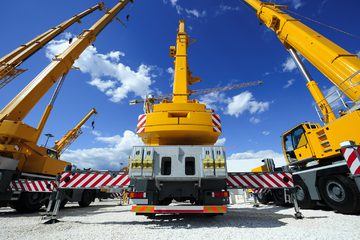
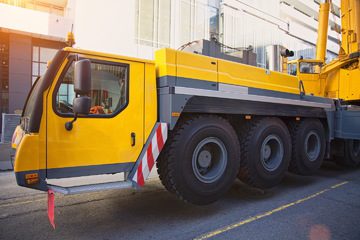
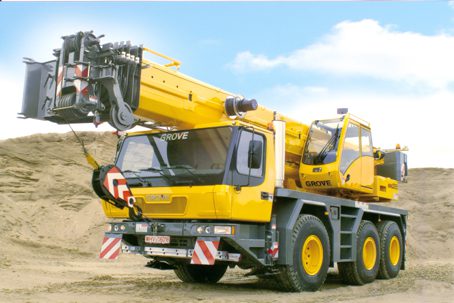
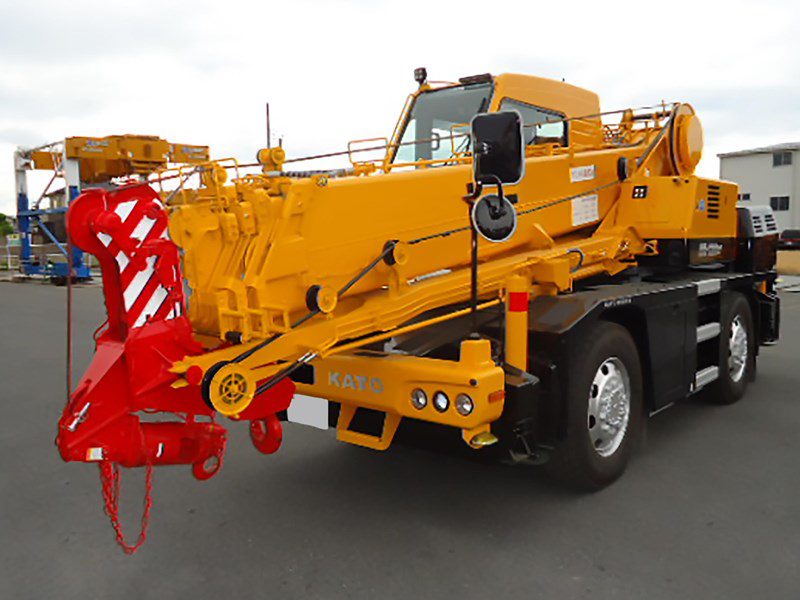
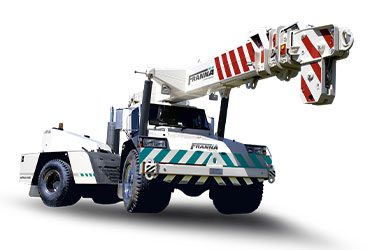
Mobile crane hire plays a distinct and versatile role across Australia’s infrastructure landscape. Mounted on wheeled or tracked carriers, mobile cranes are valued for their flexibility and speed of deployment. They are commonly used in road and rail projects, bridge construction, utility installations, and maintenance works, where lifts are intermittent or spread across multiple locations.
In Western Sydney’s expanding transport network, mobile cranes are frequently deployed for tasks such as installing precast bridge beams, positioning large drainage components, or supporting station upgrades. Their ability to be rapidly mobilised and repositioned makes them particularly well suited to linear infrastructure projects that span wide geographic areas.
Mobile crane hire also supports urban renewal projects where temporary lifting capacity is required without the long-term footprint of fixed equipment. As infrastructure spending continues across Australia, mobile cranes remain a critical tool for balancing efficiency with adaptability.
Tower Crane Hire and Vertical Urban Growth
While mobile cranes dominate horizontal infrastructure, tower crane hire has become synonymous with Australia’s vertical expansion. High-rise residential, commercial, and mixed-use developments rely on tower cranes for sustained lifting capacity over extended construction periods. These cranes provide the height, reach, and load capacity necessary to move materials efficiently across tall and densely built sites.
In city centres and emerging high-density precincts, tower cranes often operate for months or years, shaping skylines as they support structural works, façade installation, and internal fit-outs. Their fixed position allows for predictable lifting cycles, which is essential for managing complex construction schedules.
In regions like Western Sydney, where urban density is increasing alongside population growth, tower crane hire reflects the shift toward taller buildings and more intensive land use. These cranes enable developers to maximise site potential while maintaining productivity in constrained environments.
Cranes in Dense Urban Environments
Dense urban construction presents unique challenges that influence crane selection and operation. Limited ground space, proximity to neighbouring buildings, and strict noise and safety requirements all shape how cranes are used. In such contexts, the choice between mobile crane hire and tower crane hire is often determined by site geometry and project duration.
Mobile cranes may be used during early construction phases or for specific lifts where flexibility is required. Tower cranes, by contrast, provide long-term lifting solutions that minimise the need for repeated equipment movements. In Western Sydney’s rapidly intensifying suburbs, city crane hire western sydney reflects this hybrid approach, with projects often utilising both crane types at different stages.
The increasing complexity of urban sites has also driven greater emphasis on crane coordination, particularly where multiple cranes operate simultaneously. This coordination is critical to maintaining safety and avoiding delays in crowded airspace above construction zones.
Safety Standards and Regulatory Oversight
Safety remains a defining concern in crane operations across Australia. The country’s regulatory framework, guided by Safe Work Australia and enforced at the state level, imposes rigorous requirements on crane design, maintenance, and operation. Operators must be licensed, equipment must be regularly inspected, and lifting plans must account for load limits, wind conditions, and site-specific risks.
In urban areas, additional safeguards are often required to protect pedestrians, neighbouring properties, and adjacent infrastructure. These may include exclusion zones, oversailing agreements, and detailed traffic management plans. For projects relying on mobile crane hire or tower crane hire, compliance with these standards is not optional but integral to project viability.
The emphasis on safety has also influenced how cranes are integrated into project planning. Early engagement between engineers, builders, and crane specialists is increasingly common, reflecting the recognition that safety outcomes are closely tied to upfront design decisions.
Technological Advancements in Crane Operations
Technological innovation is reshaping crane operations across Australia. Modern cranes are equipped with advanced load monitoring systems, anti-collision technology, and real-time data analytics that enhance both safety and efficiency. These systems help operators manage complex lifts, avoid conflicts with other equipment, and respond quickly to changing site conditions.
Digital planning tools now allow crane operations to be modelled in three dimensions, enabling project teams to simulate lifts and identify potential risks before construction begins. This is particularly valuable in dense urban projects, where spatial constraints leave little margin for error.
Automation and remote monitoring are also gaining traction, offering new ways to improve productivity and reduce operator fatigue. As these technologies become more widespread, they are likely to further elevate the strategic importance of crane selection and management in Australian construction.
Cranes and the Future of Urban Development
Looking ahead, cranes will continue to play a central role in shaping Australia’s cities. Population growth, housing demand, and infrastructure investment suggest that construction activity will remain strong, particularly in growth corridors such as Western Sydney. In this context, city crane hire western sydney is emblematic of a broader national trend toward more complex, vertically integrated urban development.
The ongoing evolution of mobile crane hire and tower crane hire reflects the industry’s response to these challenges. Flexibility, precision, and safety are no longer competing priorities but interconnected requirements. As projects grow in scale and complexity, the cranes that support them are becoming more advanced, more specialised, and more deeply embedded in the planning process.
For industry professionals and policymakers alike, understanding the strategic role of cranes offers valuable insight into how Australia builds its cities. These towering machines are not merely tools of construction; they are indicators of economic growth, urban ambition, and the technical sophistication required to deliver the next generation of infrastructure.