Australia’s construction sector is undergoing a profound transformation, shaped by rapid urbanisation, infrastructure renewal, and the pressures of building in increasingly constrained environments. From major transport corridors to high-density residential towers, cranes have become both a practical necessity and a visible symbol of national development. Within this landscape, mobile crane hire, tower crane hire, and luffing crane hire play distinct yet interconnected roles, enabling projects to progress safely, efficiently, and in compliance with Australia’s stringent regulatory framework.
While cranes have long been integral to construction, their strategic importance has intensified as Australian cities grow vertically and infrastructure projects expand in scale and complexity. Understanding how different crane types are deployed, regulated, and technologically enhanced offers insight into how modern construction adapts to urban and environmental realities.
Mobile Crane Hire and Infrastructure Flexibility
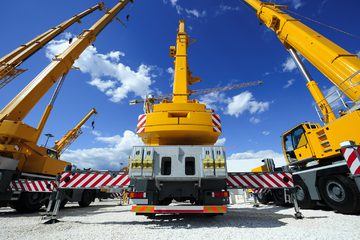
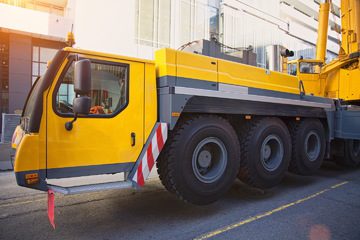
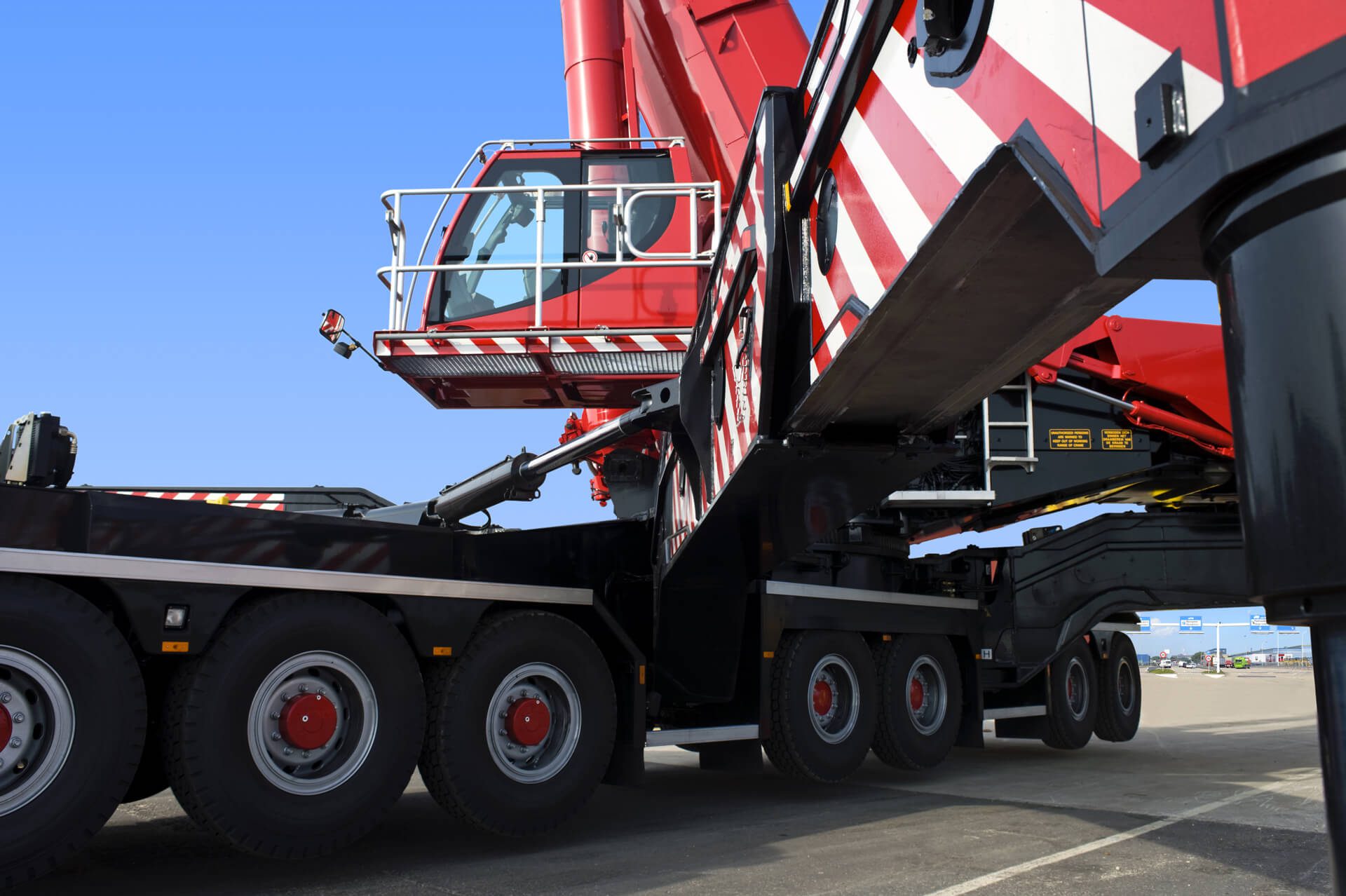
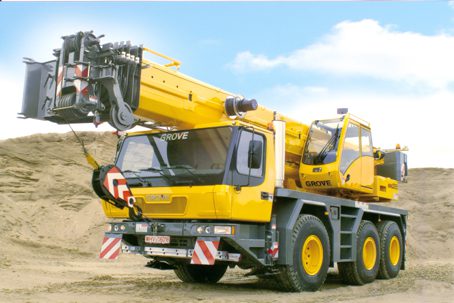
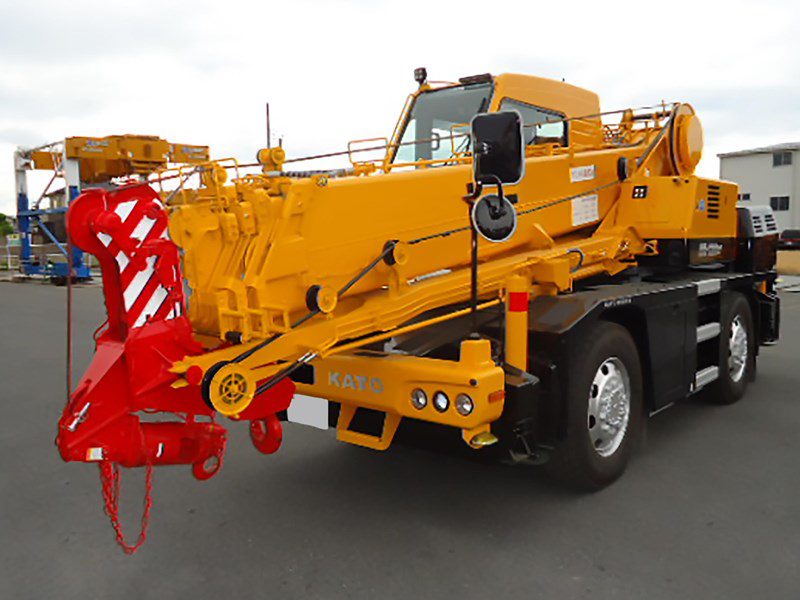
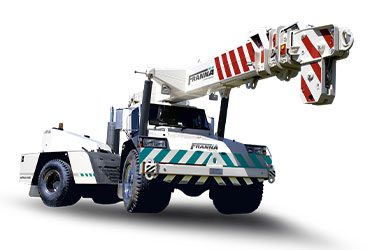
Mobile cranes remain the most versatile lifting solution across Australia’s construction and infrastructure projects. Mounted on wheeled or tracked carriers, these cranes are designed for rapid deployment and relocation, making them particularly valuable in projects with evolving site conditions or tight schedules. Mobile crane hire is widely used in road and rail construction, bridge works, industrial maintenance, and energy infrastructure, where lifting requirements are intermittent rather than continuous.
Australia’s expansive geography and decentralised infrastructure development amplify the relevance of mobile cranes. Regional transport upgrades, wind farm installations, and port expansions often rely on mobile crane hire due to its logistical flexibility and reduced setup time. Unlike fixed crane systems, mobile cranes can move between sites without dismantling, supporting projects that span long distances or multiple work zones.
In urban environments, mobile cranes are frequently used for short-term lifts, such as installing prefabricated components or mechanical systems. Their adaptability allows contractors to respond to narrow access points and temporary road closures, which are common in city centres. This flexibility, however, comes with strict safety obligations, as mobile crane operations must account for ground conditions, proximity to live traffic, and overhead services.
Tower Crane Hire and Vertical Construction
As Australia’s major cities continue to densify, tower crane hire has become central to high-rise and large-scale developments. Tower cranes provide the height and lifting capacity required for multi-storey residential towers, commercial precincts, and mixed-use developments that define urban skylines in Sydney, Melbourne, and Brisbane.
Unlike mobile cranes, tower cranes are fixed installations designed to operate continuously over extended periods. Their ability to lift heavy loads to significant heights with precision makes them indispensable for vertical construction. Tower crane hire supports the efficient movement of materials across large sites, reducing reliance on ground-level logistics in areas where space is limited.
The growth of apartment living and urban renewal projects has increased the number of tower cranes operating within close proximity to existing buildings and public spaces. This concentration has placed greater emphasis on planning and coordination, as crane placement must consider oversailing risks, wind conditions, and interaction with neighbouring sites. In Australia, these considerations are governed by a combination of national standards and state-based regulations, requiring detailed lift studies and engineering assessments before installation.
Tower cranes also reflect broader shifts in construction methodology. The rise of modular and prefabricated building components has increased demand for cranes capable of precise, repetitive lifts. Tower crane hire enables these methods by supporting predictable lifting cycles that align with modern project management practices.
Luffing Crane Hire in Dense Urban Settings
In the most constrained urban environments, luffing crane hire has emerged as a specialised solution. Luffing cranes are a variant of tower cranes distinguished by their ability to raise and lower the jib, rather than rotating a fixed horizontal boom. This feature allows them to operate in areas where airspace is restricted, such as city centres with multiple adjacent developments.
Australian cities increasingly rely on luffing cranes as construction sites become more congested. In districts undergoing simultaneous redevelopment, the ability to control crane radius is critical to avoiding oversail conflicts and maintaining safety. Luffing crane hire is particularly common in inner-city high-rise projects, where multiple cranes may operate within a limited footprint.
The technical demands of luffing cranes require a higher level of planning and operator expertise. Their complex movement patterns and sensitivity to wind conditions necessitate advanced control systems and rigorous training. As a result, luffing cranes are often associated with projects that prioritise precision and risk mitigation over speed of installation.
Safety Standards and Regulatory Oversight
Safety remains a defining concern across all crane operations in Australia. The country’s work health and safety framework imposes comprehensive obligations on crane owners, operators, and site managers. Standards governing design, inspection, maintenance, and operation are enforced through a combination of national codes and state-based regulators.
For mobile crane hire, safety considerations include load stability, ground bearing pressure, and exclusion zones around lifting operations. Tower crane hire introduces additional risks related to height, weather exposure, and structural integrity over long-term use. Luffing crane hire further compounds these challenges, requiring careful management of jib movement and interaction with surrounding structures.
Regulatory compliance is supported by mandatory licensing and certification for crane operators, as well as detailed documentation such as lift plans and risk assessments. These requirements reflect the recognition that crane-related incidents can have severe consequences in densely populated areas. The regulatory environment also evolves in response to industry trends, incorporating lessons from incidents and technological advances.
Technological Advancements and Operational Efficiency
Technological innovation is reshaping how cranes are used and managed across Australia. Modern cranes increasingly integrate digital systems that enhance safety, efficiency, and oversight. Load monitoring devices, wind sensors, and anti-collision systems are now standard features in many tower and luffing cranes, reducing reliance on manual judgement alone.
Remote diagnostics and data collection have also become more prevalent, allowing operators and engineers to monitor crane performance in real time. These systems support predictive maintenance, helping to identify potential issues before they lead to downtime or safety risks. In the context of mobile crane hire, advances in telematics enable better fleet management and compliance tracking across multiple sites.
Automation and semi-automation are gradually influencing crane operations, particularly in repetitive lifting tasks. While full automation remains limited, these developments point to a future where cranes are increasingly integrated into digital construction ecosystems, aligning with broader trends such as building information modelling and smart infrastructure.
Cranes and the Future of Australian Cities
The strategic role of cranes in Australian construction extends beyond individual projects. Mobile crane hire, tower crane hire, and luffing crane hire collectively support the nation’s ability to adapt to demographic growth, housing demand, and infrastructure investment. Each crane type addresses specific challenges, from regional flexibility to vertical density and urban congestion.
As cities continue to evolve, the visibility of cranes on the skyline underscores the scale of transformation underway. Their presence reflects not only economic activity but also the complex interplay of engineering, regulation, and technology that defines modern construction. In this sense, cranes are more than tools; they are enablers of Australia’s urban future, shaping how the built environment responds to the demands of a changing society.