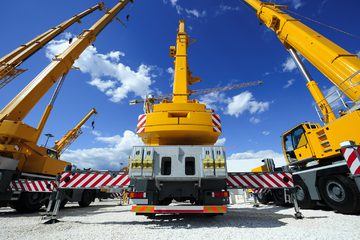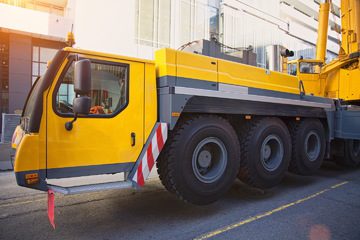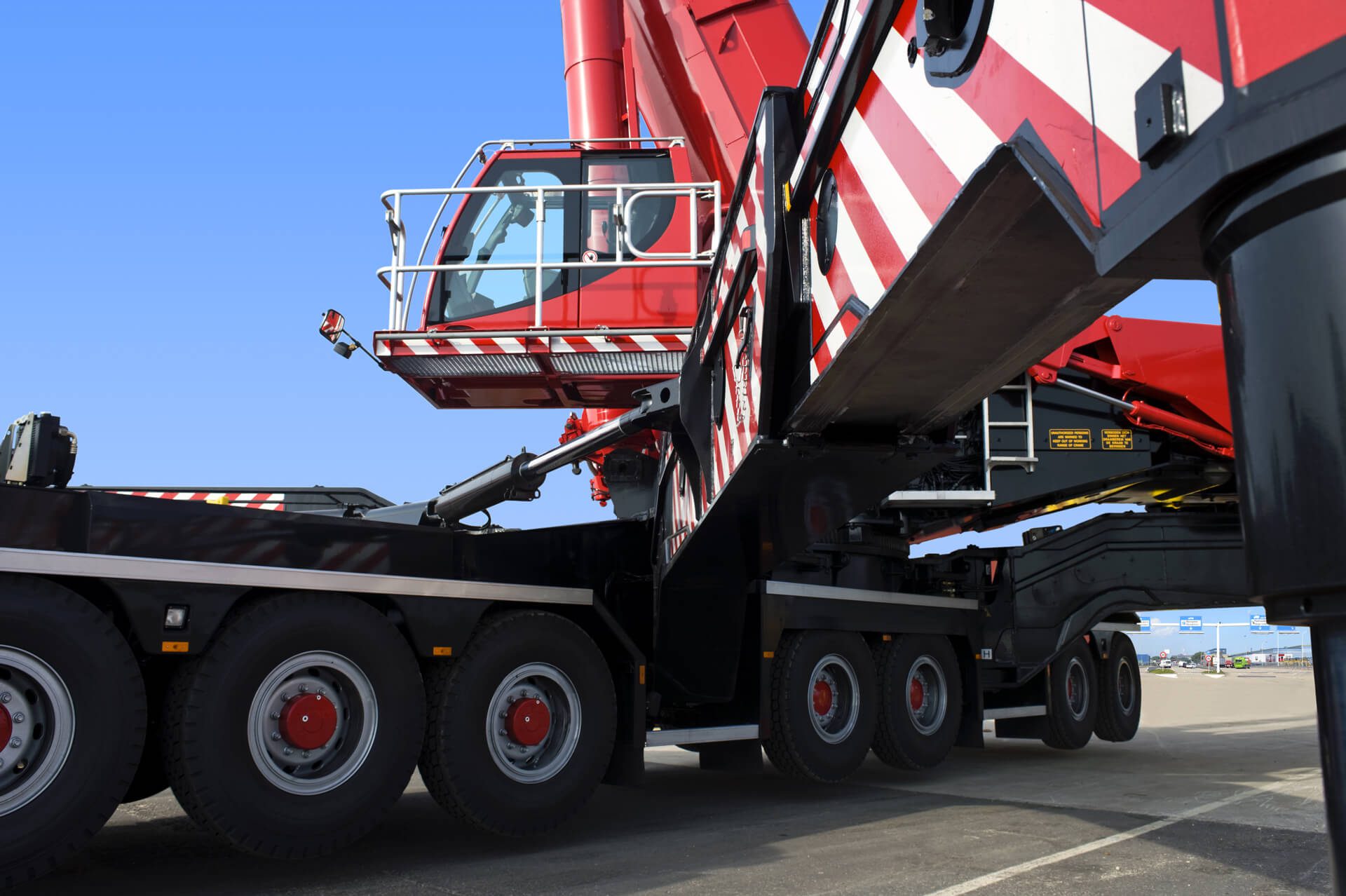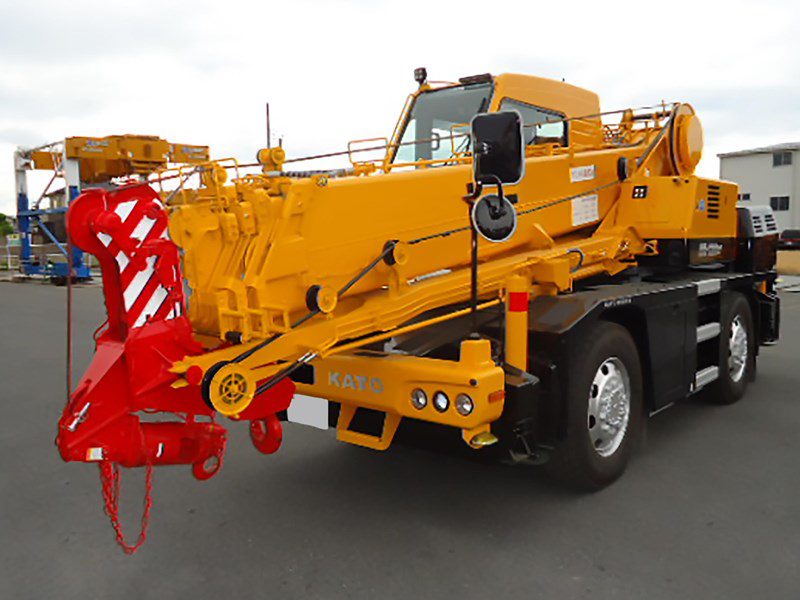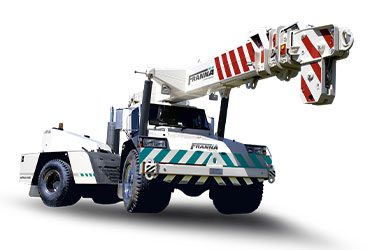
The Australian construction sector is undergoing a period of rapid transformation. Urban densification, infrastructure investment, sustainability goals, and technological innovation are reshaping how projects are planned and delivered. As these trends accelerate, lifting solutions must adapt accordingly. While large-scale developments continue to rely on tower cranes, many emerging construction patterns are significantly increasing demand for mobile crane hire as a flexible, cost-effective, and responsive lifting solution that complements tower crane hire across diverse project types.
Urban Densification and Mixed-Use Developments
Major cities across Australia are experiencing sustained population growth, particularly in metropolitan and peri-urban regions. This has driven a rise in high-density residential buildings, mixed-use developments, and infill projects on constrained sites. In such environments, permanent lifting infrastructure is not always practical.
Tower crane hire remains essential for vertical construction in high-rise developments, but mobile cranes play a critical supporting role. They are frequently used for site establishment, initial material handling, façade installation, plant positioning, and final demobilisation once the tower crane is removed. In dense urban locations, such as inner-city commercial precincts and residential corridors, the ability to mobilise quickly and operate within tight access constraints makes mobile cranes indispensable.
Infrastructure Expansion and Public Works Projects
Government-backed investment in transport, utilities, healthcare, and education infrastructure continues to drive construction activity nationwide. Projects such as rail upgrades, bridge construction, road expansions, and renewable energy installations often span large geographic areas and involve varied lifting requirements.
Unlike tower crane hire, which is generally tied to a fixed position for the duration of a project, mobile crane hire offers the mobility needed for linear and multi-site infrastructure works. Cranes can be relocated as work progresses, supporting tasks such as beam placement, precast installation, and heavy equipment lifts. This adaptability is particularly valuable on infrastructure projects where timelines are tight and work zones change frequently.
Growth in Modular and Prefabricated Construction
Prefabrication and modular construction are gaining strong momentum in Australia as builders seek to improve quality control, reduce waste, and accelerate project delivery. Large components are increasingly manufactured off-site and transported to site for installation.
This trend has a direct impact on lifting requirements. Modular elements often require precise, high-capacity lifts within short time windows. Mobile crane hire is ideally suited to these conditions, offering the reach, lifting capacity, and setup speed needed to place prefabricated units efficiently. On projects that also utilise tower crane hire, mobile cranes are commonly engaged to handle oversized modules or perform tandem lifts that exceed the tower crane’s optimal operating range.
Demand for Faster Project Delivery
Across both public and private sectors, there is growing pressure to reduce construction timelines. Developers, contractors, and asset owners are prioritising methods that minimise downtime and improve workflow efficiency.
Mobile crane hire supports this objective by enabling rapid mobilisation and demobilisation. Cranes can be deployed for short-term or one-off lifts without the extended setup period associated with tower cranes. This is particularly valuable during critical path activities such as structural steel erection, plant installation, or emergency replacements. In many cases, mobile cranes are used strategically alongside tower crane hire to eliminate bottlenecks and keep projects moving.
Technological Advancements in Crane Equipment
Advances in crane technology are also driving increased adoption of mobile crane solutions. Modern mobile cranes are equipped with sophisticated load monitoring systems, improved safety features, enhanced reach, and higher lifting capacities than previous generations.
These innovations have expanded the scope of tasks that mobile cranes can safely perform, reducing reliance on fixed cranes for certain operations. While tower crane hire remains the backbone of large-scale vertical construction, contractors are increasingly leveraging advanced mobile cranes to handle complex lifts that require flexibility, precision, or rapid deployment.
Increased Focus on Safety and Risk Management
Safety performance is a critical priority in today’s construction environment. Project stakeholders are placing greater emphasis on risk mitigation, compliance, and safe work practices.
Mobile crane hire contributes to safer lifting operations by allowing lifts to be planned and executed with minimal site congestion. The ability to position cranes optimally for each lift reduces the need for risky manual handling or improvised solutions. When integrated effectively with tower crane hire, mobile cranes can reduce load sharing conflicts and improve overall site safety outcomes.
Regional Growth and Localised Construction Activity
Beyond capital cities, strong construction activity is evident in growing regional hubs and outer metropolitan areas. These projects often involve smaller crews, tighter budgets, and shorter timelines than major CBD developments.
In such contexts, mobile crane hire is often the most practical solution, either as a standalone lifting resource or in conjunction with short-term tower crane hire. Providers offering city crane hire northern sydney and surrounding regions are seeing increased demand from residential builders, commercial developers, and infrastructure contractors seeking reliable, locally supported crane services.
Sustainability and Reduced Environmental Impact
Sustainability considerations are increasingly influencing construction decision-making. Developers are seeking ways to reduce energy consumption, minimise waste, and lower the environmental footprint of their projects.
Mobile crane hire supports these goals by enabling efficient lift planning and reducing unnecessary equipment onsite. Shorter hire durations, targeted crane deployment, and reduced idle time all contribute to more sustainable construction operations. When used strategically alongside tower crane hire, mobile cranes help optimise resource utilisation across the project lifecycle.
Flexibility in an Uncertain Market
The construction market is subject to fluctuations in labour availability, material supply, and economic conditions. In this environment, flexibility is a valuable asset.
Mobile crane hire offers contractors the ability to scale lifting capacity up or down as project requirements change. This contrasts with long-term commitments often associated with tower crane hire. Many construction firms now adopt a hybrid approach, combining the stability of tower cranes with the adaptability of mobile cranes to manage uncertainty and maintain operational agility.
Conclusion
The growing demand for mobile crane hire is closely linked to broader construction trends shaping the Australian market. Urban densification, infrastructure investment, modular construction, safety priorities, and sustainability goals are all influencing how lifting solutions are deployed on modern job sites.
While tower crane hire remains essential for high-rise and large-scale developments, mobile cranes are increasingly recognised as a critical complement—providing flexibility, efficiency, and responsiveness across a wide range of construction scenarios. As these trends continue to evolve, contractors who strategically integrate mobile crane hire with tower crane hire will be best positioned to deliver projects safely, efficiently, and on schedule.