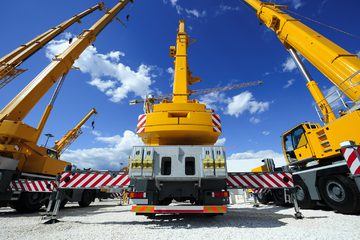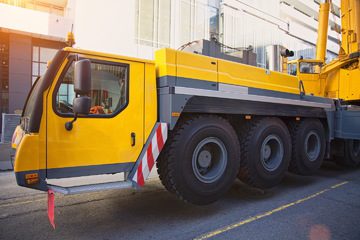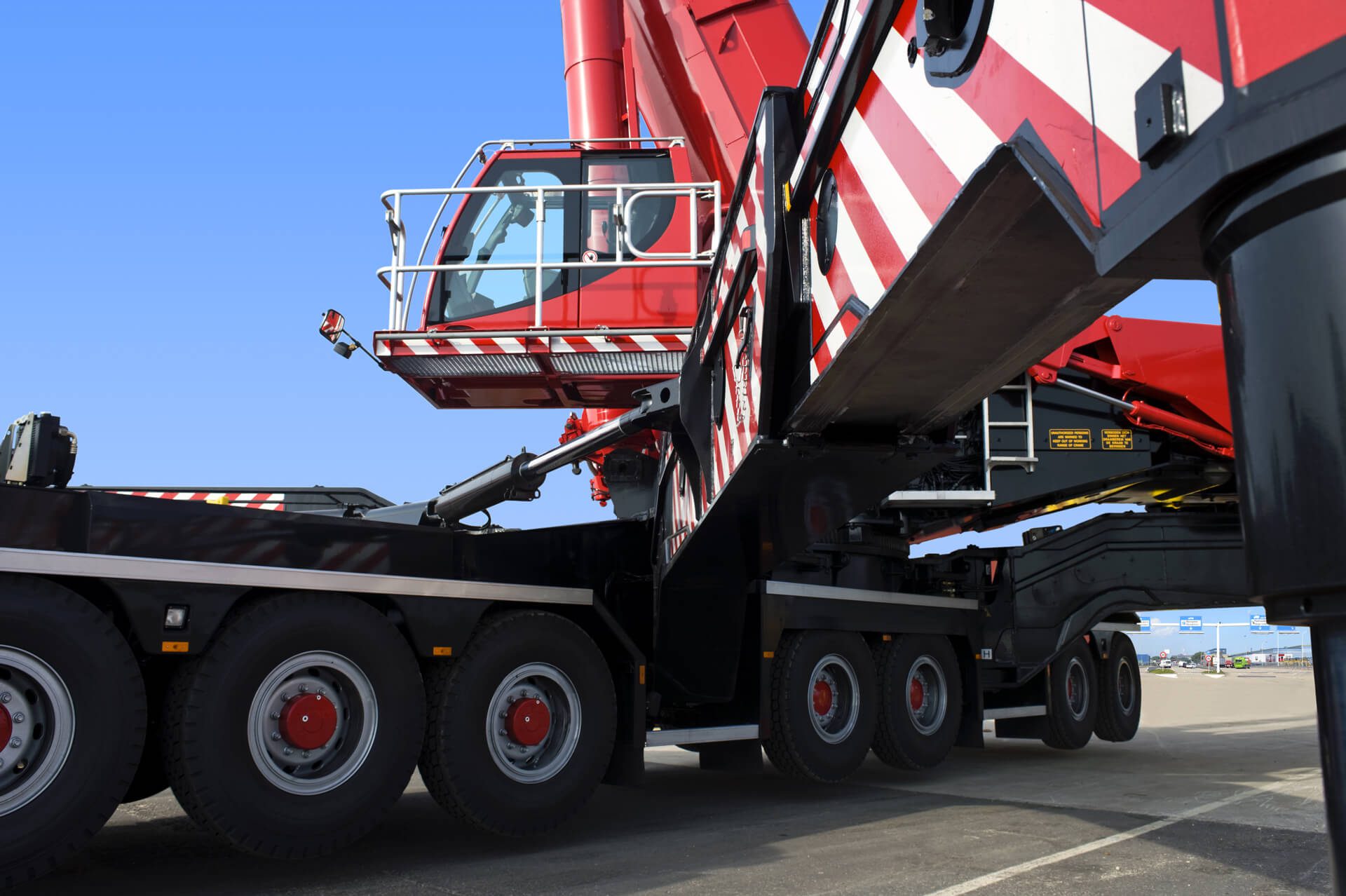
Large-scale construction projects demand precision, efficiency, and rigorous safety controls—especially when multiple cranes are operating simultaneously. From high-rise commercial developments to major infrastructure works, effective coordination of cranes is a critical success factor. With the increasing reliance on tower crane hire for complex builds, project teams must adopt structured planning, advanced technology, and collaborative workflows to manage multiple lifting assets without compromising safety or productivity.
The Growing Need for Multi-Crane Coordination
Modern construction sites are becoming denser and more vertically complex. Limited site footprints, tighter schedules, and overlapping work zones mean that multiple cranes often operate in close proximity. Tower cranes, mobile cranes, and specialty lifting equipment may all be required at different stages of a project. Coordinating these assets is not simply a logistical challenge—it is a risk management priority.
Improper coordination can lead to crane interference, load clashes, downtime, and serious safety incidents. As a result, developers and contractors increasingly rely on experienced tower crane hire providers who understand the operational demands of multi-crane environments and can support projects with both equipment and expertise.
Strategic Planning Before Crane Installation
Successful coordination begins long before the first crane is erected. During the pre-construction phase, project teams must conduct detailed site assessments and lifting studies. These evaluations consider building geometry, load paths, ground conditions, wind exposure, and neighbouring structures.
Crane positioning is particularly important when multiple tower cranes are involved. Jib lengths, hook heights, slewing radii, and overlap zones must be carefully calculated to avoid collisions. Crane hire specialists play a key role here, advising on crane models, configurations, and optimal placement to ensure seamless operation throughout the project lifecycle.
In regional and semi-urban developments, including areas serviced by crane hire southern highlands providers, early planning is equally critical. Projects in these locations often face access constraints and variable terrain, making crane coordination even more dependent on accurate upfront analysis.
Establishing Clear Crane Operating Protocols
Once cranes are installed, clear operating rules are essential. Every crane on site must operate under defined parameters that are understood by operators, dogmen, riggers, and site supervisors. These protocols typically include:
• Designated lifting zones for each crane
• Height and radius limitations to prevent overlap conflicts
• Priority rules when multiple cranes service shared areas
• Standardised communication procedures
For tower cranes, anti-collision systems are commonly integrated to provide real-time monitoring of crane movements. These systems automatically restrict crane motion if a collision risk is detected, significantly reducing reliance on manual judgement alone.
When supported by professional tower crane hire services, these systems are calibrated and maintained to suit the specific site layout and project stages.
The Role of Technology in Multi-Crane Management
Technology has transformed how large construction sites manage crane coordination. Advanced crane management software allows project teams to simulate lifting operations, identify risk zones, and adjust workflows before issues arise.
Key technological tools include:
• Anti-collision and zoning systems
• Load monitoring and data logging
• Remote diagnostics and performance tracking
• 3D lift planning and BIM integration
By integrating crane operations into the broader project management ecosystem, site managers gain greater visibility and control. This is particularly valuable on long-duration projects where crane configurations may change as the structure progresses.
Crane hire providers servicing diverse regions, including those offering crane hire southern highlands, increasingly invest in these technologies to support clients with safer and more efficient lifting operations.
Communication and Crew Coordination
Even with advanced systems in place, human coordination remains central to multi-crane success. Clear communication between crane operators, lift supervisors, and ground crews is essential, especially when cranes operate in overlapping airspace.
Dedicated lift coordinators are often appointed on large sites to oversee all crane-related activities. Their role includes scheduling lifts, managing conflicts, and ensuring that crane operations align with other site activities such as concrete pours, steel installation, and material deliveries.
Consistent training and site inductions help ensure that all personnel understand crane movements, exclusion zones, and emergency procedures. Experienced tower crane hire partners often provide operator training and on-site support to reinforce best practices.
Managing Changing Site Conditions
Construction sites are dynamic environments. As buildings rise and site layouts evolve, crane coordination strategies must adapt. Tower crane heights may be increased, jibs adjusted, or additional cranes introduced to meet program demands.
Regular reviews of crane coordination plans are essential. These reviews assess whether existing configurations remain suitable or if adjustments are required to maintain safety and efficiency. Weather conditions, particularly wind exposure at height, also influence crane operations and must be factored into daily planning.
In regions like the Southern Highlands, where weather variability can impact lifting schedules, working with a reliable crane hire southern highlands provider ensures that local conditions are understood and managed proactively.
Safety as the Foundation of Coordination
Safety underpins every aspect of multi-crane coordination. Regulatory compliance, risk assessments, and method statements must all reflect the complexity of operating multiple cranes on one site. Regular inspections, maintenance, and system testing are non-negotiable requirements.
Tower cranes, in particular, demand rigorous oversight due to their scale and reach. Partnering with reputable tower crane hire companies ensures that equipment meets Australian standards and that safety systems are fully functional throughout the hire period.
A strong safety culture not only protects workers but also reduces downtime, insurance exposure, and project delays.
The Value of an Experienced Crane Hire Partner
Coordinating multiple cranes is not solely the responsibility of the principal contractor. The expertise of the crane hire provider is a critical asset. From initial planning and crane selection to on-site support and ongoing optimisation, experienced providers add measurable value.
Whether operating in major metropolitan centres or regional markets supported by crane hire southern highlands specialists, the right partner brings local knowledge, technical capability, and proven systems that support complex lifting operations.
Conclusion
As construction projects grow in scale and complexity, the need for effective coordination of multiple cranes becomes increasingly important. Through strategic planning, advanced technology, disciplined communication, and strong safety frameworks, project teams can manage even the most demanding crane environments successfully.
By leveraging professional tower crane hire services and working with experienced regional providers, including those offering crane hire southern highlands, construction projects can achieve safer operations, improved efficiency, and greater certainty in delivery timelines. Coordinated crane management is no longer optional—it is a cornerstone of modern construction excellence.