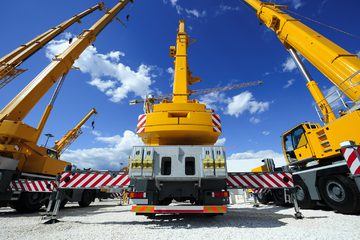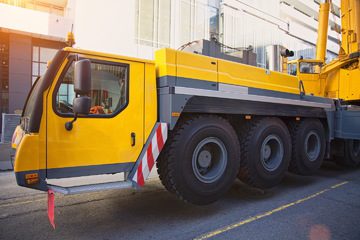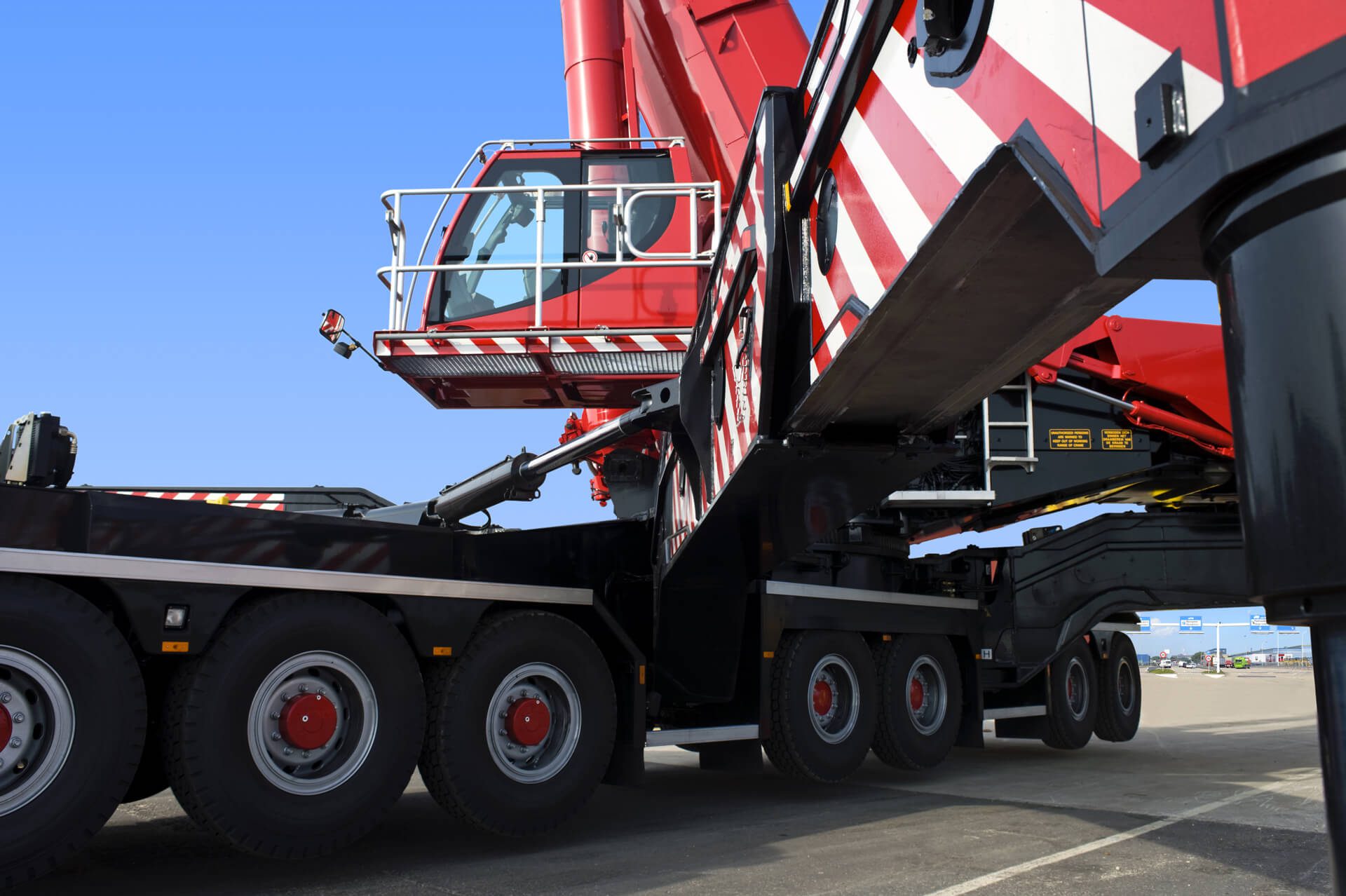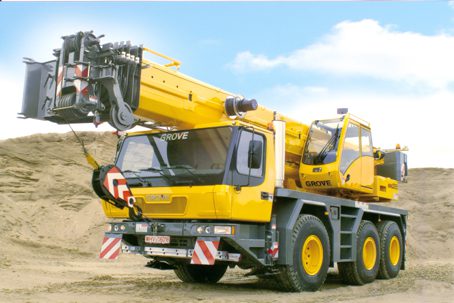
In today’s construction environment, long-term efficiency is no longer optional—it is a competitive requirement. Projects are larger, timelines are tighter, and cost overruns can significantly impact profitability. One of the most strategic decisions influencing construction efficiency is crane planning. While tower cranes are essential for vertical construction, integrating mobile crane hire into long-term project strategies delivers measurable gains in productivity, flexibility, and cost control. When combined with specialised solutions such as luffing crane hire, contractors can optimise lifting operations across every stage of a project lifecycle.
The Role of Tower Cranes in Modern Construction
Tower cranes are indispensable for high-rise and large-scale developments. Their ability to lift heavy materials to significant heights makes them central to structural work, façade installation, and vertical material movement. Once erected, tower cranes provide consistent lifting capacity and coverage across a defined radius, supporting repetitive tasks throughout the construction phase.
However, tower cranes are fixed assets once installed. This limitation means they perform best when supported by complementary lifting solutions. This is where mobile crane hire plays a critical role in ensuring overall site efficiency, particularly during early-stage setup, peak-load periods, and project transitions.
Mobile Crane Hire as a Long-Term Efficiency Enabler
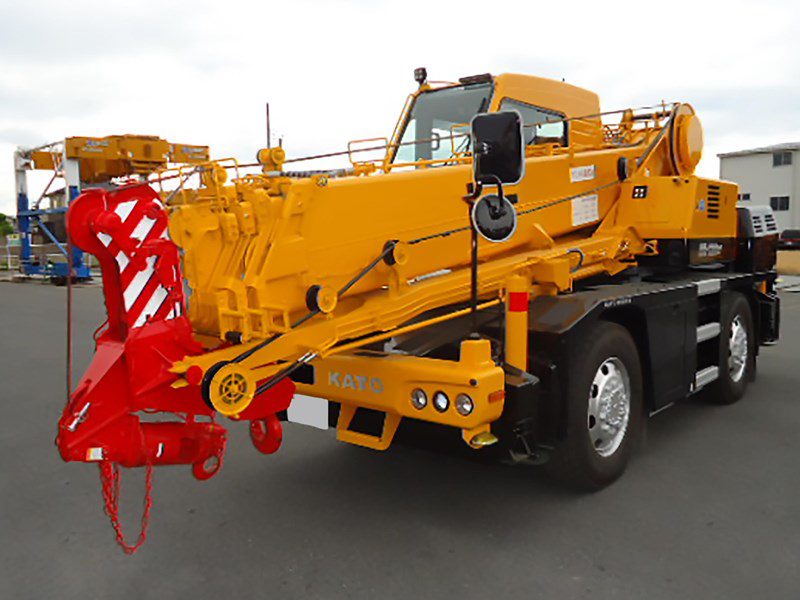
While often associated with short-term lifts, mobile crane hire is increasingly used as a strategic component of long-term construction planning. Mobile cranes provide unmatched flexibility, allowing contractors to respond quickly to changing site demands without the downtime associated with fixed equipment.
From tower crane erection and dismantling to handling oversized or off-radius lifts, mobile cranes fill operational gaps that tower cranes cannot. Their ability to move between locations on-site or across multiple projects ensures optimal asset utilisation while reducing idle time.
Over the lifespan of a construction project, this adaptability translates into faster workflows, reduced delays, and improved coordination between trades.
Enhancing Vertical Projects with Luffing Crane Hire
On dense urban sites or restricted footprints, luffing crane hire becomes essential for maintaining efficiency. Luffing cranes are designed with adjustable jib angles, allowing them to operate safely in confined airspace and close proximity to neighbouring structures.
When integrated into a tower crane strategy, luffing cranes significantly reduce slewing conflicts and oversail risks. This results in safer operations, fewer stoppages, and improved scheduling reliability—key factors in long-term construction efficiency.
For projects with multiple cranes operating simultaneously, luffing crane hire supports higher productivity by enabling precise load placement without compromising surrounding site operations.
Reduced Downtime Through Strategic Crane Integration
Downtime is one of the most costly inefficiencies in construction. Equipment delays, lift bottlenecks, and crane congestion can cascade into significant schedule overruns. By combining tower cranes with mobile crane hire, contractors create redundancy and operational resilience.
Mobile cranes can be deployed rapidly to handle lifts during tower crane maintenance, peak activity periods, or unexpected logistical challenges. This ensures critical lifts proceed without interruption, protecting the overall construction timeline.
In long-term projects, this proactive approach to crane planning directly supports consistent progress and predictable delivery outcomes.
Cost Efficiency Over the Project Lifecycle
Hiring cranes rather than owning them offers substantial financial advantages, particularly for long-duration projects. Mobile crane hire eliminates capital expenditure, depreciation, storage costs, and long-term maintenance liabilities. Contractors pay only for the capacity they need, when they need it.
Similarly, luffing crane hire allows developers to access advanced lifting technology without committing to ownership. This flexibility supports scalable operations, especially as project requirements evolve from excavation and structure to façade and fit-out stages.
By aligning crane hire strategies with project phases, construction firms improve cash flow management while maintaining high operational efficiency.
Supporting Safer and More Productive Worksites
Long-term efficiency is inseparable from safety performance. Well-planned crane operations reduce congestion, minimise manual handling, and create predictable lifting schedules. Mobile crane hire contributes to safer sites by enabling ground-level assembly, controlled heavy lifts, and precise placement of complex components.
Luffing cranes further enhance safety by reducing swing radius risks and improving control in tight environments. When safety incidents are minimised, projects experience fewer stoppages, lower insurance exposure, and improved workforce morale—all of which contribute to sustained efficiency.
Scalability for Multi-Stage Developments
Large construction projects often evolve over multiple stages, with varying lifting requirements at each phase. Mobile crane hire offers scalability that fixed tower cranes alone cannot provide. As site demands increase or shift, crane capacity can be adjusted without disrupting existing infrastructure.
This scalability is particularly valuable for mixed-use developments, infrastructure expansions, and staged high-rise builds. By integrating mobile and luffing crane hire into the long-term plan, contractors maintain operational continuity while adapting to project complexity.
Conclusion: Building Efficiency Through Smart Crane Hire
Tower cranes remain the backbone of vertical construction, but true long-term efficiency is achieved through strategic integration. By leveraging mobile crane hire alongside tower cranes and specialised solutions such as luffing crane hire, construction teams gain flexibility, cost control, and operational resilience.
This balanced approach reduces downtime, enhances safety, and supports scalable growth across the project lifecycle. In an industry where margins are tight and timelines are critical, smart crane hire strategies are not just an operational choice—they are a decisive advantage for long-term construction efficiency.