Urban landscapes across the world are changing at an unprecedented pace. Rapid population growth, infrastructure modernization, and high-density development are pushing cities to build higher, faster, and more efficiently than ever before. At the center of this transformation is the construction sector’s increasing reliance on advanced lifting solutions. Among these, luffing crane hire has emerged as a critical enabler for complex urban construction, alongside strong demand for mobile and tower cranes.
As cities expand vertically rather than horizontally, construction sites are becoming more constrained, timelines more aggressive, and safety requirements more stringent. These conditions are directly shaping how cranes are selected, deployed, and operated in modern urban projects.
Urban Expansion and the Shift Toward Vertical Construction
In mature metropolitan areas, available land is limited. Developers are responding by constructing taller residential towers, commercial buildings, and mixed-use developments. This vertical growth places unique demands on lifting equipment, particularly in dense city centers where space, air rights, and surrounding structures restrict crane movement.
Traditional hammerhead tower cranes are not always practical in these conditions. This is where luffing crane hire becomes essential. Luffing cranes allow the jib to raise and lower vertically, minimizing oversailing of neighboring properties and enabling construction in tightly packed environments. Their ability to operate safely within restricted airspace makes them the preferred choice for high-rise developments in major cities.
Why Luffing Crane Hire Is in High Demand
The rise in demand for luffing crane hire is closely linked to regulatory, spatial, and operational pressures in expanding cities. Many urban councils enforce strict oversailing rules to protect adjacent buildings and public areas. Luffing cranes provide a compliant solution without compromising lifting capacity or efficiency.
Beyond compliance, luffing cranes offer superior performance for tall structures. They handle heavier loads at greater heights, making them ideal for lifting prefabricated components, steel frameworks, and large façade elements. As modular and off-site construction methods grow, the precision and reach of luffing cranes become even more valuable.
Additionally, modern luffing cranes are designed with advanced safety systems, load monitoring, and wind resistance features. These capabilities reduce risk on congested job sites, where safety margins are narrow and coordination between trades is critical.
The Continued Importance of Mobile and Tower Cranes
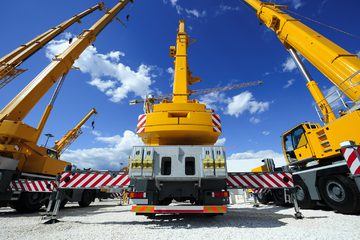
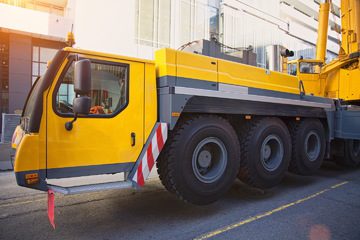
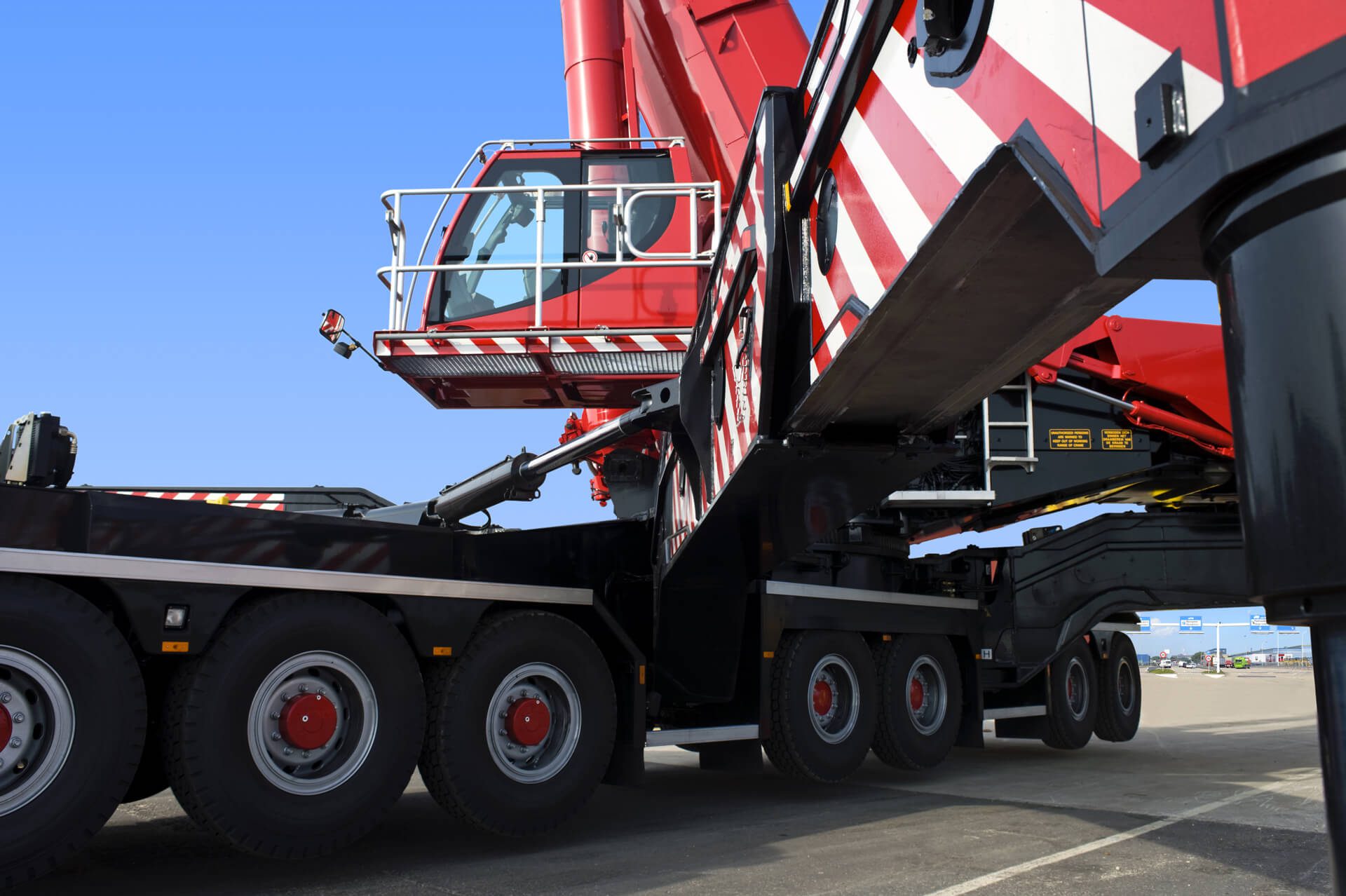
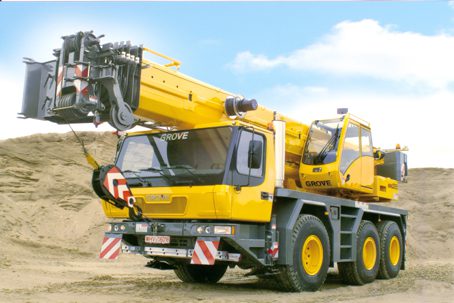
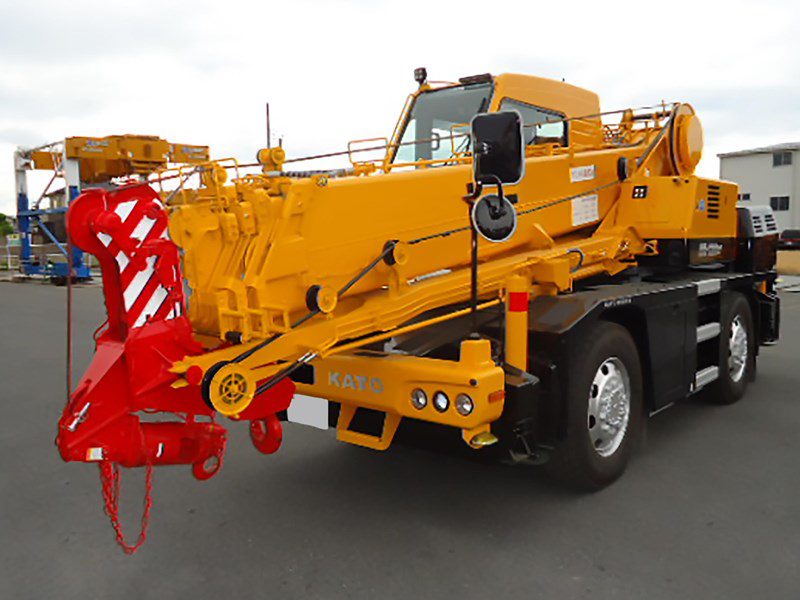
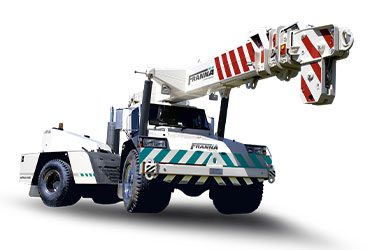
While luffing cranes dominate high-rise environments, mobile and traditional tower cranes remain indispensable across expanding cities. Mobile cranes are particularly valuable during early construction phases, infrastructure works, and short-term lifting operations. Their flexibility, rapid setup, and ability to access multiple sites make them ideal for roadworks, utilities, and low- to mid-rise projects.
Tower cranes, on the other hand, provide long-term lifting solutions for larger developments with sufficient space. They offer consistent performance throughout the construction lifecycle and can be configured to suit varying site requirements. Together, mobile cranes, tower cranes, and luffing cranes form an integrated lifting ecosystem that supports urban growth at every stage.
Regional Demand Driven by Local Development
The surge in crane hire demand is especially evident in fast-developing urban corridors. In Australia, for example, projects across New South Wales are driving strong interest in specialized crane solutions. The secondary keyword tower crane hire northern sydney reflects a regional hotspot where residential density, commercial expansion, and infrastructure upgrades are converging.
Northern Sydney is experiencing sustained development pressure, with apartment complexes, office towers, hospitals, and transport hubs under construction simultaneously. These projects often operate in close proximity to existing buildings and active public spaces, making crane selection a strategic decision rather than a logistical afterthought.
As a result, developers increasingly rely on experienced crane hire providers who understand local regulations, site constraints, and engineering requirements. The combination of tower crane hire northern sydney services with luffing crane capabilities allows projects to proceed efficiently while maintaining compliance and safety.
Technology and Efficiency as Key Growth Drivers
Another factor fueling the growing demand for crane hire is technological advancement. Modern cranes are equipped with digital controls, remote diagnostics, and data-driven performance monitoring. These innovations improve accuracy, reduce downtime, and enhance safety on complex urban sites.
For contractors, hiring cranes rather than owning them provides access to the latest technology without significant capital investment. Luffing crane hire services often include installation, maintenance, operator training, and dismantling, allowing construction teams to focus on project delivery rather than equipment management.
This shift toward specialized hire models aligns with broader industry trends favoring flexibility, scalability, and risk reduction.
The Future of Crane Hire in Expanding Cities
Looking ahead, the demand for mobile, tower, and luffing cranes is expected to continue rising as cities grow denser and construction methods evolve. Sustainability goals, prefabrication, and smart city initiatives will further influence crane selection and deployment strategies.
Luffing crane hire will remain a cornerstone of high-rise urban development, particularly in areas with strict spatial and regulatory constraints. At the same time, regional markets such as tower crane hire northern sydney will continue to expand as local infrastructure and residential needs intensify.
Ultimately, cranes are no longer just lifting machines—they are strategic assets that shape how cities are built. As urban expansion accelerates, the crane hire industry will play a pivotal role in enabling safer, faster, and more efficient construction in the cities of tomorrow.