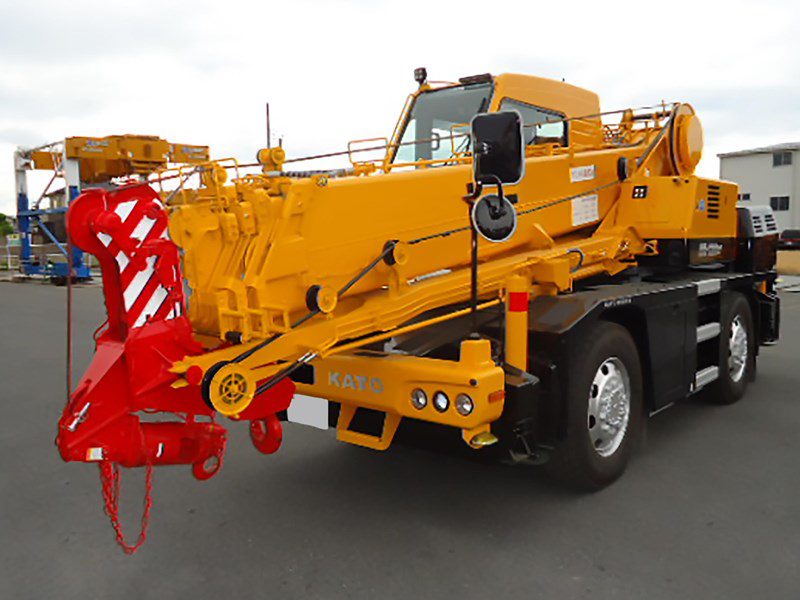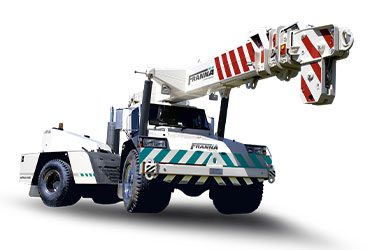
Compliance is a critical factor in the success of any construction project involving heavy lifting equipment. Cranes operate in high-risk environments, and strict regulatory frameworks exist to protect workers, the public, and project assets. Understanding compliance requirements for Mobile Crane Hire and tower crane hire helps contractors, developers, and site managers meet legal obligations while maintaining safe and efficient operations.
Why Compliance Matters in Crane Hire
Crane-related incidents can result in serious injuries, structural damage, and significant financial penalties. Regulatory authorities enforce compliance standards to minimize these risks and ensure consistency across the construction industry. For companies using mobile and tower cranes, compliance is not only about meeting legal requirements but also about demonstrating professionalism and reliability.
Adhering to compliance standards reduces project delays, supports insurance coverage, and builds trust with clients and stakeholders. This is particularly important in metropolitan areas where construction activity is dense and regulatory oversight is strict.
Regulatory Framework for Mobile Crane Hire
Mobile Crane Hire is governed by workplace health and safety regulations that focus on equipment condition, operator competency, and site-specific risk management. Before a mobile crane is deployed, a comprehensive site assessment must be conducted to evaluate ground stability, access points, overhead hazards, and load requirements.
Crane hire providers are responsible for ensuring that mobile cranes are certified, inspected, and maintained according to industry standards. Regular servicing, mechanical inspections, and safety system checks are mandatory to keep equipment compliant and operational.
Operators must hold appropriate licenses and certifications, demonstrating their ability to operate specific crane types safely. Ongoing training and refresher courses are often required to maintain compliance with evolving regulations.
Compliance Requirements for Tower Crane Hire
Tower cranes present unique compliance challenges due to their size, height, and long-term presence on construction sites. Regulatory requirements for tower crane hire cover planning, installation, operation, and dismantling.
Before installation, engineering documentation must confirm that foundations and structural tie-ins meet design specifications. These plans are reviewed to ensure the crane can withstand loads, wind forces, and environmental conditions throughout the project duration.
In major urban developments, such as those requiring tower crane hire sydney, compliance also includes managing oversailing risks, public safety zones, and coordination with local authorities. Permits and approvals may be required when cranes operate near public roads, footpaths, or neighboring properties.
Inspection, Maintenance, and Record Keeping
Routine inspection and maintenance are central to compliance for both mobile and tower crane hire. Daily pre-start inspections are conducted by operators to identify visible issues, while scheduled inspections assess mechanical, structural, and electrical components.
Detailed maintenance records must be kept and made available for regulatory review. These records demonstrate that cranes are being operated responsibly and maintained according to compliance standards.
Tower cranes, due to their extended use, often require additional periodic inspections by qualified engineers. These inspections confirm ongoing structural integrity and operational safety.
Lift Planning and Risk Assessments
Compliance regulations require detailed lift planning for crane operations. Lift plans outline load details, crane configuration, rigging methods, and safety controls. For complex or high-risk lifts, engineered lift studies may be mandatory.
Risk assessments identify potential hazards such as weather conditions, restricted access, or nearby structures. By documenting and addressing these risks, crane hire operations remain compliant and reduce the likelihood of incidents.
Operator Roles and Responsibilities
Compliance is a shared responsibility between crane hire providers, contractors, and site managers. Operators must follow established procedures, operate within load limits, and report any equipment issues immediately.
Site supervisors are responsible for coordinating crane activities, enforcing exclusion zones, and ensuring that all personnel involved in lifting operations are competent and informed. Clear communication and supervision are essential to maintaining compliance on busy construction sites.
Environmental and Community Considerations
Modern compliance frameworks also address environmental and community impacts. Noise control, emissions management, and waste reduction are increasingly important, particularly in urban environments.
For projects involving tower crane hire sydney, community safety and disruption management are critical compliance considerations. This includes managing working hours, protecting pedestrians, and minimizing impacts on surrounding properties.
Consequences of Non-Compliance
Failure to comply with crane hire regulations can result in severe consequences, including fines, work stoppages, and legal action. Non-compliance can also void insurance coverage and damage a company’s reputation.
By prioritizing compliance in mobile and tower crane hire, construction professionals protect their workforce, maintain operational continuity, and support long-term business success.
Conclusion
Compliance requirements for Mobile Crane Hire and tower crane hire are essential to safe and successful construction projects. From operator certification and equipment maintenance to lift planning and regulatory approvals, every aspect of crane operation must align with established standards.
For projects involving tower crane hire sydney, strict compliance ensures safe operation in complex urban environments. By working with reputable crane hire providers and maintaining a proactive compliance strategy, construction teams can achieve efficient lifting operations while meeting all legal and safety obligations.