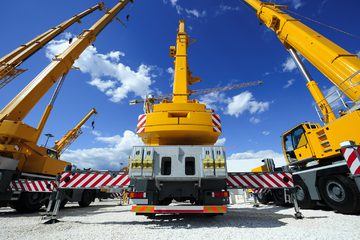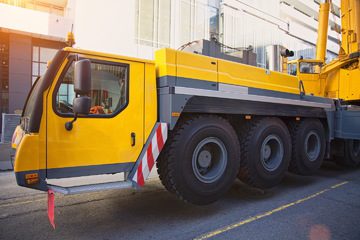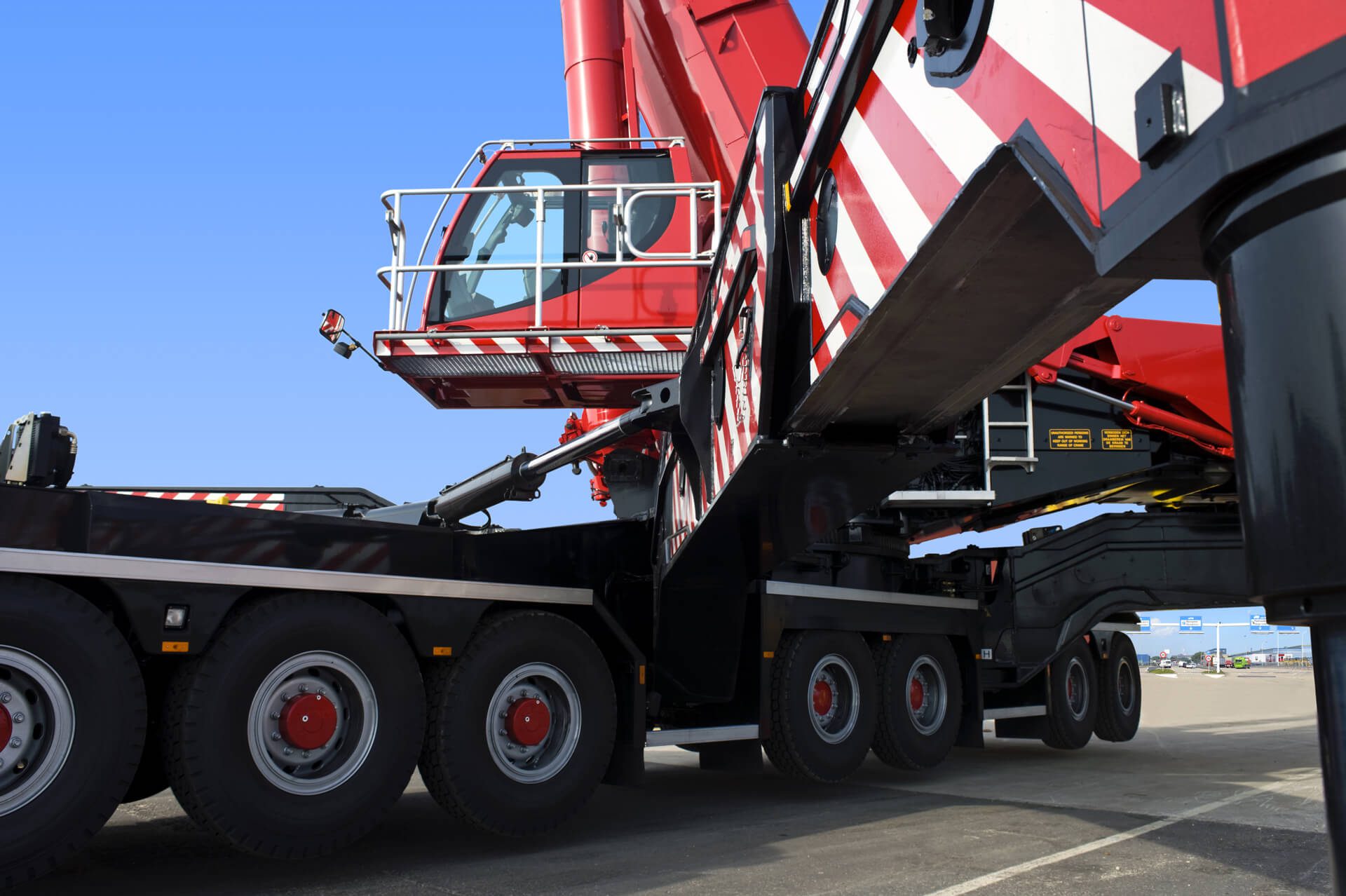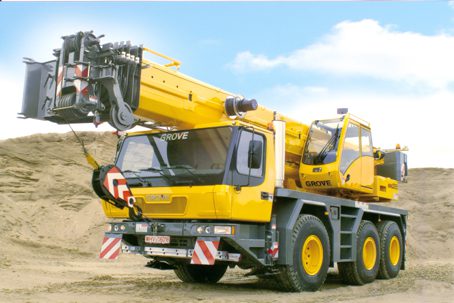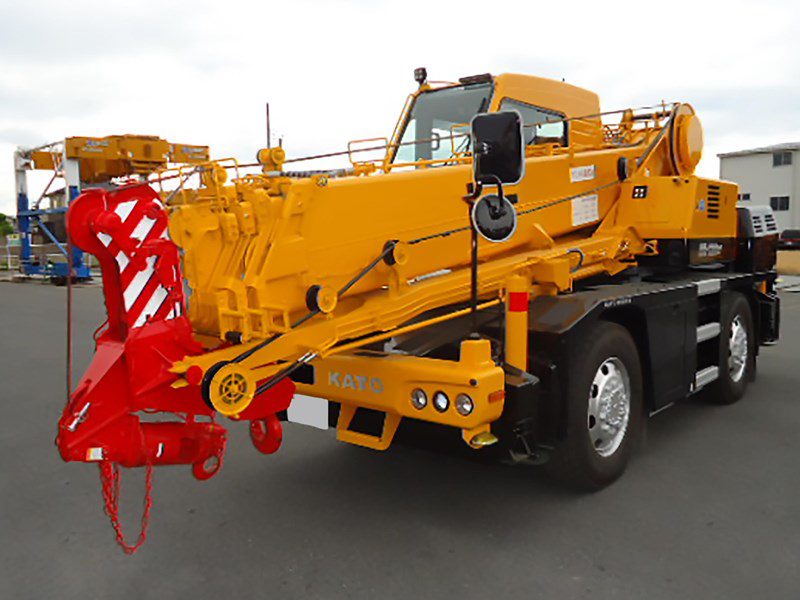
Safety is the foundation of every successful construction project, especially when heavy lifting equipment is involved. Cranes handle enormous loads, operate at significant heights, and work in challenging environments, making strict safety standards essential. In modern construction, Mobile Crane Hire and tower crane hire operations are governed by comprehensive safety protocols designed to protect workers, equipment, and surrounding areas. Understanding these standards helps contractors, site managers, and project owners maintain compliant and accident-free worksites.
The Importance of Safety in Crane Operations
Cranes are powerful machines, but their strength also presents potential risks if not managed correctly. Incidents involving crane operations can lead to serious injuries, structural damage, and costly project delays. For this reason, safety is not optional it is a legal and operational requirement.
Both mobile and tower crane hire services follow strict guidelines covering equipment condition, operator competency, site planning, and load management. These standards ensure that lifting operations are predictable, controlled, and aligned with industry regulations.
Safety Standards in Mobile Crane Hire
Mobile cranes are valued for their flexibility and mobility, but these same qualities require careful safety management. Since mobile cranes are frequently relocated and set up on different sites, each operation begins with a thorough site assessment.
Key safety considerations in Mobile Crane Hire include ground stability, load capacity, and crane positioning. The crane must be set up on level, compact ground to prevent tipping or instability. Outriggers, when used, must be fully extended and supported by appropriate pads or mats.
Load charts play a critical role in mobile crane safety. Operators must calculate load weights, boom length, and radius accurately to ensure the crane operates within safe limits. Exceeding rated capacities is one of the most common causes of crane incidents, making adherence to load charts essential.
Operator Training and Certification
Qualified operators are central to safe crane operations. Mobile and tower crane hire providers ensure that operators hold relevant certifications and undergo regular training. This training covers crane controls, load dynamics, emergency procedures, and communication protocols.
Experienced operators are also skilled at identifying potential hazards before a lift begins. They work closely with dogmen, riggers, and site supervisors to coordinate safe lifting activities. Clear communication, often through standardized hand signals or radio systems, reduces the risk of misunderstandings during critical lifts.
Tower Crane Safety and Site Planning
Tower cranes are typically used on long-term, large-scale projects, and their safety standards reflect their size and complexity. Before installation, detailed engineering assessments are conducted to determine foundation strength, crane height, and tie-in requirements.
Tower crane hire operations rely heavily on site planning. Crane placement must account for nearby buildings, overhead power lines, and public areas. Once operational, exclusion zones are established beneath lifting paths to protect workers and the public from falling objects.
Regular inspections are another essential aspect of tower crane safety. Components such as slewing mechanisms, hoists, and structural elements are checked frequently to ensure continued reliability throughout the project lifecycle.
The Role of Luffing Crane Hire in Safety-Critical Environments
In dense urban environments, traditional tower cranes may face limitations due to space constraints. This is where luffing crane hire becomes a preferred solution. Luffing cranes are designed with a variable jib angle, allowing loads to be lifted vertically with minimal horizontal movement.
This design significantly reduces the risk of oversailing neighboring properties, roads, or active sites. As a result, luffing crane hire is commonly used in city centers and high-rise developments where safety and precision are paramount.
By minimizing swing radius and improving load control, luffing cranes enhance safety while maintaining high lifting performance. Their use demonstrates how crane technology continues to evolve to meet modern safety demands.
Equipment Maintenance and Inspection Standards
Well-maintained equipment is essential for safe crane operations. Mobile crane hire and tower crane hire providers follow strict maintenance schedules that include routine servicing, component testing, and compliance inspections.
Daily pre-start checks are conducted by operators to identify visible issues such as hydraulic leaks, worn cables, or malfunctioning safety systems. Any faults are addressed before lifting operations begin.
Periodic third-party inspections further ensure compliance with national and industry standards. These inspections provide an added layer of assurance that cranes are safe to operate under demanding conditions.
Risk Assessments and Lift Planning
Every crane lift, whether simple or complex, requires careful planning. Lift plans outline the sequence of operations, load details, crane configuration, and potential hazards. For high-risk lifts, such as tandem lifts or heavy structural installations, detailed engineered lift studies may be required.
Risk assessments identify environmental factors such as wind conditions, weather changes, and site access restrictions. By addressing these risks in advance, crane hire operations can adapt safely to changing conditions.
Conclusion
Safety standards in Mobile Crane Hire and tower crane hire operations are essential to modern construction success. From operator training and equipment maintenance to detailed lift planning and site assessments, every aspect of crane operation is designed to minimize risk and maximize control.
The growing use of specialized solutions such as luffing crane hire highlights the industry’s commitment to improving safety in complex environments. By working with professional crane hire providers and adhering to established safety standards, construction projects can achieve efficient lifting operations while protecting workers, assets, and the public.