Construction activity across the Southern Highlands continues to grow, driven by residential development, commercial expansion, and infrastructure upgrades. While the region offers more space than dense metropolitan areas, projects still face unique challenges related to terrain, access, safety, and scheduling. To meet these demands, contractors increasingly rely on mobile crane hire and tower crane hire, supported by professional crane hire Southern Highlands services.
Together, these lifting solutions provide the flexibility, capacity, and efficiency required to deliver modern construction projects across the region.
Construction Challenges in the Southern Highlands
The Southern Highlands presents a diverse construction environment. Projects often involve uneven ground conditions, larger site footprints, and a mix of rural and semi-urban settings. Weather variations and longer transport distances can also impact scheduling and logistics.
In this context, lifting equipment must be adaptable and reliable. The strategic use of mobile crane hire and tower crane hire allows construction teams to respond effectively to site-specific challenges while maintaining safety and productivity.
Mobile Crane Hire for Versatile Regional Projects
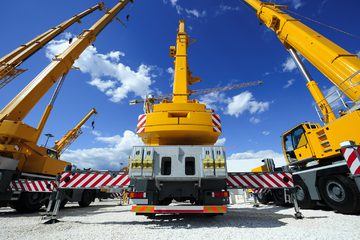
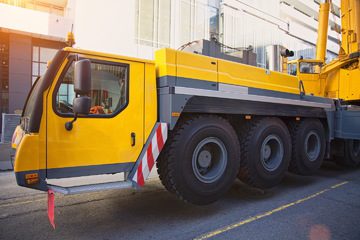
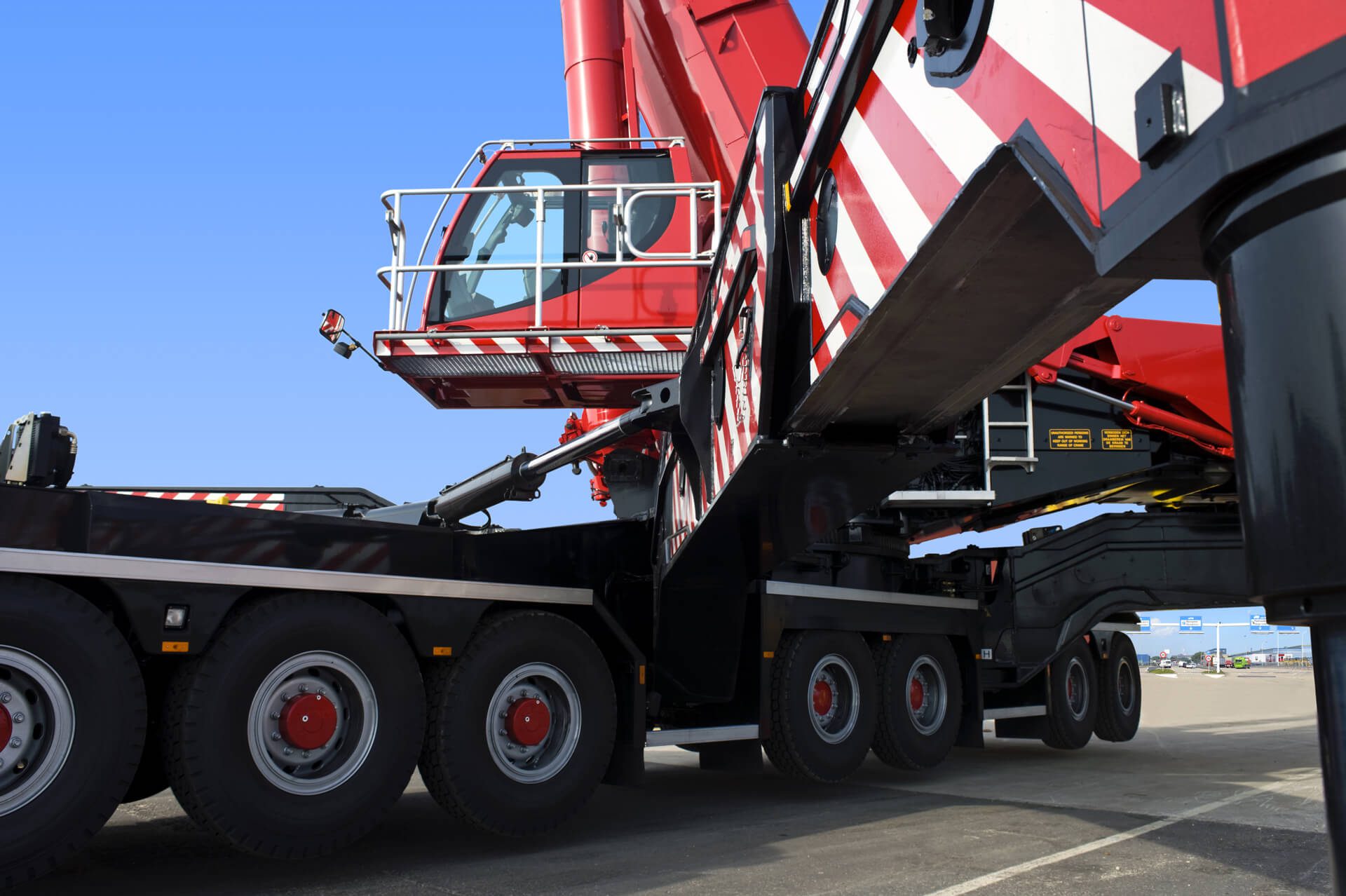
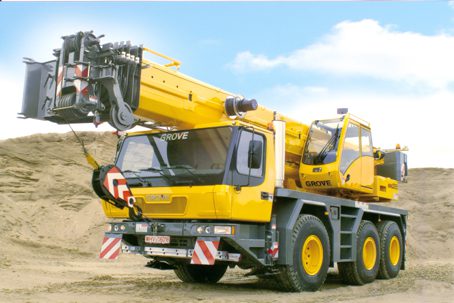
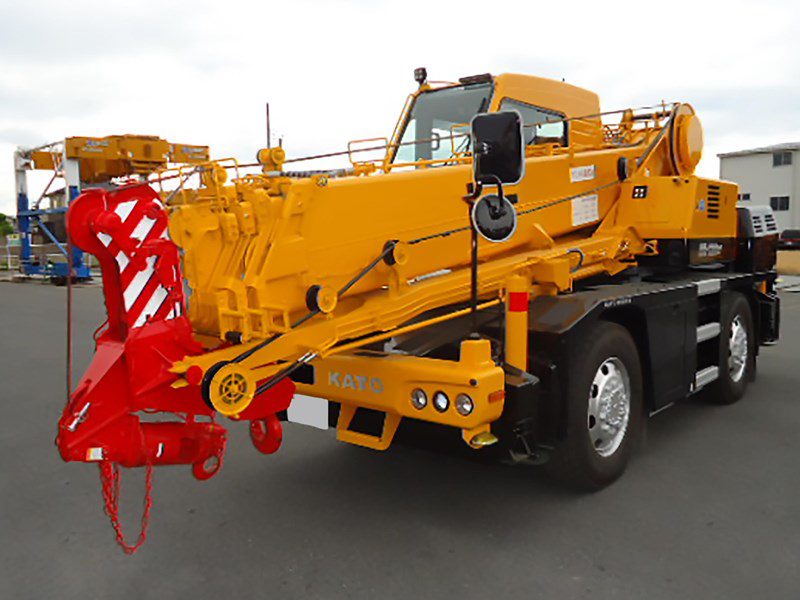
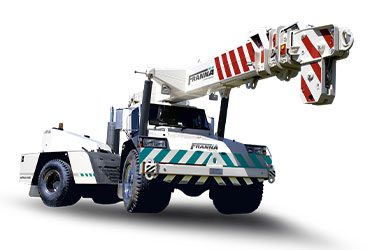
Mobile crane hire is a critical solution for construction projects throughout the Southern Highlands. Mobile cranes can be transported efficiently across the region and set up quickly on sites with varying ground conditions. This makes mobile crane hire particularly suitable for residential builds, commercial developments, and infrastructure works that require short-term or intermittent lifting.
Mobile crane hire is commonly used for tasks such as steel erection, roof truss placement, precast concrete installation, and mechanical equipment positioning. The ability to reposition mobile cranes as a project progresses allows contractors to maintain workflow without unnecessary delays.
For regional construction, mobile crane hire provides the versatility needed to adapt to changing site requirements.
Tower Crane Hire for Large-Scale and Vertical Construction
While many Southern Highlands projects are low to mid-rise, tower crane hire plays an important role in larger developments that require sustained vertical lifting. Commercial buildings, industrial facilities, and multi-storey residential projects often benefit from the long-term lifting capacity that tower cranes provide.
Tower crane hire supports continuous material movement, improving efficiency on projects with extended timelines. Tower cranes are engineered for stability and precision, making them suitable for sites where accuracy and load control are essential.
When paired with mobile crane hire, tower crane hire helps ensure that both horizontal and vertical lifting needs are met throughout the construction lifecycle.
Coordinating Mobile Crane Hire and Tower Crane Hire
Successful construction projects often rely on a coordinated lifting strategy. Mobile crane hire and tower crane hire are frequently used together to maximize efficiency and minimize downtime.
Mobile crane hire is commonly used to support tower crane installation and dismantling, as well as to handle specialized or heavy lifts that fall outside the tower crane’s operating range. During different project stages, mobile cranes provide flexibility while tower cranes maintain consistent vertical lifting capacity.
This combined approach is particularly effective for crane hire Southern Highlands projects that involve larger sites or multiple construction phases.
Safety and Compliance in Regional Crane Operations
Safety is a top priority on all construction sites, regardless of location. In the Southern Highlands, lifting operations must account for terrain, weather conditions, and site access limitations. Both mobile crane hire and tower crane hire contribute to safer worksites when supported by proper planning and skilled operation.
Modern cranes are equipped with advanced safety systems, including load monitoring, stability controls, and operator assistance technology. These features help reduce risks associated with lifting heavy loads and working at height.
Professional crane hire Southern Highlands services also ensure that equipment is maintained, inspected, and operated in line with regulatory requirements, supporting consistent safety outcomes across regional projects.
Efficiency and Cost Control for Southern Highlands Projects
Construction budgets and timelines are under constant pressure. Delays in lifting operations can significantly impact overall project costs. Mobile crane hire and tower crane hire improve efficiency by providing access to the right equipment for each stage of construction without the need for long-term ownership.
Hiring cranes allows contractors to control costs by paying only for the equipment and services required. Mobile crane hire offers flexibility for short-term tasks, while tower crane hire supports longer-term construction needs. This approach helps construction teams maintain financial control while accessing modern lifting solutions.
The Role of Crane Hire in the Southern Highlands’ Growth
The Southern Highlands continues to develop as demand for housing, commercial facilities, and infrastructure increases. Reliable crane hire Southern Highlands services are essential to supporting this growth.
Mobile crane hire and tower crane hire enable projects to progress efficiently while maintaining safety and quality standards. From residential estates to large-scale commercial developments, crane hire solutions play a key role in shaping the region’s built environment.
Conclusion
Construction projects in the Southern Highlands require lifting solutions that balance flexibility, capacity, and safety. Mobile crane hire provides adaptability for a wide range of lifting tasks, while tower crane hire supports larger and more complex projects that demand sustained vertical lifting.
Together, mobile crane hire and tower crane hire form the foundation of effective crane hire Southern Highlands strategies. Their combined use supports efficient project delivery, enhances safety, and enables construction teams to meet the evolving demands of regional development.