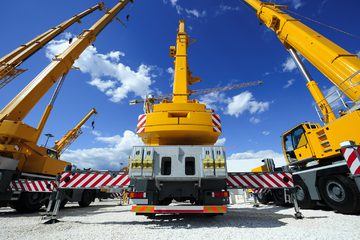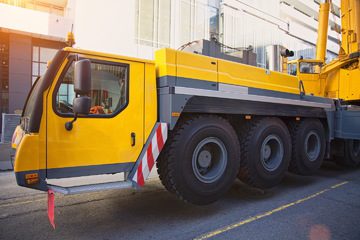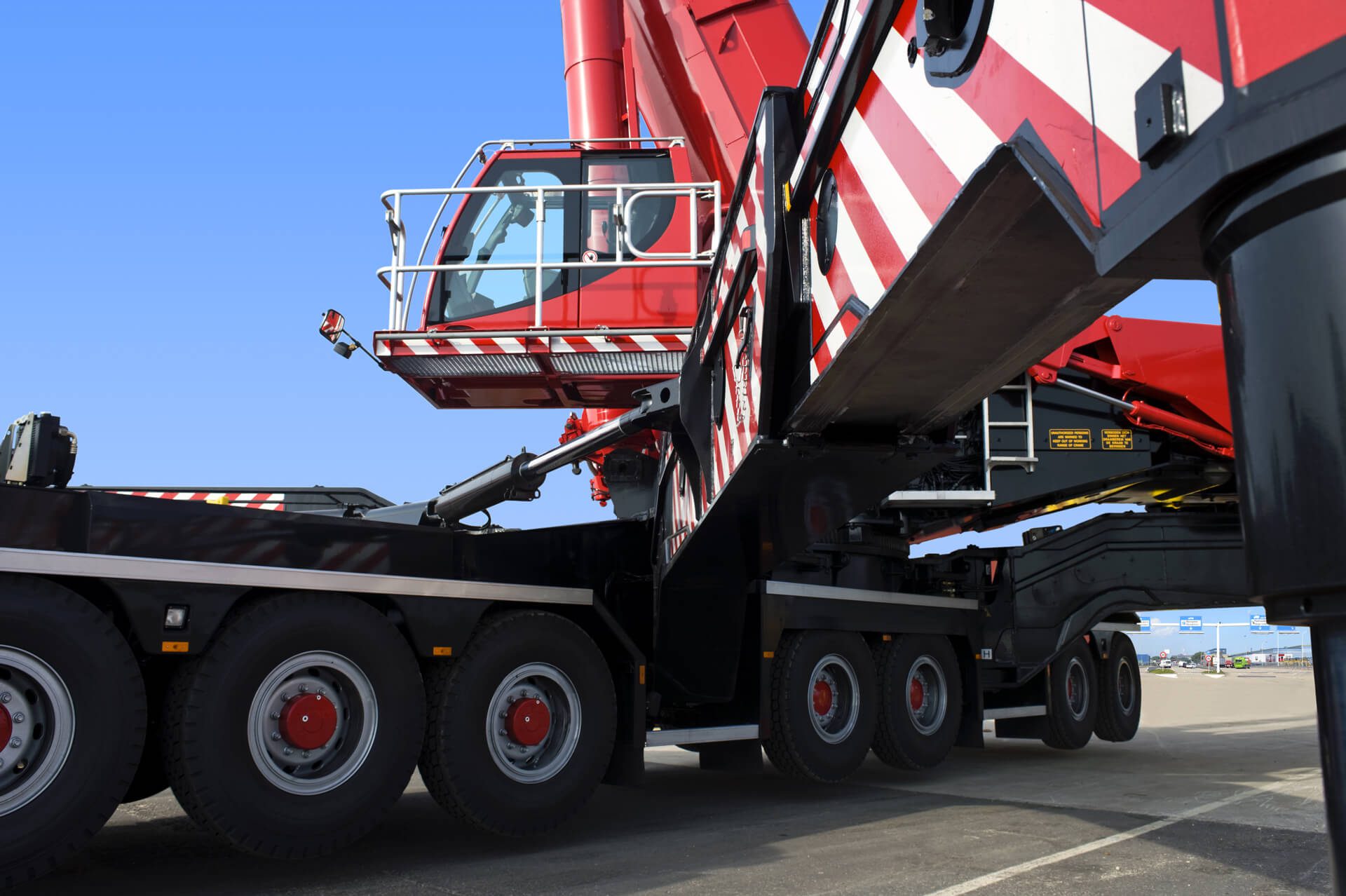
A crane rising above a Sydney construction site can look like a simple symbol of growth. From apartment developments and commercial towers to transport upgrades and industrial projects, lifting equipment has become part of the city’s visual landscape. But the more important story is often less visible. Before a crane arrives, project teams must decide how it will move, where it can operate, how long it will be needed and how its presence will interact with roads, buildings, workers and neighbouring communities.
That makes crane selection more than an equipment procurement decision. In an increasingly dense Australian construction market, it is becoming a strategic choice about how a project uses limited space, time and labour.
For Sydney in particular, the rise of mobile crane hire Sydney reflects this wider shift. Mobility can provide contractors with options when construction sites are constrained, project schedules change or lifting requirements vary between stages. Yet the value of that flexibility depends on a much larger set of decisions involving engineering, safety, logistics and regulation.
Construction Is Becoming a More Complicated Urban Equation
Australian construction has entered an environment where the physical space available for projects is increasingly difficult to separate from the project itself.
Sydney provides a clear example. A new development may sit between existing buildings, beside a busy road or within a neighbourhood where pedestrian and traffic movement cannot simply be interrupted. Infrastructure projects can extend across multiple work fronts, while contractors may need to coordinate lifting activities with deliveries, excavation, structural work and services installation.
In such conditions, the old question of “Which crane can lift this?” is incomplete.
The more useful question is whether the lifting equipment fits the entire construction sequence.
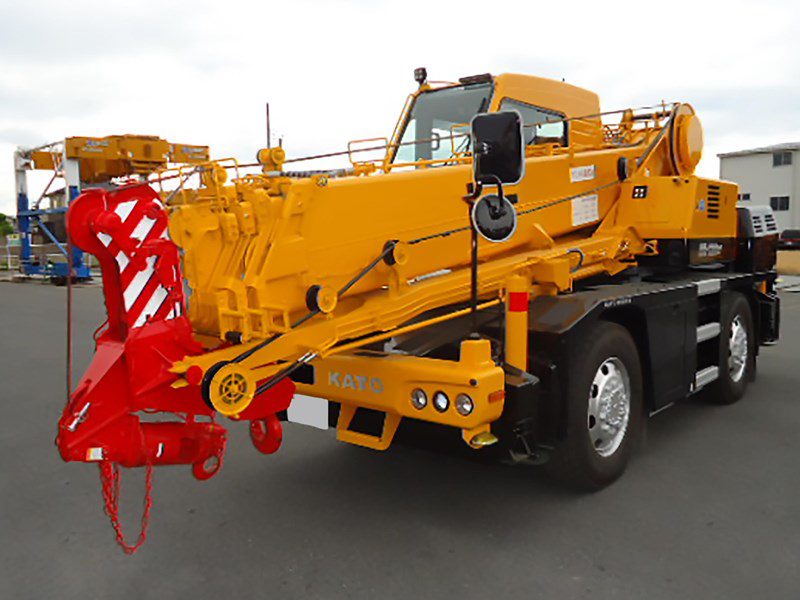
A mobile crane can be valuable when equipment needs to be repositioned as work progresses. Unlike a permanently established lifting system, a mobile machine can potentially support different work areas during different phases, subject to site access, ground conditions, setup requirements and relevant safety controls.
That matters when a project contains several short-duration lifting tasks rather than one continuous requirement. It can also matter for contractors managing multiple sites, where equipment utilisation becomes part of the commercial calculation.
The machine’s capacity still matters, of course. But capacity is only one variable in a much broader equation.
The Crane Choice Reflects the Project Itself
Different crane configurations exist because construction sites create different problems.
Mobile crane hire is generally associated with flexibility. Imagine a project involving the installation of heavy structural components at several points around a large site. The lifting requirements may change as construction moves from foundations to structural assembly and then to external works. A mobile crane can be repositioned when the work front changes, potentially reducing the need for a permanent lifting footprint.
Tower cranes address a different type of project. On a high-rise development where materials must be repeatedly lifted to significant heights over a long construction period, a fixed crane can become central to the project’s daily rhythm. Its value comes from sustained operation rather than frequent relocation.
Luffing cranes respond to yet another challenge. Dense urban sites may leave very little room for a conventional horizontal working radius. Nearby buildings, roads and property boundaries can restrict how a crane operates. Luffing configurations can provide greater control over the jib’s working envelope, making luffing crane hire relevant to projects where spatial constraints are particularly demanding.
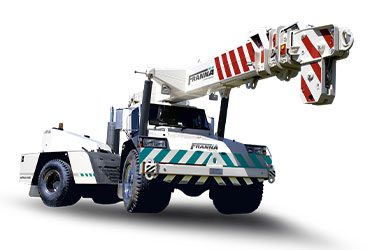
An all-terrain configuration can provide another option where road mobility and lifting capability need to coexist. For a complex project in the metropolitan area, all-terrain crane hire Sydney may be considered where access routes, changing work locations and lifting requirements create a combination of challenges.
The important point is not that one machine is better than another. It is that each reflects a different answer to the physical realities of construction.
That distinction is increasingly important for procurement teams. Selecting lifting equipment now means considering how the machine interacts with the entire project rather than treating the crane as a standalone resource.
Time Has Become a Construction Asset
The economics of crane selection become clearer when viewed through the cost of delay.
A crane waiting for access is unproductive. Workers waiting for a lift are also unproductive. A delivery arriving before a lifting zone is ready can create congestion, while a poorly planned crane position can force changes elsewhere in the construction schedule.
These effects are rarely visible in the original equipment price.
This is why the strategic value of mobile equipment can extend beyond its ability to move. If a project can sequence lifting operations around changing work areas, mobility may support a more adaptable construction program. But that benefit only exists when the planning is sound.
Urban projects also have to account for disruption outside the site boundary. Crane operations can influence traffic management, pedestrian routes and delivery schedules. In a city such as Sydney, where construction often takes place alongside established transport networks and occupied buildings, these external relationships can become significant.
The crane therefore becomes part of the site’s logistical system.
Safety Starts Before the Lift
Regulation has reinforced the need for this broader approach.
Work health and safety frameworks across Australia require construction businesses to identify hazards and manage risks associated with plant, equipment and work activities. In New South Wales, SafeWork NSW provides regulatory oversight for workplace health and safety, including requirements relevant to high-risk construction activities.
For crane operations, safety planning can involve ground conditions, equipment stability, load characteristics, exclusion zones, overhead hazards, traffic interfaces, weather conditions and communication between workers.
These considerations can influence equipment selection from the beginning.
A crane that technically has sufficient capacity may not be appropriate if the site cannot safely accommodate its setup or operating requirements. Similarly, an apparently efficient lifting arrangement may become inefficient once traffic controls, access restrictions or neighbouring properties are taken into account.
This is one reason crane hire decisions increasingly involve engineers, project managers, safety personnel and logistics planners rather than procurement teams working in isolation.
Operator competency is equally important. Australia’s high-risk work licensing framework places formal requirements on people performing specified crane-related work. Equipment capability and human capability must therefore be considered together.
Technology Is Bringing More Information Into the Decision
The physical crane may not look radically different from the machines used years ago, but the information surrounding its operation is changing.
Digital monitoring systems, telematics, positioning technologies and electronic load-management systems can provide project teams with more detailed information about equipment use and operating conditions. Depending on the machine and system involved, data can support maintenance planning, operational oversight and resource scheduling.
The significance is not technology for its own sake. It is visibility.
Construction has historically contained many moving parts that are difficult to monitor in real time. Better information can help managers understand whether equipment is being used as planned and where operational problems may emerge.
As digital construction platforms become more integrated, crane operations can increasingly form part of broader project planning systems. Equipment availability, lifting sequences and site logistics can be coordinated with other construction activities rather than managed as separate processes.
That trend is likely to continue as contractors face pressure to improve productivity while maintaining rigorous safety standards.
The Bigger Question Is How Cities Are Built
Sydney’s cranes are often treated as symbols of construction volume. But they also reveal something about how urban development is changing.
As cities become denser, the margin for inefficient construction becomes smaller. There is less space to store materials, fewer opportunities to disrupt surrounding roads and greater pressure to coordinate multiple trades within constrained sites.
That makes crane selection a useful window into the wider evolution of construction management.
The future is unlikely to belong to one particular crane type. Instead, projects will increasingly require equipment decisions based on site conditions, construction sequences, safety requirements, access, environmental considerations and the economics of time.
For Australia’s growing cities, that is a significant shift. The cranes visible above the skyline may remain familiar, but the thinking behind them is becoming more sophisticated.
The real transformation is not simply in the machines. It is in the way construction teams understand them—as part of a larger urban system where every lifting decision affects productivity, safety, logistics and, ultimately, the pace at which a city can change.