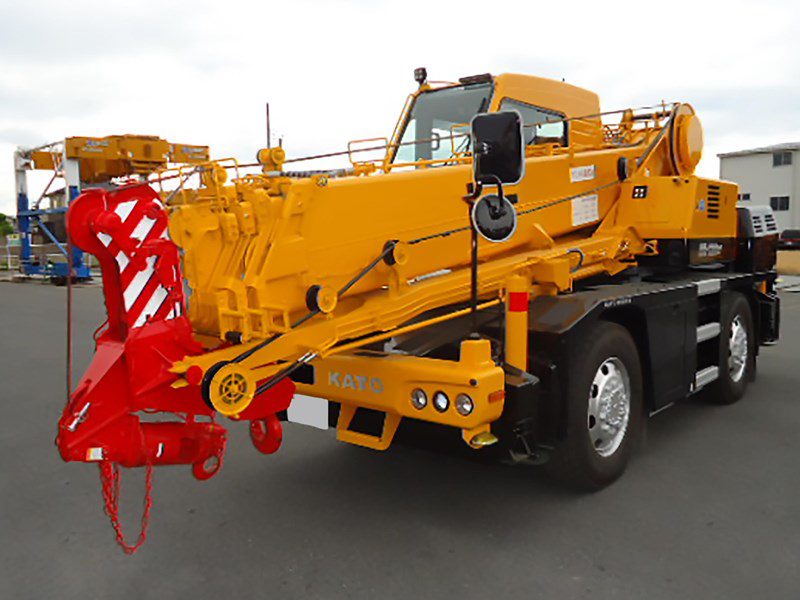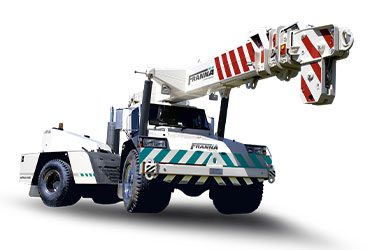
A crane arriving at a construction site in the Southern Highlands can look like a straightforward piece of logistics: equipment arrives, a load is lifted, the machine leaves. But that apparent simplicity conceals a more consequential decision. The choice of crane can determine how a project responds to difficult access, changing ground conditions, tight schedules and the need to move between different work areas.
This is particularly relevant across regional New South Wales, where construction does not always follow the predictable patterns of dense metropolitan development. Projects may involve residential estates, infrastructure upgrades, agricultural facilities, commercial buildings or civil works spread across sites with very different terrain and access conditions. In such environments, crane selection becomes less about raw lifting capacity and more about how effectively equipment can adapt to the job around it.
That is why all terrain crane hire southern highlands is increasingly relevant to the region’s broader construction strategy. The issue is not simply whether a crane can lift a particular load. It is whether the equipment can reach the working position, operate safely within the site’s constraints and support the project without creating unnecessary delays elsewhere.
Construction Is Becoming Less Predictable
Australian construction has been moving toward projects that demand greater coordination between equipment, labour, safety planning and scheduling. Urban density is one reason, but it is not the only one. Regional construction faces its own pressures, including long travel distances, variable site access, weather exposure and projects that can change considerably between planning and execution.
A crane selected solely according to its maximum lifting capacity can therefore be an incomplete solution.
For project managers, procurement teams and engineers, the more useful question is how the machine fits the entire operating environment. Access roads, ground conditions, overhead restrictions, lifting radius, mobilisation requirements and the sequence of construction activities all influence the practical value of a crane.
The Southern Highlands illustrates this well. A project outside a metropolitan centre may have more physical space than a Sydney CBD site, yet that does not automatically make lifting easier. Sloping terrain, uneven surfaces, narrow approaches and changing site conditions can introduce constraints that are less visible during early planning.
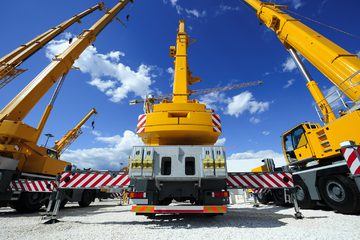
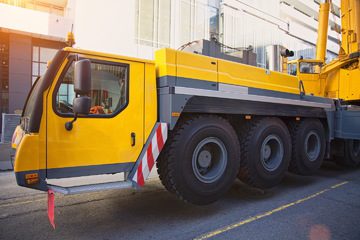
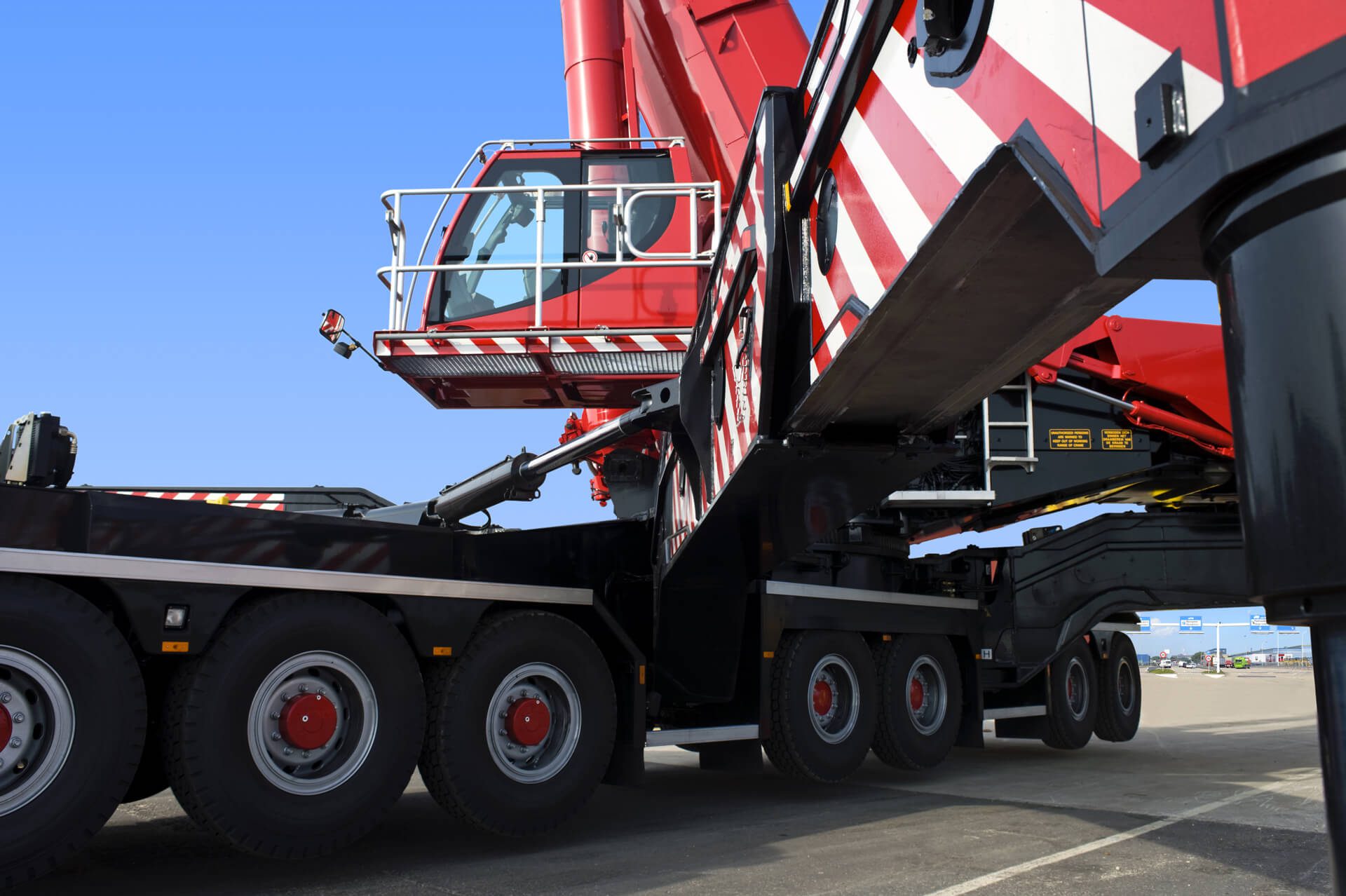
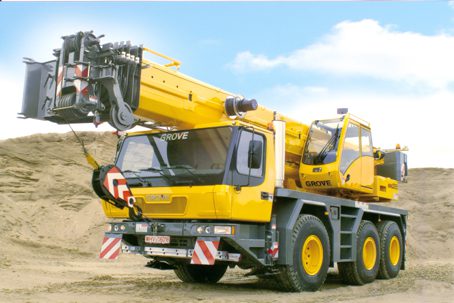
All-terrain cranes occupy an interesting position within this landscape because they are designed to combine road-going mobility with capabilities suited to varied working environments. That flexibility can matter when a project requires equipment to move between locations rather than remain permanently positioned in one place.
The Crane Choice Depends on the Project
The growing sophistication of crane planning is easiest to understand by comparing different equipment strategies.
Mobile crane hire is often associated with flexibility. A mobile crane can be mobilised to a site, positioned for a particular lifting operation and then relocated as the project progresses. For contractors working across multiple construction stages or sites, that ability can influence both scheduling and equipment utilisation.
Tower crane hire follows a different logic. Tower cranes make sense where sustained lifting operations are required over an extended period, particularly on high-rise or large-scale developments where materials must repeatedly move vertically and horizontally across a defined work zone. Their value comes from continuity rather than rapid repositioning.
Luffing crane hire addresses another set of constraints. In dense urban environments, the ability to work with a reduced operating radius can become critical where neighbouring buildings, roads or other tower cranes restrict available airspace. The decision is therefore shaped by the geometry of the site as much as by the weight of the load.
All-terrain cranes sit between some of these operating requirements. Consider a regional construction project involving structural steel, precast elements or mechanical equipment, where the lifting points are separated and access conditions are not uniform. A machine capable of travelling between work areas while handling substantial lifts can reduce the need to build the project around a permanently fixed lifting position.
This is where the phrase all terrain crane hire Southern Highlands represents more than a search term. It reflects a particular operational question: how should lifting equipment respond when the construction environment itself is variable?
Flexibility Does Not Remove Complexity
It would be easy to interpret flexibility as a substitute for planning. It is not.
Mobile crane operations can involve serious risks, including overturning, falling loads, collisions with structures and contact with powerlines. SafeWork NSW identifies these among the principal hazards associated with mobile cranes and highlights the importance of planning, hazard identification, equipment maintenance and appropriate licensing.
The ground beneath a crane is particularly important. A machine may have considerable lifting capability on paper, but that capability depends on the conditions in which it operates. Ground bearing capacity, gradients, access routes and outrigger positioning can all influence whether a planned lift is viable.
This changes the role of procurement. Hiring a crane is no longer simply an equipment transaction. It is part of the project’s risk-management process.
Safe Work Australia makes the broader point explicitly: choosing a crane affects worker safety as well as whether the work can be completed. Factors such as the crane’s intended operating conditions, maximum safe load, age, frequency of use and whether trained personnel are required all belong in the selection process.
For Southern Highlands projects, that means site assessment should occur before equipment selection becomes fixed. A crane that looks suitable from a load chart may be poorly matched to the access conditions once the full site is considered.
Regulation Is Becoming Part of the Equipment Decision
The regulatory environment is also changing the way crane hire decisions are made.
Australia’s model WHS framework continues to evolve around crane licensing and contemporary equipment. Safe Work Australia’s updated model regulations include amendments intended to clarify crane licensing requirements and better align them with current work practices. Further reforms are being examined, including possible changes involving telehandlers, tower crane licensing and slewing mobile cranes.
These changes matter because equipment capability and operator competency cannot be separated.
Safe Work Australia states that many crane types require high risk work licences, while certain cranes and components require registration and inspection. Registrable mobile cranes and tower cranes are subject to major inspection requirements, with inspections and testing undertaken by competent persons.
In NSW, the licensing framework distinguishes between different categories of mobile cranes according to their characteristics and capacity. Slewing mobile cranes, for example, are divided into classes ranging from C2 to C0 based on rated capacity.
For businesses hiring equipment, this creates an important distinction between availability and suitability. The fact that a crane is available does not mean it is automatically appropriate for the planned work. Documentation, licensing, inspection status, operating limitations and crew competency are all part of the decision.
Technology Is Changing What Good Planning Looks Like
The next stage of crane operations is likely to involve greater integration between machinery and project information.
Digital load monitoring, positioning systems, equipment telemetry and increasingly sophisticated planning software can give project teams better visibility over how lifting equipment is being used. These technologies do not eliminate the need for experienced operators or engineers. Instead, they can improve the information available to those making decisions.
That distinction is important. Construction technology is sometimes presented as an attempt to automate judgment. In lifting operations, its more practical role may be to make judgment better informed.
For a project involving multiple lifting zones, changing access routes or demanding schedules, information about equipment position, operating parameters and maintenance can help coordinate work more effectively. It can also support a more evidence-based approach to safety management.
Safe Work Australia’s guidance reinforces the importance of regular inspection and testing, manufacturer instructions and competent-person assessment when managing crane operations.
The implication is subtle but significant: technology is becoming part of the management system surrounding the crane, rather than simply a feature installed on the machine.
The Southern Highlands Offers a Different Construction Lesson
The future of Australian construction will not be determined solely by the largest projects in Sydney, Melbourne or Brisbane. Regional construction environments expose another side of the industry’s evolution.
In the Southern Highlands, the challenge can be to combine mobility with lifting capability while accommodating terrain, access and project-specific constraints. That makes equipment selection a strategic part of project planning rather than an afterthought.
The same principle applies nationally. Mobile cranes, tower cranes and luffing cranes each solve different problems. The industry’s evolution lies not in choosing one universally superior machine, but in becoming more precise about the conditions under which each one makes sense.
That is ultimately why all terrain crane hire Southern Highlands belongs in a broader conversation about Australia’s infrastructure future. As projects become more complex and safety expectations more demanding, the crane is increasingly being treated not as a standalone machine but as part of an integrated construction system.
The cranes visible above Australian worksites may continue to look much the same from the street. Behind the fences, however, the decisions governing where they operate, how they are monitored and why they are selected are becoming considerably more sophisticated. That shift may prove just as important to the future of construction as the machines themselves.