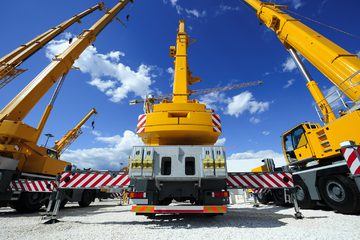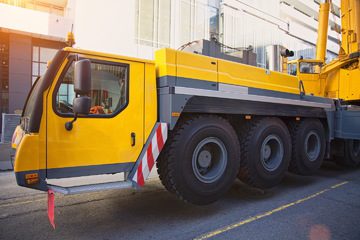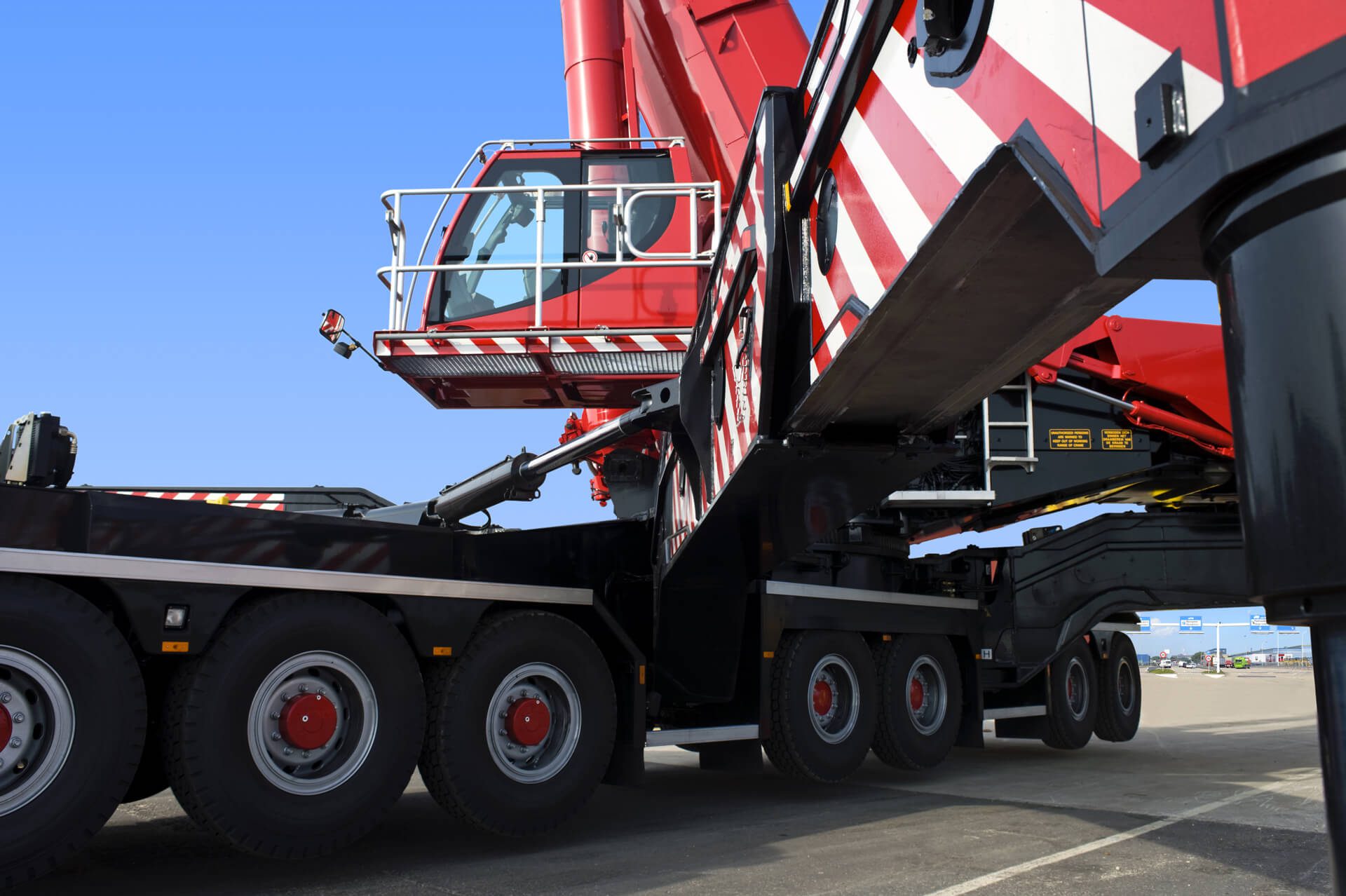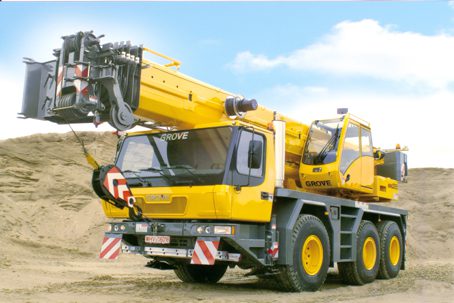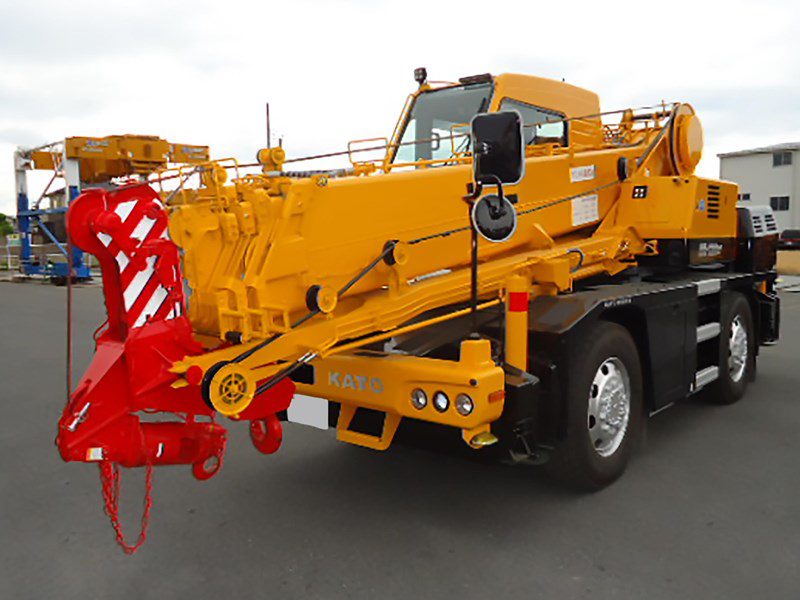
A crane arriving at a construction site in the Southern Highlands may look like a routine part of the building process. Yet behind that arrival sits a chain of decisions involving engineering, logistics, safety, access and scheduling. The machine must reach the site, establish itself on suitable ground and perform the required lifts without disrupting the sequence of work around it.
That is becoming more significant as Australia’s construction sector works across increasingly varied environments. Major urban projects face congestion and limited space, while regional developments can present different challenges: uneven terrain, longer access routes, changing ground conditions and greater distances between work areas. The crane choice therefore has consequences well beyond the lifting operation itself.
For project managers and procurement teams, all terrain crane hire southern highlands is best understood within this wider shift. The question is no longer simply whether a crane has enough capacity. It is whether the equipment matches the physical and operational conditions of the project.
The Construction Site Is Becoming Part of the Equation
Construction planning has traditionally separated equipment procurement from broader project strategy. That distinction is becoming harder to maintain.
A crane’s usefulness depends on where it can operate, how quickly it can be positioned, what loads it can safely handle and how its movements fit into the construction programme. A machine that performs well on a large, level site may be less suitable where access is restricted or the work requires repeated relocation.
This is particularly relevant outside Australia’s largest metropolitan centres. Regional projects can cover larger footprints and encounter more variable terrain. A commercial development, infrastructure upgrade or industrial facility may require lifting operations at several points rather than from one permanent position.
The implications extend into project scheduling. If equipment cannot reach a particular work area efficiently, other trades may have to wait. If mobilisation takes longer than expected, the impact can spread through the programme. What appears to be a crane-hire decision can therefore become a decision about the project’s overall productivity.
The more complex the site, the more important it becomes to evaluate equipment as part of the construction system rather than as an isolated asset.
Different Cranes Reflect Different Construction Problems
The industry’s range of crane types exists because construction environments are rarely identical.
Mobile crane hire is generally associated with flexibility. Mobile cranes can be transported to a site, positioned for a particular operation and repositioned when the construction sequence changes. This can be useful for projects where lifting requirements are distributed across several locations or where contractors need equipment for defined stages of work.
A regional project might involve installing structural steel in one section, mechanical equipment in another and large components at a later stage. The ability to adapt the lifting position can become an important logistical consideration.
Tower crane hire follows a different model. Tower cranes are designed for sustained lifting over a defined construction area and can become central to projects involving repeated vertical movement of materials. On a multi-storey development, their value comes from maintaining an ongoing lifting capability throughout much of the build.
The economics and logistics are different. A tower crane requires planning around installation, operation and eventual removal, but for the right project its fixed position can provide a consistent lifting system.
Then there is luffing crane hire, which becomes particularly relevant where available airspace is restricted. Dense Sydney developments can place cranes close to neighbouring buildings, roads and other structures. A luffing configuration can allow project teams to manage the crane’s operating radius more precisely, reducing conflicts between surrounding infrastructure and lifting operations.
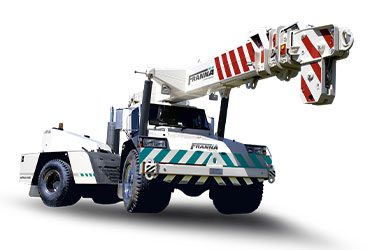
All-terrain cranes address another combination of requirements. Their design allows them to travel on public roads while also providing lifting capability suitable for demanding work environments. That can be relevant where a project requires equipment to move between work zones or operate under changing access conditions.
None of these options is inherently superior. The appropriate choice depends on the project’s geography, duration, lifting requirements, access arrangements and risk profile.
Flexibility Comes With Engineering Responsibilities
The attraction of versatile equipment can sometimes obscure a more important point: crane mobility does not eliminate the need for detailed planning.
Cranes operate under significant loads, and conditions beneath and around the machine can affect the safety of a lift. Ground bearing capacity, gradients, outrigger placement, underground services and overhead hazards all need to be considered before operations begin.
Safe Work Australia identifies a range of crane-related risks, including falling loads, overturning, structural failure and collisions. Its guidance also notes that many crane operations require high risk work licences and that certain cranes and components are subject to registration and inspection requirements.
In NSW, SafeWork guidance similarly emphasises planning, consultation, hazard identification, equipment maintenance and appropriate licensing when operating mobile cranes.
This changes how crane procurement should be viewed. Availability is only one factor. The equipment must also be compatible with the site conditions and the people operating it.
For a Southern Highlands project, that can mean assessing access routes before the crane arrives, determining whether the ground can support the required loads and establishing how the crane will be positioned relative to buildings, services and other construction activities.
The strongest crane strategy is therefore rarely the one based on capacity alone. It is the one that accounts for the interaction between machine, site and construction sequence.
Regulation Is Reshaping the Hiring Decision
Australia’s workplace safety framework is also becoming an increasingly visible part of equipment selection.
Safe Work Australia maintains model work health and safety regulations covering cranes and high risk work, while state and territory regulators apply their own legislative frameworks. In NSW, high risk work licensing categories distinguish between different types and capacities of cranes, including slewing mobile cranes.
For contractors, this means a crane cannot be evaluated solely as a piece of machinery. Operator licensing, inspection status, maintenance records, load charts and manufacturer requirements all form part of the operational picture.
The regulatory environment also reflects a broader change in the industry. Crane safety is increasingly based on systematic risk management rather than simply relying on operator experience.
That does not diminish the importance of skilled operators. It makes their role part of a larger control framework involving engineers, supervisors, site managers and equipment providers.
As projects become more complicated, this integrated approach can influence both the cost and timing of a lift. A poorly planned operation may create delays or require changes after equipment has already arrived. Early assessment, by contrast, can reduce the likelihood of discovering fundamental constraints at the last moment.
Technology Is Changing the Information Behind the Lift
Another shift is taking place through technology.
Digital load monitoring, positioning systems, equipment telemetry and increasingly sophisticated planning tools are giving project teams more information about lifting operations. GPS-based systems can assist with equipment positioning, while load-management technology can provide greater visibility into operating parameters.
The important change is not that technology removes human judgment. It is that it gives decision-makers more information with which to exercise that judgment.
For large or complicated projects, this can improve coordination between lifting operations and the wider construction schedule. Equipment utilisation can be monitored, maintenance requirements can be tracked and operating conditions can be documented more systematically.
Technology also has a role in sustainability. Construction companies are under growing pressure to consider fuel use, unnecessary mobilisation and equipment utilisation. A crane that can be deployed efficiently between planned operations may reduce avoidable movements, although environmental performance still depends on the machine, workload and operating practices.
The future of crane hire is therefore likely to involve more data without necessarily becoming less human. Experienced operators and engineers remain essential because construction sites contain variables that digital systems cannot fully anticipate.
What the Southern Highlands Says About Australia’s Future
The Southern Highlands offers a useful perspective on the broader evolution of Australian construction.
Regional projects may not have the skyline visibility of Sydney’s major developments, but they expose the practical complexity of modern construction. Terrain, access and project sequencing can force decision-makers to think carefully about how lifting equipment will interact with the site.
That makes all terrain crane hire Southern Highlands part of a much larger conversation. The value of a crane increasingly depends on how well it fits the project’s entire operating environment.
Australia’s construction future will not be defined by one crane type. Mobile cranes will remain relevant where flexibility matters. Tower cranes will continue to support sustained high-volume construction. Luffing cranes will have a role where urban airspace is constrained. All-terrain equipment will remain relevant where mobility and lifting capability must work together.
The deeper change is in how those choices are made.
As regulation, technology, safety expectations and construction complexity continue to evolve, crane hire is becoming less of a straightforward procurement exercise and more of a strategic decision. The machines may remain visible above the worksite, but the real transformation is taking place in the planning beneath them.
For Australia’s next generation of construction projects, that may be the most important shift of all: success will depend increasingly not on choosing the biggest machine available, but on understanding precisely what the site, the schedule and the lift require.