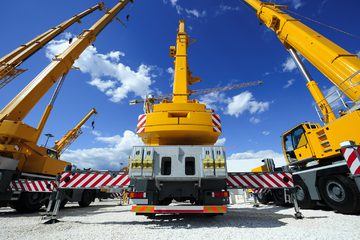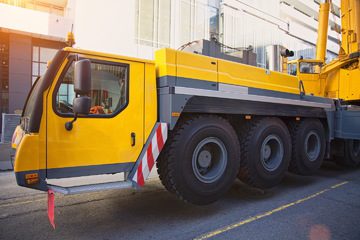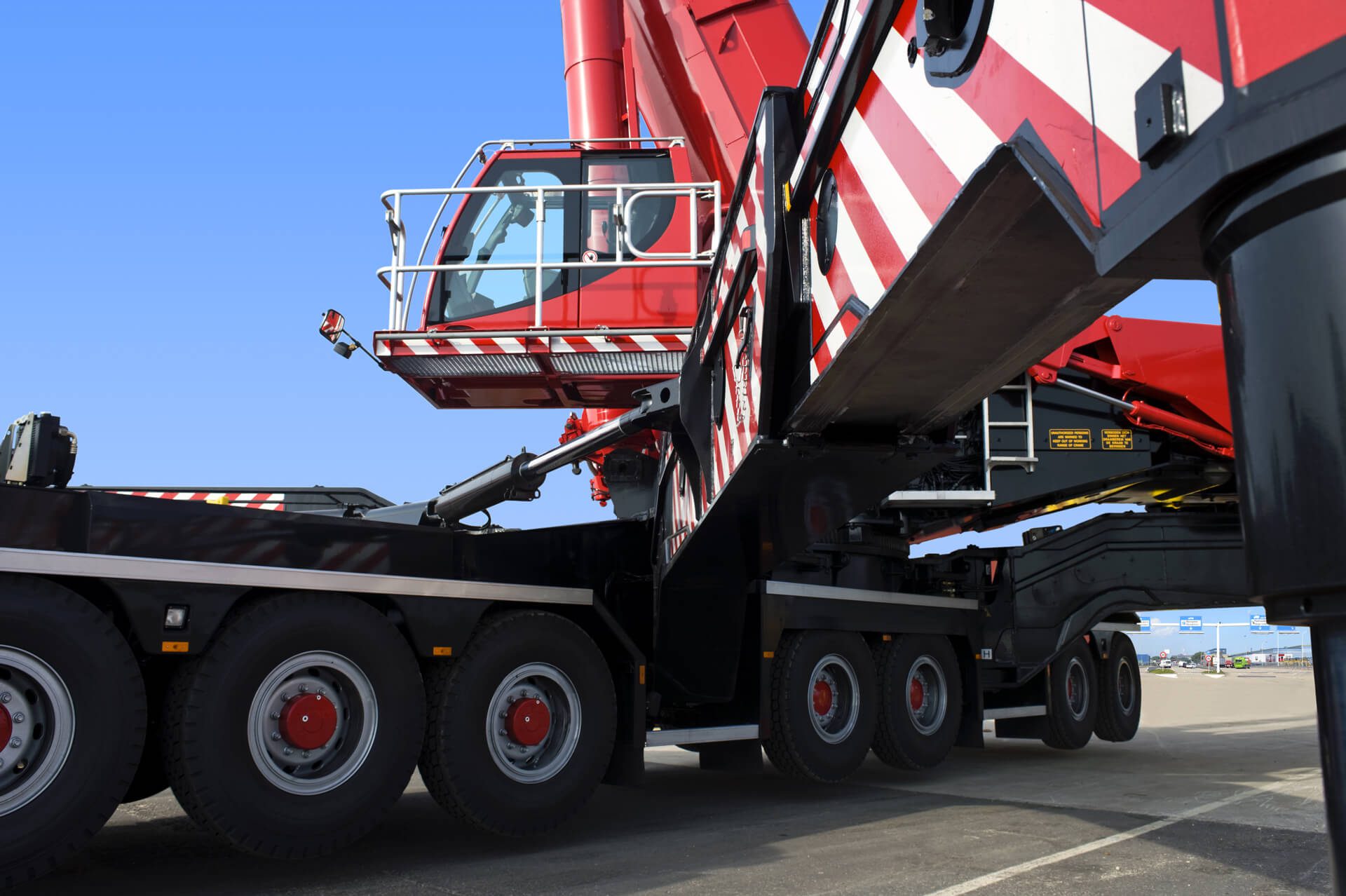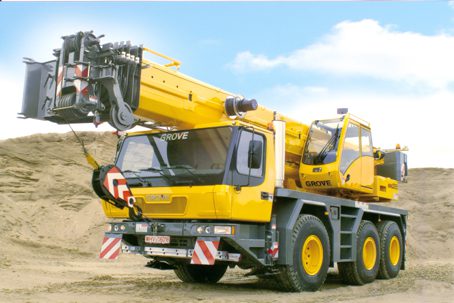
A crane arriving at a construction site is easy to notice. The decisions that determine why it is there are less visible.
In the Southern Highlands of New South Wales, where construction can move between town centres, rural properties, infrastructure corridors and more constrained development sites, those decisions carry particular weight. A lifting operation may depend not only on the weight of a load, but also on road access, terrain, ground conditions, weather, project sequencing and the distance between work areas.
This is why crane hire is becoming a more strategic part of Australian construction. The question is no longer simply which machine can lift a particular load. It is whether the equipment, logistics and operating plan fit the physical realities of the project. The growing interest in all terrain crane hire southern highlands reflects that broader change.
Construction Is Becoming a More Complex Logistics Exercise
Australia’s construction industry is operating in an environment where time, labour and access have become increasingly important variables. Projects must contend with supply-chain pressures, skilled-worker availability, tighter safety expectations and the practical difficulties of building in areas where infrastructure was not designed around large-scale construction activity.
Sydney provides an obvious example of one side of this challenge. As development becomes denser, construction sites have less room for equipment and fewer opportunities to disrupt surrounding roads or properties. A crane must operate within a tightly controlled footprint while other trades continue working nearby.
The Southern Highlands presents a different set of constraints. Sites can be more dispersed, access routes may be narrower, and terrain can vary considerably from one project to another. A development near an established town may have very different requirements from infrastructure work on a rural or semi-rural site.
That variation makes equipment selection a planning decision rather than a simple hire decision.
For some projects, mobile crane hire offers the flexibility to move equipment between work areas as construction progresses. Where lifting requirements are intermittent or spread across several locations, mobility can become more valuable than maintaining a fixed lifting system.
For others, the economics point in another direction.
Different Cranes Reflect Different Construction Problems
A tower crane is fundamentally suited to a different type of project. On a large, long-duration development, particularly a multi-storey building, repeated lifting is central to the construction sequence. Tower crane hire can provide a fixed lifting position capable of supporting sustained operations as materials and structural elements move through the project.
The advantage comes from continuity. Instead of repositioning for every major lifting phase, the crane becomes part of the site’s permanent logistics arrangement for the duration of the relevant work.
But urban density can make that arrangement difficult. On a confined Sydney site, the crane’s operating radius may need to be carefully controlled to avoid neighbouring properties, roads or other structures. In these circumstances, luffing crane hire may be considered because its configuration can help manage lifting operations where horizontal space is limited.
The same logic applies in regional areas, although the constraints are different.
Imagine a Southern Highlands construction project involving structural steel, heavy mechanical equipment or prefabricated components. The site may have sufficient space once the crane is established, but reaching that position could involve difficult access. The ground may require careful assessment, and changing weather could affect the conditions under which lifting takes place.
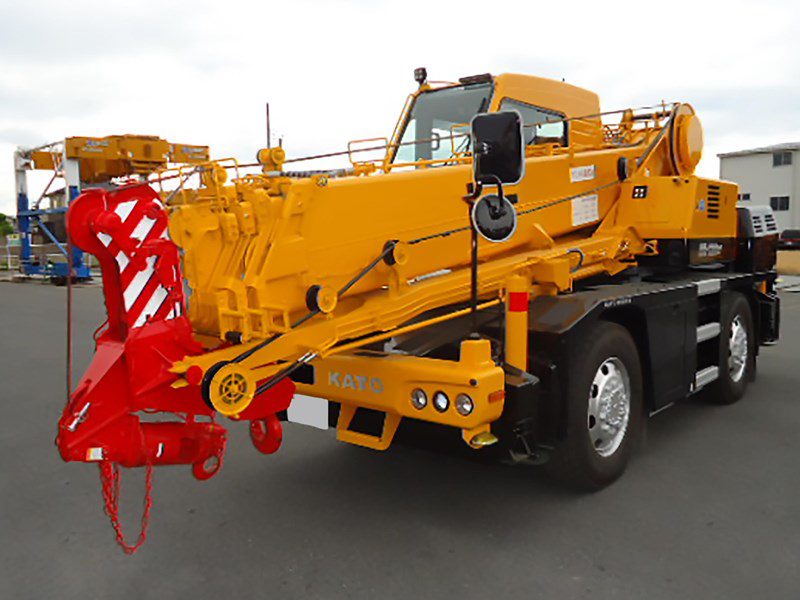
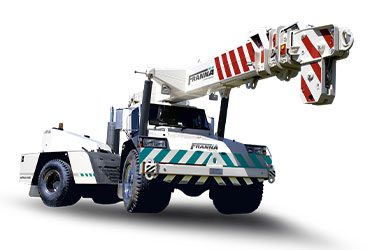
An all-terrain crane can become relevant in this kind of scenario because it combines road mobility with the ability to operate across a range of site environments. Yet the important point is not that the equipment is universally suitable. The machine still needs to match the load, radius, ground conditions, access arrangements and lifting plan.
That is the more important development in crane procurement: greater emphasis on fit rather than assumptions.
The Southern Highlands Makes Site Conditions Harder to Ignore
Regional construction can reveal the hidden costs of poor equipment selection.
A crane that appears appropriate on paper may become inefficient if transport access is difficult or if the site requires extensive preparation before setup. Conversely, a machine with greater mobility may reduce some logistical complications while introducing other considerations, such as transport planning, setup requirements and traffic management.
This is why all terrain crane hire southern highlands should be understood within the wider context of project planning. The crane itself is only one part of the lifting system.
Engineers and project managers need to understand how the machine will arrive, where it will establish, how loads will be moved, what exclusion zones are required and how lifting activities interact with other construction work.
The answer can also change during a project. Early works may require a mobile solution, while later phases may involve different lifting requirements. A project that initially appears straightforward can become more complicated as structures rise, access changes or multiple contractors begin operating simultaneously.
The crane therefore becomes part of the project’s evolving logistics network.
Safety Has Moved Closer to the Procurement Decision
Australian crane operations also sit within a regulatory environment where safety planning is increasingly integrated into project management.
In New South Wales, workplace safety regulators place strong emphasis on managing risks associated with plant, lifting operations and construction activities. For project teams, this means that equipment selection cannot be separated from the conditions in which the equipment will operate.
Ground stability is a particularly important consideration. A crane’s rated lifting capacity does not, by itself, determine whether a lift can be performed safely. Ground conditions, outrigger arrangements, load radius, weather and surrounding activities all influence the actual risk profile.
Operator competency is equally important. The effectiveness of sophisticated equipment depends on trained personnel, appropriate procedures and a lifting plan that reflects the conditions on site.
These requirements are changing the meaning of crane hire. Procurement teams increasingly need to consider safety documentation, equipment suitability and operational planning as part of the same decision rather than treating them as separate administrative exercises.
Technology Is Changing What Project Managers Can See
The evolution is also technological.
Modern lifting operations can incorporate digital load monitoring, positioning systems, equipment tracking and increasingly sophisticated planning tools. These systems can help project teams understand where equipment is operating, how lifting conditions are changing and whether scheduled activities remain aligned with the wider construction program.
GPS-based systems, for example, can support equipment tracking and logistics. Load-management technology can give operators more information about lifting conditions. Digital documentation can also improve communication between site management, crane operators and other contractors.
Technology does not eliminate risk. Nor does it replace experienced judgement. Its importance lies in improving the information available before and during a lift.
That matters particularly in regional construction, where projects may involve greater distances and more complex logistics. Better information can make coordination easier, but it cannot compensate for inadequate site assessment or poor planning.
The technology is therefore most valuable when it supports sound decision-making rather than attempting to replace it.
The Real Measure of Efficiency Is Coordination
There is a tendency to think of crane hire in terms of hourly or daily equipment costs. But that is only one part of the economic calculation.
A poorly matched crane can affect delivery schedules, labour utilisation, traffic arrangements and the productivity of other trades. A delay in one lifting activity can move through the construction program, creating costs that are not visible on the original hire invoice.
This makes crane strategy a question of coordination.
The right equipment depends on the project’s duration, location, load requirements, access constraints and construction sequence. Mobile, tower, luffing and all-terrain cranes each occupy different positions within that decision-making framework.
The objective is not to identify a universally superior machine. It is to understand the relationship between the machine and the work.
Australia’s Regional Construction Future Will Demand Better Decisions
The cranes appearing across Australia’s cities and regional communities are evidence of development, but the more interesting story lies beneath them.
As construction expands beyond metropolitan centres, project teams will increasingly encounter different combinations of terrain, access, density and infrastructure. The Southern Highlands provides a useful example of why a national construction strategy cannot rely on a single model of equipment selection.
Sydney may demand solutions built around density and limited space. A regional infrastructure project may prioritise mobility and access. A long-duration building project may require continuous lifting from a fixed position.
The industry’s future will therefore depend less on simply acquiring greater lifting capacity and more on understanding the conditions surrounding each project.
That is ultimately what modern crane hire represents: not merely the rental of heavy equipment, but a strategic decision about how a project will move materials, manage risk and adapt to the physical realities of the place where Australia is building next.