A crane above a Sydney construction site is easy to read as a symbol of economic activity. The more revealing story is happening below it, where engineers, project managers and procurement teams decide how that crane will work within a site that may have very little room for error.
A lifting operation in an established Sydney suburb can involve narrow access points, active roads, neighbouring buildings, overhead services, restricted working areas and tightly sequenced deliveries. The crane must not only lift the required load; it must fit into an operating environment shared with people, vehicles and other construction activities.
That is changing the role of crane hire. Equipment decisions are increasingly becoming part of project strategy, with mobility, site access, safety, technology and construction sequencing considered together.
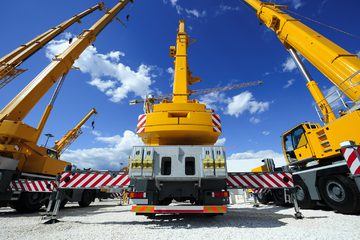
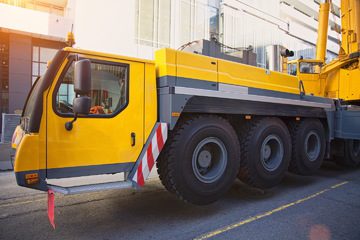
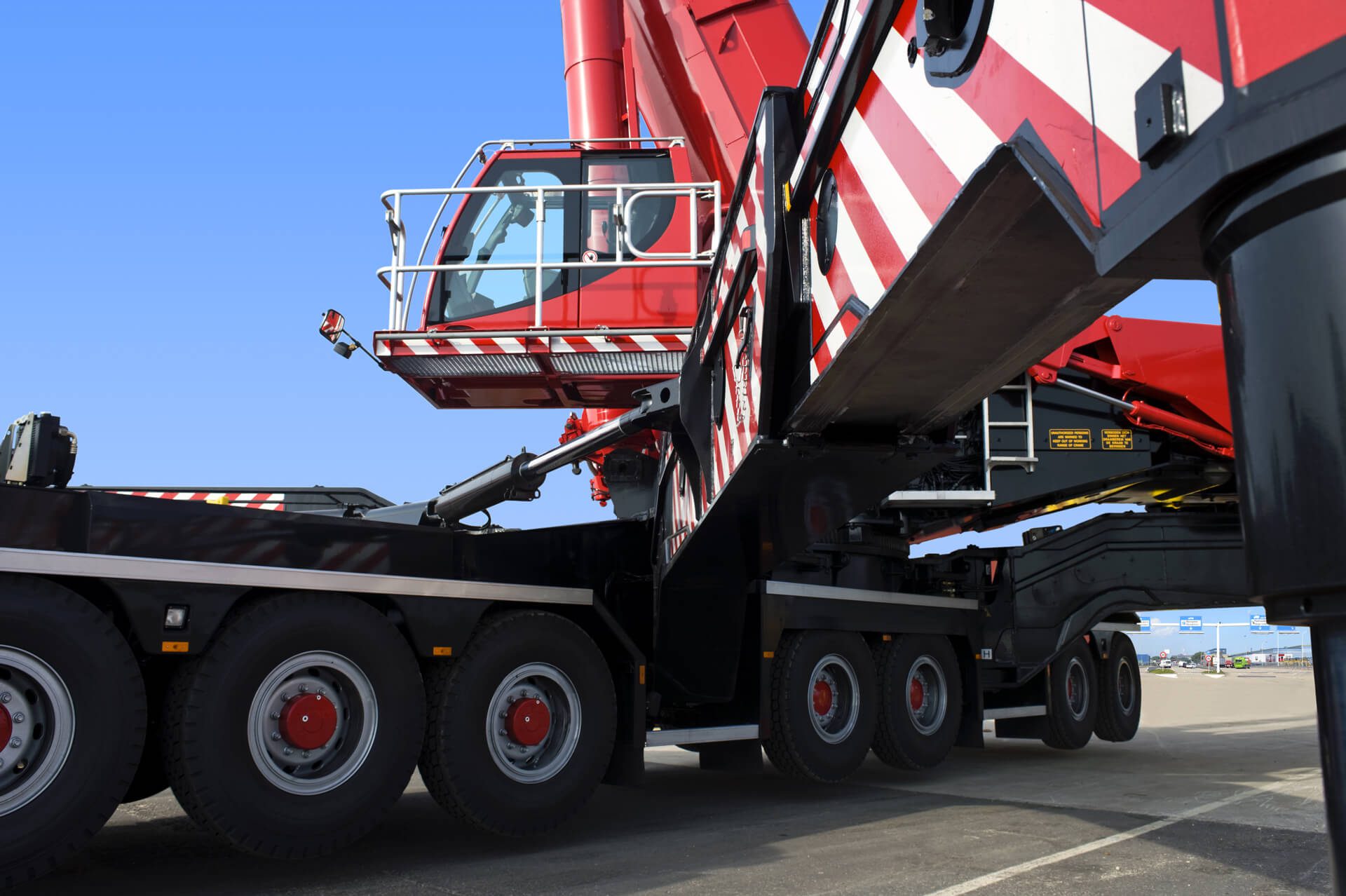
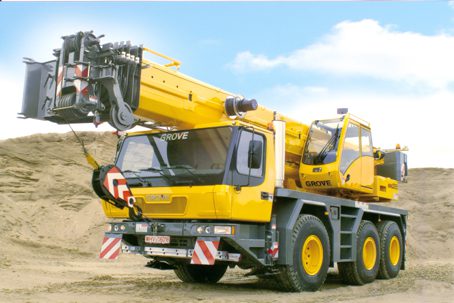
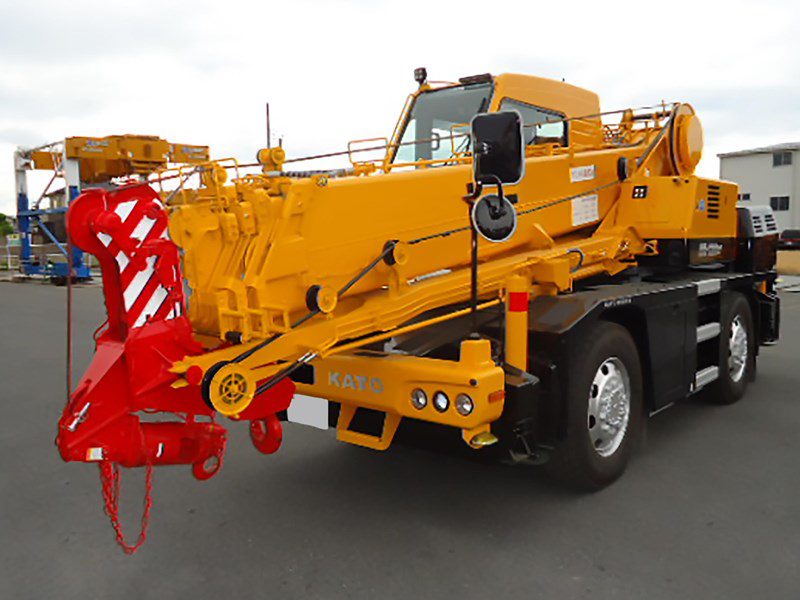
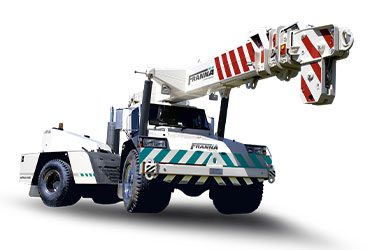
The growing relevance of all terrain crane hire Sydney illustrates this shift. All-terrain cranes can offer a combination of road mobility and substantial lifting capability, but their value depends on whether those characteristics correspond with the particular demands of a project. The important question is not which crane is most capable in isolation. It is which machine makes sense within the physical and commercial realities of the work.
The Construction Site Has Become a More Complicated Place
Sydney’s urban development is occurring within an environment that has already been built up. New projects frequently have to fit around existing transport networks, established commercial areas, residential neighbourhoods and essential infrastructure.
That creates a fundamental constraint: construction needs more capability without necessarily receiving more space.
Consider a project involving the installation of heavy mechanical equipment at a commercial development. Deliveries may need to arrive at specific times because there is limited storage capacity. The crane may have to operate close to a public road while maintaining safe separation from traffic. As the building progresses, the available working area can change.
In such circumstances, lifting equipment influences more than lifting.
Its setup requirements can affect traffic management. Its mobility can affect construction sequencing. Its capacity can influence how materials are delivered. Its operating envelope can affect neighbouring activities.
This is why crane planning increasingly starts earlier in the project lifecycle. When equipment is selected after the construction methodology has already been established, planners may have to adapt an existing strategy around the machine. When crane requirements are considered earlier, equipment can instead become part of the methodology itself.
The distinction is subtle, but financially important.
Crane Types Reflect Different Strategic Needs
The diversity of crane configurations exists because projects create different logistical problems.
Mobile crane hire can make sense where lifting requirements are spread across several locations or where equipment needs to be repositioned as work develops. Infrastructure maintenance, structural installation and industrial projects can involve changing lifting points, making mobility an important consideration.
Tower crane hire serves a different purpose. High-rise developments can require thousands of lifting movements over a prolonged period. Materials must be transported vertically and horizontally as the structure rises, making a stable, long-duration lifting system central to the construction sequence.
Luffing crane hire becomes particularly relevant where the operating envelope is constrained. Dense urban sites can leave little room for a conventional crane arrangement, particularly when neighbouring buildings, roads or other cranes are nearby. A luffing configuration can help project teams manage lifting within more restricted spatial conditions.
All-terrain cranes occupy another part of the spectrum. Their combination of mobility and lifting capability can be useful when a project needs substantial lifting capacity but does not require the permanent installation associated with a tower crane.
A Sydney infrastructure project provides a useful example. Imagine a site where heavy components must be lifted at different stages, access routes change as construction progresses and the work cannot rely on one fixed lifting position. The ability to mobilise and reposition equipment may become a significant operational advantage.
But that does not automatically make an all-terrain crane the correct choice. Ground conditions, load charts, access, setup space, travel requirements and the precise lifting plan still determine suitability.
That is the more mature way to think about crane hire: not as a competition between machine categories, but as a process of matching capability to constraints.
The Economics Extend Beyond the Hire Rate
For procurement teams, the most visible number is often the hire rate. Yet it is rarely the only number that matters.
Mobilisation, setup, transport, traffic management, site preparation, operator requirements and downtime can all affect the real cost of a lifting operation.
A crane that costs less to hire but requires substantial preparation may ultimately have a greater impact on the project budget than a machine with a higher headline rate that fits the site’s logistics more naturally.
The same principle applies to productivity. If a project requires repeated repositioning, equipment that can adapt efficiently to changing work areas may reduce interruptions. If lifting is continuous and concentrated around a fixed structure, a different configuration may provide greater consistency.
This matters because construction schedules are interconnected. Structural delays can affect mechanical installation, internal works and finishing trades. A crane decision made at the procurement stage can therefore influence activities far beyond the crane itself.
The financial question is consequently broader than “What does this machine cost?” It is closer to “What does this equipment choice do to the entire construction sequence?”
Safety Has Become a Planning Issue, Not Just a Compliance Issue
Australian crane operations also sit within a detailed framework of workplace safety obligations.
In New South Wales, SafeWork NSW provides guidance on mobile crane operations, highlighting hazards such as overturning, falling loads and contact with buildings, scaffolding and powerlines. The regulator’s guidance emphasises planning, suitable equipment, maintenance, competent operators and appropriate site conditions.
That makes equipment selection inseparable from risk management.
Ground conditions must support the intended operation. Loads must remain within appropriate limits. Exclusion zones need to protect workers and members of the public. Overhead hazards must be identified. The lifting path needs to be considered alongside other site activities.
Operator competence is equally important. High-risk work licensing requirements apply to specified crane operations in Australia, while dogging and rigging activities can require their own qualifications.
The practical effect is that procurement teams increasingly have to ask more than whether a crane is available on a particular date. They need confidence that the proposed equipment, documentation, operators and operating conditions align with the planned lift.
This represents a wider change in construction culture. Safety is becoming integrated into planning rather than treated as a separate stage that begins once machinery arrives.
Digital Systems Are Changing the Visibility of Crane Operations
Technology is adding another dimension to the process.
GPS positioning, telematics, load monitoring and digital equipment diagnostics can provide project teams with more information about how machinery is positioned and used. Digital planning tools can also help teams evaluate lifting requirements before equipment reaches the site.
The technology does not eliminate uncertainty. Construction remains dependent on physical conditions, weather, ground stability and human judgement.
Its value is in improving visibility.
Better information can help project teams coordinate machinery movement, monitor utilisation and identify operational inefficiencies. In a complex urban environment, even small improvements in coordination can have consequences for access, scheduling and labour productivity.
This is consistent with a broader transformation in construction. Equipment is increasingly becoming part of a project’s digital information environment rather than existing purely as a physical asset.
Sustainability is also entering the calculation. Fuel consumption, equipment utilisation and unnecessary movement affect operating costs as well as environmental performance. Better planning can therefore serve two objectives simultaneously: reducing inefficiency and reducing avoidable resource consumption.
Sydney Offers a Preview of Construction’s Next Phase
The evolution of crane hire reflects a larger transformation in Australian construction.
Urban density is increasing the value of flexible planning. Regulatory expectations are strengthening the connection between equipment and risk management. Technology is giving project teams greater visibility over machinery. Tight construction schedules are making inefficiency more expensive.
None of these developments means that one type of crane will replace another.
Mobile cranes remain useful for flexible lifting operations. Tower cranes remain central to sustained high-rise construction. Luffing cranes can address difficult spatial constraints. All-terrain cranes can provide a particular combination of mobility and lifting capability where site conditions justify it.
The strategic issue is understanding those differences before the equipment is ordered.
Sydney’s future will depend on the ability to construct more within environments where available space, access and time are increasingly constrained. That makes seemingly technical decisions about lifting equipment part of a much larger urban equation.
The crane above the skyline may attract the attention, but the real change is happening in the planning room. As Australia’s cities grow denser, successful construction will increasingly depend on how well equipment decisions connect with safety, logistics, technology and economics.
Crane hire, in other words, is becoming less about moving a load and more about fitting that movement into the complex system required to build a modern city.