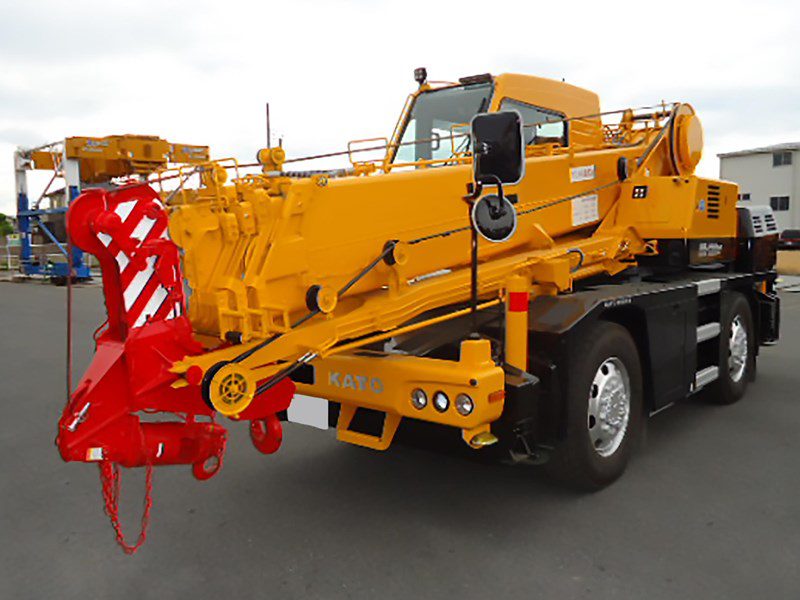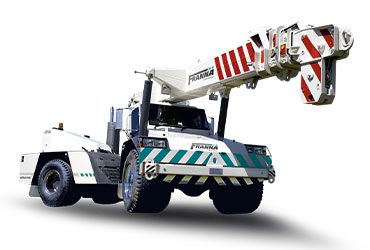
From a distance, a crane on Sydney’s skyline appears to be a straightforward symbol of construction. At street level, however, the machinery represents a much more complicated calculation. A project team must consider access, ground conditions, lifting capacity, traffic, neighbouring structures, safety requirements and the sequence in which work will take place.
That calculation is becoming more important as Sydney continues to build within an already developed urban environment. Construction sites are increasingly surrounded by active roads, existing buildings, utilities and other projects. Space is limited, schedules are closely coordinated and delays can quickly spread across a construction program.
In this environment, all terrain crane hire Sydney is best understood not simply as an equipment choice, but as part of a broader approach to project planning. The value of an all-terrain crane depends on how its mobility and lifting characteristics fit the specific conditions of a site.
The bigger story is what this reveals about Australian construction. Crane hire is becoming less about selecting machinery in isolation and more about integrating equipment decisions with logistics, safety, technology and the changing shape of cities.
The Urban Construction Problem Is Getting Harder
Sydney’s development pressures are creating increasingly complex construction conditions. New residential towers, commercial developments, infrastructure projects and industrial facilities must often be delivered in locations where there is little spare land.
A project might have to lift heavy components beside an operating road while maintaining pedestrian access and coordinating deliveries. Another may involve installing equipment across several areas of a large site, requiring lifting machinery to reposition as work progresses.
These constraints change the economics of crane selection.
A crane with sufficient lifting capacity may still be inappropriate if it cannot access the required position efficiently. Similarly, a machine that works well in an open industrial environment may be less suitable for a tightly bounded urban project.
This is why experienced project teams increasingly consider crane requirements during construction planning rather than treating hire as a late procurement decision. The choice can affect site access, traffic management, labour coordination, material delivery schedules and the overall sequence of construction.
The crane becomes part of the project’s logistics architecture.
Different Projects Require Different Lifting Strategies
The growth of specialised crane configurations reflects the fact that construction sites do not present the same problems.
Mobile crane hire, for instance, is suited to work where flexibility and repositioning are important. Infrastructure maintenance, structural installation and projects involving several lifting locations may benefit from equipment that can move between work areas rather than remaining permanently positioned.
Tower crane hire serves a different purpose. On a high-rise development, lifting is not an occasional task. Structural materials, building components and equipment may need to be moved repeatedly over a long construction period. A fixed tower crane can provide the consistent operating arrangement required for that kind of work.
Luffing crane hire addresses another urban constraint: limited operating space. On a dense site surrounded by neighbouring buildings, the crane’s movement envelope can become a significant planning issue. Luffing configurations can provide a way to manage lifting where available space is restricted and conventional arrangements may create conflicts.
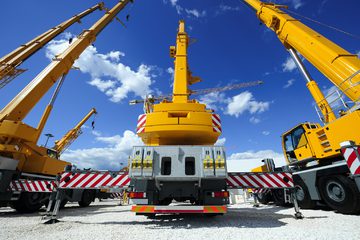
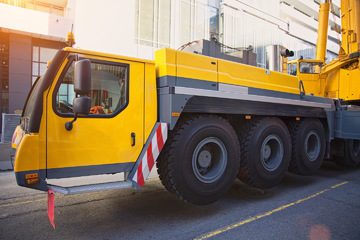
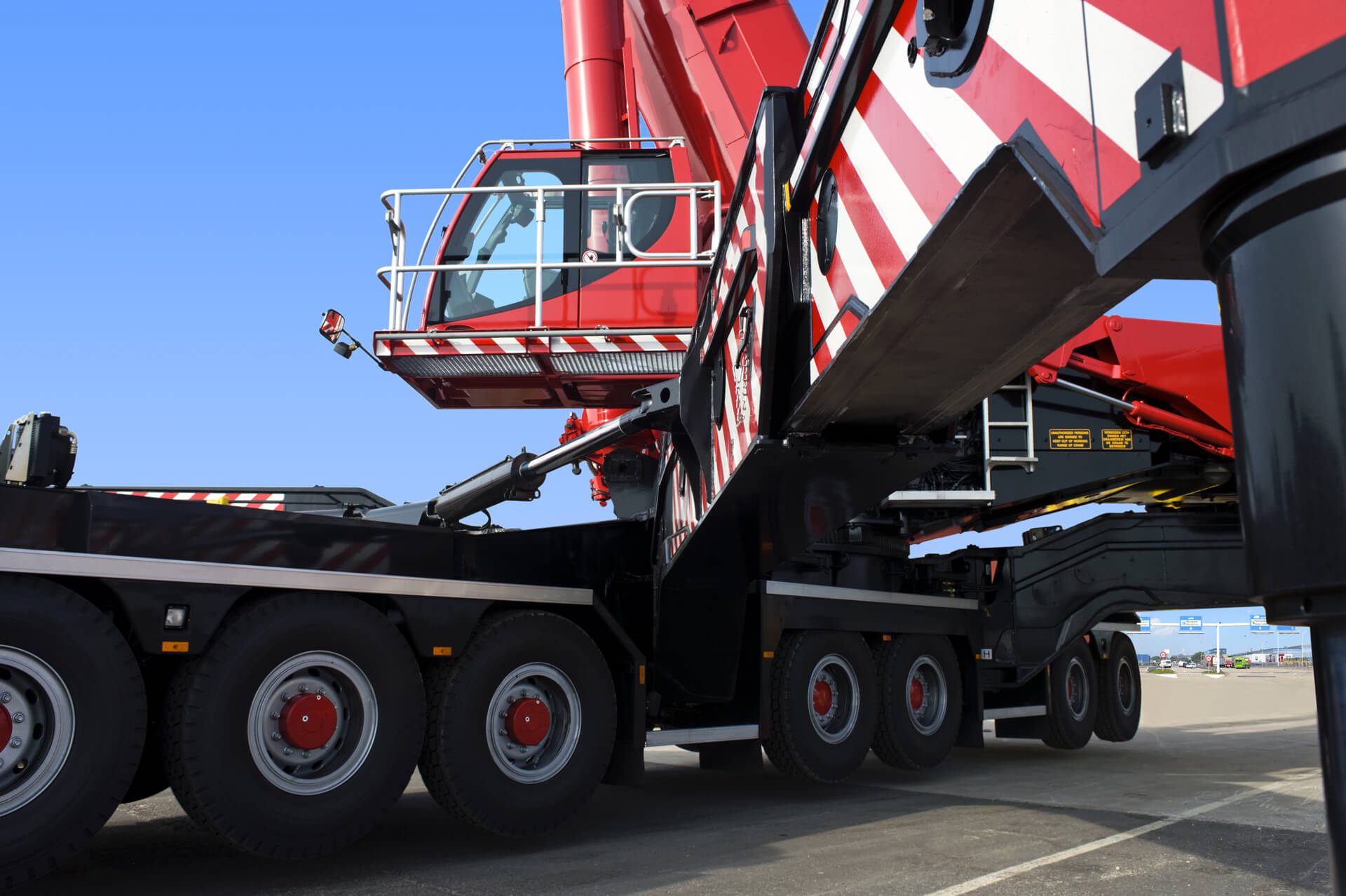
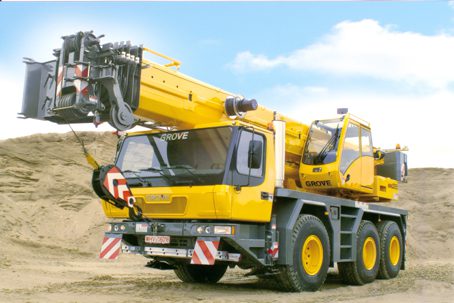
All-terrain cranes occupy a different position. They combine road mobility with substantial lifting capability, which can be useful where a project requires equipment to reach different locations or operate across changing site conditions.
Imagine a Sydney commercial project where large mechanical units need to be positioned at several stages of construction. The site has limited storage space, access changes as the building develops and the project cannot accommodate a permanent lifting structure for the entire construction period.
In such circumstances, an all-terrain crane may provide a practical balance between mobility and lifting capability. The point is not that it is universally preferable. The point is that its characteristics may align with the problem the project is trying to solve.
That distinction is increasingly important in professional crane procurement.
The Hire Rate Is Only Part of the Cost
Crane selection is also becoming a more sophisticated financial decision.
A machine with a lower hire rate may appear attractive, but the headline price does not capture every project cost. Mobilisation time, site preparation, traffic management, repositioning, operator requirements and delays caused by unsuitable equipment can all influence the final economics.
For project managers, the relevant question is therefore not simply how much the crane costs to hire. It is what the crane enables the project to do.
Suppose a lifting operation requires repeated repositioning. A machine that can move efficiently between work areas may reduce interruptions elsewhere in the construction sequence. If another project requires sustained lifting from a fixed location, a different crane configuration may make more economic sense.
These decisions become particularly significant when schedules are tightly connected. A delay in structural installation can affect mechanical services, internal works and subsequent trades. Equipment selection can therefore have consequences far beyond the lifting operation itself.
This is one reason the industry is moving toward a more integrated view of procurement. The cheapest machine is not necessarily the cheapest solution, and the largest machine is not automatically the most efficient one.
Fit matters.
Safety Is Changing the Procurement Conversation
Safety requirements have also made crane selection more strategic.
In New South Wales, SafeWork NSW provides guidance on mobile crane operations and identifies hazards including overturning, falling loads and contact with surrounding structures or powerlines. Its guidance emphasises planning, competent operators, appropriate equipment, maintenance and suitable site conditions.
These requirements mean that a lifting operation cannot be separated from the environment in which it takes place.
Ground bearing capacity, weather conditions, overhead hazards, exclusion zones, load characteristics and the interaction between cranes and other site activities all need to be assessed. A crane that is technically capable of completing a lift may still be inappropriate if the site cannot safely support its operation.
Operator competency is equally important. Australian high-risk work licensing requirements apply to specified crane operations, reinforcing the importance of properly qualified personnel and appropriate supervision.
The broader change is cultural as much as regulatory. Safety is increasingly being considered at the equipment-selection stage rather than treated as a separate compliance exercise after procurement.
That shift has consequences for project planning. Engineers, supervisors, procurement teams and lifting specialists must increasingly work together before machinery reaches the site.
Technology Is Bringing More Information to the Site
Technology is adding another layer to this transformation.
Modern crane operations can incorporate GPS positioning, telematics, load monitoring, digital diagnostics and other systems that provide information about equipment and lifting conditions. These tools can help project teams understand utilisation, coordinate machinery movement and identify operational issues.
Their value lies less in replacing human judgement than in improving it.
A project manager with better information about equipment location can coordinate access more effectively. Digital monitoring can provide greater visibility over machine use. Load-management systems can support decisions about operating within safe parameters.
The trend reflects a wider change across construction. Equipment is increasingly connected to digital planning systems, making machinery part of the information flow of a project rather than simply a physical resource.
Environmental considerations are also entering the discussion. Fuel consumption, unnecessary repositioning and equipment utilisation can affect both operating costs and the environmental footprint of a construction project. Efficient planning can therefore have financial and sustainability implications at the same time.
What Sydney’s Crane Decisions Reveal About Construction
The evolution of crane hire points toward a broader change in Australian construction.
As urban sites become more constrained, flexibility becomes more valuable. As safety expectations increase, equipment selection becomes more closely connected to risk management. As technology improves, project teams gain more information with which to evaluate equipment use. And as construction schedules become more interconnected, the cost of inefficiency becomes harder to isolate.
None of this makes one crane category universally superior.
Mobile cranes, tower cranes, luffing cranes and all-terrain cranes exist because projects have different requirements. The strategic challenge is to understand those requirements accurately before choosing the equipment.
For Sydney, this matters beyond individual construction sites. The efficiency with which buildings, infrastructure and industrial facilities can be delivered affects the city’s ability to accommodate population growth and economic activity within a constrained physical environment.
The cranes visible above Sydney are therefore more than symbols of development. Each one represents a series of decisions about space, time, safety, labour, logistics and cost.
As Australia’s cities continue to grow, those decisions are likely to become increasingly sophisticated. The future of crane hire will not be determined by machinery alone, but by how effectively equipment is integrated into the complex systems that make modern urban construction possible.