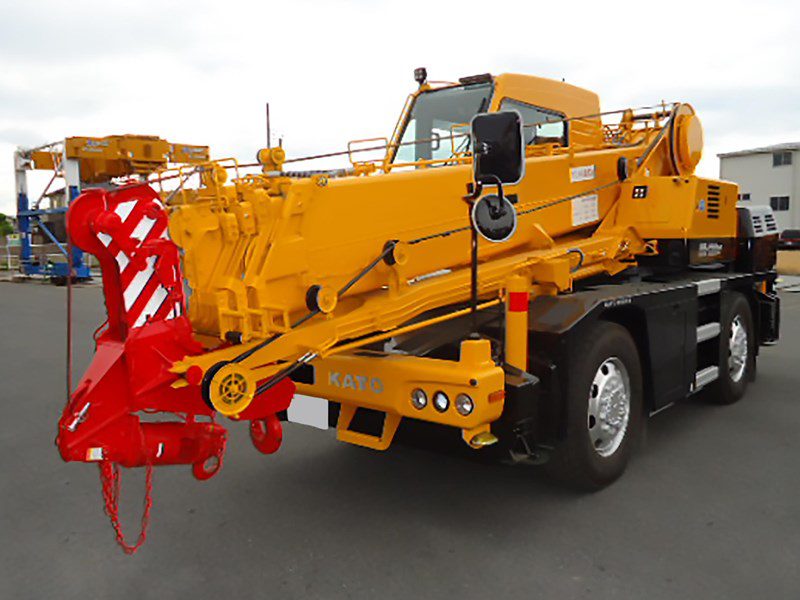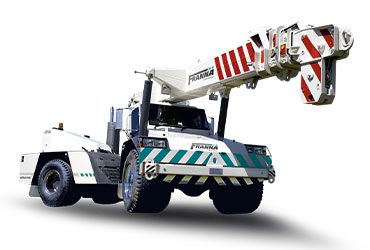
A crane rising above a Sydney construction site can look like a simple sign of progress. But beneath the familiar silhouette is a much more complicated calculation: how to move heavy materials through increasingly constrained spaces, meet demanding project schedules, manage safety risks and adapt to a city where construction rarely happens in isolation.
As Sydney continues to grow and redevelopment pushes deeper into established suburbs, crane selection has become less about equipment alone and more about logistics. The choice of lifting equipment can influence how a site operates, how efficiently materials move and how confidently a project can respond when conditions change.
That is where all terrain crane hire Sydney becomes particularly relevant. These cranes occupy an important position between the flexibility of mobile lifting equipment and the demands of projects that require substantial lifting capacity across varied site conditions. Their significance, however, is best understood as part of a broader shift in how Australian construction projects are being planned and delivered.
Sydney’s Construction Constraints Are Changing
Sydney’s building environment presents a distinctive combination of opportunities and limitations. New commercial, residential and infrastructure projects must often operate alongside existing roads, occupied buildings, utility networks and established communities.
The available footprint can be surprisingly small.
A project may require heavy structural components to be lifted into position while access routes remain open for workers, deliveries and surrounding traffic. On another site, the lifting operation may need to move between different working areas as construction progresses. These circumstances make flexibility increasingly valuable.
At the same time, construction schedules have become more tightly coordinated. Delays in one stage can affect subcontractors, material deliveries and subsequent activities. Equipment therefore has to fit into a broader logistics strategy rather than being treated as an isolated procurement decision.
This helps explain why crane hire decisions are attracting greater attention from project managers and engineers. The question is no longer simply whether a crane can lift a particular load. It is whether the selected machine can perform that task within the physical, operational and regulatory realities of the site.
Matching Crane Type to the Work
Different crane configurations exist because construction sites present different problems.
Mobile crane hire, for example, can be particularly useful when flexibility and repositioning matter. A mobile crane can support projects where lifting requirements change across locations or where equipment must be moved as site activities progress. This can be valuable for infrastructure work, industrial installations, maintenance operations and construction projects with multiple lifting points.
Tower crane hire addresses a different requirement. On a major high-rise development, lifting becomes a continuous part of the construction process. Materials may need to travel vertically and horizontally across a substantial structure over an extended period. A tower crane can provide the consistent working arrangement required for that type of operation.
Luffing crane hire becomes relevant when the surrounding environment creates tighter spatial constraints. In dense urban areas, a crane’s operating envelope can matter as much as its lifting capacity. A luffing configuration can help projects manage restricted airspace and confined sites where conventional crane arrangements may create difficulties.
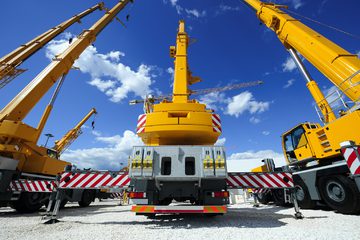
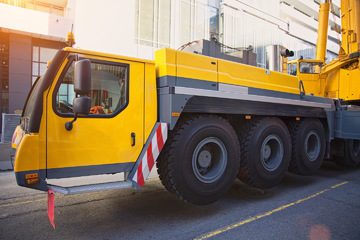
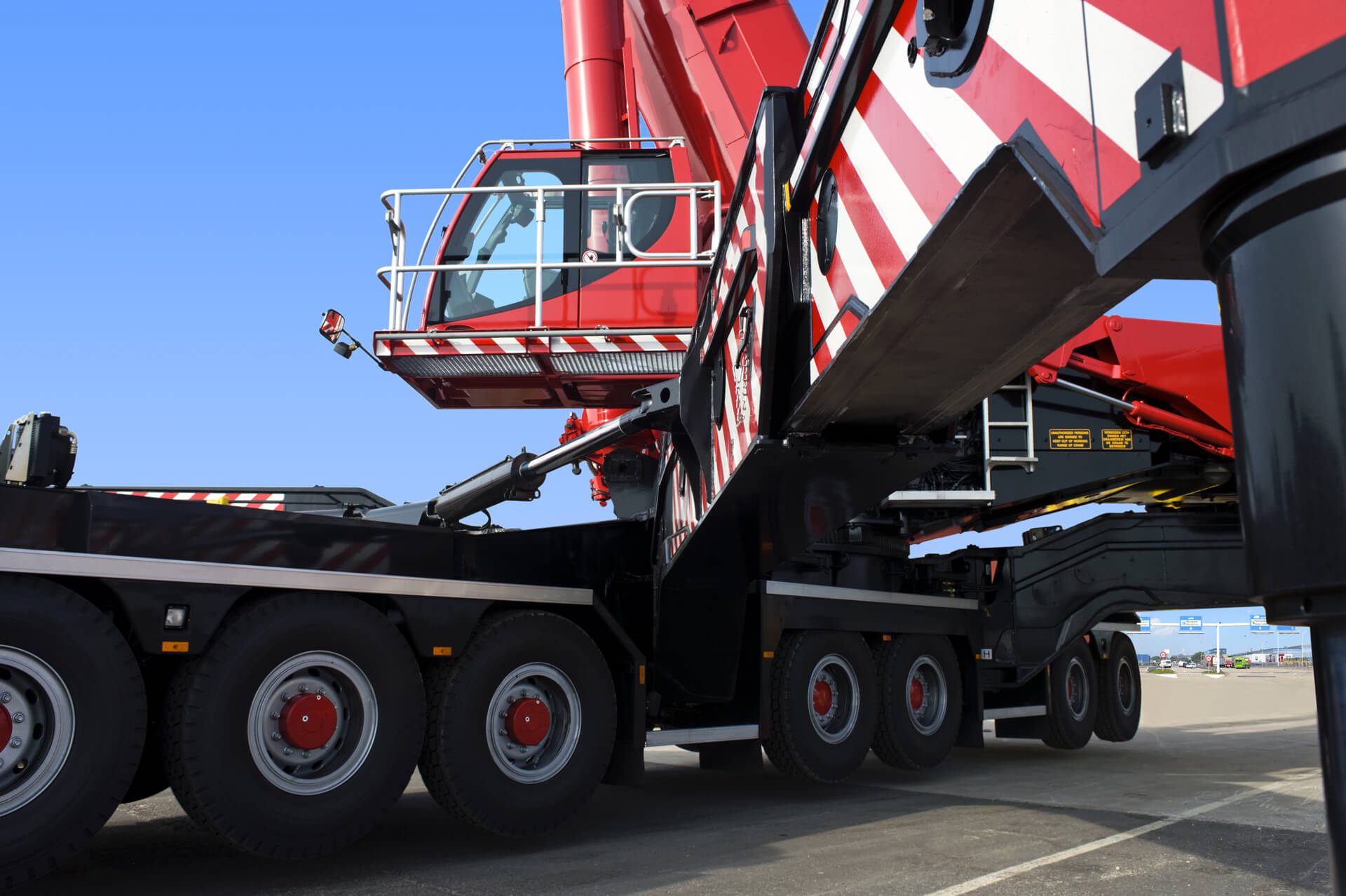
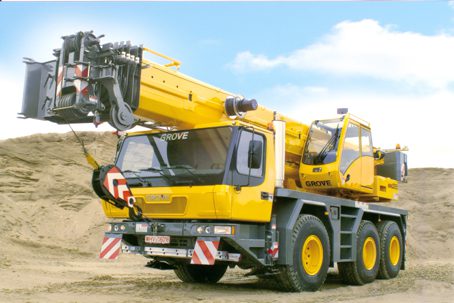
All-terrain cranes occupy another important niche. Their combination of road mobility and substantial lifting capability can make them suitable for projects where equipment needs to travel between locations or operate across changing ground and access conditions.
A typical Sydney project might involve installing large mechanical equipment at a commercial facility, positioning structural components on a constrained development site or supporting infrastructure work where access changes during construction. In such circumstances, all terrain crane hire Sydney is not simply an equipment search term. It represents a particular operational question: how much mobility, reach and lifting capability does the project actually require?
The Economics Behind Equipment Selection
Crane selection also has a financial dimension that extends beyond the hourly or daily hire rate.
A machine that appears less expensive on paper may not necessarily produce the lowest overall project cost if it requires extensive repositioning, additional site preparation or complicated logistics. Conversely, hiring a larger or more versatile machine can be inefficient if its capabilities exceed what the work actually requires.
Project managers therefore increasingly have to consider the total operational effect of equipment selection.
Mobilisation, access requirements, traffic management, setup time, operator availability and the sequence of lifts can all influence the economics. A crane that fits naturally into the project’s workflow may reduce interruptions elsewhere, even when its headline hire rate is not the lowest available.
This is one reason crane hire is increasingly connected to early project planning. Procurement teams that become involved only after the construction methodology has been established may have fewer options. Earlier consideration allows lifting requirements to influence site logistics rather than forcing equipment to accommodate a plan that was designed without it.
Safety Is Becoming More Integrated With Planning
The other major change is the growing emphasis on risk management.
Australian crane operations are governed by workplace health and safety requirements, relevant state regulations, manufacturer instructions, lifting plans and competency requirements. In New South Wales, regulators such as SafeWork NSW play an important role in overseeing workplace safety and high-risk construction activities.
The practical effect is that lifting operations cannot be separated from the broader management of site risk.
Ground conditions, load characteristics, exclusion zones, overhead hazards, weather, power infrastructure and interaction with other construction activities all need consideration. A technically capable crane can still be unsuitable if the surrounding conditions cannot support safe operation.
This has encouraged a more methodical approach to planning. Lift studies, site assessments and equipment checks increasingly form part of the decision-making process before machinery arrives.
The operator remains central to this system, but modern crane operations also depend on coordination between engineers, supervisors, planners, riggers and other site personnel. Safety has consequently become less about a single piece of equipment and more about how the entire lifting operation is designed.
Technology Is Changing What Crane Hire Can Deliver
Technology is adding another layer to this evolution.
Modern lifting equipment can incorporate systems for load monitoring, positioning, diagnostics and operational data. GPS and telematics can improve visibility over equipment location and utilisation, while digital planning tools can help project teams assess lifting requirements before work begins.
These technologies do not remove the need for experienced judgement. Instead, they provide additional information for people responsible for making decisions.
That distinction matters. Construction remains a physical industry, and variables such as ground conditions, weather and site congestion cannot always be predicted perfectly. Technology is most useful when it helps teams identify those variables earlier and respond more effectively.
There is also increasing pressure to consider environmental performance. Construction companies are examining fuel consumption, equipment utilisation and unnecessary movement as part of broader efforts to manage project costs and emissions. A crane that can be deployed efficiently and used productively may therefore have value beyond its immediate lifting function.
A More Strategic View of Crane Hire
The broader lesson from Sydney is that crane hire is becoming increasingly connected to the way cities themselves are being built.
As urban sites become more constrained, construction equipment must operate within a network of competing demands. Roads have to remain accessible. Neighbouring properties must be protected. Workers need safe movement corridors. Deliveries must arrive at precise times. Projects must meet increasingly complex planning and safety requirements.
Under these conditions, flexibility has strategic value, but flexibility does not mean choosing the most versatile machine available. It means choosing equipment that matches the actual problem.
That is why the distinction between mobile, tower, luffing and all-terrain cranes matters. Each reflects a different response to the physical and logistical conditions of construction.
Sydney’s future development will depend on thousands of decisions that rarely attract public attention. Crane selection is one of them. Yet these decisions influence how efficiently buildings rise, how safely infrastructure is installed and how construction can coexist with a dense urban environment.
The next phase of Australian construction is unlikely to be defined by a single crane type or technology. It will be defined by better integration between equipment, planning, safety and site conditions. In that sense, the crane on the skyline is not merely a symbol of construction. It is evidence of the increasingly sophisticated decisions required to make urban growth possible.