A construction site in Western Sydney can look deceptively straightforward from the street. Behind the fencing, however, a project may involve restricted access, uneven ground, tight delivery schedules and several trades working within the same footprint. As development expands across the region, the machinery used to move heavy materials is becoming less of a background consideration and more of a strategic decision.
This is where all terrain crane hire western Sydney fits into a broader change taking place across Australian construction. The issue is not simply whether a crane can lift a particular load. Project managers increasingly have to consider how equipment will reach the site, operate safely, reposition when conditions change and support a construction schedule without creating unnecessary disruption.
Western Sydney illustrates this shift particularly well. The region combines established industrial areas with expanding residential communities, transport infrastructure, commercial developments and large-scale construction projects. Each environment presents different lifting requirements. A crane that works efficiently on a spacious industrial site may not be suitable for a project where access, ground conditions and traffic management create additional constraints.
Why Crane Decisions Matter More in a Growing Region
Construction growth changes the logistics of lifting. As sites become more active and land becomes more valuable, there is less room for equipment to operate without careful planning. Contractors may have to coordinate deliveries, excavation, structural work and lifting operations within increasingly compressed spaces.
At the same time, project schedules leave little tolerance for avoidable delays. A lifting operation can influence several activities that follow it, particularly when structural components, plant equipment or prefabricated materials need to be positioned at specific stages of construction.
This makes crane selection part of project planning rather than a decision made in isolation. The question is not simply which machine has sufficient lifting capacity. It is whether the equipment matches the site’s access conditions, working radius, ground characteristics, load requirements and operational timetable.
For Western Sydney projects, those considerations can be particularly significant because construction environments vary considerably. A commercial development beside a major road presents different challenges from an industrial project on a larger parcel of land or infrastructure work extending across several locations.
The Role of All-Terrain Cranes
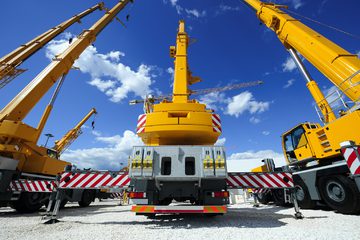
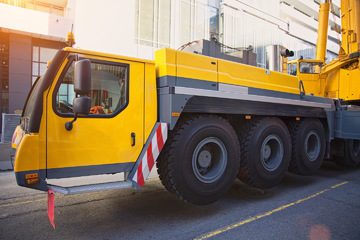
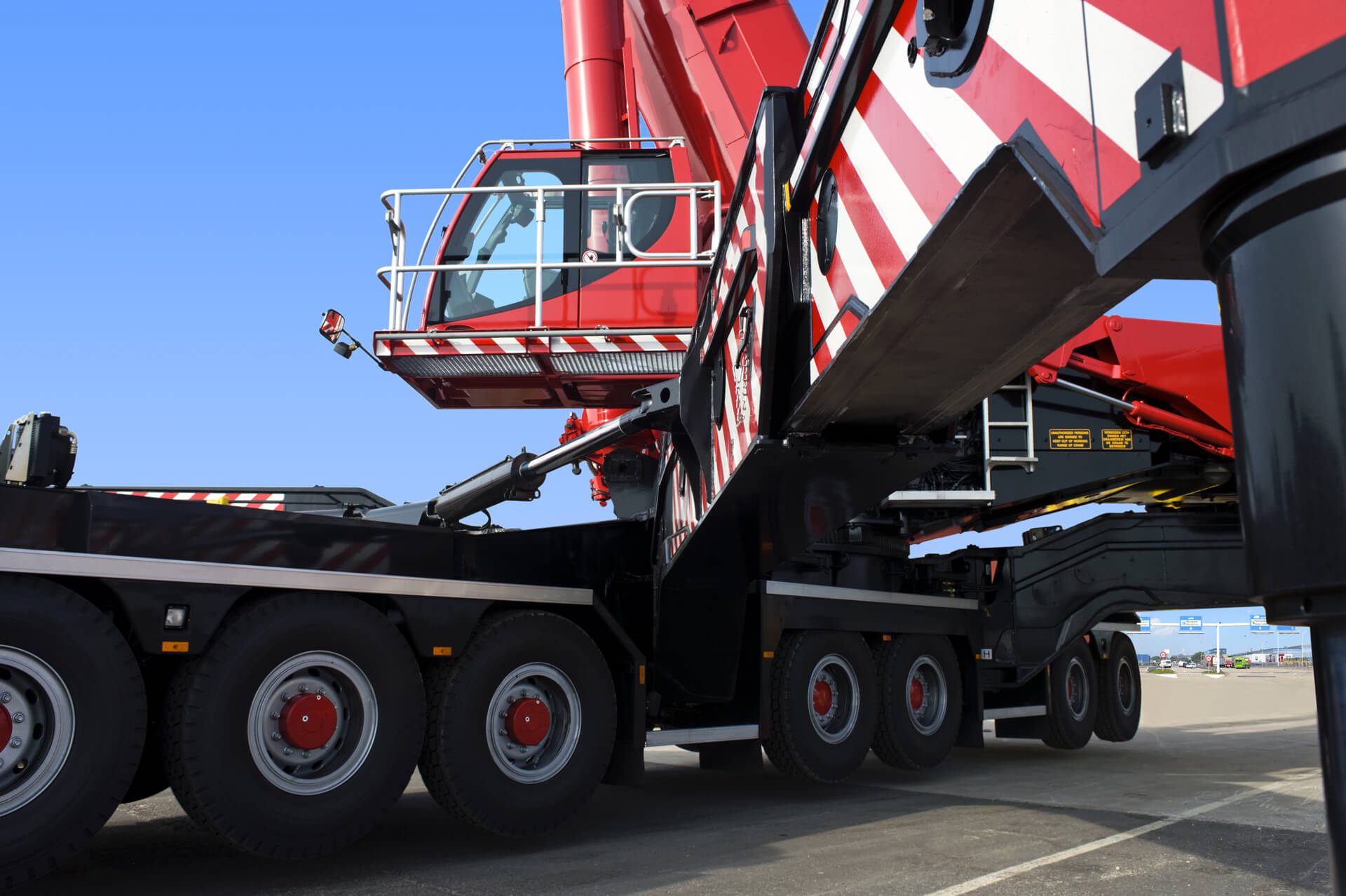
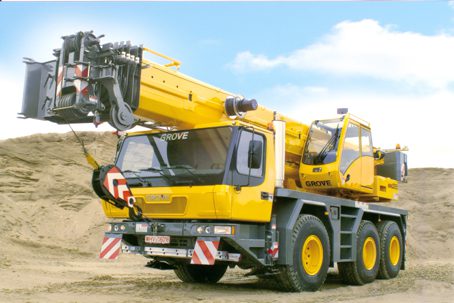
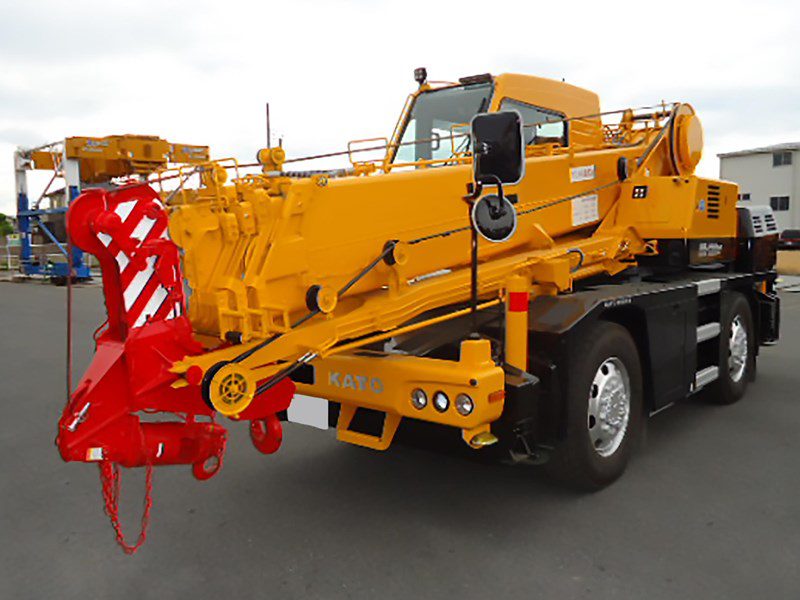
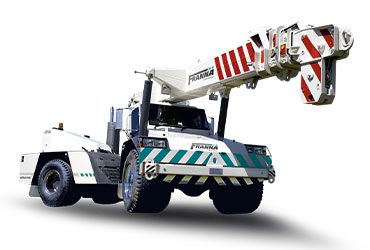
All-terrain cranes occupy an interesting position within this changing landscape. Their design allows them to combine characteristics associated with road mobility and off-road capability, making them suitable for projects where equipment may need to travel between locations and then operate under more demanding site conditions.
That flexibility can matter when construction schedules require lifting equipment to move rather than remain permanently positioned in one location. Instead of treating mobility and lifting performance as separate considerations, project planners can assess how the crane’s ability to access and reposition itself affects the wider workflow.
This is especially relevant when a site includes variable surfaces or when access routes change as construction progresses. A crane may initially operate from one area and later need to reposition as structural work advances. The practical value lies not in the machine’s label but in how its capabilities correspond with the project’s physical constraints.
The same principle applies across other crane categories. Mobile crane hire can provide flexibility for projects involving changing work locations and shorter lifting operations. Tower crane hire is more closely associated with sustained work on high-rise and large vertical construction projects, where equipment remains positioned to support repetitive lifting over an extended period.
Meanwhile, luffing crane hire can become relevant when a project operates within a restricted urban footprint and requires careful control of the crane’s working envelope. These distinctions demonstrate why crane selection cannot be reduced to a simple ranking of equipment types.
Western Sydney’s Access Challenge
Access is often one of the less visible factors influencing crane operations. A project may have adequate space on paper but still present practical difficulties because of surrounding roads, neighbouring properties, overhead restrictions, temporary structures or other site activities.
The arrival and positioning of heavy lifting equipment therefore require planning beyond the construction boundary. Traffic arrangements, ground preparation, exclusion zones and coordination with other contractors can all affect whether an operation proceeds efficiently.
For a project manager considering all terrain crane hire western Sydney, this means evaluating the complete operating environment. The crane must be compatible not only with the intended load but also with the route into the site and the conditions under which it will work.
This approach becomes increasingly important as construction moves into areas where residential, commercial and infrastructure activity overlap. A lifting operation can have consequences beyond the immediate site, particularly where public roads or neighbouring businesses are involved.
Safety Has Become a Planning Issue
Safety requirements have also changed the way lifting operations are approached. Australian construction operates within established workplace health and safety frameworks, with regulators and industry bodies placing strong emphasis on competent operation, risk management and appropriate planning.
For crane hire decisions, safety is therefore not simply an operator issue. It begins before the equipment arrives. Site conditions, lifting plans, load characteristics, ground stability, weather considerations and interactions with other work activities can all influence the risk profile.
The increasing use of technology is adding another layer to this process. Digital monitoring, positioning systems and load-management technologies can provide operators and project teams with more information about equipment performance and operating conditions. Technology does not remove the need for experienced personnel or proper planning, but it can support better visibility during complex lifting activities.
The broader change is cultural as much as technological. Crane operations are increasingly treated as integrated components of project risk management rather than isolated mechanical tasks.
The Economics Behind Equipment Selection
There is also a financial dimension that is easy to overlook. Hiring a crane involves more than the daily equipment rate. Mobilisation, transport, site preparation, operator requirements, traffic management and the potential cost of delays can all influence the overall economics of a lifting operation.
Choosing equipment that does not match the project can create indirect costs. An unsuitable crane may require additional repositioning, generate scheduling conflicts or complicate access arrangements. Conversely, equipment that is appropriately matched to the site’s requirements can support a more predictable workflow.
This does not mean that the largest or most versatile crane is automatically the most economical choice. Overspecifying equipment can create its own inefficiencies. The objective is to establish a fit between the crane, the load, the site and the project’s sequence of work.
That principle is becoming increasingly important as construction businesses face pressure to control costs while maintaining delivery schedules.
What This Means for Australia’s Construction Future
Western Sydney offers a useful example of a wider Australian trend. As cities expand, construction sites rarely become simpler. They become more constrained by competing land uses, infrastructure networks, safety requirements, environmental considerations and increasingly complex project schedules.
Crane hire is consequently evolving from a straightforward equipment decision into a more integrated part of construction planning. Mobility, lifting capacity, site access, technology and regulatory compliance increasingly have to be considered together.
For contractors and project managers, the significance of all terrain crane hire western Sydney lies in this broader shift. The value of the equipment is determined by how effectively it fits the conditions of the project rather than by specifications viewed in isolation.
As Australian cities continue to grow, that distinction will matter more. Construction will still depend on machines capable of moving enormous loads, but the more important question will increasingly be how intelligently those machines are selected, positioned and integrated into the work around them.
The cranes visible above Australia’s construction sites may remain symbols of physical growth. What is changing is the decision-making beneath them.