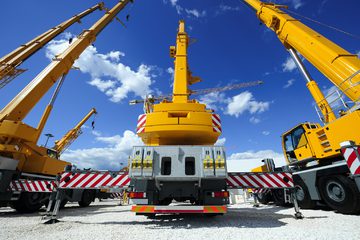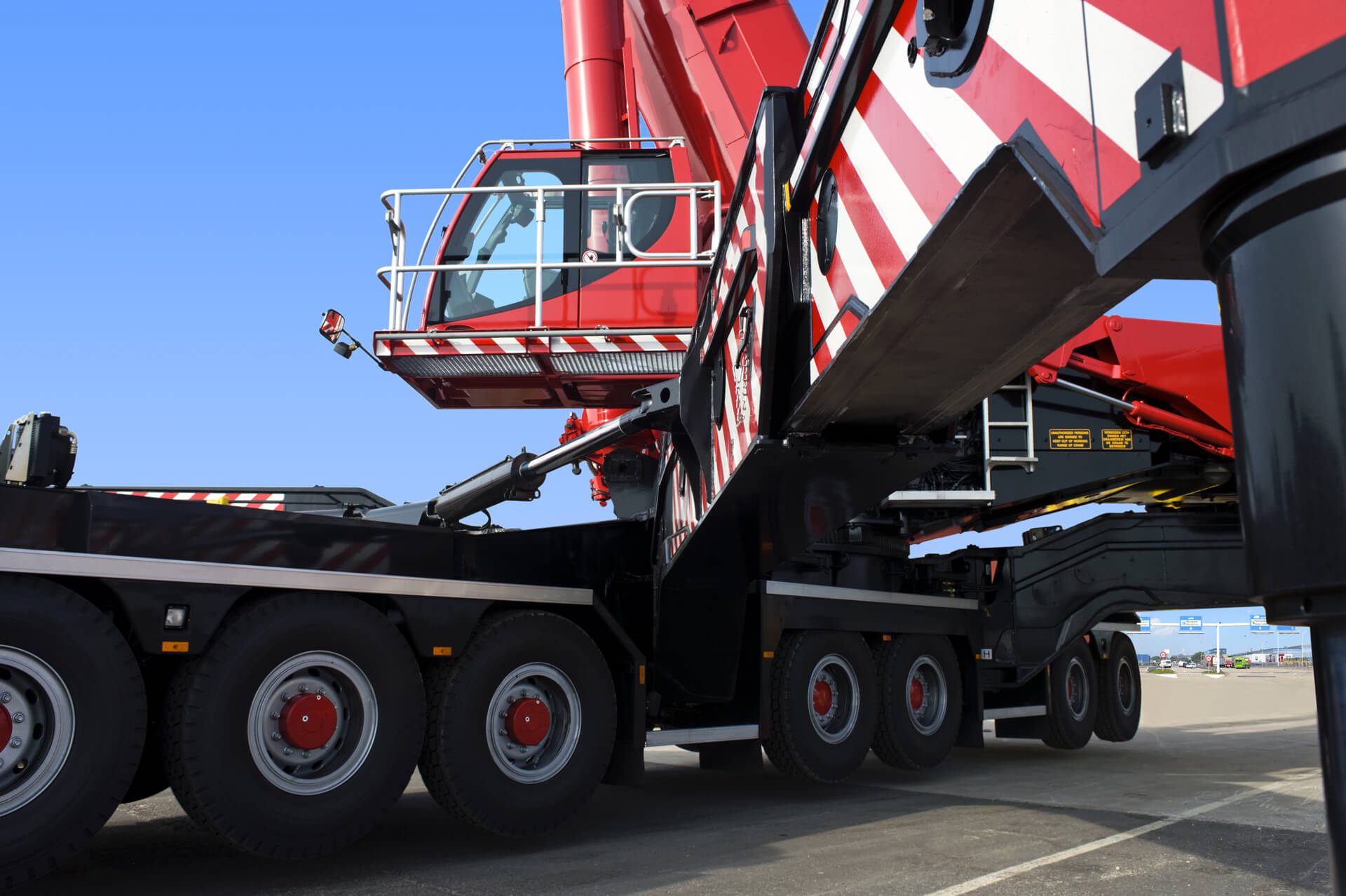
On any given morning in Northern Sydney, the skyline tells a familiar story. A residential tower inches upward beside an operating commercial precinct. A bridge maintenance crew works within narrow traffic windows. A healthcare expansion unfolds only metres from busy public streets. Above each project, cranes move quietly through carefully orchestrated routines, often unnoticed by everyone except the people responsible for delivering the work safely and on schedule.
Yet those cranes represent far more than heavy lifting equipment. Increasingly, they reflect a series of strategic decisions about urban planning, workforce availability, safety compliance, and project efficiency. In Australia’s evolving construction environment, choosing the right lifting solution has become an important part of infrastructure planning rather than a routine procurement exercise.
This shift is particularly visible across Northern Sydney, where mature suburbs, constrained worksites, expanding transport infrastructure, and growing commercial developments require construction teams to balance productivity with increasingly complex site conditions.
A Different Construction Environment Demands Different Decisions
Australian construction has entered a period where complexity often matters more than sheer project size. While major developments continue across metropolitan centres, the challenge is rarely finding space to build. Instead, it is finding ways to build efficiently within spaces already surrounded by roads, businesses, public transport, and existing communities.
Projects today frequently operate under stricter environmental controls, tighter delivery schedules, and greater public scrutiny than they did a decade ago. Local governments expect minimal disruption. Communities demand improved safety management. Developers face increasing pressure to deliver projects despite labour shortages and rising material costs.
These pressures have quietly elevated crane hire from an operational decision to a strategic one.
Rather than simply asking what machine can lift a particular load, project planners increasingly consider site accessibility, setup time, transport logistics, surrounding infrastructure, and regulatory obligations before selecting lifting equipment.
Matching the Crane to the Urban Challenge
One reason crane strategy has become more sophisticated is that no single crane type fits every project.
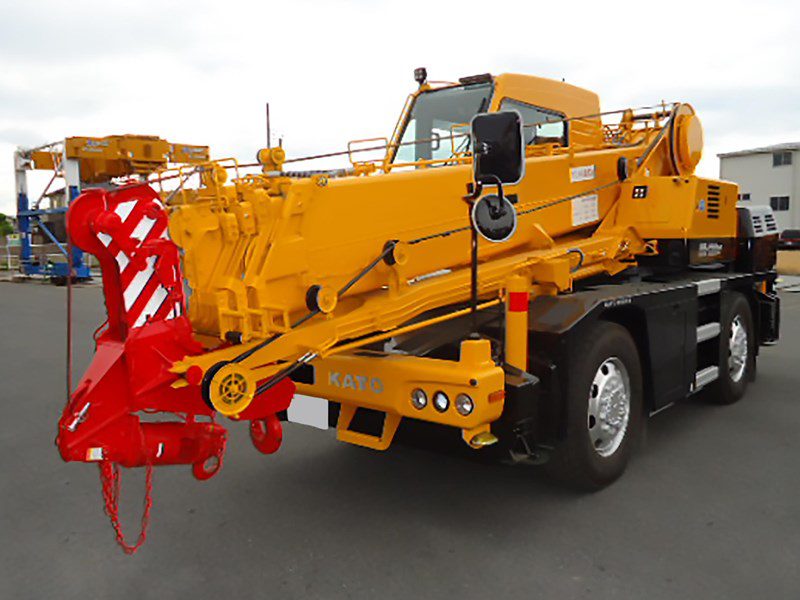
For developments involving multiple locations or rapidly changing work fronts, mobile crane hire remains an attractive option because of its flexibility. Mobile cranes can relocate efficiently between sites, reducing downtime for infrastructure upgrades, utility projects, and commercial maintenance works where schedules change frequently.
High-rise construction presents a different challenge altogether. Once construction reaches significant height, tower crane hire becomes the logical solution for maintaining continuous lifting operations over many months. Their fixed position supports repetitive movement of structural steel, concrete elements, mechanical systems, and façade materials while minimizing disruption within dense construction zones.
Space constraints introduce another layer of complexity. In tightly developed urban precincts, luffing crane hire often becomes essential because its shorter operating radius allows lifting operations where neighbouring buildings leave little room for conventional crane movement. This makes it particularly valuable in established commercial districts where available airspace is limited.
Each choice reflects a different understanding of risk, efficiency, and project sequencing rather than simple lifting capacity.
Northern Sydney’s Unique Infrastructure Constraints
Northern Sydney offers an instructive example of why crane selection has become increasingly nuanced.
Unlike large greenfield developments, many projects occur within existing neighbourhoods where construction must coexist with schools, hospitals, retail centres, residential communities, and busy transport corridors. Access roads can be narrow. Working hours may be restricted. Space for equipment staging is often limited.
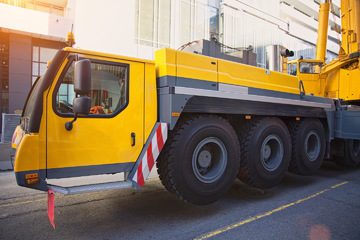
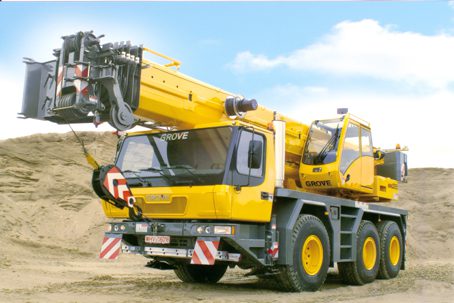
Under these conditions, all terrain crane hire northern Sydney has become a practical solution for projects requiring both mobility and lifting capability across varied environments. These cranes are designed to travel efficiently between locations while maintaining the stability and capacity needed for demanding lifting operations once on site.
Whether supporting bridge maintenance, commercial redevelopments, telecommunications upgrades, or institutional expansion projects, this versatility helps contractors adapt to changing site conditions without compromising operational efficiency.
The significance lies less in the equipment itself than in its ability to accommodate increasingly complicated urban logistics.
Regulation Has Quietly Changed the Industry
Behind every visible construction project is an expanding framework of regulation that has reshaped crane operations across Australia.
State regulators, including WorkSafe authorities and workplace safety agencies, have steadily strengthened expectations around planning, operator competency, lift supervision, exclusion zones, and risk management. These developments reflect broader industry recognition that safe lifting depends as much on preparation as on machinery.
Today’s lifting operations involve detailed engineering assessments, documented lift plans, weather monitoring, communication protocols, and increasingly sophisticated digital recordkeeping.
Many operators now integrate GPS fleet monitoring, electronic maintenance reporting, load management technology, and real-time equipment diagnostics into daily operations. These systems improve transparency while allowing project managers to identify potential issues before they interrupt construction schedules.
Technology has therefore become less about automation and more about improving decision-making across increasingly complicated projects.
Labour Pressures Are Changing Procurement Strategies
Australia’s construction sector continues to experience pressure from skilled labour shortages, particularly in specialised trades and heavy equipment operations.
This reality has altered procurement behaviour.
Instead of relying solely on equipment availability, project managers increasingly evaluate whether lifting solutions can reduce installation time, minimise onsite congestion, or simplify project sequencing. A crane capable of completing complex lifts efficiently may reduce overall project disruption even if the equipment itself represents only one component of the construction budget.
The conversation has shifted from individual machinery costs toward broader questions about project productivity, scheduling certainty, and workforce efficiency.
In this environment, crane hire decisions increasingly influence outcomes well beyond lifting operations.
Sustainability Is Becoming Part of the Conversation
Environmental performance is also beginning to shape equipment selection in subtle ways.
Construction clients are paying greater attention to fuel consumption, transport efficiency, equipment utilisation, and unnecessary machine movements across projects. While cranes remain heavy industrial assets, better planning can reduce idle time, duplicate transport, and operational inefficiencies that contribute to emissions.
Digital scheduling systems now help coordinate deliveries and lifting activities with greater precision, allowing projects to reduce congestion and unnecessary equipment deployment.
Sustainability, in this context, is becoming less about adopting entirely new technologies and more about making existing operations smarter.
The Future Will Reward Better Decisions
Australia’s cities will continue to grow upward and inward. Population growth, infrastructure investment, urban renewal, and housing demand ensure construction will remain central to economic development for years to come.
That future will place increasing pressure on planners, developers, engineers, and contractors to make better decisions long before the first structural element is lifted into place.
The cranes visible across Northern Sydney are only the most obvious symbols of that transformation. The more significant change is happening behind the scenes, where procurement strategies increasingly integrate engineering judgement, regulatory compliance, digital technology, workforce realities, and urban planning into a single decision-making process.
Viewed this way, crane hire is no longer simply about choosing the right machine. It has become an indicator of how Australia’s construction industry is adapting to the demands of denser cities, higher expectations, and a future in which infrastructure success depends as much on careful planning as it does on physical capability. As those pressures continue to evolve, the projects that shape Australia’s urban landscape will increasingly be defined not only by what gets built, but by how intelligently those decisions are made before construction even begins.