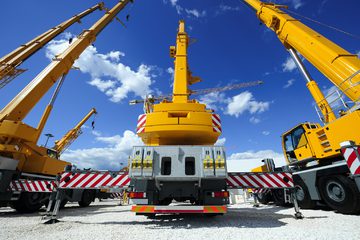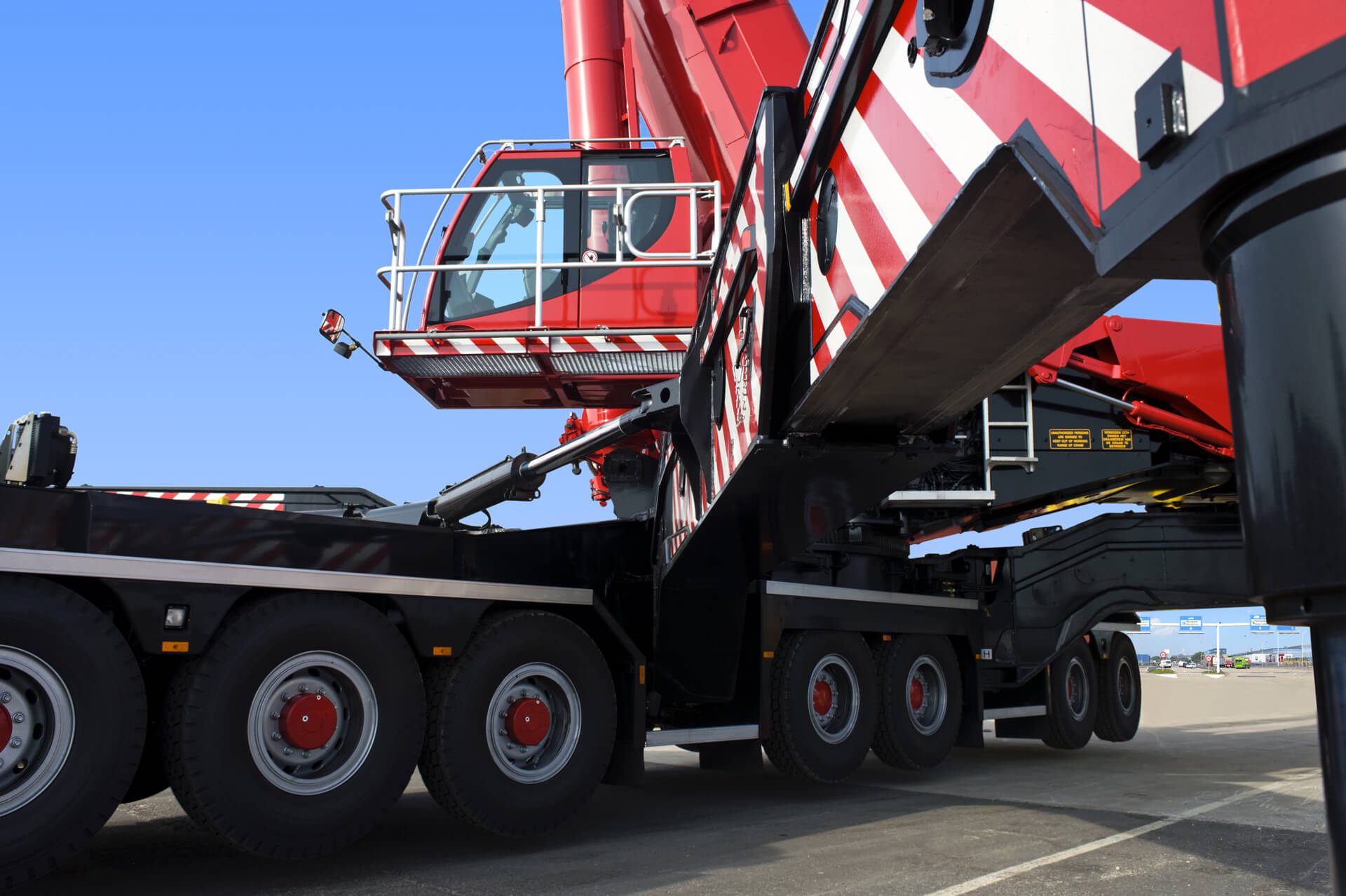
The silhouette of a crane has long symbolised economic confidence. Across Australia, whether overlooking Sydney’s expanding skyline or standing beside a regional highway upgrade in the Southern Highlands, cranes signal more than construction activity. They represent thousands of decisions about logistics, safety, labour, planning, and increasingly, resilience.
Those decisions have become noticeably more complex. Rising urban density, tighter project schedules, evolving safety expectations, and persistent workforce shortages have transformed crane selection from a routine procurement exercise into a strategic consideration. The type of crane chosen today often influences not only construction efficiency but also community disruption, environmental impact, and project certainty.
That shift reflects broader changes within Australia’s construction industry. As governments invest heavily in transport, housing, utilities, and regional infrastructure, every stage of project delivery is under greater scrutiny. Equipment that once served a purely operational purpose is now evaluated through a wider lens that includes regulatory compliance, sustainability, technological capability, and long-term productivity.
Why Crane Decisions Matter More Than Before
Australia’s construction sector is navigating a period of unusual pressure. Population growth continues to drive demand for housing and public infrastructure while skilled labour remains limited in many regions. At the same time, projects face tighter delivery deadlines, increasing material costs, and stricter expectations around workplace safety.
These competing pressures leave little room for inefficient planning. Crane hire decisions, once considered late-stage operational choices, now influence project sequencing from the earliest planning meetings. Selecting equipment that matches site conditions can reduce delays, minimise unnecessary transport movements, and improve coordination among contractors working simultaneously on complex developments.
The challenge becomes even more pronounced as construction spreads beyond metropolitan centres. Regional communities are experiencing increased investment in transport corridors, renewable energy projects, health facilities, and industrial developments. Unlike dense city environments, these locations often require equipment capable of travelling efficiently between dispersed worksites while adapting to changing terrain.
Matching Equipment to Construction Reality
The diversity of Australia’s building landscape explains why no single lifting solution dominates every project.
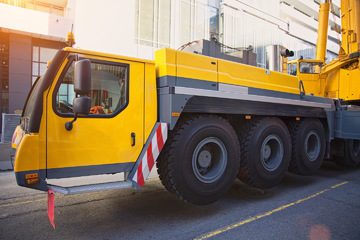
In metropolitan areas, mobile crane hire has become an important option for contractors managing multiple sites within compressed schedules. Its ability to relocate quickly allows teams to maintain momentum across commercial developments, infrastructure upgrades, and maintenance work without lengthy installation periods. As urban construction becomes increasingly fragmented across numerous smaller sites, this flexibility has gained greater operational value.
For major high-rise developments, however, tower crane hire remains essential. Tall residential buildings, commercial precincts, and mixed-use developments require continuous lifting capacity over extended construction periods. Once installed, tower cranes provide consistent vertical transportation of materials, supporting complex projects where daily efficiency determines overall completion timelines.
Urban density introduces another layer of complexity. In tightly constrained city blocks where neighbouring buildings leave little room for traditional crane operations, luffing crane hire has become increasingly common. Their compact operating profile allows construction teams to work safely within limited airspace while reducing interference with adjacent developments. As Australian cities continue to build upward rather than outward, these specialised lifting solutions have become an increasingly familiar feature of major urban projects.
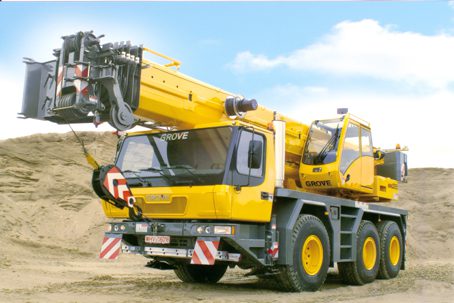
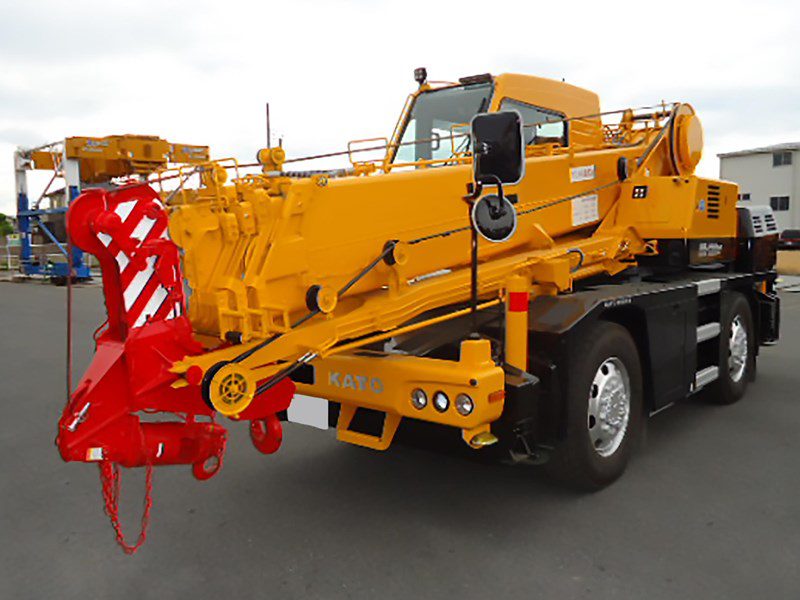
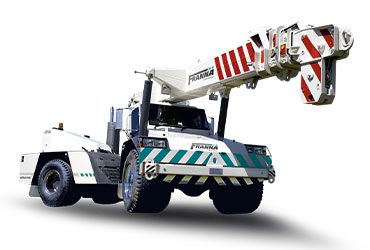
Regional Australia presents a different set of priorities. Projects frequently cover greater distances, encounter uneven ground conditions, and involve varied lifting requirements over shorter project durations. In these environments, franna crane hire southern highlands reflects the industry’s preference for adaptable lifting equipment capable of moving efficiently around active worksites. Whether supporting bridge maintenance, industrial upgrades, agricultural infrastructure, or commercial construction, the emphasis shifts from height to mobility and operational flexibility.
The contrast between these scenarios illustrates an important point. Successful crane selection is less about choosing the most powerful machine than understanding the specific constraints of each project. Site access, lift frequency, surrounding infrastructure, environmental conditions, and construction sequencing all influence what constitutes the most appropriate solution.
Regulation Is Quietly Reshaping Procurement
Behind every visible crane is a less visible evolution in regulation.
Australian workplace safety standards have steadily expanded expectations around lifting operations, reflecting lessons learned across decades of infrastructure development. State regulators and organisations such as WorkSafe continue to emphasise detailed lift planning, operator competency, equipment maintenance, and risk management throughout project lifecycles.
These changes have influenced procurement behaviour. Construction firms increasingly evaluate not only machine availability but also maintenance records, compliance documentation, digital reporting capability, and workforce qualifications before equipment arrives on site.
This evolution represents more than administrative oversight. It reflects recognition that lifting operations sit at the centre of many construction risks. Better planning reduces incidents, minimises costly delays, and improves coordination among multiple contractors working within confined environments.
As projects become larger and more technically demanding, regulatory compliance increasingly supports operational efficiency rather than simply satisfying legal obligations.
Technology Is Changing How Cranes Are Managed
The transformation extends well beyond mechanical engineering.
Modern crane fleets increasingly incorporate GPS fleet monitoring, digital maintenance records, load monitoring technology, and telematics that provide operators and project managers with greater visibility over equipment performance. These systems allow maintenance schedules to become more predictive while improving utilisation across multiple projects.
For project managers, digital information offers a clearer understanding of how lifting operations fit within broader construction schedules. Equipment movements can be coordinated more effectively, reducing idle time and helping minimise disruptions to surrounding communities.
A single example illustrates this transition. On projects requiring all-terrain crane hire Sydney, digital planning tools increasingly support route coordination, traffic management, and lift scheduling before equipment even reaches the construction site. The technology itself may remain largely invisible to the public, but its influence on project reliability continues to grow.
Automation remains limited in critical lifting decisions, where experienced operators retain central responsibility. Yet technology increasingly complements human judgement by providing better information rather than replacing expertise.
Sustainability Is Becoming Part of Equipment Planning
Environmental considerations are also changing procurement conversations.
Construction companies face growing expectations to reduce fuel consumption, minimise unnecessary transport, and improve resource efficiency across project lifecycles. Equipment selection now contributes to broader sustainability strategies alongside material sourcing and construction methodologies.
Choosing machinery that matches project requirements can reduce unnecessary movements, shorten project durations, and lower operational emissions. In regional environments, where travel distances between sites may be substantial, efficient equipment deployment becomes particularly valuable.
The industry’s sustainability efforts are therefore becoming less about individual technologies and more about integrated planning. Crane selection increasingly forms part of a wider discussion about productivity, environmental performance, and responsible infrastructure delivery.
Building the Next Generation of Australian Infrastructure
The cranes rising above Australia’s cities and regional communities remain visible symbols of growth, but the more significant story unfolds behind procurement meetings, engineering assessments, and construction schedules.
Today’s crane hire decisions reflect changing priorities that extend well beyond lifting capacity. Urban density demands greater precision. Regional development requires increased flexibility. Regulatory evolution encourages stronger planning. Digital technologies improve visibility. Sustainability considerations influence equipment deployment in ways that would have received little attention only a decade ago.
As Australia continues investing in transport networks, housing, renewable energy, and regional development, these trends are likely to accelerate rather than diminish. The cranes themselves may appear familiar, but the thinking behind their deployment is changing.
That evolution suggests a broader lesson about modern infrastructure. The future of Australian construction will depend not only on what gets built, but on how thoughtfully every stage of delivery is planned. Crane hire has become one of the clearest indicators of that transition—where operational decisions increasingly shape the efficiency, safety, and resilience of the cities and regions they help create.