On any given morning, the skyline above Sydney tells only part of Australia’s construction story. Tower cranes punctuate the horizon, while on suburban roads and regional highways, smaller lifting equipment moves quietly between hospitals, schools, industrial facilities, and transport upgrades. Most people notice the structures rising into view. Far fewer consider the decisions that determine how those structures are built in the first place.
Those decisions have become significantly more complex. Across Australia, the selection of lifting equipment is no longer a straightforward procurement exercise. It now sits at the intersection of project scheduling, urban planning, workforce availability, safety regulation, and technological oversight. As construction timelines tighten and sites become more constrained, crane hire has evolved into a strategic component of infrastructure delivery rather than simply another subcontracted service.
Australia’s Construction Landscape Is Changing
Australia continues to experience sustained investment in transport infrastructure, housing, renewable energy, healthcare, and logistics facilities. At the same time, many projects face increasing pressure to deliver faster while operating within tighter budgets and more demanding regulatory frameworks.
Urban density presents one challenge. Construction sites in Sydney often occupy confined footprints surrounded by existing buildings, active roads, and public transport corridors. Regional growth centres face different pressures, balancing rapid expansion with limited specialist resources and greater travel distances between projects.
Labour shortages have added another layer of complexity. Experienced operators remain in high demand, making efficient equipment utilisation increasingly valuable. Rather than relying solely on larger fleets, contractors are placing greater emphasis on selecting cranes that match specific site conditions while minimising downtime.
This shift reflects a broader change within Australian construction. Success increasingly depends not only on engineering capability but also on logistical precision.
Matching the Crane to the Project
One of the clearest signs of this evolution is the growing recognition that different projects demand fundamentally different lifting strategies.
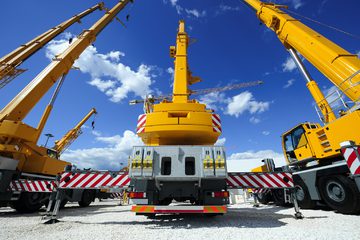
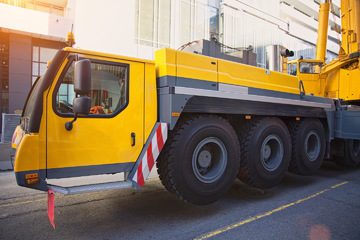
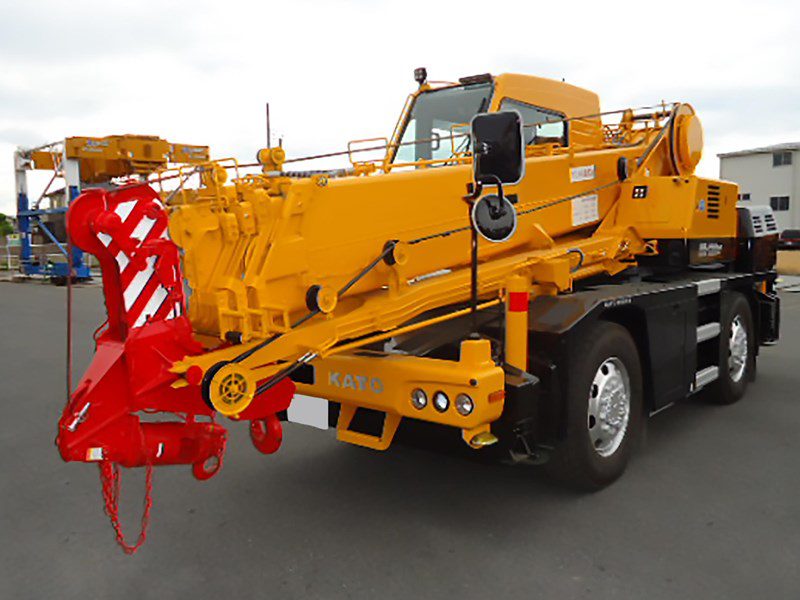
On infrastructure maintenance programs, utility upgrades, or commercial developments spread across multiple locations, mobile crane hire offers the flexibility required to relocate quickly without extensive setup times. These machines allow contractors to respond rapidly to changing site priorities while maintaining productivity across dispersed operations.
High-rise developments present a very different challenge. Here, tower crane hire remains essential because projects require continuous vertical lifting over many months. Tower cranes provide the sustained lifting capacity needed for repetitive operations while occupying relatively little ground space, making them well suited to dense metropolitan developments where efficiency depends on maintaining a consistent construction rhythm.
In Australia’s most space-constrained urban environments, another solution has become increasingly important. Luffing crane hire enables operators to work safely where neighbouring buildings, power infrastructure, or limited airspace prevent conventional jib movement. By allowing the boom angle to change vertically, these cranes reduce swing radius while preserving lifting capability, making them particularly valuable in tightly packed city precincts.
None of these approaches represents a universal solution. Their value lies in matching equipment to the realities of each project rather than applying a standard formula.
Regional Australia Faces Different Constraints
The conversation around crane strategy is not limited to major cities. Regional construction corridors increasingly demonstrate how equipment selection influences project efficiency in different ways.
In growing areas, where industrial developments, schools, renewable energy facilities, and civic infrastructure often occur simultaneously, mobility becomes particularly important. Contractors frequently need lifting equipment capable of travelling efficiently between multiple worksites while operating on varied terrain.
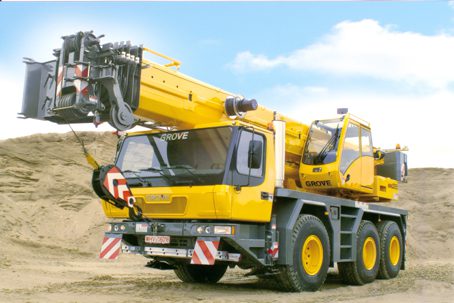
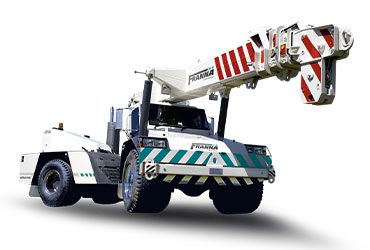
This is where franna crane hire southern highlands has become especially relevant for many regional project types. The Southern Highlands combines expanding residential communities, agricultural industries, logistics operations, and infrastructure upgrades spread across a broad geographic area. Projects often require cranes that can travel on public roads, reposition quickly, and complete multiple lifting tasks without extensive assembly.
Such operational flexibility can reduce scheduling delays while allowing contractors to adapt more effectively to changing construction priorities. Rather than representing a specialised solution, Franna cranes illustrate how regional construction increasingly values versatility alongside lifting capacity.
Regulation Is Reshaping Operational Decisions
The industry’s transformation is also being driven by evolving safety expectations.
Australian regulators, including state WorkSafe authorities, continue to strengthen requirements surrounding lifting operations, operator competency, risk management, and equipment inspection. Documentation, planning, and compliance have become increasingly integrated into everyday project delivery.
Safe lifting now extends beyond the crane itself. Site access, exclusion zones, weather monitoring, communication protocols, ground conditions, and traffic management all influence operational planning before any load leaves the ground.
This broader regulatory environment encourages earlier collaboration between project managers, engineers, crane operators, and safety professionals. Crane selection increasingly occurs alongside overall construction planning rather than after designs have already been finalised.
That shift reflects an industry recognising that productivity and safety are not competing priorities. Well-planned lifting operations often improve both.
Technology Is Quietly Changing Crane Hire
While autonomous cranes remain largely experimental in mainstream construction, digital technology is already reshaping how lifting equipment is managed.
Many operators now employ GPS fleet tracking to coordinate equipment movements more efficiently between projects. Digital maintenance records improve servicing schedules while reducing unexpected downtime. Load monitoring systems provide additional operational oversight, helping verify that lifting activities remain within approved operating limits.
Planning software also allows construction teams to model crane positions before equipment arrives on site, identifying potential conflicts involving surrounding buildings, overhead services, or restricted access points.
These technologies rarely attract public attention because they operate behind the scenes. Yet collectively they contribute to safer operations, better scheduling, and more informed decision-making throughout a project’s lifecycle.
Rather than replacing experienced operators, digital systems increasingly support them by providing clearer operational data and reducing avoidable uncertainty.
Sustainability Is Entering the Conversation
Environmental considerations are also beginning to influence crane hire decisions.
As governments and developers pursue lower-carbon construction practices, equipment utilisation has become part of broader sustainability discussions. Efficient scheduling can reduce unnecessary transport movements, while selecting appropriately sized cranes may decrease fuel consumption without compromising project performance.
The industry is also exploring lower-emission machinery, improved maintenance practices, and smarter fleet management to reduce environmental impact over time.
Although these changes remain incremental, they illustrate how crane hire increasingly contributes to wider conversations about responsible infrastructure delivery rather than existing solely as a logistical necessity.
Building Australia’s Future Requires Better Decisions
The cranes visible across Australia’s cities and regional communities represent more than engineering capability. They reflect thousands of planning decisions balancing safety, productivity, regulation, technology, workforce availability, and local conditions.
Whether a project relies on mobile crane hire for flexibility, tower crane hire for sustained vertical construction, luffing crane hire for dense urban precincts, or franna crane hire southern highlands for versatile regional operations, the underlying principle remains the same: the right equipment is determined by context rather than convention.
As Australia’s infrastructure ambitions continue to expand, these decisions will become even more significant. Population growth, urban renewal, renewable energy investment, and regional development will all demand increasingly sophisticated approaches to construction logistics.
The cranes themselves may continue to evolve through better technology and stronger safety systems, but the larger story is about decision-making. The future of Australian construction will depend not only on what gets built, but on how intelligently each project is planned long before the first lift begins.