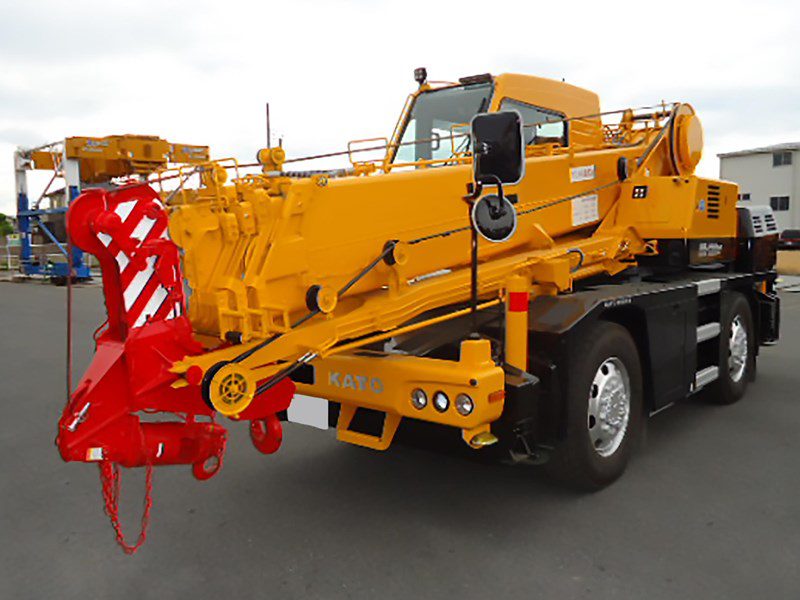
Walk through almost any active construction precinct in Sydney early in the morning and a familiar pattern emerges. Trucks arrive within carefully planned delivery windows, traffic controllers coordinate movements in increasingly narrow streets, and before long a compact crane is lifting structural steel, mechanical equipment, or prefabricated materials into place. The operation appears routine, yet behind that efficiency lies a series of strategic decisions that have become increasingly important for Australia’s construction industry.
As cities become denser and projects grow more complex, crane selection is no longer simply a logistical consideration. It has become part of a broader conversation about productivity, safety, procurement, and urban planning. The growing importance of franna crane hire Sydney reflects this wider transformation. Rather than representing a niche equipment choice, it illustrates how construction professionals are adapting to tighter project schedules, constrained worksites, and evolving regulatory expectations.
The cranes visible across Sydney’s skyline reveal more than construction activity. They offer a glimpse into how Australian infrastructure is quietly changing.
Urban growth is making every lifting decision more strategic
Australia’s largest cities are entering a new phase of development. Instead of expanding endlessly outward, many projects are now concentrated within existing urban environments. Residential towers, transport upgrades, hospitals, schools, and commercial redevelopments frequently take place beside operating roads, rail corridors, occupied buildings, and busy public spaces.
These conditions leave little room for error.
Construction managers increasingly face competing priorities: maintaining public access, reducing disruption, meeting environmental expectations, controlling project costs, and complying with rigorous workplace safety standards. Equipment that once suited open construction sites may no longer provide the flexibility required for modern urban projects.
Labour shortages have added another layer of complexity. With experienced operators and skilled trades in high demand, projects are under pressure to maximise productivity during every shift. Equipment downtime or inefficient lifting plans can quickly affect broader construction schedules.
This changing environment explains why crane hire decisions have become procurement decisions rather than simple equipment rentals. The objective is no longer just completing lifts safely; it is ensuring every movement contributes to an efficient project delivery strategy.
Different construction challenges require different lifting solutions
No single crane can solve every construction challenge. The diversity of Australian projects has reinforced the importance of matching equipment to site conditions rather than relying on familiar approaches.
Projects involving multiple locations or changing work fronts often depend on mobile crane hire because mobility becomes a competitive advantage. Civil infrastructure works, utility upgrades, bridge maintenance, and industrial servicing frequently require cranes that can relocate quickly between tasks without extensive assembly. In these situations, flexibility often outweighs maximum lifting capacity.
High-rise developments tell a different story.
Long-duration commercial towers, apartment buildings, and mixed-use precincts generally rely on tower crane hire because continuous vertical lifting over many months delivers greater efficiency. Once established, tower cranes become part of the project’s daily rhythm, moving materials repeatedly between ground level and upper floors while minimising interruptions.
Dense city environments introduce another set of challenges altogether.
Projects surrounded by neighbouring buildings, overhead infrastructure, or restricted airspace increasingly turn to luffing crane hire, particularly where traditional jib configurations cannot operate efficiently. The ability to reduce swing radius while maintaining lifting precision has become increasingly valuable as Sydney’s available construction space continues to shrink.
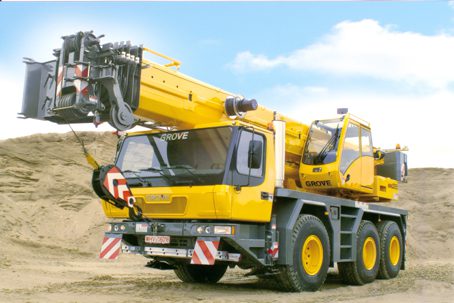
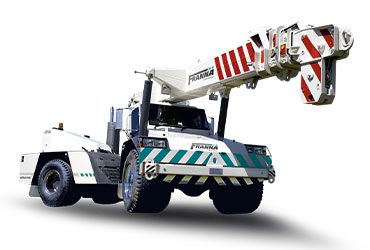
Within this broader landscape, franna crane hire Sydney occupies an important position because many projects require mobility without sacrificing lifting capability. Infrastructure upgrades, commercial maintenance, equipment installation, and short-duration construction activities often demand cranes capable of travelling directly around the worksite while completing multiple lifts during a single shift.
Rather than replacing other crane types, Franna cranes increasingly complement them, filling operational gaps where speed and site accessibility matter most.
Local conditions shape equipment choices
Sydney provides an especially useful example of how urban conditions influence crane selection.
A transport interchange upgrade may require lifting operations during overnight possession windows when rail services are temporarily suspended. Time becomes the project’s most valuable resource, making rapid setup and efficient repositioning essential.
Elsewhere, a commercial redevelopment within the CBD may involve extremely limited staging areas, requiring contractors to coordinate deliveries with almost military precision.
Industrial estates on the city’s outskirts present another scenario altogether, where larger components must be moved efficiently across expansive sites.
Even all-terrain crane hire Sydney occasionally becomes the preferred solution for projects involving varied ground conditions or locations requiring both highway travel and substantial lifting capacity. The choice reflects site-specific engineering considerations rather than any universal preference.
These examples demonstrate that modern crane procurement increasingly depends upon understanding operational context instead of simply comparing lifting charts.
Regulation and safety have reshaped industry expectations
The industry’s evolution extends well beyond equipment selection.
Australian workplace safety expectations have continued to mature, with regulators placing greater emphasis on planning, competency, documented risk assessment, and operational accountability. Safe lifting now depends as much upon preparation as execution.
Many operators invest heavily in operator training, maintenance systems, inspection procedures, and compliance documentation because construction clients increasingly expect demonstrable safety performance before awarding contracts.
Digital technology reinforces these expectations.
GPS fleet monitoring, electronic maintenance records, load management systems, remote diagnostics, and telematics provide project managers with greater operational visibility than previous generations could achieve. These technologies improve scheduling, reduce unexpected downtime, and support preventative maintenance rather than reactive repairs.
The result is an industry where information increasingly complements machinery.
Instead of viewing cranes simply as mechanical assets, many project teams now integrate lifting operations into wider project management systems that monitor productivity, scheduling, safety performance, and equipment utilisation simultaneously.
Sustainability is influencing procurement in quieter ways
Environmental considerations rarely dominate conversations about crane hire, yet they increasingly shape procurement decisions behind the scenes.
Clients are paying closer attention to fuel efficiency, equipment lifecycle management, route planning, and idle-time reduction as broader sustainability objectives become embedded within infrastructure delivery.
This does not necessarily mean choosing entirely different crane types. Instead, it encourages more thoughtful planning so equipment spends less time travelling unnecessarily or waiting inactive on site.
Carefully coordinated lifting schedules can reduce congestion, minimise emissions associated with repeated equipment movements, and improve overall project efficiency.
The industry’s environmental progress therefore depends as much upon operational planning as technological innovation.
Australia’s infrastructure future will depend on smarter decisions, not simply bigger machines
The cranes rising above Sydney’s skyline symbolise more than construction activity. They represent thousands of interconnected decisions involving engineering, procurement, regulation, workforce capability, technology, and urban planning.
As Australian cities continue growing upward rather than outward, those decisions will only become more consequential.
The increasing relevance of franna crane hire Sydney reflects this broader shift. It demonstrates how flexibility, site access, operational efficiency, and safety planning have become central to infrastructure delivery rather than secondary considerations.
Australia’s next generation of construction projects will undoubtedly introduce new technologies, stricter environmental expectations, and more sophisticated digital planning tools. Yet the underlying challenge will remain remarkably consistent: selecting the right equipment for increasingly complex urban environments.
In that sense, the future of Australian construction may depend less on building taller structures than on making smarter decisions long before the first lift begins.