As Sydney’s skyline continues to evolve, the cranes above it tell a deeper story than simple construction activity. Behind every successful infrastructure project lies a series of procurement decisions that increasingly determine whether developments stay on schedule, remain compliant with evolving regulations, and adapt to the realities of building in Australia’s growing cities.
On a clear morning in Sydney, cranes dominate the horizon as naturally as office towers and harbour ferries. They rise above new apartment precincts, transport corridors, hospitals, schools, and commercial developments, quietly marking the city’s constant transformation. Yet while these machines are impossible to ignore, the decisions behind them remain largely invisible. Long before steel is lifted or concrete panels are installed, project teams have already solved one of construction’s most important questions: which crane belongs on this site?
That decision has become significantly more strategic than it was even a decade ago. Australia’s construction industry is operating in an environment defined by tighter urban footprints, labour shortages, heightened safety expectations, and increasingly ambitious infrastructure programs. Choosing the right crane is no longer a straightforward equipment hire exercise. It is a decision that influences productivity, project sequencing, risk management, environmental performance, and ultimately the pace at which Australian cities continue to grow.
Understanding this shift explains why crane hire has quietly become one of the most important components of modern infrastructure planning.
A Building Boom Is Changing the Rules
Australia continues to invest heavily in housing, transport infrastructure, healthcare facilities, and commercial redevelopment. Sydney, in particular, has become a case study in urban densification, where construction often occurs within active neighbourhoods rather than on undeveloped land.
These conditions fundamentally change how projects are planned. Construction managers must consider restricted access roads, neighbouring buildings, operating rail corridors, pedestrian movement, underground services, and strict delivery schedules before equipment even arrives on site.
At the same time, labour shortages have encouraged contractors to maximise productivity wherever possible. Equipment must perform efficiently, minimise downtime, and integrate seamlessly into carefully coordinated construction programs. Delays caused by unsuitable lifting equipment no longer affect only one contractor—they create cascading impacts across subcontractors, suppliers, financiers, and local communities.
The result is that crane hire has evolved from an operational necessity into a strategic planning decision that begins well before construction officially starts.
Different Projects Require Different Lifting Strategies
There is no universal crane capable of solving every construction challenge. Instead, modern Australian projects increasingly rely on selecting equipment that matches the site’s physical and operational realities.
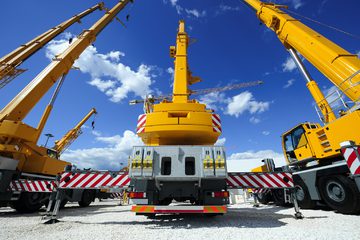
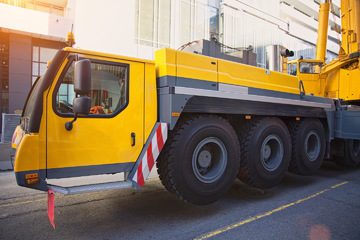
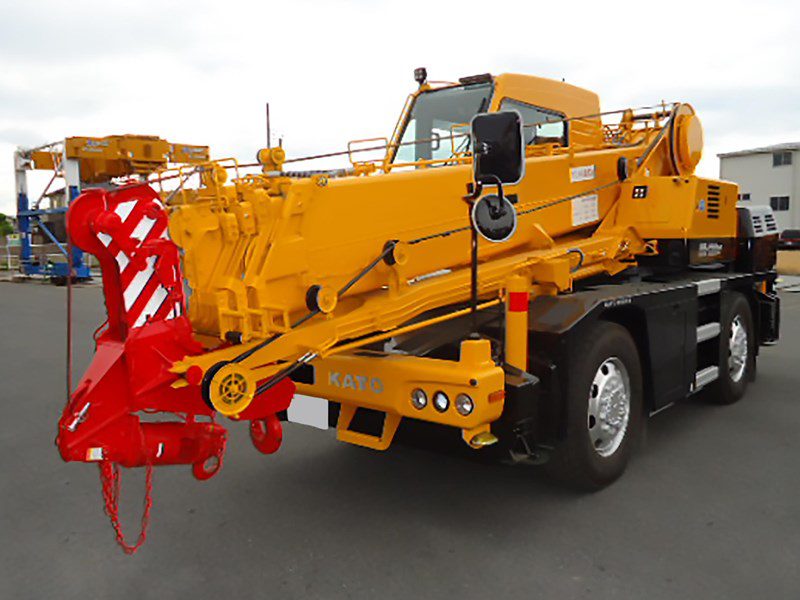
For projects spread across multiple locations or involving infrastructure maintenance, mobile crane hire provides the flexibility that many project managers now prioritise. Mobile cranes can relocate quickly, reduce mobilisation time, and support works ranging from bridge repairs to utility installations and industrial shutdowns. Their versatility makes them especially valuable when construction activities change frequently or cover multiple sites.
Long-term vertical developments demand a different approach. Tower crane hire remains essential for apartment towers, commercial high-rises, and mixed-use developments where continuous lifting over many months is required. Once installed, tower cranes become integrated into the construction process, supporting efficient movement of structural steel, formwork, concrete, and mechanical services throughout each stage of the build.
Urban density introduces another level of complexity. Sydney’s inner-city developments often leave little room for conventional crane operations because neighbouring buildings, overhead infrastructure, and limited swing space restrict movement. In these situations, luffing crane hire provides a practical solution. By allowing the boom to raise and lower within a confined operating radius, these cranes enable safe lifting operations where traditional tower cranes may encounter operational limitations.
The industry’s growing reliance on specialised equipment reflects a broader understanding that construction efficiency depends less on lifting capacity alone and more on selecting machinery that complements each project’s unique constraints.
Northern Sydney Reflects a Broader Industry Shift
Northern Sydney offers a practical illustration of how crane selection has become increasingly site-specific.
The region continues to experience sustained investment in hospitals, transport improvements, education facilities, commercial redevelopment, and medium-to-high-density residential construction. Many of these projects take place within established suburbs where available space is limited and surrounding infrastructure remains fully operational throughout construction.
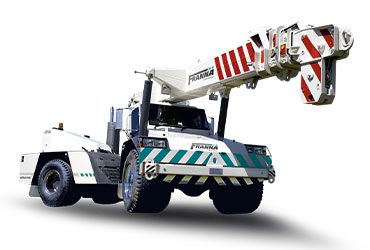
In these environments, franna crane hire northern sydney has become an important consideration for contractors managing confined worksites. Pick-and-carry cranes are particularly useful for transporting loads across active construction zones without requiring separate lifting and transport equipment. Their ability to manoeuvre efficiently through restricted spaces allows project teams greater flexibility when site logistics become increasingly complex.
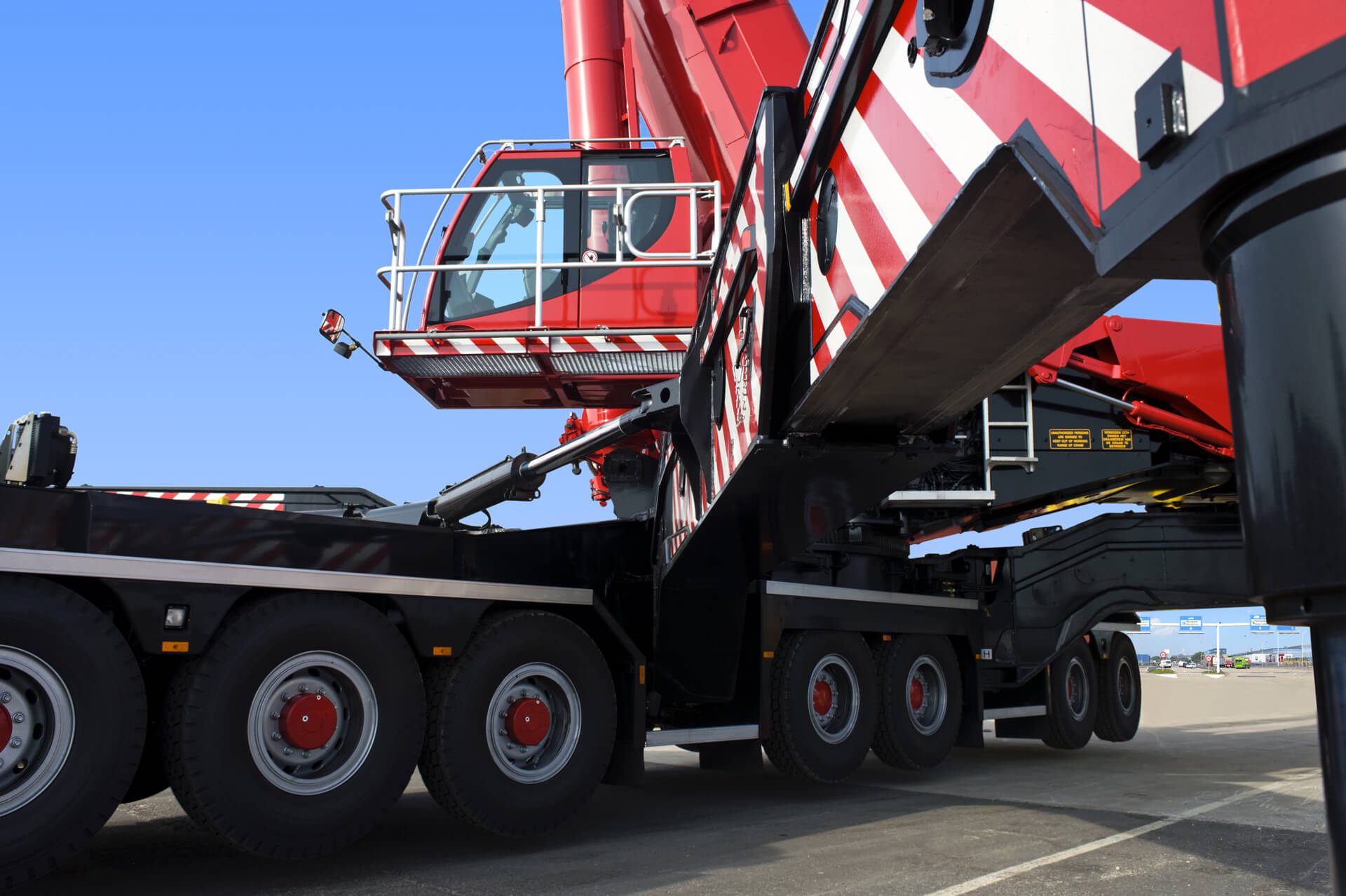
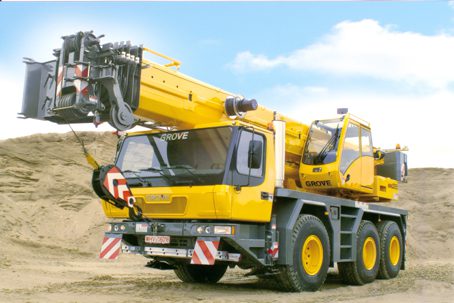
Elsewhere across metropolitan infrastructure projects, all-terrai n crane hire Sydney is often selected where substantial lifting capacity must be combined with mobility across varying road conditions. Transport projects, utility upgrades, and industrial developments outside dense urban centres frequently benefit from equipment capable of travelling efficiently between locations before undertaking heavy lifting operations.
Neither choice represents a superior solution. Instead, both demonstrate how modern procurement increasingly prioritises compatibility between equipment and site conditions rather than relying on standardised approaches.
Regulation Is Driving Better Planning
The transformation of Australia’s crane hire industry has been influenced as much by regulation as by technology.
State workplace safety regulators and WorkSafe authorities have steadily strengthened expectations surrounding lift planning, operator competency, exclusion zones, engineering assessments, and documented risk management. Compliance today extends well beyond equipment certification.
Lift studies are now frequently supported by digital site modelling, weather forecasting, communication protocols, and engineered lifting plans before complex operations commence. These processes reduce uncertainty while improving coordination between contractors working simultaneously on increasingly congested sites.
Operator qualifications have also become more significant. As lifting operations involve larger loads and more technically demanding environments, ongoing competency assessments and specialised training contribute not only to regulatory compliance but also to improved project reliability.
The industry’s evolution reflects an important shift in thinking. Safety is no longer viewed as a separate administrative requirement but as an integral component of operational efficiency.
Technology Is Quietly Changing Crane Operations
Digital technology is reshaping crane operations in ways that remain largely invisible to the public.
Many operators now utilise GPS fleet management systems, electronic load monitoring, predictive maintenance software, and digital inspection records. These technologies provide greater visibility over equipment performance while allowing maintenance issues to be addressed before they affect project schedules.
Load management systems improve lifting accuracy, while digital monitoring enables project managers to review operational data throughout the construction process. Together, these technologies support better planning, stronger regulatory compliance, and improved equipment utilisation.
Environmental considerations are also influencing procurement decisions. Reducing unnecessary transport movements, improving fuel efficiency, and minimising idle operating hours increasingly align commercial objectives with broader sustainability goals. Better scheduling often delivers lower emissions alongside improved productivity, illustrating how operational efficiency and environmental responsibility increasingly reinforce one another.
What Today’s Crane Decisions Reveal About Tomorrow’s Cities
Australia’s infrastructure ambitions will continue to grow as cities become denser, populations expand, and governments invest in housing and transport. Meeting those ambitions depends not only on engineering expertise or financial investment but also on countless operational decisions made throughout the construction process.
Crane hire is one of those decisions.
The machines visible across Sydney’s skyline represent careful planning rather than simple equipment selection. Every choice between mobile crane hire, tower crane hire, luffing crane hire, or specialised lifting equipment reflects a broader assessment of safety, logistics, regulation, productivity, and urban design.
For construction leaders, the takeaway is increasingly clear. Better crane solutions are not about choosing the largest machine or the newest technology. They are about selecting equipment that aligns with the realities of each project and the evolving demands of Australia’s cities.
As urban development becomes more complex, those decisions will shape not only individual construction sites but also the speed, resilience, and quality of Australia’s next generation of infrastructure. The cranes may define the skyline, but the thinking behind them is quietly defining the future.