As Australia’s cities become denser and infrastructure projects grow more complex, crane hire decisions have evolved from routine procurement into a strategic factor influencing safety, productivity, and the pace of urban development.
On almost any weekday morning in Sydney, the skyline tells a story before a single worker steps onto a construction site. Tower cranes stand motionless against the sunrise, mobile cranes weave through suburban roads toward their next assignment, and compact lifting equipment is maneuvered into spaces that barely seem large enough for a delivery truck. These machines are often viewed as symbols of growth, yet the real story lies in the decisions that determine where, when, and how they are used.
Australia’s construction industry is entering a period where crane hire is no longer simply about lifting heavy materials. It has become a strategic exercise in balancing project timelines, urban constraints, workforce availability, regulatory expectations, and increasingly sophisticated technology. For project managers and developers, choosing the right lifting solution now influences far more than operational efficiency—it shapes the viability of entire projects.
Building More Within Less Space
Australia’s major cities continue to expand, but growth is increasingly happening within existing urban boundaries rather than across undeveloped land. Sydney provides perhaps the clearest example. Redevelopment projects, transport upgrades, commercial towers, hospitals, and residential precincts often occupy sites surrounded by active roads, neighbouring buildings, and limited staging areas.
In these environments, construction teams must work around traffic management plans, noise restrictions, pedestrian safety requirements, and strict delivery schedules. Every piece of equipment introduced onto a site affects not only the project itself but also the surrounding community.
This changing landscape has elevated crane planning into one of the earliest conversations during project development. Rather than selecting equipment shortly before construction begins, developers increasingly integrate lifting strategies into design, logistics, and procurement discussions months in advance.
The result is a more deliberate approach where different crane types are chosen according to the physical realities of each project rather than simply their lifting capacity.
Why One Crane No Longer Fits Every Project
The diversity of Australian construction has created equally diverse lifting requirements. A suburban warehouse expansion presents very different challenges from a thirty-storey residential development overlooking Sydney Harbour.
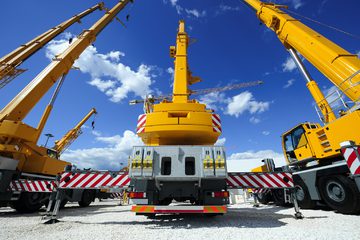
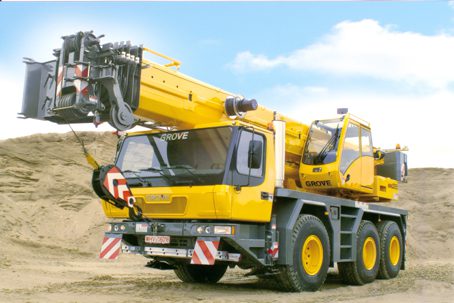
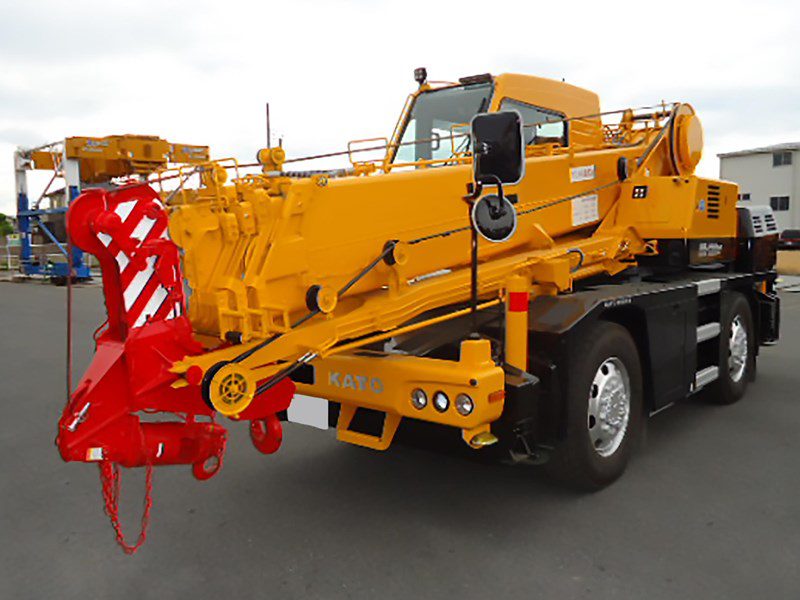
For projects spread across multiple locations or requiring frequent relocation, mobile crane hire continues to provide unmatched flexibility. Infrastructure maintenance, bridge repairs, utility upgrades, and industrial installations often benefit from cranes capable of travelling between sites with minimal setup time. Their versatility helps contractors respond quickly to changing schedules while reducing downtime.
High-rise developments tell a different story. Here, tower crane hire remains essential because projects demand continuous lifting over many months. Materials move vertically every day, supporting a carefully coordinated sequence of structural work, facade installation, and internal fit-outs. Rather than mobility, consistency becomes the priority.
Dense inner-city environments introduce another layer of complexity. Buildings frequently rise only metres from neighbouring properties, leaving little room for conventional crane movements. In these situations, luffing crane hire offers practical advantages because its adjustable jib operates within tighter airspace while maintaining lifting precision. As Sydney’s redevelopment increasingly focuses on compact urban blocks, these specialised cranes have become a familiar feature across many major projects.
The important point is not that one crane is superior to another. Instead, Australia’s construction industry increasingly recognises that successful projects depend on matching equipment to site-specific conditions.
Sydney’s Urban Challenges Demand Greater Precision
Sydney’s construction boom illustrates why crane selection has become more sophisticated than ever.
Transport infrastructure upgrades, mixed-use developments, healthcare facilities, and residential towers frequently proceed simultaneously within the same precincts. Limited road access, nearby rail corridors, heritage buildings, and neighbouring developments all create logistical challenges that extend well beyond lifting capacity.
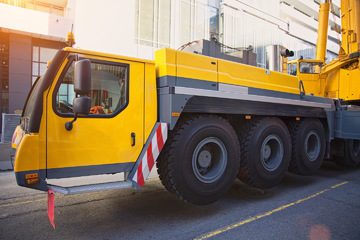
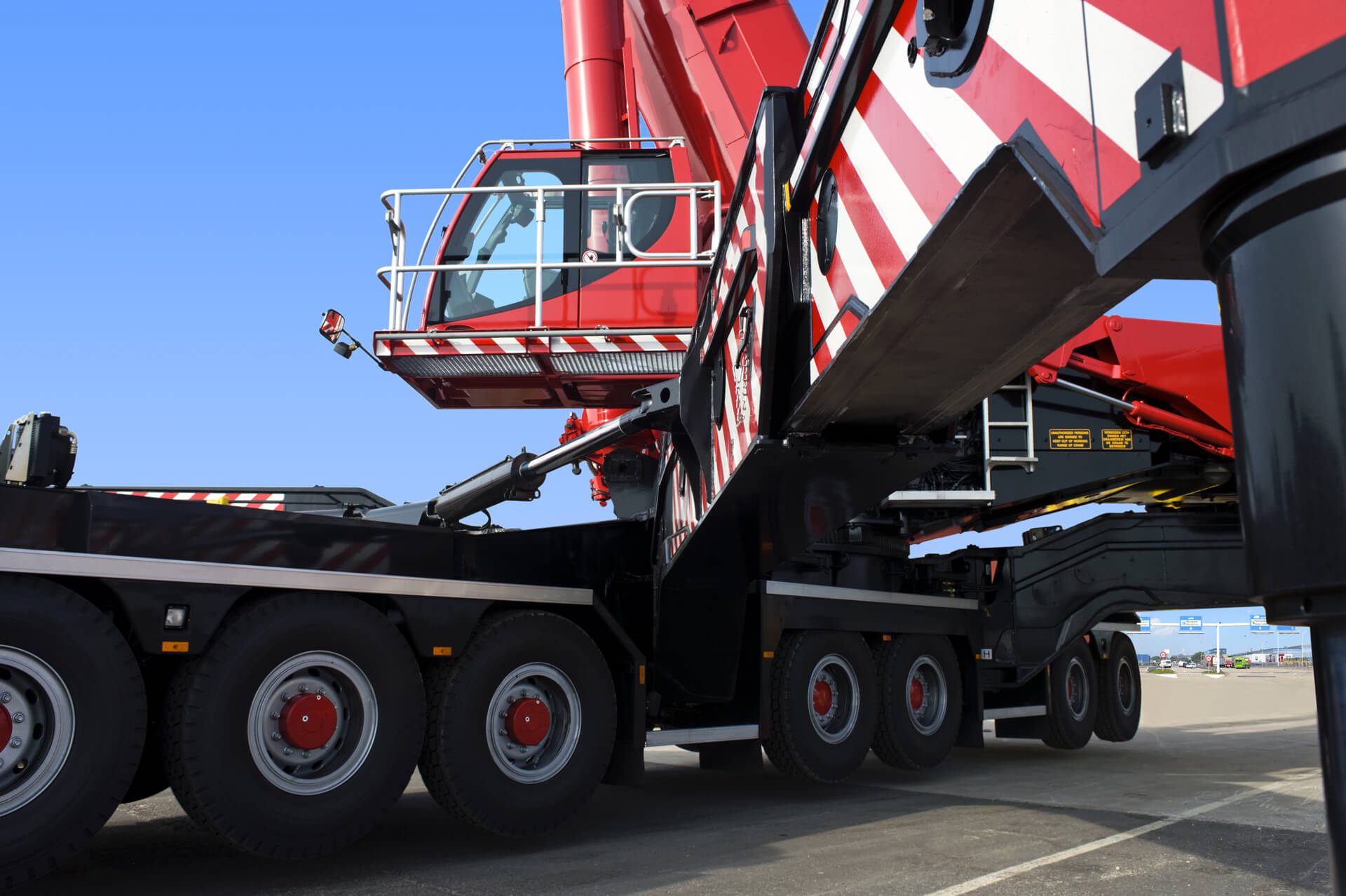
This is where specialised solutions, including all-terrain crane hire Sydney, have gained importance. These cranes combine road mobility with the ability to operate across uneven or confined construction environments, allowing contractors to minimise transport complexity while maintaining operational flexibility. Rather than replacing traditional lifting methods, they complement broader project logistics where access conditions constantly evolve.
Such decisions rarely attract public attention, yet they quietly influence whether projects remain on schedule or experience costly delays.
Safety Expectations Continue to Rise
The evolution of crane hire has also been shaped by increasingly rigorous safety standards.
Across Australia, regulators including Work Safe authorities and state-based workplace safety agencies have strengthened expectations around planning, operator competency, equipment inspection, and risk management. Lift studies, exclusion zones, engineered lifting plans, and documented maintenance schedules have become standard components of responsible project delivery rather than optional safeguards.
Modern crane operations rely heavily on planning long before equipment arrives on site. Weather conditions, ground stability, underground services, overhead utilities, and surrounding structures all require careful assessment.
Many operators now employ digital systems that monitor load limits, equipment diagnostics, and maintenance intervals in real time. GPS tracking, telematics, and electronic reporting provide project teams with greater visibility over fleet performance while supporting compliance requirements.
Rather than slowing construction, these measures increasingly reduce uncertainty by identifying potential issues before they develop into operational problems.
Technology Is Quietly Changing Crane Operations
Technology’s influence extends well beyond mechanical improvements.
Digital project management platforms increasingly integrate crane scheduling alongside material deliveries, subcontractor coordination, and site logistics. Three-dimensional building models enable engineers to simulate lifting operations before construction begins, identifying conflicts that may otherwise emerge during installation.
Remote monitoring systems generate operational data that helps contractors optimise equipment utilisation across multiple projects. Load management technologies assist operators in maintaining safe working conditions while improving precision during complex lifts.
Although automation continues to attract attention across construction, Australia’s crane sector remains fundamentally dependent on experienced operators making informed decisions. Technology increasingly supports professional judgement rather than replacing it.
This balance between human expertise and digital capability reflects a broader trend across Australia’s infrastructure sector, where smarter planning often delivers greater value than simply adopting new equipment.
Labour Pressures Are Changing Procurement Decisions
Another force reshaping crane hire is Australia’s ongoing labour challenge.
Demand for qualified crane operators, riggers, doggers, and lifting supervisors continues to grow alongside infrastructure investment. Competition for experienced personnel has encouraged contractors to place greater emphasis on early procurement, longer planning horizons, and closer coordination between equipment availability and workforce scheduling.
Instead of viewing crane hire as an isolated purchasing decision, many projects now treat it as part of broader resource management. Equipment selection, operator availability, transport logistics, and construction sequencing increasingly influence one another.
This shift reflects a more mature understanding that project performance depends on interconnected systems rather than individual procurement choices.
Specialised Equipment Is Finding Its Place
Regional and metropolitan projects often require lifting solutions that sit somewhere between conventional mobile cranes and permanent tower installations.
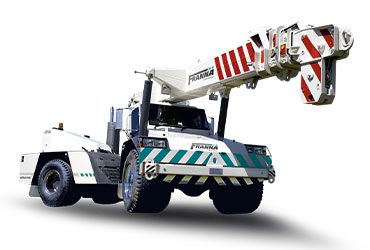
For shorter-duration industrial works, structural steel erection, machinery relocation, and maintenance projects, franna crane hire northern sydney has become an increasingly practical consideration where compact mobility and pick-and-carry capability are needed. These cranes can move loads efficiently around industrial sites without repeated setup, making them particularly useful in environments where operational continuity is critical.
Their growing relevance reflects a broader industry trend toward selecting equipment based on project-specific functionality rather than standard fleet availability. As construction becomes more specialised, crane hire decisions increasingly focus on operational fit instead of equipment familiarity.
The Next Phase of Australian Construction
Australia’s skyline will continue to change over the coming decade, but the transformation will involve far more than taller buildings or larger infrastructure projects.
The industry’s future increasingly depends on careful coordination between planning, technology, regulation, workforce capability, and equipment selection. Crane hire now sits at the intersection of all these forces. What once appeared to be a straightforward logistical decision has become an indicator of how intelligently projects are designed and delivered.
For Australia’s construction sector, this evolution signals something larger than improved lifting capacity. It reflects an industry adapting to denser cities, stricter safety expectations, digital transformation, and growing pressure to deliver complex projects with greater certainty.
The cranes visible across Sydney’s skyline remain powerful symbols of growth. Yet the more significant story unfolds long before they begin lifting. It begins with strategic decisions that recognise infrastructure is no longer built simply by moving heavier loads, but by making smarter choices about how every lift fits into the changing fabric of Australian cities.