Australia’s skyline is constantly changing. Towering apartment blocks, transport infrastructure, hospitals, renewable energy projects, and commercial developments have transformed cities like Sydney, Melbourne, and Brisbane over the past decade. Yet behind every successful construction project lies a series of decisions that rarely attract public attention. Among the most important is selecting the right lifting equipment for the job.
While cranes have always been essential to construction, the conversation has shifted from simply lifting heavier loads to choosing equipment that improves efficiency, safety, and adaptability. In that discussion, franna crane hire has emerged as one of the most practical solutions for contractors working across Australia’s increasingly complex building environment.
The growing popularity of Franna cranes is not simply about convenience. It reflects broader changes taking place throughout the Australian construction industry, where tighter regulations, urban density, labour shortages, and project timelines demand smarter operational planning.
Construction Has Become More Complex Than Ever
Australian construction projects now face pressures that barely existed twenty years ago.
Cities continue to grow upward rather than outward, leaving contractors with tighter worksites and less room to manoeuvre heavy equipment. At the same time, infrastructure upgrades often occur while roads remain open, businesses continue operating, and nearby residents expect minimal disruption.
Sydney illustrates this challenge particularly well. Major transport projects, mixed-use developments, and commercial precincts are frequently built within confined urban environments where every square metre matters.
These conditions mean project managers must think carefully about equipment selection long before construction begins.
Instead of choosing the largest crane available, they increasingly evaluate which machine provides the safest and most efficient solution for the specific constraints of the site.
That changing mindset explains why franna crane hire has become an increasingly common choice across Australian projects.
Why Franna Cranes Stand Apart
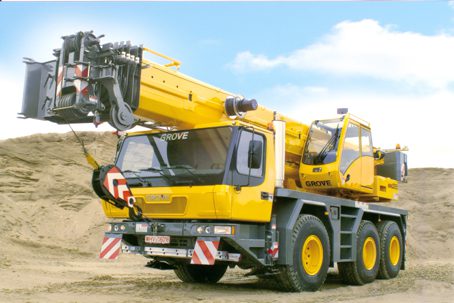
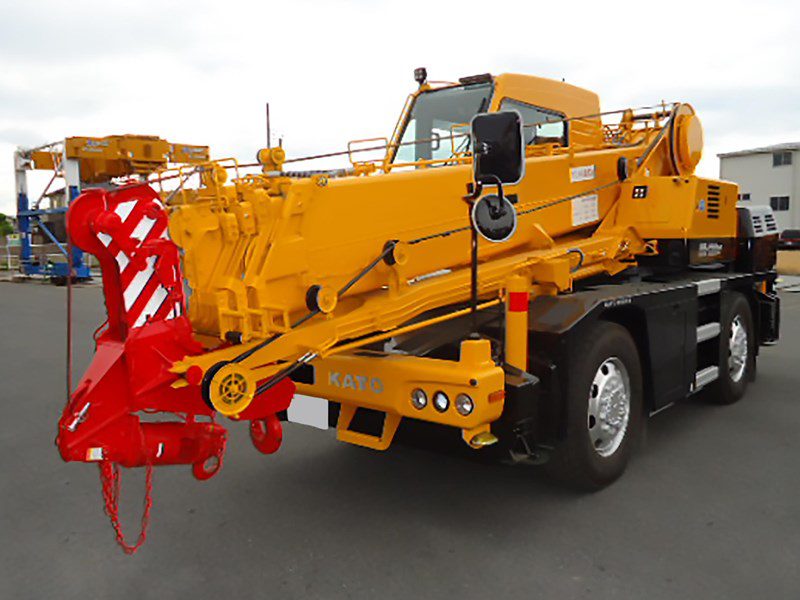
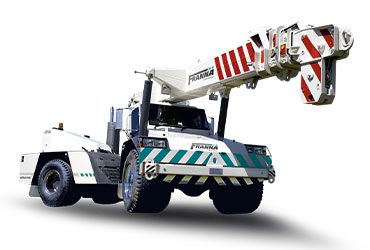
Unlike traditional cranes that require extensive setup before lifting can begin, Franna cranes are designed as pick-and-carry machines capable of lifting and transporting loads around a worksite.
This unique capability makes them particularly valuable for projects involving repetitive material movement over relatively short distances.
Rather than completing a lift and then requiring separate transport equipment, operators can relocate loads while remaining within the same lifting operation.
For contractors managing compressed schedules, reducing unnecessary equipment movements can produce significant productivity improvements.
It is this operational flexibility—not simply lifting capacity—that continues to drive demand for franna crane hire across Australia’s construction sector.
Matching Equipment to Real Project Needs
No single crane is suitable for every project.
High-rise residential towers and commercial skyscrapers still depend heavily on tower crane hire, where permanent installation supports continuous lifting over many months. These cranes provide the vertical reach and lifting efficiency required for dense urban developments.
Infrastructure projects spread across multiple locations often benefit from mobile crane hire, particularly where equipment must travel between bridges, industrial sites, road upgrades, or utility installations.
Meanwhile, luffing crane hire has become increasingly important in city centres where neighbouring buildings limit the swing radius of conventional tower cranes. Their compact movement makes them well suited to confined urban developments where precision matters.
Franna cranes occupy a different role altogether.
Rather than replacing these other crane types, franna crane hire complements them by solving site logistics challenges where materials need to be moved quickly across active construction zones without lengthy setup procedures.
That distinction highlights an important industry trend: successful construction increasingly depends on selecting equipment according to operational fit rather than headline lifting capacity.
Urban Growth Is Driving Smarter Procurement
Australia’s infrastructure pipeline remains one of the largest in decades.
Population growth continues generating demand for housing, transport links, healthcare facilities, logistics centres, and renewable energy infrastructure.
Delivering these projects efficiently requires careful coordination between engineers, procurement specialists, contractors, and equipment operators.
Crane selection has therefore evolved from a straightforward rental decision into a broader planning exercise.
Project managers now evaluate site access, traffic management, environmental constraints, lifting frequency, construction sequencing, and safety compliance before choosing equipment.
In many situations, franna crane hire provides the flexibility required to support these increasingly detailed construction strategies.
Safety Expectations Continue to Rise
Safety has become one of the defining themes of Australia’s construction industry.
State regulators and workplace safety authorities continue strengthening expectations surrounding lifting operations, operator competency, maintenance procedures, and documented risk assessments.
Rather than treating compliance as a final checklist, many contractors now integrate safety planning throughout the entire project lifecycle.
Detailed lift plans, pre-start inspections, exclusion zones, digital maintenance records, and continuous operator training have become standard practice across much of the industry.
These higher standards also influence equipment selection.
Contractors increasingly seek cranes that minimise unnecessary movements while supporting controlled lifting operations within challenging environments.
For many urban projects, franna crane hire aligns naturally with these objectives because of its mobility and ability to complete multiple lifting tasks efficiently within confined workspaces.
Technology Is Quietly Changing Crane Operations
The public often associates construction technology with robotics or autonomous machinery.
The more immediate transformation, however, is occurring through digital monitoring systems.
Modern crane fleets increasingly incorporate GPS tracking, telematics, electronic load monitoring, maintenance scheduling software, and operational analytics.
These technologies allow project managers to understand equipment utilisation in real time while improving maintenance planning and reducing unexpected downtime.
Instead of relying solely on paper records, contractors can make decisions based on operational data gathered directly from equipment working on site.
The result is greater visibility across projects and improved coordination between lifting operations, logistics teams, and construction schedules.
This shift reflects a broader movement toward smarter project management rather than simply larger machinery.
Sustainability Is Influencing Equipment Choices
Environmental performance has become another important consideration throughout Australia’s construction sector.
Developers increasingly evaluate projects through sustainability frameworks that extend beyond building materials alone.
Equipment efficiency now contributes to broader environmental objectives.
Reducing unnecessary transport movements, limiting idle operating time, and selecting machinery appropriate for each lifting task all support more efficient project delivery.
While no crane can eliminate construction’s environmental impact, choosing equipment that matches operational requirements represents an important step toward more sustainable building practices.
In many situations, franna crane hire contributes to that objective by allowing material handling tasks to be completed efficiently without excessive equipment repositioning.
Looking Ahead
Australia’s construction industry is entering a period where operational intelligence matters as much as engineering expertise.
Cities are becoming denser, regulations continue evolving, and infrastructure projects grow increasingly interconnected.
Within this environment, cranes are no longer viewed simply as heavy lifting machines.
They have become strategic assets that influence productivity, safety, environmental performance, and project delivery.
The growing role of franna crane hire reflects this broader transformation. Rather than representing a niche equipment choice, Franna cranes demonstrate how construction is shifting toward flexible, fit-for-purpose solutions capable of meeting the realities of modern urban development.
As Australia’s skylines continue to evolve, the cranes shaping those projects will be selected not only for what they can lift, but for how effectively they support the increasingly sophisticated demands of building the nation’s future.