A crane standing above Sydney’s skyline often represents progress in its simplest form: new housing, commercial growth, or critical infrastructure taking shape. Yet beneath that familiar image is a complex network of decisions that determine whether a project moves efficiently, safely, and sustainably.
The choice of crane is one of those decisions. While it may appear to be a matter of equipment selection, modern construction has made crane strategy a broader question of urban planning, risk management, and project delivery. As Australian cities become denser and construction environments become more constrained, the machinery supporting growth must adapt to new realities.
Sydney’s changing skyline reveals a deeper shift taking place across the construction industry. Crane hire decisions are no longer only about lifting capacity. They reflect how developers, engineers, and project managers respond to limited space, tighter regulations, workforce pressures, and the increasing complexity of building in established urban areas.
Australia’s Building Growth Is Changing the Role of Crane Planning
The construction landscape in Australia has entered a period where efficiency and precision matter as much as scale. Major cities are experiencing continued demand for residential development, transport infrastructure, and commercial projects, but the conditions under which these projects are delivered have changed significantly.
In Sydney, many construction sites now operate within environments surrounded by existing buildings, active roads, public spaces, and strict planning requirements. A project team cannot simply expand its footprint to accommodate equipment. Instead, every decision must account for restricted access, neighbouring structures, safety zones, and the movement of materials through limited areas.
This has made crane selection a strategic part of early project planning. The wrong choice can create delays, increase logistical challenges, or introduce unnecessary risks. The right choice, however, allows construction teams to work within demanding environments while maintaining productivity and compliance.
Labour shortages have also influenced how the industry approaches equipment. With skilled workers becoming increasingly valuable, construction companies are examining how machinery, technology, and planning processes can support more efficient operations without compromising safety standards.
The post-pandemic construction environment has added further pressure. Many projects are working through accelerated timelines, creating greater demand for equipment solutions that match specific site requirements rather than relying on traditional approaches.
Different Cranes Reflect Different Construction Challenges
Modern crane strategy is based on understanding the relationship between equipment and environment. Different cranes solve different problems, and the most suitable option depends on factors such as project duration, site restrictions, lifting requirements, and surrounding conditions.
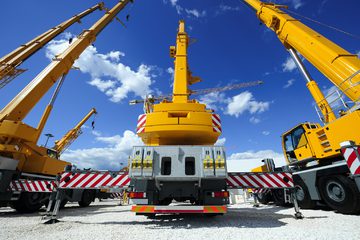
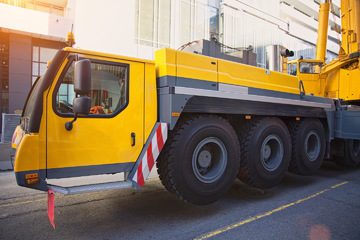
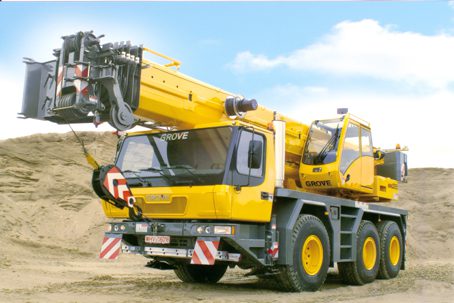
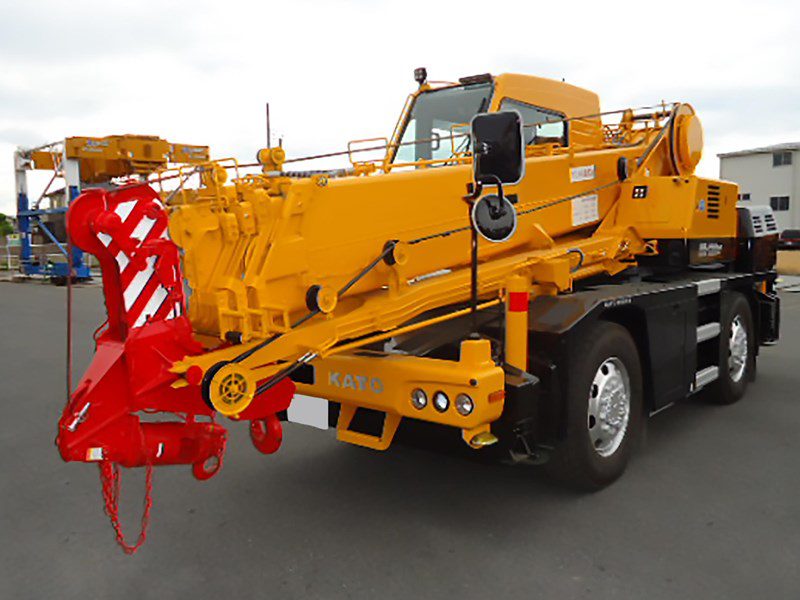
For projects requiring flexibility, mobile crane hire remains an important part of Australia’s construction landscape. Mobile cranes are designed for adaptability, allowing teams to move lifting capability between different locations as project requirements change.
This flexibility is particularly valuable for infrastructure projects, maintenance work, and developments involving multiple construction phases. For example, a road improvement project may require lifting operations at various points along a corridor rather than at one fixed location. In such cases, mobility becomes a practical advantage because equipment can be repositioned as work progresses.
For long-term high-rise developments, tower crane hire serves a different purpose. These cranes become part of the construction process over an extended period, supporting repeated lifting operations as buildings rise vertically.
In dense urban developments, where land availability is limited, vertical construction has become increasingly important. Tower cranes allow materials to move efficiently through the height of a project, supporting workflows that continue over many months. Their role is not simply mechanical; they influence how effectively a construction site can function within a confined area.
However, some urban environments create challenges that require more specialised solutions. Buildings located close together, limited airspace, and neighbouring construction activity can restrict how cranes operate. In these situations, luffing crane hire Sydney has become an important consideration for projects requiring greater control over crane movement.
Luffing cranes are particularly suited to space-constrained environments because their jib movement can be adjusted to operate within tighter boundaries. In a city like Sydney, where construction frequently takes place alongside existing buildings and active communities, precision becomes a significant factor.
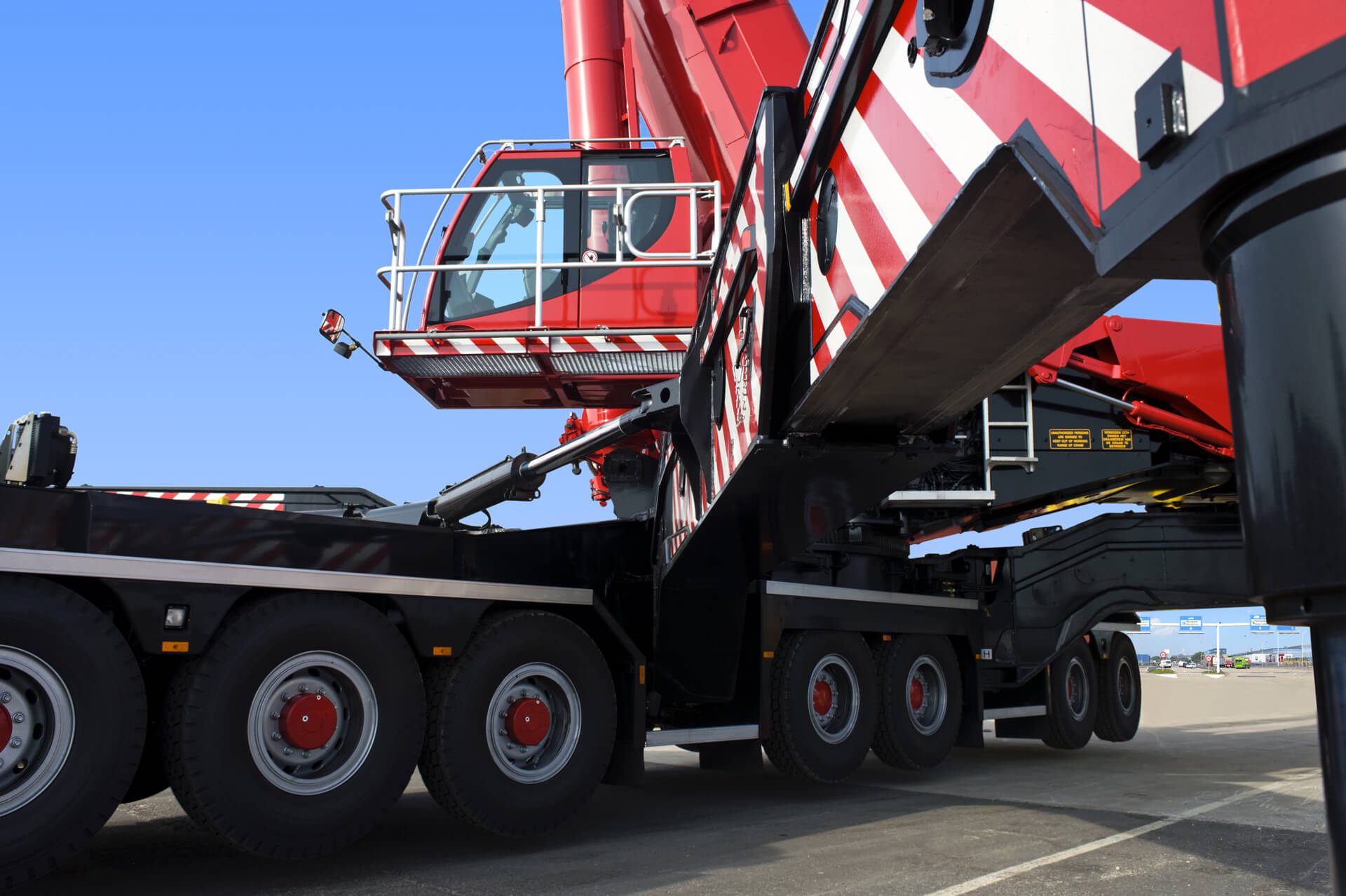
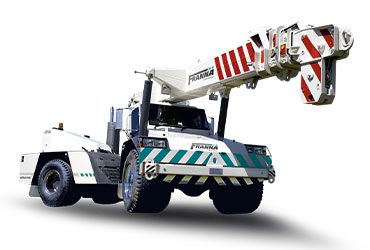
A project located in a highly developed urban area may have limited room for equipment placement and strict requirements around oversailing neighbouring properties. The ability to manage lifting operations within these restrictions can determine whether a construction plan is practical. Similarly, specialised options such as all-terrain crane hire Sydney demonstrate how equipment selection often depends on balancing mobility with challenging site conditions.
Safety Standards and Technology Are Redefining Crane Operations
The evolution of crane strategy is closely connected to broader changes in Australian construction regulation and safety expectations. State regulators, including WorkSafe authorities, continue to emphasise risk management, operator competency, equipment inspection, and safe lifting practices.
These requirements have encouraged the industry to take a more comprehensive approach to crane operations. Safety is no longer viewed as a separate consideration added after planning decisions are made. It has become part of the initial process when selecting equipment, designing site layouts, and establishing operating procedures.
Technology has accelerated this change. Many operators now use digital monitoring systems, GPS tracking, and advanced load management tools to improve visibility over crane performance and operating conditions.
These systems provide project teams with more detailed information about equipment usage, lifting conditions, and potential risks. As construction sites become more complex, data-driven decision-making is becoming increasingly important.
Operator training has also evolved alongside technology. Modern crane operations require not only practical experience but also familiarity with increasingly sophisticated equipment systems and changing regulatory expectations. The combination of human expertise and digital tools is becoming central to safe and efficient construction practices.
Sustainability considerations are influencing decisions as well. Construction stakeholders are paying closer attention to equipment efficiency, fuel consumption, and the environmental impact of project operations. While cranes represent only one element of a construction site, the decisions made around equipment selection contribute to wider efforts to reduce waste and improve resource management.
The Future of Urban Construction Will Depend on Better Decisions
The changing approach to crane hire reflects a larger transformation in how Australia builds its cities. As urban environments become more complex, construction success depends less on simply having access to machinery and more on making informed decisions about how that machinery fits into the broader project strategy.
A crane on the skyline may appear to be a symbol of physical progress, but the choices behind it reveal much more about the future of construction. They show how the industry is responding to density, regulation, technology, and changing expectations around safety and efficiency.
From mobile crane hire supporting adaptable operations to tower crane hire enabling sustained vertical development and luffing crane hire Sydney addressing the realities of restricted urban spaces, crane selection has become a reflection of modern construction thinking.
Australia’s future cities will not only be shaped by what gets built, but by the decisions made before construction begins. Crane strategy may remain largely invisible to the public, but its influence will continue to define how efficiently and responsibly those cities grow.