As Western Sydney moves through one of Australia’s largest urban transformations, crane selection is becoming a strategic decision that influences safety, efficiency, and the way cities are built.
The Hidden Decisions Behind a Changing Skyline
A construction crane rising above Western Sydney’s skyline often appears to represent simple progress: another building taking shape, another piece of infrastructure moving closer to completion. But behind every crane installation is a series of decisions that reflect the changing realities of modern urban development.
The choice of lifting equipment has become far more complex than simply selecting machinery with sufficient capacity. Today, construction planners must consider restricted sites, neighbouring structures, public safety, environmental expectations, and increasingly demanding project timelines.
Across Australia, cranes have become part of a broader conversation about how cities grow. As population centres expand and available land becomes more constrained, construction teams are being forced to rethink traditional approaches to project delivery.
Western Sydney provides a clear example of this shift. Once associated with large open development areas, the region is now evolving into a dense urban and economic hub. New residential precincts, transport projects, commercial buildings, and community facilities are being developed alongside existing neighbourhoods and active infrastructure.
In this environment, decisions around crane hire are no longer just operational choices. They influence how efficiently projects progress and how successfully construction can coexist with surrounding communities.
Why Crane Strategy Matters More in Today’s Construction Environment
The Australian construction industry is facing a combination of pressures that are changing how projects are planned.
Urban density is one of the most significant factors. Construction sites in growing metropolitan areas increasingly operate within limited boundaries, surrounded by roads, buildings, utilities, and public spaces. The traditional assumption that projects have unlimited room for equipment movement no longer applies.
At the same time, labour shortages, higher safety expectations, and accelerated delivery schedules have placed greater importance on planning accuracy. Delays caused by unsuitable equipment choices can create significant consequences across complex developments.
Technology has also changed expectations. Construction managers now rely on digital planning tools, improved monitoring systems, and more detailed project coordination before equipment reaches the site. The crane is no longer considered an isolated machine; it is part of an integrated construction strategy.
This evolution explains why different crane types continue to serve distinct purposes.
Different Challenges Require Different Crane Solutions
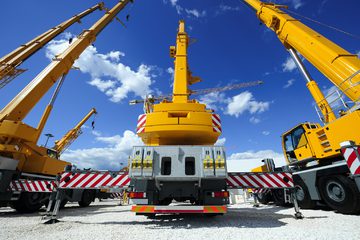
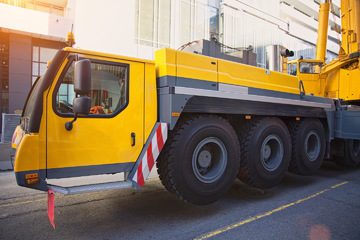
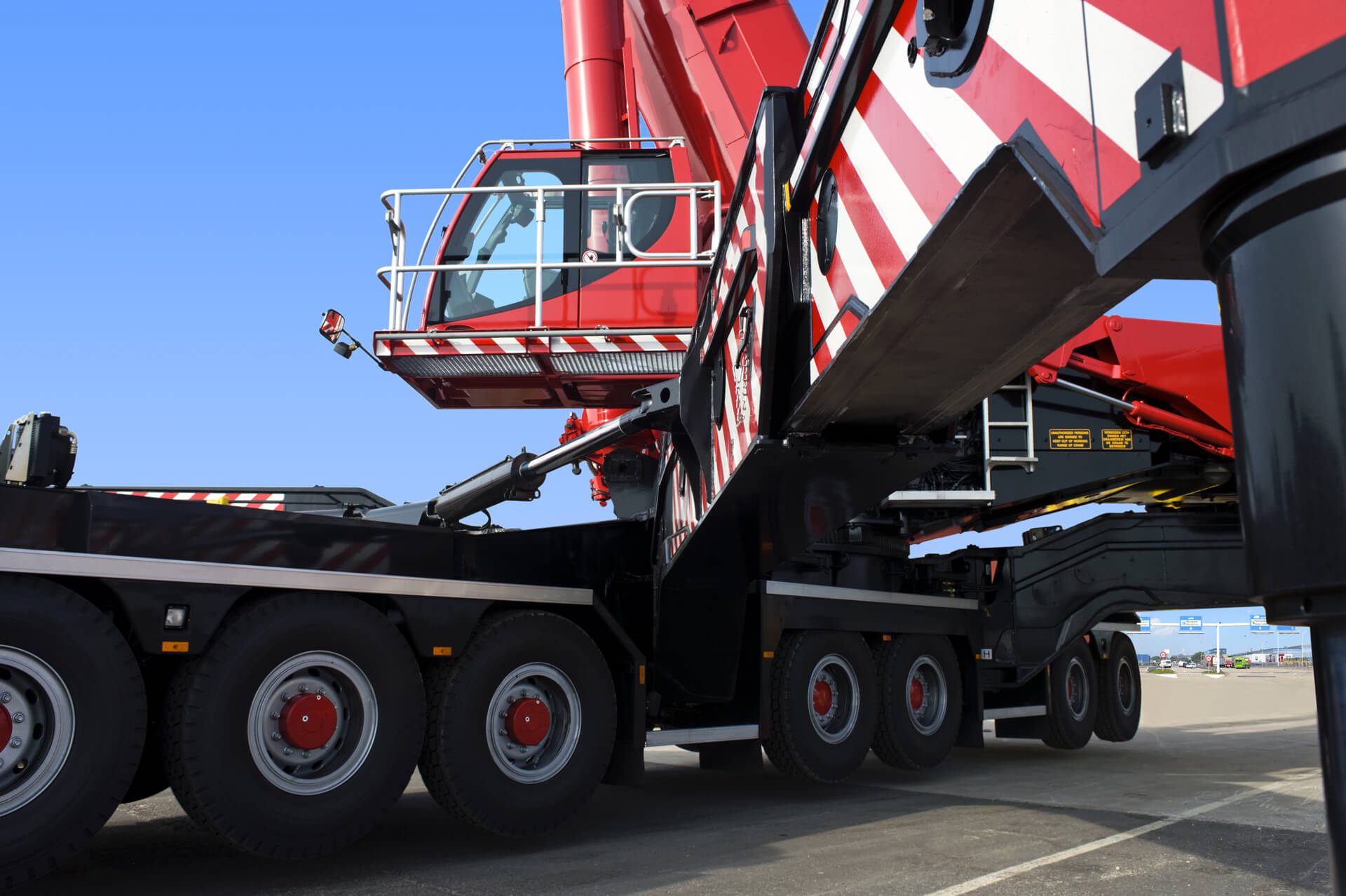
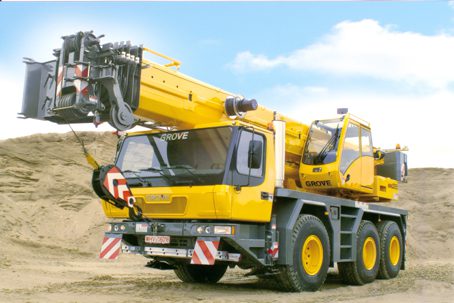
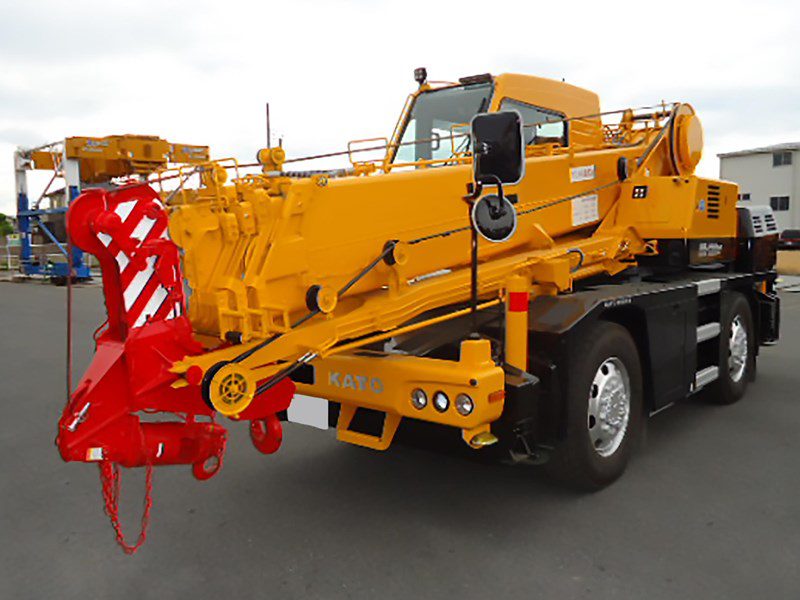
For projects where mobility and flexibility are essential, mobile crane hire remains a practical choice across many Australian construction environments. Mobile cranes are designed for adaptability, allowing equipment to move between locations as project requirements change.
This flexibility is particularly valuable for infrastructure projects, maintenance operations, and developments involving multiple work areas. A road upgrade, for example, may require lifting operations across several locations within a short timeframe. In such cases, the ability to reposition equipment quickly can support more efficient scheduling.
However, projects involving long-term vertical construction often require a different approach.
Tower crane hire continues to play an important role in high-rise developments where consistent lifting operations are required over extended periods. Residential towers, commercial buildings, and mixed-use projects often depend on tower cranes because they provide reliable support throughout multiple construction phases.
Their fixed installation allows project teams to establish predictable lifting patterns for materials such as concrete components, steel structures, and façade systems.
Yet urban growth has created another category of challenge: sites where space is limited and traditional crane movement becomes difficult.
This is where luffing crane hire Western Sydney has become increasingly relevant.
How Luffing Cranes Address Urban Construction Constraints
Dense urban environments create unique restrictions. A crane may need to operate beside existing buildings, near public roads, or within a limited airspace zone where traditional crane configurations are impractical.
Luffing cranes are designed to address these conditions through a jib system that can be raised and lowered. Instead of maintaining a constant horizontal reach, the crane can adjust its working radius to suit the surrounding environment.
This capability is particularly valuable in areas experiencing rapid development, such as Western Sydney. A high-density residential project built near established properties may require precise lifting operations that minimise interference beyond the construction boundary.
Similarly, commercial developments located near transport corridors may need equipment that supports accurate material placement while maintaining strict safety controls.
The growing interest in luffing crane hire Western Sydney reflects a wider industry trend: construction teams are increasingly selecting equipment based on site conditions rather than relying on traditional assumptions about project size or location.
The objective is not to identify one crane type as universally superior. Instead, the focus has shifted toward choosing the equipment that best matches the specific challenges of each project.
Local Conditions Are Influencing Crane Decisions
Western Sydney’s transformation highlights the importance of understanding local construction environments.
A major residential development may face different challenges from a transport project or a healthcare expansion. One site may prioritise limited space, while another may require rapid equipment movement across multiple areas.
Access conditions also influence decisions. Some projects require equipment capable of operating across varied terrain or reaching locations where standard machinery may face limitations. In these situations, solutions such as all-terrain crane hire Sydney demonstrate how equipment selection often depends on practical site requirements rather than general industry trends.
This approach reflects a broader change in construction thinking. Instead of asking which equipment is the most powerful, project teams are increasingly asking which equipment creates the most effective balance between capability, safety, and operational control.
Safety Regulations Are Driving Better Planning
The evolution of crane operations in Australia has been closely connected to stronger safety expectations.
WorkSafe authorities and state-based regulators continue to emphasise detailed lift planning, operator competency, equipment inspection, and effective risk management. These requirements have encouraged construction teams to consider crane operations earlier in the project lifecycle.
Modern lifting operations involve more than placing equipment on a site and beginning work. They require careful coordination between engineers, safety professionals, project managers, and operators.
Factors such as load calculations, exclusion zones, weather conditions, and surrounding site activity must all be considered.
This regulatory environment has encouraged a more proactive approach. Crane selection is increasingly becoming part of initial project planning rather than a decision made after construction has already begun.
Technology and Sustainability Are Changing Crane Operations
Beyond regulation, technology is reshaping how cranes are managed.
Digital monitoring systems, GPS tracking, load management technology, and remote diagnostic tools are providing project teams with greater visibility into equipment performance and operational conditions.
These systems can support safer decision-making by improving information accuracy during complex lifting activities. They can also help identify maintenance requirements earlier, reducing unexpected interruptions.
Sustainability pressures are influencing equipment choices as well. Construction projects are increasingly considering fuel efficiency, emissions reduction, and smarter equipment utilisation as part of broader environmental objectives.
The result is a construction industry where cranes are becoming more connected, more carefully planned, and more integrated into overall project management.
What Crane Decisions Reveal About Australia’s Urban Future
The cranes shaping Western Sydney’s skyline represent more than construction activity. They reflect how Australia is adapting to the realities of modern city building.
As urban areas become denser and infrastructure demands increase, successful construction will depend on more thoughtful decisions about equipment, planning, and technology.
Whether a project requires the flexibility of mobile crane hire, the sustained capability of tower crane hire, or the precision offered by luffing crane hire Western Sydney solutions, the key factor remains understanding the relationship between equipment and environment.
The future of Australian construction will not be defined only by how quickly cities expand. It will be shaped by how intelligently that expansion is managed.
The cranes above Western Sydney are a visible reminder that the future of urban development is being built through thousands of strategic decisions—many of which begin long before the first lift takes place.