As Australia’s construction landscape grows denser and more complex, crane hire decisions are becoming strategic choices that shape project efficiency, regulatory compliance, and the future of urban development.
On any given morning, Sydney’s skyline is alive with movement. Cranes hover above expanding transport corridors, apartment towers edge higher into the skyline, and commercial precincts evolve block by block. To most observers, these machines are simply signs of a city in motion. For the people responsible for delivering Australia’s largest construction projects, however, every crane represents a carefully considered decision that influences schedules, safety, costs, and the long-term success of an entire development.
That reality reflects a significant shift within Australia’s construction industry. Selecting lifting equipment was once regarded as a logistical task completed after project planning. Today, it has become part of the strategic conversation from the earliest design stages. Urban density, labour shortages, regulatory expectations, and increasingly sophisticated construction methods have transformed crane hire into a critical component of project planning rather than a routine operational requirement.
As Australian cities continue growing upward instead of outward, these decisions are becoming more consequential than ever.
Building More Within Less Space
Australia’s largest cities are experiencing sustained population growth while the amount of available construction land continues to shrink. Sydney illustrates this challenge particularly well. Residential towers replace ageing commercial buildings, hospitals expand without interrupting healthcare services, and transport infrastructure is upgraded while surrounding communities continue their daily routines.
Construction no longer takes place on isolated sites with unrestricted access. Projects are frequently bordered by occupied buildings, active roads, rail corridors, schools, and businesses that cannot simply pause while development proceeds.
Every metre of available working space matters.
Project teams must carefully coordinate deliveries, temporary road closures, pedestrian access, noise restrictions, and lifting operations. These overlapping pressures mean equipment selection directly influences how efficiently construction progresses from one stage to the next.
Rather than asking which crane is available, developers increasingly ask which crane best matches the realities of a particular site.
Why Crane Selection Has Become More Strategic
Modern construction projects rarely share identical site conditions.
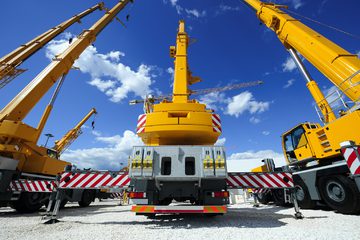
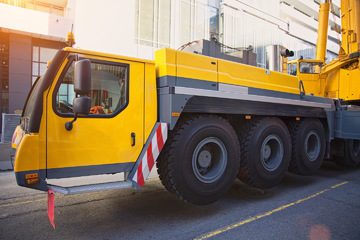
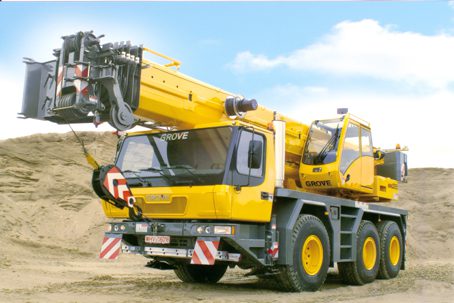
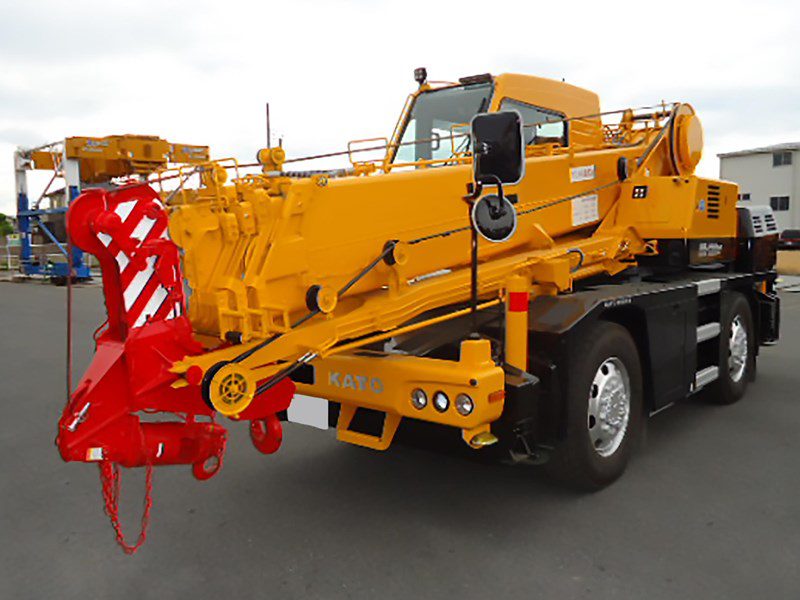
Infrastructure upgrades spread across multiple locations often require lifting equipment capable of relocating quickly between work zones. In these situations, mobile crane hire provides the flexibility needed to support changing operational demands while minimising setup time between lifts. Their mobility makes them particularly valuable for bridge maintenance, industrial facilities, utility upgrades, and staged infrastructure projects where lifting requirements evolve throughout construction.
Long-term developments present a different set of priorities.
Large commercial buildings, residential towers, and mixed-use precincts typically depend on tower crane hire because these cranes remain operational throughout extended construction schedules. Their continuous lifting capability supports efficient movement of structural steel, concrete components, glazing systems, and mechanical equipment as buildings steadily rise above street level.
Both approaches remain essential across Australia’s construction industry.
Yet one category of project increasingly requires an altogether different solution.
Dense Urban Sites Demand Greater Precision
Some of Sydney’s most ambitious developments occupy remarkably constrained sites.
New apartment buildings are constructed beside existing residential complexes. Commercial towers rise within busy financial districts. Healthcare facilities expand while emergency services remain fully operational. In each case, the available airspace above the project can become almost as restricted as the land below it.
These environments have increased demand for luffing crane hire northern sydney, where limited site boundaries require equipment capable of operating safely within confined urban spaces.
Unlike traditional tower cranes that rely on wide horizontal jib movement, luffing cranes raise and lower their jib angle during operation. This significantly reduces the swing radius, allowing lifting activities to continue where neighbouring buildings, overlapping crane operations, or narrow site boundaries leave little room for conventional equipment.
Northern Sydney provides an ideal example of this changing construction landscape. Established suburbs experiencing redevelopment often combine growing population density with limited access, active commercial centres, schools, healthcare precincts, and surrounding residential communities. Developers working within these conditions increasingly evaluate luffing crane hire northern sydney because the equipment aligns with the practical realities of modern urban construction rather than simply providing lifting capacity.
The objective is not to use a more specialised crane for its own sake. It is to match equipment selection with the physical constraints created by contemporary city development.
Regulation Is Driving Better Planning
Australia’s construction industry has witnessed substantial regulatory evolution over the past decade.
State workplace safety authorities, including SafeWork NSW, continue strengthening expectations surrounding lift planning, operator competency, equipment inspections, and documented risk assessments. Australian Standards governing cranes similarly reflect growing emphasis on engineering oversight, operational consistency, and continuous compliance throughout every stage of construction.
As a result, crane planning has become increasingly integrated with overall project management.
Engineering teams now evaluate exclusion zones, weather exposure, lifting sequences, emergency procedures, neighbouring structures, and public interfaces long before machinery arrives on site. Crane selection is no longer viewed independently from construction strategy because every operational decision influences safety performance and project continuity.
Higher regulatory standards have not necessarily slowed development. Instead, they have encouraged more disciplined planning that reduces operational uncertainty while improving outcomes across increasingly complex projects.
Technology Is Reshaping Everyday Operations
Technology is also changing the role cranes play within Australian construction.
Many operators now utilise GPS fleet management, digital maintenance scheduling, electronic inspection records, real-time load monitoring, and remote diagnostic systems to improve operational oversight. These tools enable project managers to monitor equipment performance more effectively while supporting preventative maintenance that reduces unexpected downtime.
Digital construction modelling has become equally influential.
Engineers increasingly simulate crane positioning during project planning to identify potential conflicts with neighbouring buildings, transport infrastructure, overhead utilities, or future construction stages. Addressing these issues before equipment reaches site improves scheduling certainty while reducing costly operational adjustments.
Rather than replacing experienced operators or engineers, technology provides additional information that supports better decision-making across increasingly sophisticated construction environments.
Sustainability Is Influencing Equipment Decisions
Environmental performance has become another consideration shaping Australia’s construction sector.
Reducing unnecessary equipment movements lowers fuel consumption and minimises emissions associated with transport and extended operating hours. Efficient lift planning can shorten project durations while reducing idle machinery time and overall resource consumption.
Although cranes represent only one element within broader construction activity, project teams increasingly recognise that operational efficiency contributes directly to both commercial performance and environmental responsibility.
Equipment decisions are therefore expanding beyond questions of lifting capacity alone. They now reflect broader priorities surrounding productivity, sustainability, and responsible urban development.
Reading the Future Through Sydney’s Skyline
Every crane standing above Sydney represents far more than construction equipment. It reflects countless decisions involving procurement, engineering, regulation, logistics, workforce capability, and long-term city planning.
Australia’s infrastructure future will depend increasingly on how effectively those decisions respond to changing urban conditions. Population growth, denser development, evolving safety standards, technological integration, and environmental expectations are reshaping construction in ways that extend well beyond individual building sites.
Within that transformation, crane hire has quietly become a strategic indicator of how projects adapt to complexity. Whether a development requires the flexibility associated with mobile crane hire, the long-term efficiency of tower crane hire, or the precision offered through luffing crane hire northern sydney, success increasingly depends on selecting equipment that fits the realities of modern construction rather than relying on familiar practice.
The cranes defining Sydney’s skyline are temporary. The decisions behind them are not. They reveal an industry steadily learning that Australia’s next generation of cities will be built not simply with larger machines, but with smarter planning, stronger regulatory discipline, and infrastructure strategies designed for a denser urban future.