As Australia’s cities become denser and infrastructure projects more complex, crane hire decisions have evolved from routine procurement into strategic choices that influence productivity, safety, and the future of urban development.
Sydney’s skyline tells a familiar story. Tower cranes punctuate the horizon, residential towers rise beside century-old buildings, and transport upgrades unfold beneath the daily movement of millions of people. Yet the most important decisions shaping these projects often happen long before the first beam is lifted. Increasingly, success depends on choosing the right lifting strategy for the realities of modern urban construction.
That shift reflects a broader transformation across Australia’s construction industry. Building today is no longer simply about delivering larger projects. It is about completing them safely within tighter sites, stricter regulations, compressed schedules, and growing public expectations. Crane hire, once viewed as a straightforward logistical requirement, has become a strategic decision that influences everything from project sequencing to community disruption.
Understanding that evolution offers valuable insight into how Australian cities are adapting to a new generation of infrastructure challenges.
Australia’s Building Boom Has Changed the Rules
Construction activity across Australia continues to concentrate around major metropolitan areas, particularly Sydney. Population growth, housing demand, transport investment, healthcare expansion, and commercial redevelopment are placing increasing pressure on already crowded urban environments.
Unlike previous decades, many developments no longer occupy large, open construction sites. Instead, projects are squeezed between operating businesses, residential buildings, rail corridors, and busy arterial roads. Materials must arrive according to tightly managed schedules, deliveries often occur during limited access windows, and lifting operations must coexist with surrounding communities.
These constraints have fundamentally changed project planning.
Contractors now evaluate lifting equipment much earlier during project design because crane selection directly affects site logistics, construction sequencing, labour efficiency, and overall project risk. The conversation has shifted from simply asking whether a crane can perform a lift to considering whether it can do so safely, efficiently, and with minimal disruption.
Crane Hire Has Become a Strategic Decision
The complexity of modern construction means that different projects require entirely different lifting solutions.
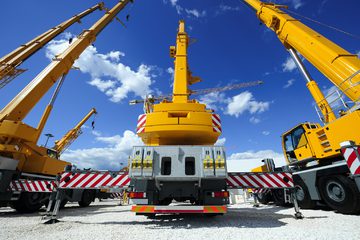
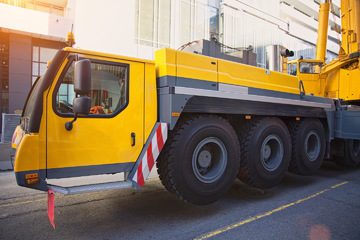
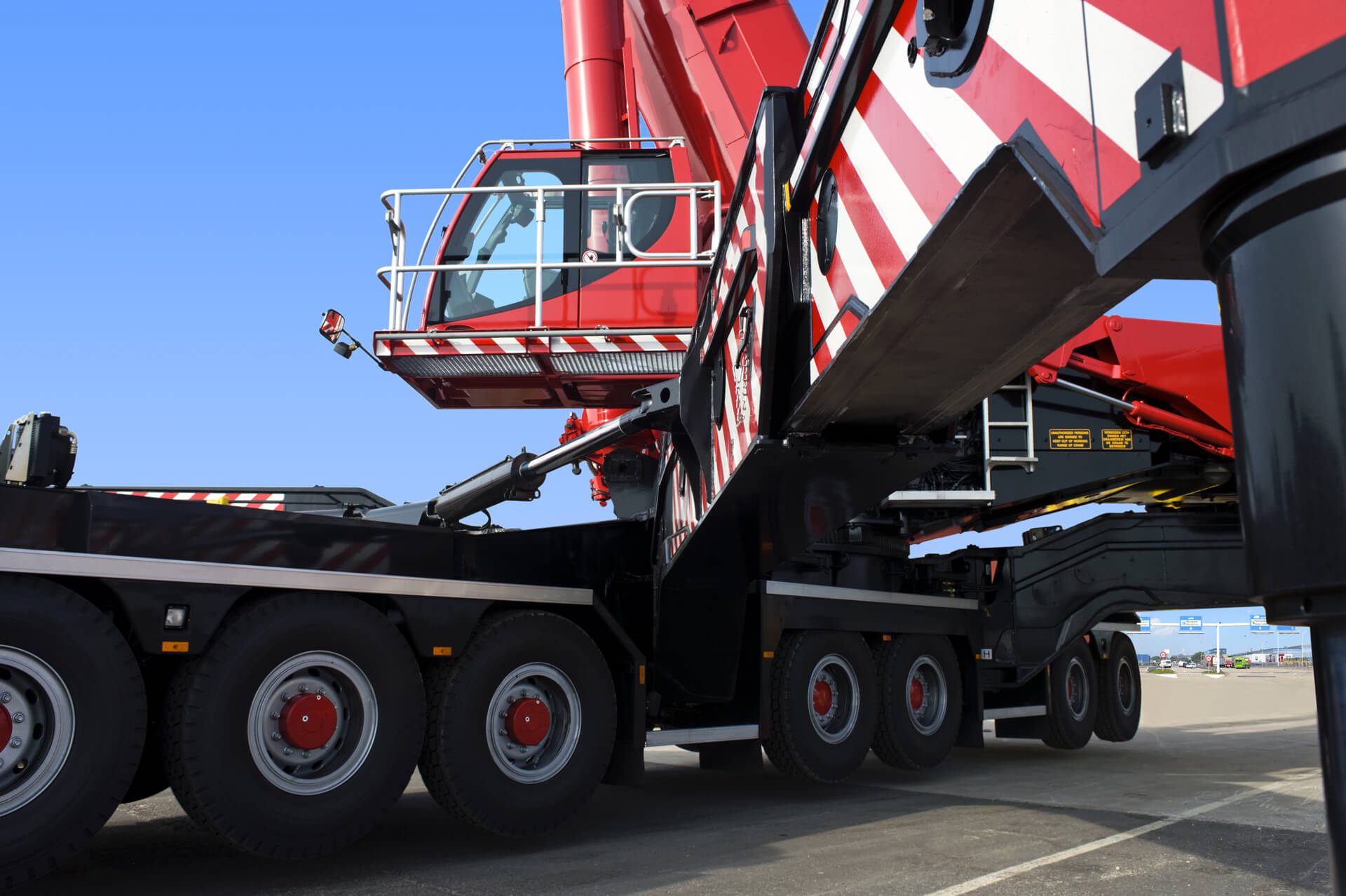
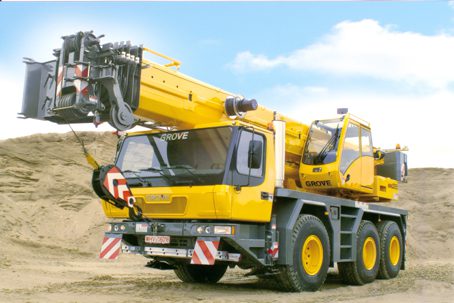
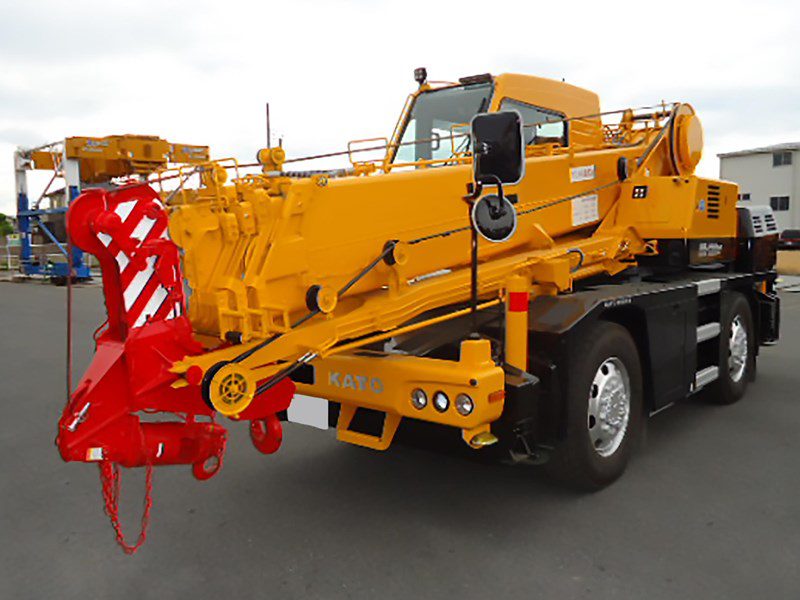
Projects involving infrastructure maintenance, industrial facilities, bridge construction, or multiple locations often depend on mobile crane hire because mobility is essential. Mobile cranes can relocate quickly, adapt to changing site requirements, and support contractors managing multiple stages of work across different locations. Their flexibility makes them particularly valuable for projects where permanent lifting equipment would be impractical.
Long-duration commercial developments present a different challenge. High-rise apartments, office towers, hospitals, and mixed-use precincts frequently rely on tower crane hire because these cranes provide continuous lifting capacity throughout lengthy construction programs. Their ability to service large floor plates while operating efficiently over extended periods explains why they remain a defining feature of Sydney’s skyline.
Neither solution, however, fully addresses one of the fastest-growing challenges facing Australian construction: building within increasingly confined urban environments.
Space Constraints Are Changing Crane Selection
Modern cities are becoming denser, but construction sites are becoming smaller.
Urban renewal frequently requires replacing older buildings without disrupting surrounding neighbourhoods. Hospital expansions must occur while medical facilities remain operational. Commercial towers rise beside occupied office buildings, and residential developments often share boundaries with existing structures.
In these environments, horizontal working space becomes just as important as vertical lifting capacity.
That explains the growing importance of luffing crane hire northern sydney for projects operating within restricted urban footprints.
Unlike conventional tower cranes with fixed horizontal jibs, luffing cranes raise and lower their jib angle to reduce the amount of airspace required during operation. This capability allows lifting activities to continue safely where neighbouring buildings, overlapping construction zones, or limited site boundaries make conventional crane configurations less practical.
Northern Sydney illustrates these conditions particularly well. Established suburbs undergoing redevelopment often combine narrow construction sites with active commercial districts, healthcare precincts, and growing residential density. Developers working within these environments increasingly consider luffing crane hire northern sydney because the equipment aligns with the physical realities of building upward without expanding outward.
The decision is rarely about choosing a more sophisticated machine. It is about selecting equipment that matches the constraints imposed by modern cities.
Regulation Is Raising Expectations Across the Industry
Australia’s crane industry has evolved alongside increasingly comprehensive safety requirements.
State regulators, including SafeWork NSW and workplace safety authorities across Australia, continue strengthening expectations around lift planning, equipment inspections, operator competency, and documented risk management. Australian Standards governing cranes have similarly evolved to reflect advances in engineering, operational procedures, and construction complexity.
These developments have encouraged a more disciplined approach to project planning.
Many contractors now integrate crane selection with engineering reviews, site logistics, exclusion zone planning, weather assessments, and construction sequencing long before equipment arrives on site. Rather than treating crane hire as an isolated procurement decision, the industry increasingly considers it part of an integrated project delivery strategy.
This regulatory evolution has also elevated workforce expectations. Operator qualifications, ongoing training, and equipment maintenance are receiving greater scrutiny as projects become larger and urban environments become more demanding.
Technology Is Quietly Transforming Crane Operations
Technology has changed construction in ways that extend well beyond digital design software.
Many crane operators now incorporate GPS fleet tracking, electronic maintenance records, real-time load monitoring, digital lift planning, and remote diagnostics into everyday operations. These systems provide greater visibility across complex projects while supporting predictive maintenance and improved operational efficiency.
Digital modelling also enables engineers to simulate crane positioning before construction begins, identifying potential conflicts with neighbouring structures, overhead services, or future construction stages. These insights reduce uncertainty and help minimise costly adjustments after equipment has been mobilised.
Importantly, technology has not simplified construction.
Instead, it has provided project teams with better information to manage increasingly sophisticated construction environments where precision, coordination, and safety carry greater importance than ever before.
Sustainability Is Becoming Part of Construction Planning
Environmental performance is gradually influencing equipment decisions across Australia’s construction sector.
More efficient lift planning can reduce unnecessary equipment movements, fuel consumption, idle operating time, and transport requirements. Projects that minimise logistical inefficiencies often achieve broader sustainability objectives while simultaneously improving productivity.
This reflects a wider industry shift.
Construction leaders increasingly recognise that operational efficiency, environmental performance, and commercial outcomes frequently support one another rather than compete. Crane selection therefore contributes not only to project delivery but also to responsible resource management throughout the construction lifecycle.
The Future of Australia’s Skyline Begins with Better Decisions
Every crane visible across Sydney represents far more than a piece of machinery. It reflects hundreds of interconnected decisions involving engineering, procurement, regulation, safety, logistics, and urban planning.
As Australia’s cities continue growing, those decisions will become increasingly important. Higher population density, expanding infrastructure investment, evolving workplace safety standards, and rapid technological advancement are reshaping how projects are planned and delivered.
Within this transformation, crane hire has quietly emerged as one of construction’s most strategic considerations. Whether a project requires the flexibility of mobile crane hire, the long-term efficiency of tower crane hire, or the space-conscious capabilities associated with luffing crane hire northern sydney, the objective remains remarkably consistent: matching equipment to the realities of an increasingly complex built environment.
Sydney’s skyline will undoubtedly continue evolving over the coming decades. Yet its future will be shaped not simply by taller buildings or larger projects, but by the thoughtful decisions that allow ambitious construction to succeed safely, efficiently, and responsibly within one of Australia’s most dynamic urban landscapes.