As Australia’s cities become denser and construction projects more complex, crane hire decisions are evolving from routine logistics into strategic infrastructure choices.
Sydney’s skyline has long been a visual record of Australia’s economic ambition. Towering apartment buildings, commercial precincts, transport upgrades, and mixed-use developments continue to reshape the city. Yet beneath this familiar picture lies a quieter transformation. Increasingly, the pace and success of major construction projects depend not simply on engineering expertise or financial investment, but on decisions made long before the first concrete slab is poured. Among those decisions, crane selection has become one of the most consequential.
That shift reflects a broader reality facing Australia’s construction sector. Building in modern cities is no longer simply about reaching greater heights. It is about operating within tighter spaces, stricter regulations, and increasingly demanding project schedules. The machinery lifting steel, glass, and concrete has become part of a much larger conversation about productivity, safety, and urban planning.
The result is that crane hire is no longer viewed as a straightforward procurement exercise. It has become an operational strategy that shapes how projects move from design to completion.
Building in a More Constrained Australia
Australia’s population growth continues to concentrate around major metropolitan areas, with Sydney leading much of that expansion. New housing developments, transport corridors, hospitals, and commercial districts are frequently constructed alongside existing buildings rather than on undeveloped land.
This creates an entirely different construction environment.
Project managers must work around active roads, neighbouring properties, overhead infrastructure, restricted delivery windows, and community expectations regarding noise and safety. Every square metre of available space matters. Equipment that once worked comfortably on open construction sites may now create operational bottlenecks in dense urban environments.
These pressures have coincided with ongoing labour shortages, tighter construction schedules, and higher project costs. Developers and contractors therefore place greater emphasis on selecting equipment capable of improving efficiency without compromising compliance or public safety.
Crane planning increasingly begins during early project design rather than after contracts are awarded, reflecting its growing influence over overall project delivery.
Different Projects Demand Different Solutions
No single crane suits every construction challenge, particularly in Australia’s increasingly varied urban landscape.
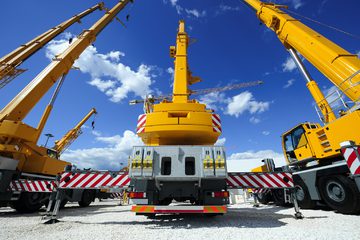
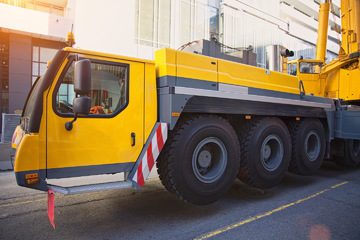
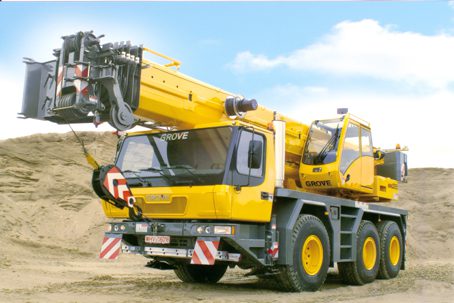
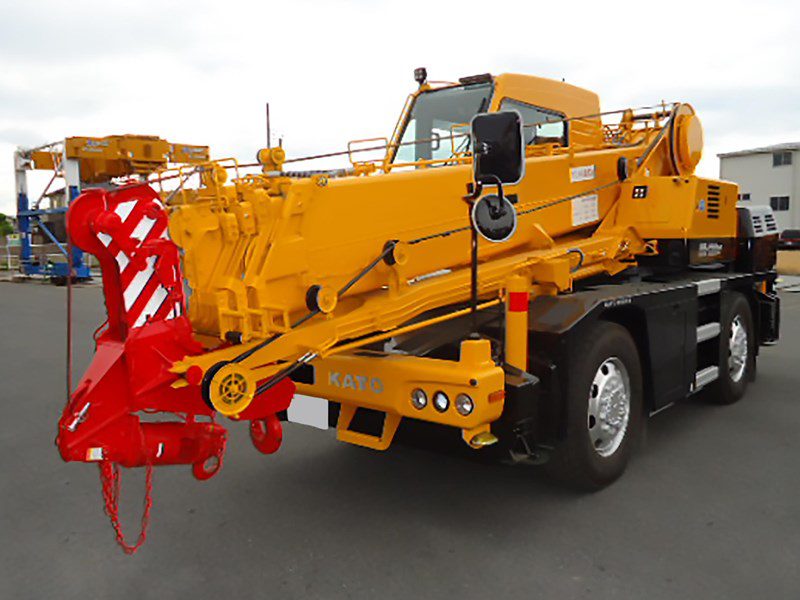
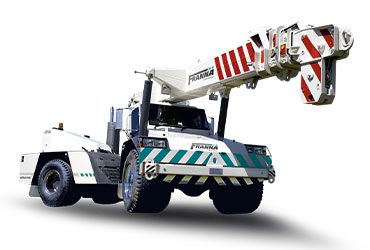
Projects involving infrastructure maintenance, bridge components, industrial installations, or multiple work locations often favour mobile crane hire because of its flexibility. Mobile cranes can relocate quickly between sites, require relatively limited setup compared with permanent lifting solutions, and support projects where lifting requirements change throughout construction.
Their versatility makes them valuable across regional infrastructure works as well as metropolitan developments where timelines require rapid equipment deployment.
By contrast, high-rise residential and commercial developments typically rely on tower crane hire. These cranes remain in position for extended periods, supporting continuous lifting operations throughout lengthy construction programs. Their height and lifting capacity allow materials to move efficiently across large building footprints while reducing interruptions to ongoing work.
Tower cranes have become an enduring feature of Sydney’s skyline precisely because they provide the consistency required for complex vertical construction.
Yet some of Australia’s most demanding projects present an entirely different challenge.
Why Dense Urban Sites Are Driving New Crane Decisions
Many contemporary developments occupy sites never originally intended for major construction. Apartment towers emerge beside operating office buildings. Hospitals expand while remaining fully functional. Transport upgrades take place within active city centres where road closures are limited and surrounding businesses continue operating.
These environments leave little room for conventional lifting equipment.
That reality explains the growing relevance of luffing crane hire northern sydney for projects where space constraints influence almost every construction decision.
Unlike traditional tower cranes with wide horizontal jibs, luffing cranes can raise and lower their jib angle, significantly reducing the swing radius required during operation. On confined sites surrounded by neighbouring buildings or overlapping construction zones, this design provides greater operational flexibility while helping minimise interference with adjacent structures.
Northern Sydney illustrates this trend particularly well. Established suburbs undergoing urban renewal often combine limited site access with growing residential density. Mixed-use developments, health facilities, and commercial refurbishments frequently require lifting equipment capable of operating within narrow construction footprints without disrupting surrounding communities.
In these circumstances, choosing luffing crane hire northern sydney becomes less about equipment preference and more about adapting construction methods to the realities of modern urban development.
Regulation Is Raising the Standard
Australia’s crane industry has evolved alongside increasingly rigorous regulatory expectations.
State regulators, including SafeWork NSW and comparable workplace safety authorities across Australia, continue refining guidance surrounding lifting operations, operator competency, inspection procedures, and risk management. Australian Standards governing cranes and lifting equipment also place greater emphasis on planning, documentation, maintenance, and ongoing compliance throughout a project’s lifecycle.
These developments reflect lessons learned across decades of increasingly sophisticated construction activity.
Today, successful lifting operations depend not only on machine capability but also on engineering assessments, lift planning, weather monitoring, exclusion zones, communication protocols, and certified operator qualifications.
For project managers, crane selection now intersects directly with regulatory compliance. Equipment must fit the site’s physical requirements while supporting safe operational procedures under increasingly detailed oversight.
Rather than slowing construction, these higher standards have encouraged more deliberate planning that ultimately reduces operational disruption and project risk.
Technology Is Changing the Conversation
The crane itself is changing as rapidly as the construction sites it serves.
Many operators now incorporate GPS fleet monitoring, digital maintenance records, real-time load monitoring, remote diagnostics, and electronic safety systems into everyday operations. These technologies improve visibility across projects while helping identify maintenance needs before they affect productivity.
Digital planning tools also enable engineers to simulate crane positioning, lifting paths, and potential site conflicts during project planning rather than discovering constraints after equipment arrives.
This evolution mirrors broader trends across Australian infrastructure, where digital project management increasingly supports better scheduling, resource allocation, and risk reduction.
Technology has not removed complexity from crane operations.
Instead, it has provided decision-makers with more information to manage that complexity intelligently.
Sustainability Is Becoming Part of Equipment Strategy
Environmental considerations are also influencing construction logistics in subtle but meaningful ways.
Reducing unnecessary equipment movements lowers fuel consumption. Better lift planning minimises idle operating time. More efficient crane utilisation can decrease project delays that otherwise generate additional transport, labour, and energy costs.
While cranes themselves represent only one component of overall project emissions, infrastructure developers increasingly evaluate operational efficiency alongside traditional cost and scheduling metrics.
The conversation surrounding crane hire therefore extends beyond lifting capacity alone. It increasingly includes broader questions about resource efficiency, community impact, and long-term project performance.
The Skyline Reflects Smarter Decisions
From street level, a crane appears to be a temporary feature of the city.
Yet every crane visible across Sydney represents hundreds of earlier decisions involving engineering, procurement, regulation, logistics, and urban planning. Those choices influence whether projects remain on schedule, minimise disruption to surrounding communities, and adapt successfully to increasingly constrained building environments.
Australia’s construction industry is entering an era where complexity defines almost every major development. Population growth, urban density, evolving safety expectations, and digital technology are reshaping how projects are delivered.
Within that transformation, crane hire has quietly become more than a logistical necessity. It has become a strategic indicator of how infrastructure adapts to the changing realities of Australian cities.
As Sydney continues to build upward while available space grows ever tighter, the cranes dominating its skyline tell a story that extends well beyond construction itself. They reveal an industry learning that smarter infrastructure begins not with bigger machines, but with better decisions.