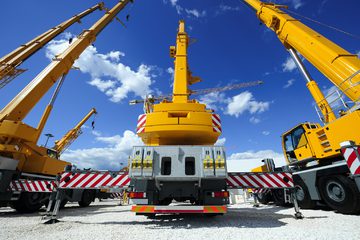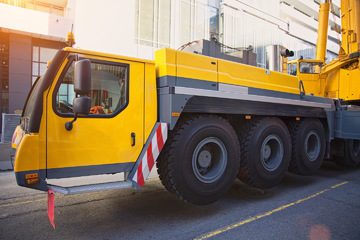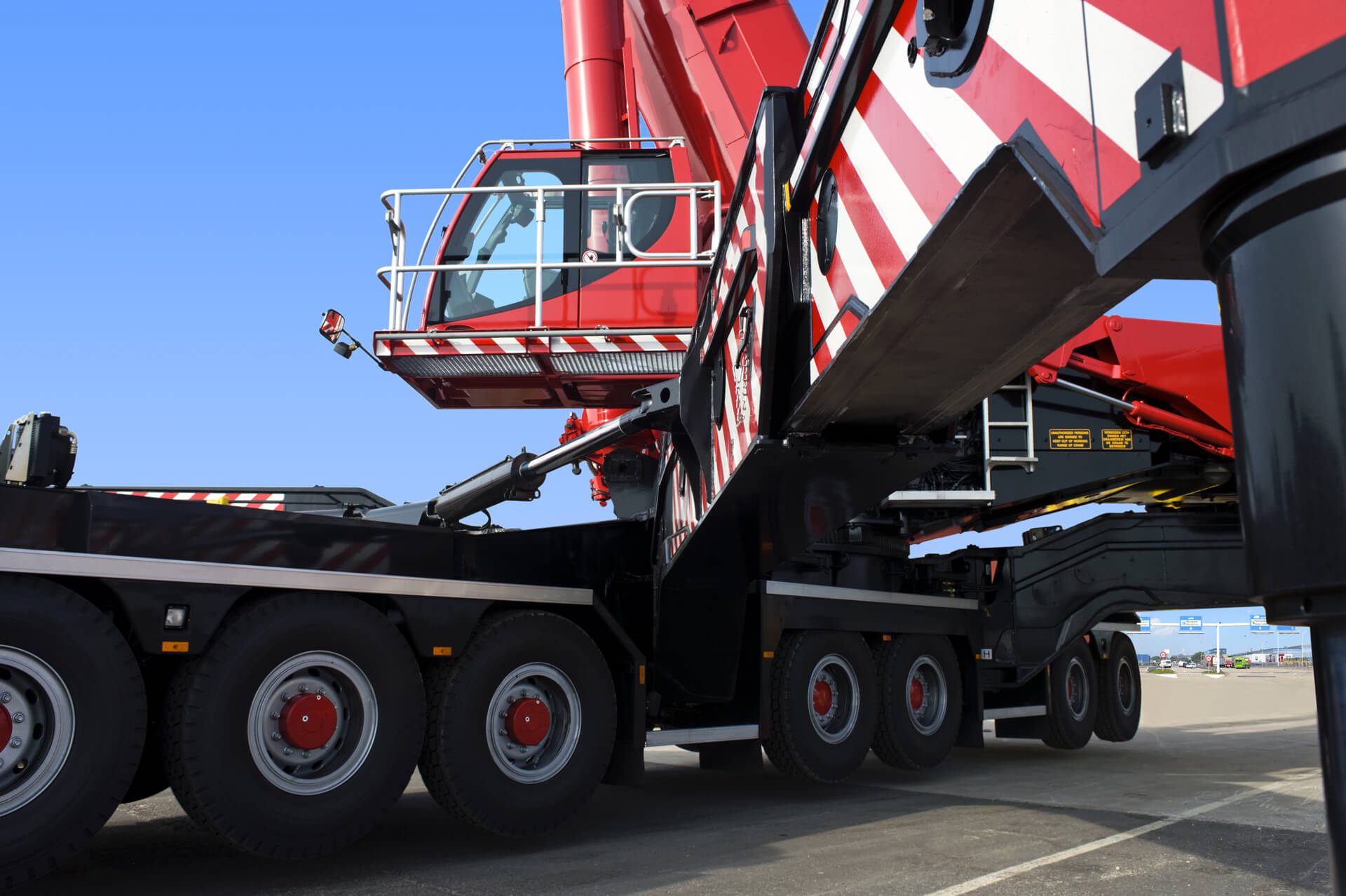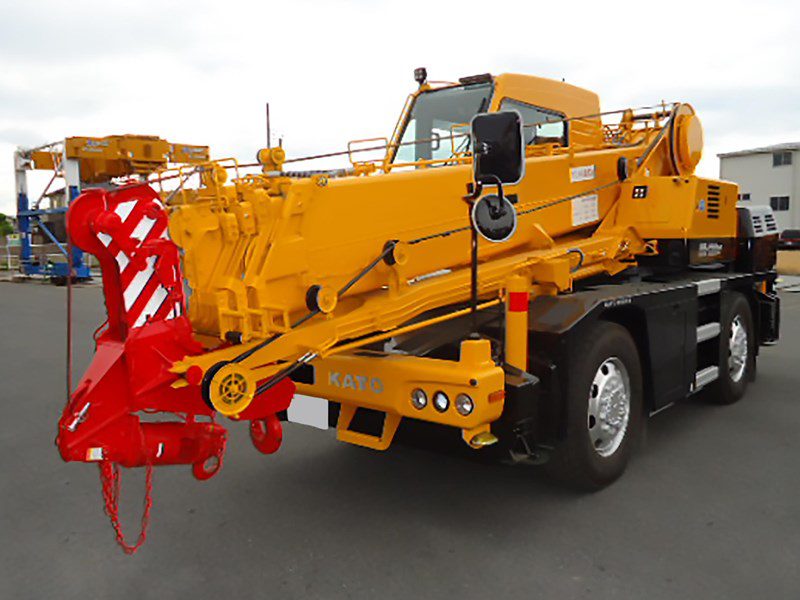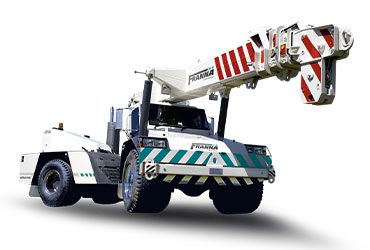
As Sydney grows upward and regional New South Wales expands outward, crane hire strategy is emerging as a quiet but influential force behind safer, more efficient construction.
On any weekday morning, Sydney’s skyline offers a familiar image: cranes suspended above towers still taking shape, their movements so routine that they almost disappear into the city’s rhythm. Yet a few hours away in the Southern Highlands, another construction story is unfolding. Here, cranes navigate uneven terrain, regional road networks, and evolving infrastructure projects rather than crowded city blocks. Though the settings differ, both reveal the same reality—crane hire has become far more than an operational decision. It has become a strategic choice that influences how Australia’s cities and regions continue to develop.
The conversation around Australian construction often centres on housing targets, transport infrastructure, and the pace of urban growth. Less visible is the network of decisions that determines whether those projects remain on schedule, meet increasingly rigorous safety standards, and adapt to changing site conditions. Among those decisions, selecting the appropriate lifting solution has become one of the most consequential.
As construction projects become more complex, procurement teams are asking different questions than they did a decade ago. Capacity still matters, but so do logistics, environmental constraints, workforce availability, digital integration, and regulatory compliance. Crane hire has shifted from being a straightforward equipment requirement to an important component of project planning itself.
A Different Construction Landscape Demands Different Decisions
Australia’s building sector is operating in an environment defined by competing pressures. Governments continue investing heavily in roads, rail corridors, hospitals, schools, renewable energy infrastructure, and residential developments, while developers respond to increasing demand for housing in metropolitan centres. At the same time, tighter labour markets, rising material costs, and compressed delivery schedules leave less room for operational inefficiency.
Urban density has amplified these challenges. Sydney’s available building sites continue to shrink, forcing contractors to work within narrow footprints bordered by existing buildings, active traffic corridors, rail infrastructure, and pedestrian movement. Every lifting operation must fit within increasingly limited space while maintaining productivity and meeting strict workplace safety requirements.
Regional Australia presents a different, but equally significant, set of challenges. Expanding infrastructure throughout New South Wales requires equipment capable of operating across longer travel distances, variable terrain, and locations where site access is often less predictable than in metropolitan environments.
These realities explain why city crane hire Southern Highlands has become an increasingly relevant discussion within the construction industry. As metropolitan expertise extends into regional projects, contractors must balance urban efficiency with the practical realities of regional construction, where flexibility often matters just as much as lifting capacity.
Matching the Crane to the Construction Challenge
The growing complexity of Australian construction has reinforced an important principle: different projects demand different lifting strategies.
For contractors managing infrastructure maintenance, commercial fit-outs, bridge works, or utilities across multiple locations, mobile crane hire provides operational flexibility. The ability to relocate quickly between sites allows project teams to minimise downtime while responding to evolving construction priorities. In an industry where scheduling disruptions can carry significant financial consequences, mobility has become an increasingly valuable asset.
The requirements change considerably for long-duration developments.
High-rise residential towers, commercial office buildings, and mixed-use precincts depend on tower crane hire because these projects require continuous vertical movement of materials over many months. Rather than serving as temporary equipment, tower cranes become an integral part of the construction process, supporting structural work, façade installation, and material distribution throughout the project’s lifecycle.
Dense urban environments introduce another layer of complexity.
Where neighbouring buildings, overhead utilities, and restricted operating space limit conventional crane movements, luffing crane hire offers a practical response. With a jib designed to operate efficiently within confined airspace, these cranes allow lifting activities to continue without extending unnecessarily beyond site boundaries. As Sydney continues embracing higher-density development, these specialised lifting solutions have become increasingly relevant to projects where space itself is one of the greatest construction constraints.
The lesson is consistent across project types: selecting a crane is less about choosing the largest machine and more about aligning equipment capabilities with site realities.
Technology Is Quietly Reshaping Crane Operations
Much of Australia’s construction innovation is occurring behind the scenes rather than on the skyline.
Digital technologies now support many aspects of crane operations, from fleet scheduling and GPS tracking to real-time load monitoring and predictive maintenance. These systems provide project managers with better visibility into equipment utilisation while reducing unexpected downtime through earlier identification of maintenance requirements.
Load management technologies also contribute to safer lifting practices by providing operators and site supervisors with clearer operational data during complex lifts. Instead of relying solely on manual processes, construction teams increasingly combine experience with digital information to improve planning and reduce operational uncertainty.
Automation has not replaced skilled operators, nor is it likely to do so in the foreseeable future. Instead, technology has strengthened decision-making by improving situational awareness, equipment reliability, and project coordination across increasingly demanding construction environments.
Regulation Has Raised Expectations Across the Industry
Australia’s regulatory environment has evolved alongside construction itself.
WorkSafe authorities and state workplace safety regulators have strengthened expectations surrounding lifting operations, operator competency, equipment inspections, maintenance documentation, and site-specific risk management. Compliance is no longer viewed as an administrative exercise completed after planning. Increasingly, it forms part of project design from the earliest procurement discussions.
Many operators now maintain comprehensive digital maintenance records, documented lift plans, and operator certification systems that improve transparency while supporting regulatory compliance. This shift reflects a broader industry recognition that safety and operational efficiency are closely connected rather than competing priorities.
Environmental considerations are also becoming more influential. Contractors increasingly examine fuel efficiency, transport logistics, equipment utilisation, and project sequencing as part of broader sustainability objectives. Crane deployment is gradually becoming part of a wider conversation about reducing unnecessary emissions while maintaining construction productivity.
Sydney’s Lessons Extend Beyond the City
Although Sydney often dominates discussions about Australian construction, many of the lessons emerging from the city now influence projects well beyond metropolitan boundaries.
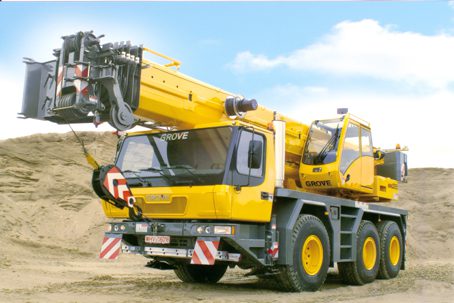
Infrastructure corridors connecting Sydney with surrounding regional communities illustrate this shift particularly well. Projects frequently transition between dense urban environments and more open regional landscapes, requiring equipment capable of adapting to changing operating conditions. In such situations, all-terrain crane hire Sydney demonstrates how modern lifting strategies increasingly prioritise versatility without compromising safety or performance.
The distinction between metropolitan and regional construction is becoming less pronounced. What differs is not the importance of crane planning but the constraints that shape each decision.
The Future Will Reward Better Planning, Not Bigger Equipment
Australia’s cranes remain among the most visible symbols of economic growth, but they also represent something less obvious: a construction industry becoming increasingly sophisticated in how it plans, manages risk, and allocates resources.
Whether overlooking Sydney’s expanding skyline or supporting infrastructure throughout the Southern Highlands, crane hire decisions now influence far more than lifting operations. They affect project timelines, workforce productivity, regulatory compliance, environmental performance, and ultimately the pace at which communities develop.
As Australian cities continue building upward and regional centres continue expanding outward, the importance of thoughtful crane procurement will only grow. The future of construction is unlikely to be defined by taller cranes or larger machinery alone. Instead, it will be shaped by better planning, smarter deployment, and a deeper understanding that every successful project begins long before the first lift takes place.