As Australia’s cities grow denser and infrastructure projects become more complex, crane hire has evolved into a strategic decision that influences productivity, safety, and the future of urban development.
Sydney’s skyline is often read as a measure of economic confidence. New residential towers rise beside heritage buildings, rail stations expand beneath busy streets, and hospitals evolve without pausing daily operations. The cranes that dominate these construction sites appear to be temporary fixtures, arriving for a project and disappearing once the work is complete.
Yet their presence tells a far more significant story. Every crane on Sydney’s skyline represents a carefully considered decision about logistics, regulation, engineering, and urban planning. Choosing the right equipment has become increasingly influential in determining whether projects stay on schedule, operate safely, and adapt to the realities of modern Australian cities.
This is why city crane hire Sydney has become more than a practical construction service. It reflects broader changes in how Australia approaches infrastructure delivery. As urban density increases and governments invest heavily in transport, housing, education, and healthcare, crane hire has emerged as an overlooked but essential component of successful city building.
Australia’s Construction Landscape Has Changed
For decades, much of Australia’s growth occurred on the urban fringe. New suburbs offered large construction sites with relatively unrestricted access, allowing contractors considerable flexibility when planning equipment and logistics.
Today’s development environment looks very different.
Sydney, Melbourne, Brisbane, and other major cities are increasingly focused on urban renewal rather than outward expansion. Apartment towers replace ageing commercial buildings, transport interchanges are upgraded while remaining operational, and mixed-use developments are constructed within tightly constrained neighbourhoods.
Building inside an existing city introduces challenges that simply do not exist on undeveloped land.
Construction teams must work around surrounding businesses, occupied residential buildings, underground utilities, heritage structures, traffic restrictions, and limited site access. Every movement on site requires greater coordination than ever before.
Under these conditions, crane selection is no longer simply about lifting heavy materials. It has become part of the overall strategy that determines how efficiently an entire project functions.
Why Crane Hire Has Become a Strategic Decision
Several industry-wide shifts explain why crane procurement now receives far greater attention.
Labour shortages continue to affect construction scheduling across Australia. When skilled workers are in limited supply, delays caused by equipment inefficiencies become significantly more expensive. Project managers therefore seek lifting solutions that minimise downtime and allow trades to operate continuously.
Post-pandemic infrastructure investment has also compressed delivery timelines. Governments expect roads, hospitals, rail networks, schools, and residential developments to progress more rapidly while meeting increasingly demanding safety and environmental standards.
At the same time, digital project management software has transformed planning. Engineers can now model crane positioning, lifting paths, delivery sequencing, and site logistics well before construction begins. These tools have shifted crane hire decisions from reactive procurement to proactive planning.
As a result, discussions surrounding city crane hire Sydney increasingly focus on operational fit rather than simple equipment availability.
Matching Equipment to Different Construction Challenges
Modern construction demonstrates that there is no universal lifting solution.
Each project presents unique constraints that require equipment matched to specific operational needs.
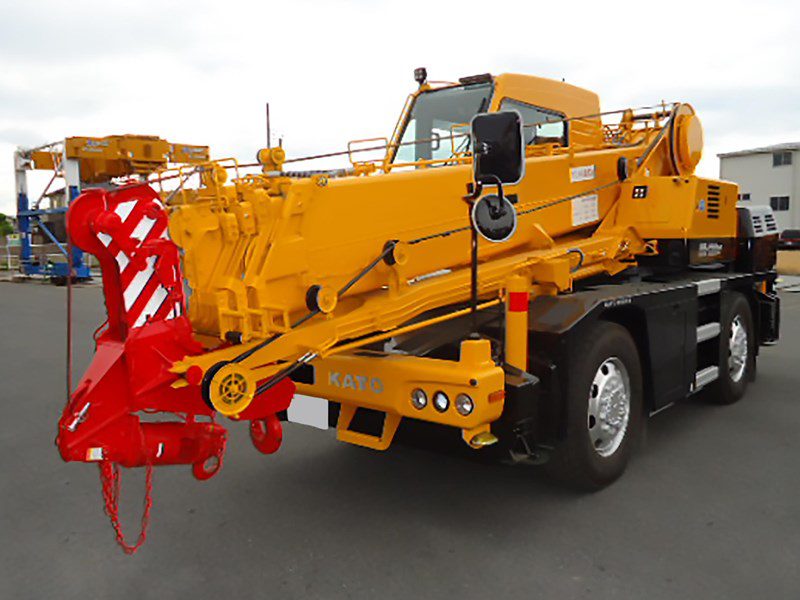
Projects involving utility maintenance, bridge repairs, industrial facilities, or transport infrastructure frequently require lifting operations across multiple locations within a relatively short period. In these situations, mobile crane hire provides the flexibility necessary to relocate efficiently while maintaining substantial lifting capacity.
Imagine a major road upgrade extending across several suburbs. Structural components, drainage systems, and bridge sections must be installed according to carefully scheduled road closures. Mobile cranes allow contractors to move quickly between work zones without interrupting overall project sequencing.
Their greatest strength lies in adaptability.
The requirements differ considerably on high-rise developments.
Commercial office towers, residential apartment buildings, hotels, and hospitals require continuous lifting over extended construction periods. Structural steel, prefabricated panels, concrete formwork, mechanical services, and façade materials must all move vertically throughout the project.
This is where tower crane hire becomes integral to construction efficiency.
Rather than relocating between multiple sites, tower cranes remain in place for months, supporting coordinated operations across numerous trades. Their role extends beyond lifting capacity; they become an essential part of the construction workflow itself, enabling predictable daily operations that improve productivity throughout the project lifecycle.
Building Within Tight Urban Spaces
Perhaps the most visible challenge facing Sydney construction is space.
Development sites continue to shrink while surrounding buildings become taller and more numerous. Construction often occurs beside occupied commercial towers, residential buildings, active railway corridors, or busy intersections where unrestricted crane movement is simply not possible.
This explains the increasing use of luffing crane hire across dense urban environments.
Unlike conventional tower cranes, luffing cranes feature articulated jibs that operate efficiently within restricted airspace. Their design allows materials to be lifted precisely without unnecessarily extending beyond neighbouring properties or infrastructure.
Consider an apartment development situated between existing residential buildings in Sydney’s inner suburbs. Construction materials must still reach upper floors safely and efficiently, but overhead movement is constrained by surrounding structures.
In these circumstances, luffing cranes provide a practical solution because they respond directly to the limitations created by modern urban density.
Certain infrastructure projects demand even greater versatility.
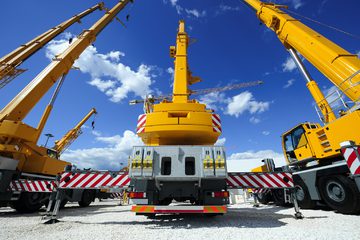
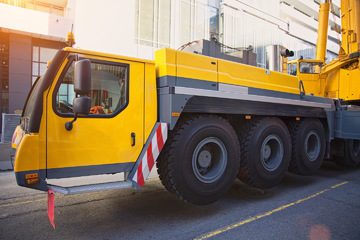
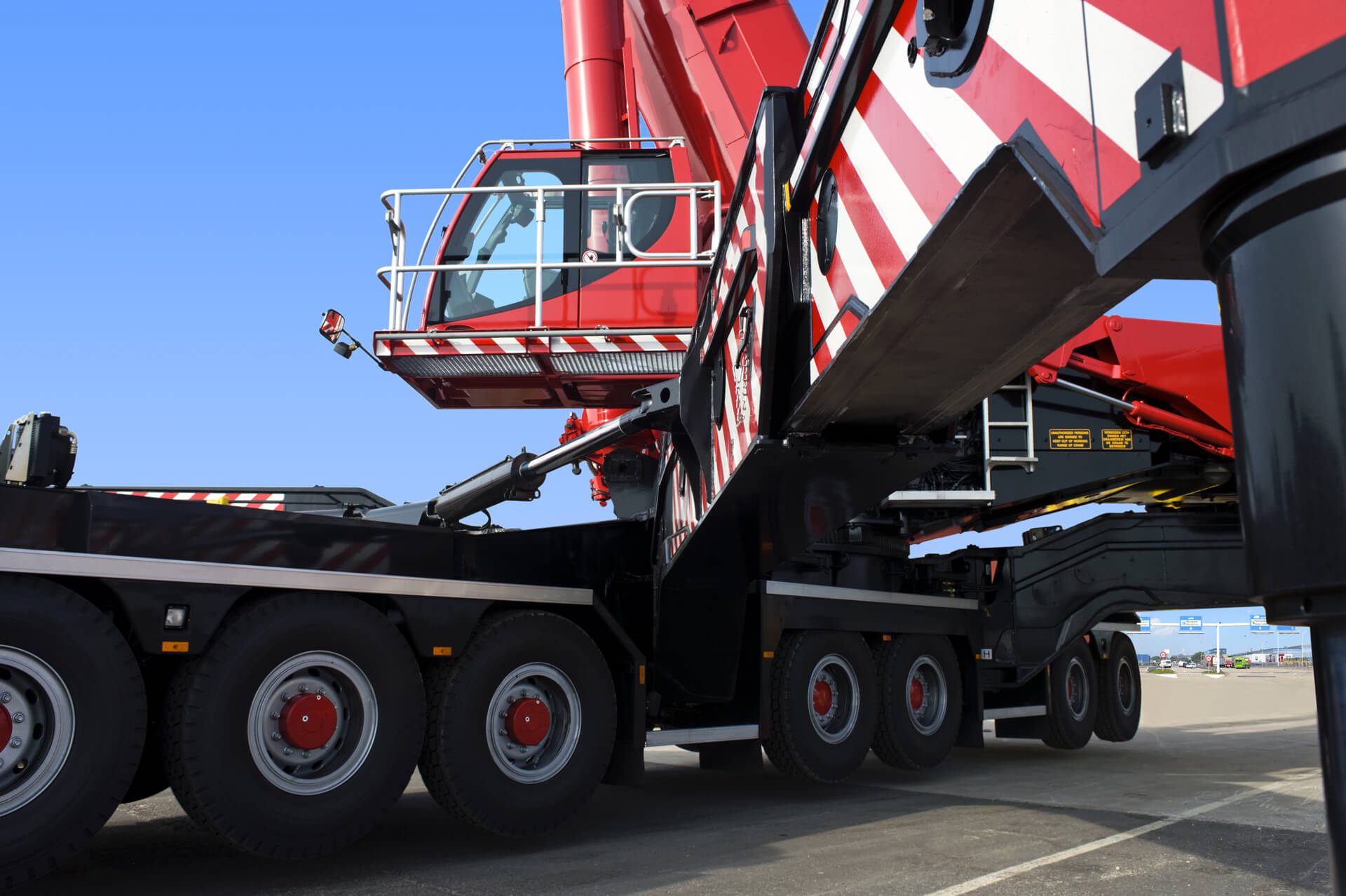
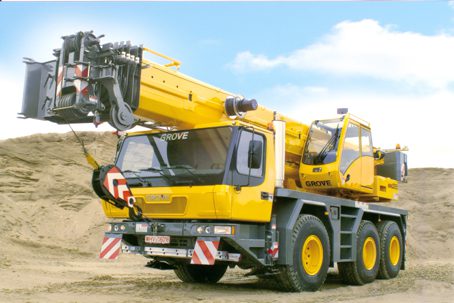
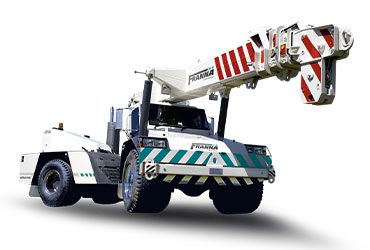
Large transport developments that transition between metropolitan streets and challenging construction terrain occasionally require equipment capable of travelling efficiently on public roads while maintaining strong off-road performance. In those specialised cases, all-terrain crane hire Sydney provides an appropriate balance between mobility and lifting capability.
These examples demonstrate an important principle: successful crane selection increasingly depends on understanding project constraints rather than relying on standard equipment choices.
Regulation Has Elevated Industry Expectations
Crane hire has also evolved because Australia’s regulatory environment continues to strengthen.
State workplace safety regulators, including SafeWork NSW, have progressively increased expectations around documented lift planning, operator competency, equipment inspections, maintenance records, and risk management processes.
Compliance now begins long before machinery reaches the construction site.
Project teams routinely assess maintenance documentation, operator qualifications, certification records, inspection schedules, and safety management systems during procurement. Crane hire decisions therefore influence contractual obligations, insurance requirements, and project governance alongside operational performance.
The industry’s emphasis has shifted from responding to risk after it emerges to preventing risk through comprehensive planning.
That evolution has significantly changed how contractors evaluate crane hire providers.
Technology Is Transforming Daily Operations
Many of the industry’s most important changes are occurring behind the scenes.
Digital fleet management systems now allow operators to monitor equipment utilisation in real time. GPS tracking improves scheduling across multiple sites, while electronic load monitoring systems provide additional oversight during complex lifting operations. Predictive maintenance software enables servicing before equipment failures disrupt construction schedules.
Technology has not reduced the importance of experienced operators.
Instead, it supports better planning, more accurate decision-making, and stronger communication between contractors, engineers, and project managers.
Environmental expectations have also become increasingly influential. Contractors are placing greater emphasis on reducing unnecessary equipment transport, improving fuel efficiency, and selecting cranes that minimise operational disruption while supporting broader sustainability objectives.
Crane hire is gradually becoming part of a wider conversation about responsible infrastructure delivery.
Reading Sydney’s Skyline Through a Different Lens
The cranes visible across Sydney are more than construction equipment. They reflect the changing priorities of Australian cities.
They reveal how infrastructure projects are adapting to limited space, stricter regulation, technological advancement, and increasingly complex urban environments. They also demonstrate that procurement decisions once viewed as routine now influence productivity, safety, and long-term project outcomes.
For engineers and project managers, crane hire has become an exercise in strategic planning rather than equipment selection alone. For urban planners and policymakers, it illustrates the practical realities of delivering infrastructure within established communities. For the broader public, it offers an often-overlooked insight into how Australia’s cities continue to evolve.
As urban development accelerates over the coming decade, city crane hire Sydney will likely become even more significant. The cranes shaping today’s skyline are not simply lifting steel and concrete—they are helping define how Australia’s next generation of cities will be built, managed, and sustained.