As Australia’s construction landscape grows more complex, the choices made long before the first lift are increasingly determining how efficiently cities evolve.
On a clear morning in Western Sydney, the skyline reveals more than a collection of cranes suspended above half-finished buildings. It reflects a region undergoing one of the country’s most significant infrastructure transformations. Residential towers rise beside new transport corridors. Logistics hubs expand near industrial precincts. Hospitals, schools, and commercial developments appear simultaneously across suburbs that continue to absorb Australia’s population growth.
For most observers, cranes are symbols of construction activity. For those responsible for delivering major infrastructure, however, they represent something far more strategic. Every crane on a site reflects a decision about safety, logistics, scheduling, regulation, and urban planning. Those decisions increasingly shape not only individual projects but the pace and quality of Australia’s future development.
The growing demand for city crane hire Western Sydney illustrates this broader shift. What was once considered an operational requirement has become a strategic component of project delivery, influencing everything from procurement decisions to environmental performance and workforce coordination.
Building in Australia Has Become More Complex
Construction has never been a simple business, but today’s projects operate within a very different environment than those completed even a decade ago.
Australia’s major cities continue to expand while available construction space steadily contracts. Western Sydney, in particular, has become one of the nation’s busiest development corridors, driven by new housing, transport investment, healthcare infrastructure, education facilities, manufacturing precincts, and logistics networks.
Yet rapid growth brings new challenges.
Projects increasingly unfold alongside active roads, rail lines, occupied commercial buildings, and established residential communities. Deliveries must be carefully timed to minimise disruption. Construction schedules are compressed as governments and developers respond to housing demand and infrastructure commitments. At the same time, labour shortages have placed additional pressure on project planning, making operational efficiency more valuable than ever.
These conditions have quietly elevated crane selection from a procurement exercise to an early project strategy.
Rather than asking what equipment is available, project teams now begin by asking what type of lifting operation best matches the physical realities of the site.
Matching the Crane to the Construction Challenge
The assumption that one crane can perform every lifting task no longer reflects modern construction practice. Different projects require different capabilities, and choosing the wrong equipment can create delays that extend well beyond the lifting operation itself.
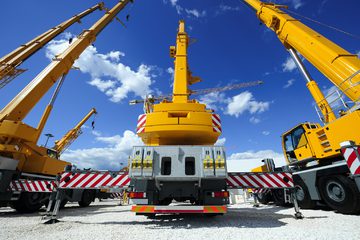
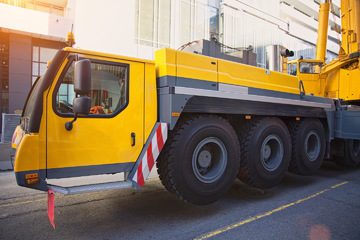
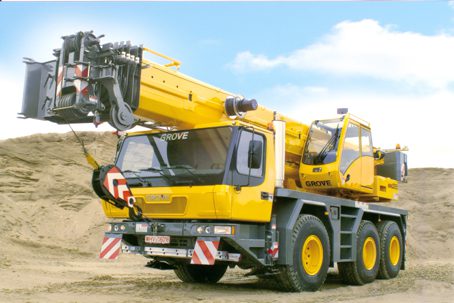
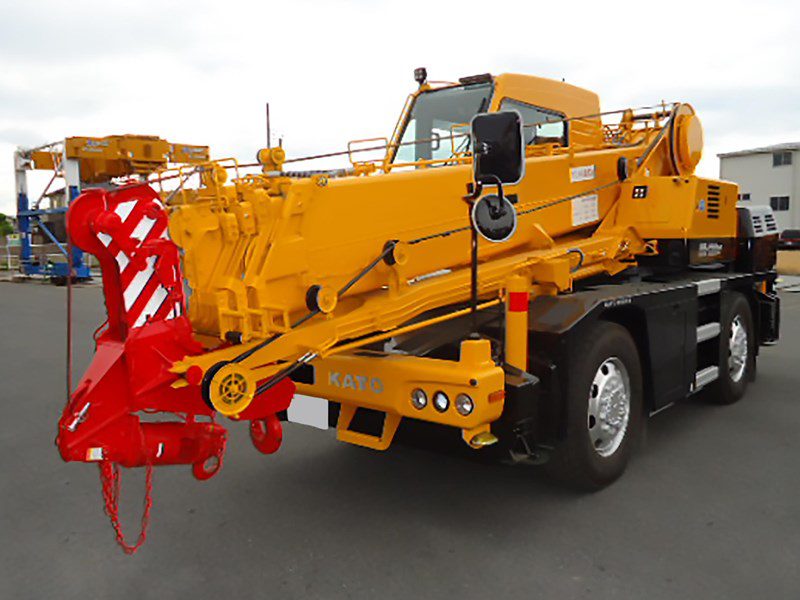
For infrastructure works spread across multiple locations, mobile crane hire remains one of the industry’s most adaptable solutions. Road upgrades, bridge maintenance, utility installations, industrial shutdowns, and large-scale civil works often require lifting equipment capable of relocating quickly without lengthy assembly periods.
That mobility allows contractors to move efficiently between sites while maintaining productivity across complex project schedules.
A different set of priorities emerges once construction moves vertically.
Apartment developments, office towers, hospitals, and mixed-use precincts depend heavily on tower crane hire because continuous lifting becomes central to daily operations. Structural steel, reinforcement, concrete panels, façade materials, and mechanical systems must move consistently throughout the construction cycle.
Unlike mobile cranes, tower cranes become integrated into the project itself. Their location influences site logistics, material storage, delivery sequencing, and workforce movement for months or even years.
Urban density introduces another layer of complexity.
As construction sites become smaller and neighbouring buildings stand closer together, luffing crane hire has become increasingly relevant across Sydney’s most constrained developments. The adjustable jib allows operators to work safely within restricted airspace where traditional tower cranes would have greater limitations.
These cranes are particularly suited to developments positioned beside operating transport infrastructure or occupied buildings, where precision and controlled movement become essential to maintaining both safety and productivity.
Each crane type reflects a different response to Australia’s changing built environment rather than a hierarchy of capability.
Western Sydney Offers a Practical Example
The pace of development across Western Sydney demonstrates why lifting strategies now require more careful consideration.
Large transport projects frequently involve construction zones spread across several kilometres. Residential developments occupy increasingly compact urban sites. Industrial facilities continue expanding near freight corridors that must remain operational throughout construction.
In some circumstances, project managers may require all-terrain crane hire Sydney to navigate varied ground conditions while moving efficiently between multiple work locations. In others, fixed lifting infrastructure provides the consistency required for long-term vertical construction.
The common thread is not the machinery itself but the increasing importance of selecting equipment that fits the operational realities of each individual project.
Construction has become an exercise in precision planning rather than simply assembling resources.
Technology Is Changing More Than Equipment
Although cranes remain familiar features of Australia’s skylines, the technology supporting their operation has evolved rapidly.
Many operators now use GPS tracking, telematics, electronic maintenance records, load monitoring systems, and remote diagnostics to improve equipment performance and reduce unexpected downtime. Digital information allows project managers to monitor utilisation, schedule preventative maintenance, and coordinate lifting activities with greater confidence.
Planning has evolved as well.
Three-dimensional modelling enables engineers to simulate lifting operations before equipment reaches the construction site. Potential conflicts involving neighbouring structures, overhead services, delivery routes, or temporary works can often be identified during the planning phase rather than during active construction.
This shift does not eliminate project risk, but it significantly improves decision-making in increasingly constrained environments.
Technology has become less about replacing experience and more about strengthening it.
Regulation Continues to Raise Expectations
The industry’s evolution extends beyond engineering and technology.
Across Australia, workplace safety regulators, including SafeWork authorities and WorkSafe agencies, have strengthened expectations surrounding operator competency, lift planning, equipment inspection, and ongoing maintenance documentation.
These changes reflect broader industry recognition that safety outcomes begin long before machinery arrives on site.
Many contractors now integrate compliance considerations into procurement decisions, engineering design, and construction sequencing from the earliest project stages. Digital inspection records, electronic maintenance histories, and advanced load management systems provide additional transparency while supporting more consistent operational standards.
Environmental considerations are also becoming more influential. Efficient project sequencing reduces unnecessary equipment movement, fuel consumption, and disruption to surrounding communities. Sustainability, once viewed primarily through building design, increasingly influences construction operations themselves.
What These Changes Mean for Australia’s Cities
The cranes visible across Western Sydney tell a larger story about Australia’s infrastructure future.
Population growth, urban consolidation, and continuing investment in transport, housing, healthcare, and industrial development mean construction projects will become increasingly sophisticated rather than simply larger. Success will depend on integrating engineering expertise, technology, regulatory compliance, and operational planning into every stage of project delivery.
Crane hire has become an important indicator of that transition.
Selecting the right lifting solution now affects productivity, workforce coordination, community impact, environmental performance, and long-term project resilience. These decisions rarely attract public attention, yet they shape how efficiently new infrastructure reaches the communities that depend upon it.
As Australian cities continue evolving, cranes will remain familiar landmarks above expanding skylines. What is changing is the thinking behind them. Increasingly, the future of urban development will be determined not only by what is built, but by the strategic planning that begins long before the first load ever leaves the ground.