How smarter lifting decisions are quietly reshaping construction across Australia’s growing cities
Few features define the modern Sydney skyline more clearly than the silhouettes of cranes stretching above new residential towers, transport corridors, and commercial developments. They are so familiar that they often fade into the background. Yet behind every crane standing above a construction site lies a decision that increasingly influences project timelines, safety outcomes, urban logistics, and even how efficiently Australian cities continue to grow.
The conversation around cranes has shifted. It is no longer simply about lifting heavy materials from one point to another. As Australia’s urban centres become denser and infrastructure projects become more complex, city crane hire has evolved into a strategic component of project planning rather than a routine procurement decision. The equipment selected today reflects broader pressures facing the construction industry, from workforce shortages and tighter regulations to environmental expectations and digital project management.
The Pressure of Building More in Less Space
Australia’s major cities continue to accommodate population growth through urban renewal instead of outward expansion. Sydney offers perhaps the clearest example, where residential towers, mixed-use precincts, hospitals, and transport upgrades frequently compete for space within already developed neighbourhoods.
These projects rarely enjoy the generous site access that characterised earlier generations of construction. Narrow streets, neighbouring buildings, live traffic, and strict noise restrictions require contractors to rethink every stage of project delivery. Crane selection has therefore become an exercise in balancing engineering requirements with urban realities.
This changing landscape explains why city crane hire has become far more nuanced than simply choosing equipment capable of lifting a particular load. Construction teams increasingly assess how machinery can operate safely within confined spaces while maintaining productivity throughout long project schedules.
The result is a construction industry that places greater emphasis on planning long before the first lift takes place.
Procurement Decisions Are Becoming More Strategic
Construction schedules have tightened considerably in recent years. Labour shortages, fluctuating material deliveries, and rising project costs leave little room for inefficient equipment choices.
Rather than treating crane hire as an isolated procurement decision, project teams increasingly integrate lifting strategies into broader construction planning. Engineers, planners, logistics specialists, and site managers often evaluate lifting requirements months before major structural work begins.
The objective extends beyond completing lifts efficiently. Crane availability influences delivery sequencing, site access planning, subcontractor scheduling, and overall project risk.
For many developments, the wrong equipment can introduce delays that ripple throughout an entire construction program. Conversely, selecting machinery suited to site conditions allows multiple trades to work simultaneously while reducing operational interruptions.
This shift reflects a broader trend within Australian construction: operational efficiency increasingly depends on decisions that once received relatively little public attention.
Different Projects Require Different Lifting Strategies
The diversity of Australia’s construction sector means no single crane solution fits every project.
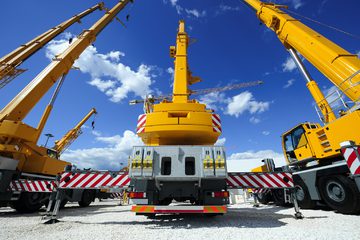
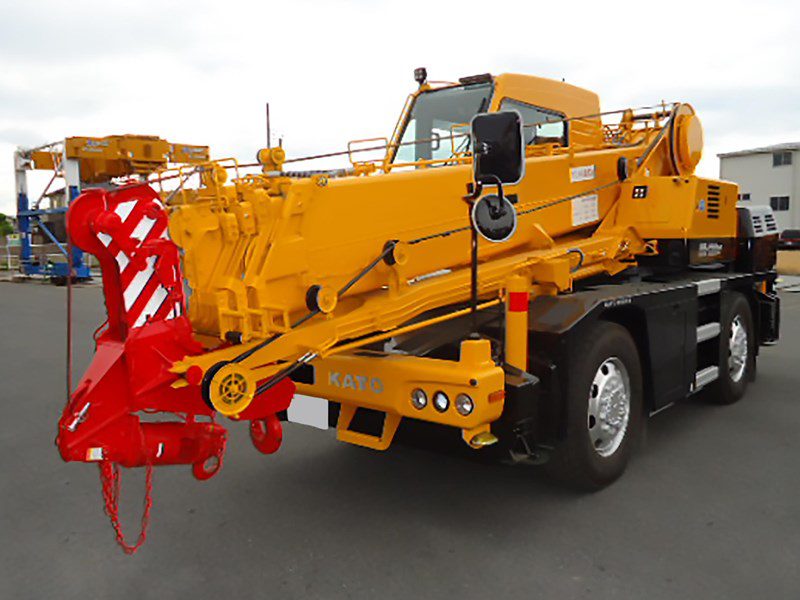
Projects involving infrastructure maintenance, bridge components, industrial facilities, or multiple construction locations often rely on mobile crane hire because mobility provides significant operational flexibility. Equipment can relocate between sites quickly, reducing downtime while supporting projects where lifting requirements change from day to day.
High-rise developments present entirely different challenges. Once structural work begins, continuity becomes essential. In these situations, tower crane hire supports sustained lifting operations over extended construction periods, allowing materials to move vertically with consistent efficiency throughout the building process.
Dense inner-city developments introduce yet another layer of complexity. Sites surrounded by neighbouring buildings, limited swing radius, and strict airspace considerations frequently require luffing crane hire. Their ability to operate within restricted environments makes them particularly suited to projects where conventional tower cranes would struggle to function safely.
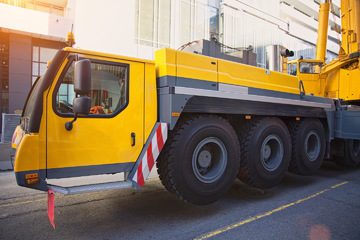
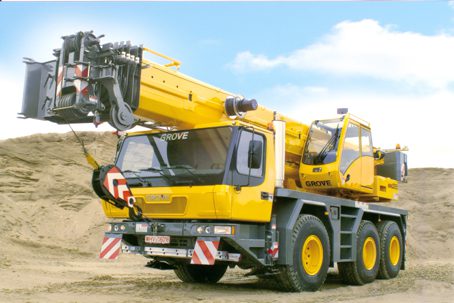
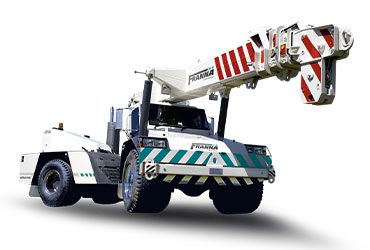
Sydney illustrates this contrast particularly well. On complex redevelopment sites where streets remain open to traffic and surrounding buildings continue operating, contractors may also consider all-terrain crane hire Sydney projects require during critical installation phases. These machines provide temporary lifting capability while maintaining flexibility within constrained urban environments.
The point is not that one crane is inherently better than another. Rather, successful projects increasingly depend on selecting equipment that matches the realities of each construction environment.
Safety Expectations Continue to Rise
Equipment capability is only one part of the equation. Regulatory expectations surrounding lifting operations have become significantly more comprehensive over the past decade.
Australian construction operates under rigorous workplace safety requirements, supported by state regulators and nationally recognised standards. Planning documentation, lift studies, operator competency, exclusion zones, and ongoing equipment inspections now form integral parts of modern lifting operations rather than administrative afterthoughts.
Workplace safety agencies continue placing greater emphasis on risk management before lifting activities commence. This proactive approach encourages contractors to identify potential hazards through detailed planning instead of relying solely on operational experience once work begins.
Consequently, city crane hire increasingly involves not only selecting machinery but ensuring equipment integrates seamlessly with site-specific safety systems, traffic management plans, and environmental controls.
For project managers, crane selection has therefore become as much about governance as engineering.
Technology Is Quietly Changing Crane Operations
Unlike highly visible advances such as autonomous vehicles or robotics, technological progress within crane operations often occurs behind the scenes.
Many operators now employ GPS tracking, digital maintenance records, remote diagnostics, and load monitoring systems that provide greater visibility into equipment performance. These technologies improve maintenance scheduling while supporting safer lifting practices through more accurate operational data.
Digital project management platforms have also strengthened coordination between construction teams and lifting specialists. Real-time scheduling adjustments, electronic documentation, and predictive maintenance reduce unnecessary downtime while improving communication across increasingly complex projects.
Although cranes themselves remain recognisable pieces of heavy equipment, the systems supporting their operation have become considerably more sophisticated.
This digital evolution reflects construction’s broader transition toward data-informed decision-making rather than reactive site management.
Sustainability Is Influencing Equipment Decisions
Environmental considerations have also entered conversations traditionally dominated by engineering and cost.
Developers increasingly seek ways to reduce emissions, minimise unnecessary transport movements, and improve overall resource efficiency. Equipment utilisation has therefore become an important sustainability metric alongside fuel consumption and project waste reduction.
Carefully planned city crane hire contributes to these objectives by matching equipment capacity to actual lifting requirements instead of defaulting to larger machinery than necessary.
Improved scheduling also reduces idle operating time while limiting repeated equipment mobilisation between sites. These efficiencies may appear incremental individually, yet collectively they support broader sustainability goals across Australia’s expanding construction sector.
As environmental reporting becomes more common throughout infrastructure delivery, procurement decisions increasingly reflect both operational performance and environmental responsibility.
Building Australia’s Next Generation of Cities
The cranes visible across Australia’s skylines represent more than construction activity. They illustrate how cities are adapting to changing economic, demographic, and environmental realities.
Every major infrastructure project now operates within tighter physical constraints, greater regulatory scrutiny, and higher expectations for efficiency than projects completed only a generation ago. In that environment, lifting strategies have become part of a much larger conversation about urban resilience and project delivery.
The future of city crane hire will likely be shaped less by dramatic technological breakthroughs than by continual improvements in planning, safety, digital integration, and operational precision. These developments may not capture public attention in the same way as new skyscrapers or transport networks, but they influence whether those projects are delivered safely, efficiently, and sustainably.
For Australia’s construction industry, cranes will remain highly visible symbols of growth. Increasingly, however, the most important changes are occurring not above the skyline but in the strategic decisions made long before the first lift begins.