Regional construction is becoming more sophisticated, revealing why crane procurement has evolved from an operational decision into a strategic component of Australia’s infrastructure future.
Standing on a ridge overlooking Sydney’s western suburbs, it is impossible to ignore the skyline. Tower cranes stretch above apartment developments, hospitals, transport corridors, and commercial precincts, moving almost as rhythmically as the city itself. They have become visual shorthand for economic activity. Yet a quieter transformation is taking place beyond the metropolitan horizon. Across the Southern Highlands, cranes are appearing over projects that rarely attract national attention but increasingly reflect the same strategic thinking shaping Australia’s largest infrastructure developments.
The buildings may not be as tall, and the construction sites may occupy more open landscapes than those found in central Sydney, but the challenges are remarkably similar. Developers are balancing rising costs, tighter regulations, workforce shortages, sustainability expectations, and increasingly compressed delivery schedules. In that environment, decisions surrounding tower crane hire Southern Highlands have become far more consequential than simply selecting machinery capable of lifting steel and concrete.
Today, crane procurement influences how projects are designed, scheduled, financed, and ultimately delivered.
A Different Construction Landscape Requires Different Thinking
Australia’s construction sector has entered an era where complexity often matters more than scale. While demand for housing, logistics facilities, schools, healthcare infrastructure, and industrial development remains strong, delivering those projects has become significantly more difficult.
Urban expansion continues to place pressure on Sydney’s available land, pushing growth into surrounding regional centres. The Southern Highlands has benefited from this shift, attracting investment in residential communities, commercial facilities, healthcare services, and education infrastructure. These developments support growing populations while offering businesses and residents an alternative to metropolitan density.
Yet regional construction presents its own challenges.
Longer transport distances, changing terrain, limited access to specialised labour, and varying weather conditions require project managers to think differently about logistics. Equipment that performs well in one environment may not provide the same efficiency elsewhere.
That is one reason discussions around tower crane hire Southern Highlands increasingly begin during the earliest stages of project planning rather than after construction contracts have been awarded.
Crane Hire Has Become a Strategic Decision
Construction projects depend on sequencing. Foundations must be completed before structural steel arrives. Services cannot be installed until floor systems are in place. Interior trades rely on carefully coordinated material deliveries. A disruption in one stage quickly affects every team working on site.
Because cranes connect these activities, they have become central to project management.
Developments involving multi-storey residential buildings, commercial offices, hospitals, and public infrastructure frequently depend on tower crane hire because tower cranes provide continuous lifting capacity throughout extended construction programs. Their ability to move heavy materials efficiently between multiple working levels supports consistent productivity over many months.
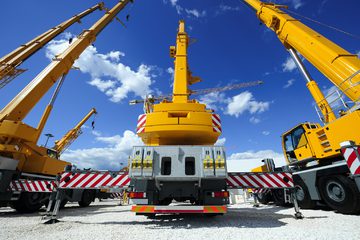
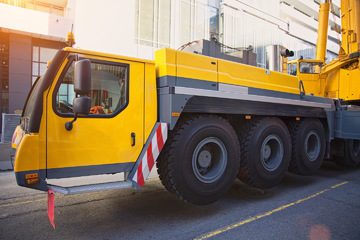
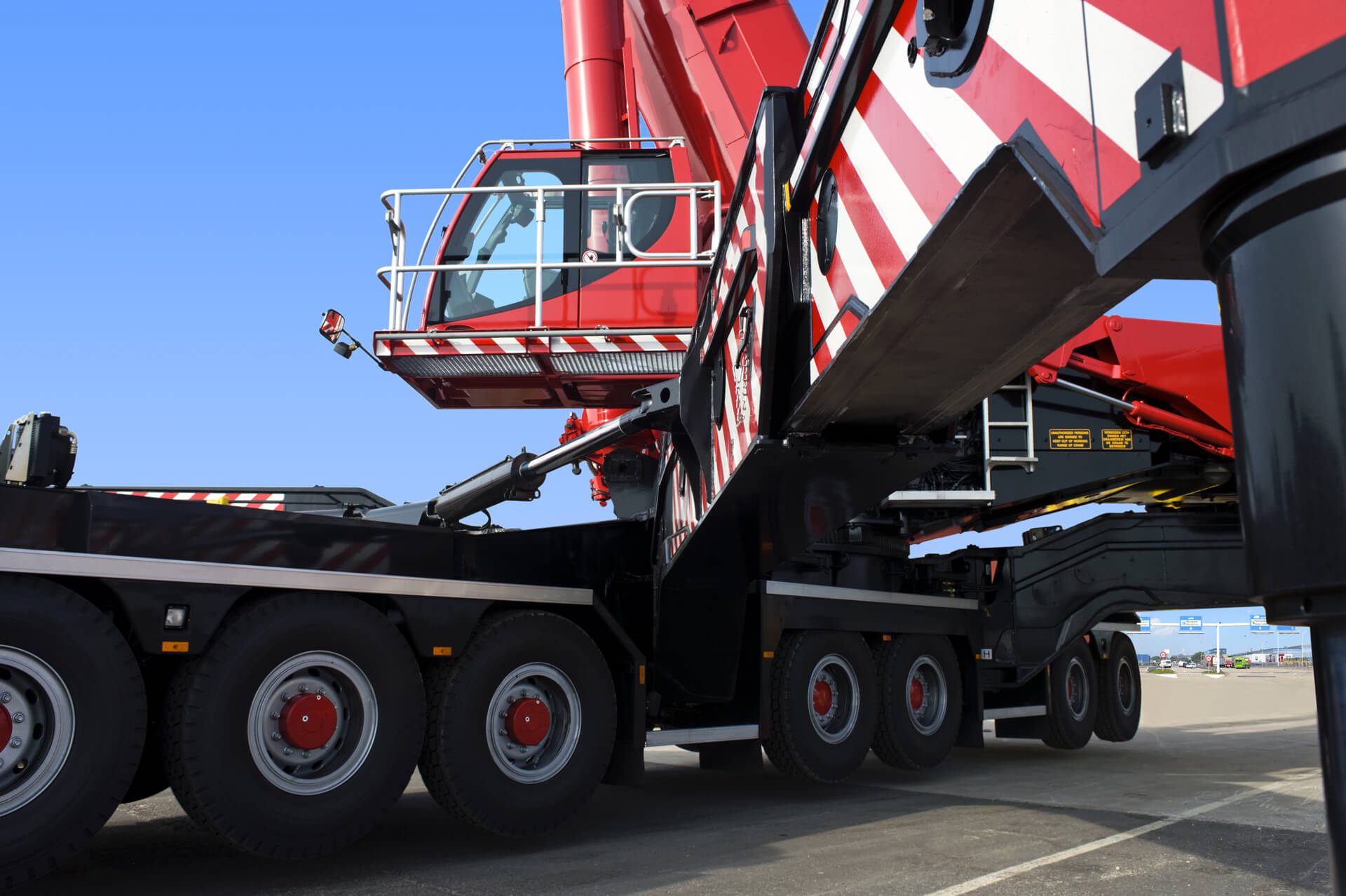
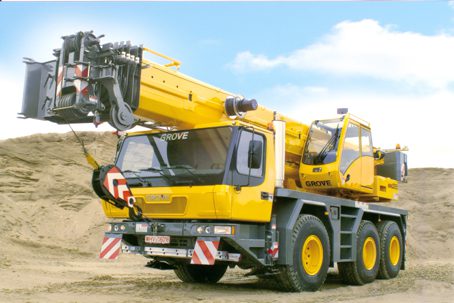
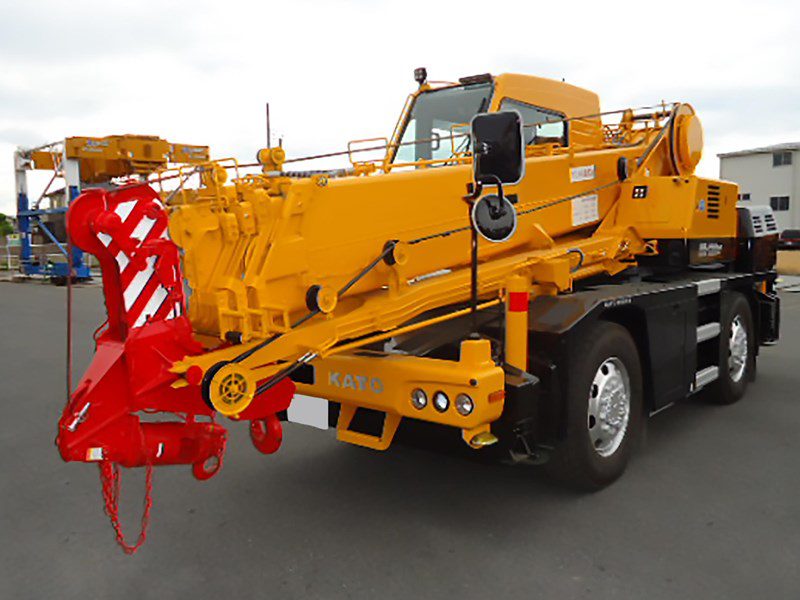
Other projects demand different capabilities. Road upgrades, bridge construction, industrial maintenance, and modular building installations often rely on mobile crane hire, allowing equipment to move rapidly between separate worksites without lengthy assembly procedures. Flexibility becomes more valuable than permanence.
Urban environments introduce another set of constraints. Construction sites surrounded by neighbouring buildings or narrow streets require equipment capable of operating safely within restricted airspace. In these situations, luffing crane hire enables precise lifting while reducing the operational footprint above surrounding properties.
Each crane type responds to a different construction challenge. Increasingly, successful project delivery depends not on selecting the largest crane but on selecting the most appropriate one.
Regional Development Is Becoming More Sophisticated
The Southern Highlands is no longer viewed solely as a residential destination within commuting distance of Sydney. Investment in healthcare, logistics, education, manufacturing, and community infrastructure has diversified the region’s construction pipeline.
These projects often involve complicated staging requirements.
Hospitals may expand while remaining fully operational. Schools continue teaching students as new buildings are constructed alongside existing facilities. Industrial sites require construction teams to work safely around ongoing commercial activity.
Such environments demand careful coordination long before construction begins.
Many project teams now incorporate crane positioning into site design, recognising that lifting operations influence delivery schedules, temporary access roads, storage areas, workforce movement, and overall construction sequencing. As a result, tower crane hire Southern Highlands has become part of broader discussions around engineering, procurement, and project planning rather than simply equipment rental.
The evolution reflects a wider trend throughout Australia’s construction sector: temporary infrastructure increasingly determines permanent outcomes.
Technology Is Quietly Changing Crane Operations
Although tower cranes remain familiar landmarks across Australian construction sites, the systems supporting them have advanced considerably over the past decade.
Many operators now use GPS fleet management, digital maintenance scheduling, electronic inspection records, and real-time load monitoring systems that provide project managers with greater visibility over equipment performance. Maintenance increasingly relies on operational data rather than fixed servicing intervals, helping reduce unexpected downtime.
Digital engineering has also transformed lift planning.
Construction teams can now model crane locations, lifting paths, exclusion zones, and material movements before installation begins. Identifying logistical conflicts during planning reduces disruption once projects move into active construction.
These technologies are not replacing experienced operators. Instead, they provide better information, allowing project teams to make more informed decisions throughout the construction process.
As digital project management becomes standard across Australia’s infrastructure sector, cranes have evolved into connected assets within larger project ecosystems.
Regulation Has Become Part of Operational Planning
Australia’s workplace safety framework continues evolving alongside construction practices.
WorkSafe authorities and state regulators have strengthened expectations surrounding operator competency, documented lift planning, inspection procedures, communication systems, and equipment maintenance. Compliance is increasingly viewed as an integrated management process rather than a collection of administrative requirements.
Many contractors now maintain comprehensive digital compliance records that simplify audits while improving transparency throughout major developments.
The industry’s approach to safety has also matured.
Well-planned lifting operations reduce unnecessary site movement, improve coordination between trades, minimise scheduling conflicts, and create more predictable construction environments. Productivity and safety are no longer competing priorities. Increasingly, they reinforce one another.
This shift explains why crane procurement discussions often begin with risk management before considering operational efficiency.
Local Conditions Still Shape Every Decision
National trends provide useful context, but every construction site presents unique challenges.
A commercial project in central Sydney may require all-terrain crane hire Sydney during its early phases because restricted streets, limited staging areas, and complex transport logistics demand exceptional manoeuvrability before permanent lifting infrastructure is established.
The Southern Highlands presents a different operational environment. Larger worksites may offer more physical space, yet changing terrain, regional transport networks, and seasonal weather conditions create their own logistical considerations. Equipment selection therefore depends on understanding local site conditions rather than applying metropolitan solutions indiscriminately.
That principle increasingly defines successful Australian construction: procurement decisions perform best when they respond to the realities of each individual project.
Looking Beyond Today’s Construction Cycle
Australia’s infrastructure ambitions extend well beyond the cranes currently visible across Sydney and regional New South Wales. Population growth, renewable energy projects, transport investment, healthcare expansion, and housing development will continue shaping construction priorities for decades to come.
Meeting those demands will require more than engineering expertise. It will depend on thoughtful planning, careful procurement, and equipment strategies aligned with increasingly complex project requirements.
The growing importance of tower crane hire Southern Highlands illustrates that broader transformation. Crane selection is no longer simply an operational task delegated to the construction phase. It has become an early strategic decision influencing timelines, compliance, productivity, workforce coordination, and long-term project success.
The cranes rising across Australia’s regional communities therefore represent more than visible construction activity. They signal an industry steadily redefining how infrastructure is planned, delivered, and sustained. As the nation’s cities continue expanding and regional economies assume a greater role in future growth, those decisions will shape not only individual projects but the character of Australia’s built environment for years to come.