As regional development accelerates beyond Sydney, crane procurement has become a strategic decision that reflects broader changes in Australia’s infrastructure, regulation, and construction economy.
Just after sunrise, the skyline over central Sydney is already in motion. Tower cranes rotate methodically above new apartment blocks, commercial towers, transport upgrades, and public infrastructure projects. Hundreds of kilometres away in the Southern Highlands, the view is different but no less significant. Construction sites are smaller, the landscape is more open, and the pace appears calmer. Yet the decisions being made there increasingly mirror those shaping Australia’s largest cities.
The cranes rising over regional developments tell a larger story than simple construction activity. They reveal how Australia’s building industry is adapting to tighter regulations, changing labour markets, evolving technology, and more demanding project schedules. Increasingly, conversations surrounding tower crane hire Southern Highlands are less about hiring equipment and more about managing risk, improving productivity, and planning projects that can withstand growing operational complexity.
For an industry under pressure to deliver more with fewer resources, the choice of crane has become an early indicator of how efficiently a project is likely to perform.
Australia’s Construction Priorities Are Changing
Australia’s construction sector has spent the past several years navigating a difficult balance. Demand for housing and infrastructure remains strong, yet developers face persistent labour shortages, rising material costs, tighter financing conditions, and increasingly complex compliance obligations.
These pressures have altered how projects are planned.
Instead of treating equipment procurement as something that happens shortly before construction begins, many project teams now integrate lifting strategies during the design and planning stages. Structural engineers, architects, project managers, and procurement specialists work together earlier because decisions made before the first concrete pour often determine whether a project stays on schedule months later.
Regional Australia reflects this shift as clearly as the major capitals.
The Southern Highlands has experienced sustained investment in residential communities, education facilities, industrial developments, healthcare projects, and commercial infrastructure. While these projects rarely reach the scale of Sydney’s tallest buildings, they demand increasingly sophisticated planning. As a result, tower crane hire Southern Highlands has become an important consideration long before construction crews arrive on site.
Crane Selection Has Become Part of Project Strategy
Construction has always depended on careful sequencing, but modern developments leave far less room for inefficiency.
Every delay affects multiple trades working simultaneously. Structural steel installation influences façade construction. Mechanical services depend on completed floor plates. Interior contractors cannot begin until materials arrive exactly where they are needed.
That makes lifting equipment central to project coordination rather than simply material transport.
For long-duration developments such as apartment buildings, hospitals, commercial offices, and mixed-use precincts, tower crane hire provides continuous vertical lifting throughout construction. Because tower cranes remain fixed for extended periods, they support predictable workflows across multiple levels while reducing unnecessary interruptions between different construction teams.
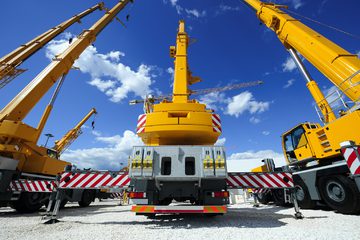
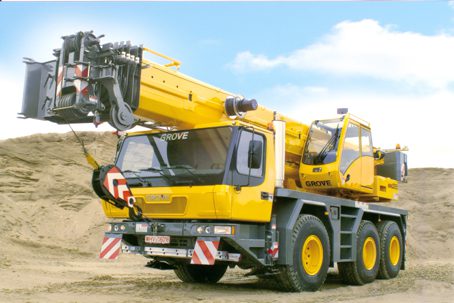
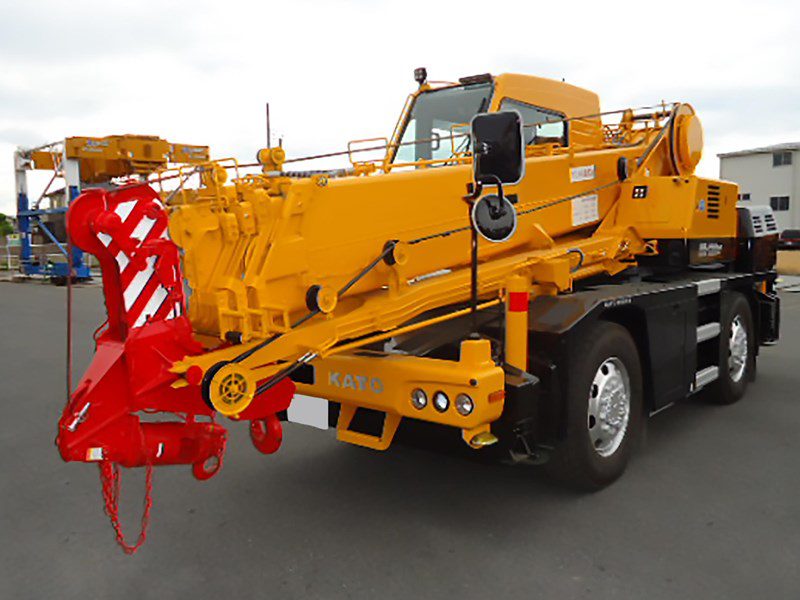
Other projects demand greater flexibility. Civil infrastructure upgrades, bridge construction, utility installations, and modular building projects often rely on mobile crane hire because equipment can move rapidly between locations without lengthy installation procedures. Speed and mobility become the operational priority.
Urban construction introduces another challenge entirely. In Sydney’s increasingly dense commercial districts, neighbouring buildings, narrow streets, and restricted working areas frequently limit conventional crane movements. Under these circumstances, luffing crane hire allows operators to work safely within confined spaces where reduced slewing radius becomes essential rather than optional.
Each crane serves a different purpose. Successful procurement depends on understanding the specific operational challenge rather than assuming one solution fits every project.
Regional Growth Brings New Construction Demands
The Southern Highlands has long attracted residents seeking greater space while remaining connected to Sydney’s economic influence. More recently, population growth and commercial investment have expanded the region’s construction requirements.
Healthcare facilities must often be built alongside operating medical services. Educational institutions continue functioning while new buildings rise beside existing classrooms. Industrial developments require large structural components delivered efficiently across active work environments.
These projects demand careful coordination from the earliest planning stages.
Developers increasingly determine crane locations while finalising site layouts, recognising that lifting operations influence delivery routes, temporary access roads, material storage, and workforce movement. Crane procurement therefore becomes intertwined with overall project logistics rather than existing as a separate operational decision.
The growing emphasis on tower crane hire Southern Highlands reflects this broader evolution. Regional projects now adopt planning standards once associated primarily with Australia’s largest metropolitan developments.
Technology Is Quietly Transforming Crane Operations
Although cranes remain familiar features across Australian construction sites, the technology supporting their operation has changed considerably.
Many operators now employ GPS fleet monitoring, digital maintenance systems, electronic inspection records, and real-time load management technologies that provide greater operational visibility throughout the project lifecycle. Maintenance schedules increasingly rely on performance data rather than fixed intervals, helping reduce unexpected downtime.
Digital construction modelling has also improved planning. Engineers can simulate crane positions, lifting paths, and potential conflicts before equipment reaches the site, allowing logistical challenges to be resolved during design instead of construction.
This technological shift is less about replacing experienced operators than supporting better decisions. As Australia’s construction industry embraces digital project management, cranes increasingly function as connected assets within wider information systems rather than standalone machines.
Regulation Is Raising Expectations Across the Industry
Australia’s workplace safety framework continues to evolve alongside construction practices.
WorkSafe authorities and state regulators have strengthened expectations surrounding operator qualifications, lift planning, equipment inspections, communication procedures, and documented risk assessments. Compliance now extends beyond individual machinery to encompass broader project coordination and operational accountability.
Many contractors maintain comprehensive digital compliance records that simplify inspections while improving transparency across complex developments.
These changes are often viewed as regulatory requirements, but they also reflect a practical reality. Well-planned lifting operations improve safety because they improve organisation. Clear communication, structured scheduling, and documented procedures reduce unnecessary movement, minimise disruption between trades, and create more predictable construction environments.
Safety has become inseparable from operational performance.
Local Conditions Continue to Shape Procurement Decisions
National construction trends provide useful context, but every project remains influenced by local conditions.
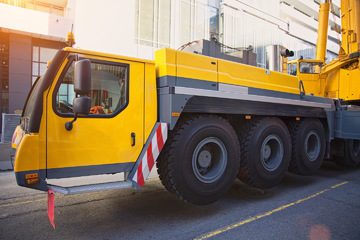
A commercial development in central Sydney may require all-terrain crane hire Sydney during early construction to navigate congested streets, limited access points, and carefully timed deliveries before permanent lifting infrastructure is established.
The Southern Highlands presents different considerations. Construction sites often provide more physical space while introducing varied terrain, longer transport distances, and changing weather conditions that require equally careful planning.
The lesson is straightforward. Australia’s most successful projects increasingly begin by matching equipment to site-specific challenges rather than adapting projects to available machinery.
Building for Australia’s Next Chapter
Australia’s construction pipeline extends well beyond today’s visible skyline. Housing, renewable energy infrastructure, healthcare, education, logistics, and regional development will continue shaping investment priorities throughout the coming decade.
That future depends on thousands of procurement decisions made long before buildings become visible.
Tower cranes may appear to be temporary structures, yet they increasingly represent something more permanent: a shift in how Australia’s construction industry approaches planning, productivity, and project delivery.
The growing importance of tower crane hire Southern Highlands reflects this transformation. It signals an industry that recognises successful infrastructure is determined not only by engineering excellence but by thoughtful coordination between technology, regulation, logistics, and workforce planning.
As Australia’s cities expand and regional communities continue to grow, crane hire will remain far more than an operational necessity. It will stand as one of the clearest indicators of how intelligently the nation chooses to build its future.