As Australia’s construction landscape evolves, regional projects are revealing why lifting strategy has become as important as architecture, engineering, and procurement.
From Sydney’s ever-changing skyline to the expanding communities of the Southern Highlands, cranes have become quiet indicators of economic confidence. They are among the first signs that investment has arrived and among the last pieces of equipment to leave a completed development. Yet while they dominate the visual landscape, the decisions behind their deployment remain largely invisible.
That is beginning to change.
Across Australia, developers, engineers, and project managers increasingly view crane selection as a strategic decision rather than a simple equipment requirement. The conversation is no longer limited to lifting capacity or rental availability. It now extends to construction sequencing, workforce efficiency, regulatory compliance, urban planning, and long-term project resilience. Nowhere is this shift more evident than in the growing demand for tower crane hire Southern Highlands, where regional development is becoming both larger in scale and more technically sophisticated.
Australia’s Building Boom Is Changing the Conversation
The Australian construction industry has entered a period defined by competing pressures. Population growth continues to fuel demand for housing and infrastructure, while labour shortages, higher material costs, and stricter project timelines leave little room for operational inefficiency.
Projects that once relied primarily on straightforward scheduling now require detailed logistical planning months before construction begins. Temporary infrastructure—particularly lifting equipment—has become an integral part of that planning process.
The Southern Highlands illustrates this transition particularly well. Traditionally recognised for its lifestyle appeal and lower-density communities, the region is now seeing increasing investment in healthcare facilities, educational buildings, industrial developments, and modern residential precincts. These projects often occupy sites that balance regional accessibility with growing urban expectations.
In this environment, decisions surrounding tower crane hire Southern Highlands influence far more than material handling. They shape how efficiently entire projects move from foundation to completion.
Crane Hire Has Become a Planning Exercise
Construction schedules have grown increasingly interconnected. Delays in structural work affect mechanical installation, façade systems, internal fit-outs, and commissioning. Because cranes support multiple trades simultaneously, their role extends well beyond lifting heavy materials.
For long-duration projects involving apartment buildings, hospitals, commercial offices, or mixed-use developments, tower crane hire provides continuous lifting capability throughout the construction cycle. Materials move vertically with predictable efficiency, allowing multiple contractors to work concurrently while reducing unnecessary interruptions.
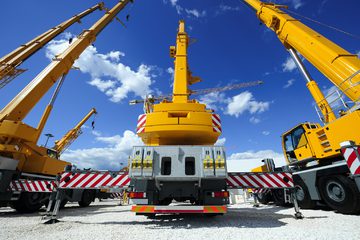
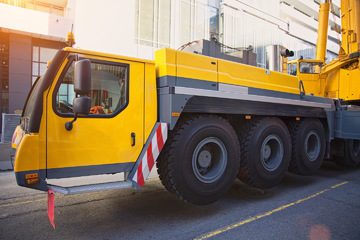
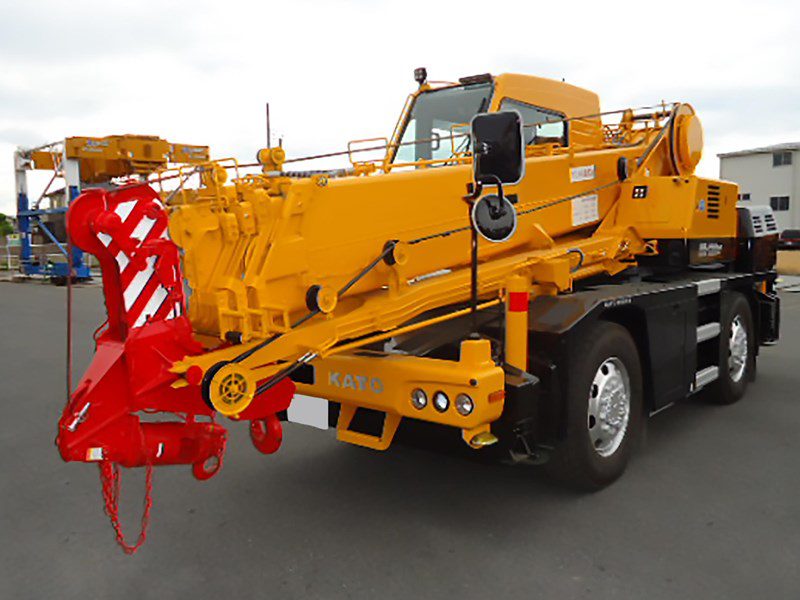
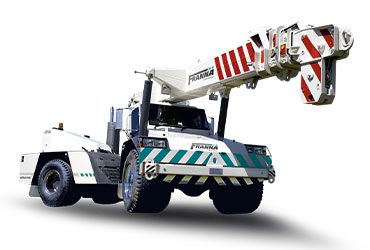
Other projects require a different approach. Civil infrastructure, bridge maintenance, renewable energy installations, and modular construction frequently depend on mobile crane hire because equipment can relocate rapidly between sites without extensive assembly or dismantling. Flexibility becomes the defining operational advantage.
Dense metropolitan environments create yet another challenge. Sites surrounded by neighbouring buildings or constrained property boundaries often require luffing crane hire, whose reduced slewing radius allows safe lifting operations where conventional tower cranes would struggle to operate efficiently.
These distinctions demonstrate an increasingly important reality. Modern crane hire is less about machinery and more about selecting the right operational strategy for a specific construction environment.
Regional Construction Is Becoming More Complex
While Sydney continues to attract major infrastructure investment, regional Australia is experiencing its own transformation.
The Southern Highlands is attracting developments that demand sophisticated engineering despite operating outside the country’s largest metropolitan centres. Schools remain operational while new facilities are built alongside existing campuses. Healthcare expansions require carefully managed construction zones. Industrial projects must coordinate deliveries across active transport networks.
These environments present unique logistical challenges that cannot simply replicate construction methods developed for dense urban centres.
As a result, project teams increasingly consider crane positioning, lifting schedules, and equipment selection during the earliest stages of project design. Rather than treating lifting equipment as a procurement exercise, many developments now integrate crane planning into architectural and engineering decisions.
That shift explains why tower crane hire Southern Highlands has become part of broader conversations about project delivery rather than merely site operations.
Technology Is Reshaping Modern Crane Operations
Although cranes remain familiar features on Australian construction sites, the systems supporting them have changed considerably.
Many operators now integrate GPS fleet tracking, digital maintenance records, electronic inspection reporting, and real-time load monitoring into daily operations. These technologies provide project managers with greater visibility over equipment performance while helping identify maintenance requirements before they interrupt construction schedules.
Digital modelling has also improved lift planning. Construction teams increasingly simulate crane movements before installation, identifying potential conflicts involving neighbouring structures, transport routes, or overhead services well in advance.
The result is not simply greater operational efficiency. It is more informed decision-making across the entire construction lifecycle.
As Australia’s construction sector embraces digital project management, cranes have become connected assets within larger project ecosystems rather than isolated pieces of heavy equipment.
Safety Standards Continue to Influence Procurement
Australia’s regulatory environment has evolved alongside construction complexity.
WorkSafe authorities and state regulators continue strengthening expectations surrounding operator competency, documented lift planning, equipment maintenance, and workplace risk management. Compliance has expanded beyond individual operators to encompass project-wide coordination, communication systems, and continuous monitoring.
Many contractors now maintain comprehensive digital records that simplify audits while improving transparency throughout project delivery.
These changes reflect a broader industry understanding that safety and productivity are closely linked. Well-planned lifting operations minimise unnecessary site movement, reduce scheduling conflicts, and improve coordination between multiple construction teams working simultaneously.
Increasingly, crane procurement decisions begin with compliance requirements before addressing operational efficiency.
Local Conditions Still Shape Equipment Decisions
National construction trends may influence every Australian project, but regional conditions continue to determine practical equipment choices.
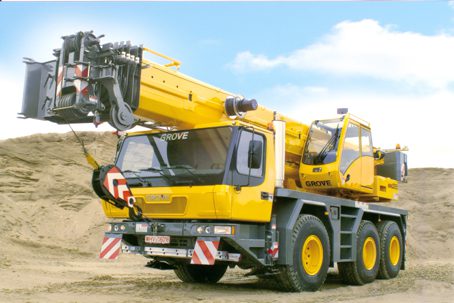
A high-rise development in central Sydney might require all-terrain crane hire Sydney during the early construction stages to navigate restricted streets, limited staging areas, and complex delivery schedules before permanent tower cranes assume primary lifting responsibilities.
The Southern Highlands presents different challenges. Construction sites often provide greater physical space but introduce changing terrain, varying weather conditions, and longer transport distances. Equipment selection therefore depends not only on lifting capacity but also on how effectively cranes integrate with regional logistics and construction sequencing.
The lesson extends beyond individual projects. Australia’s construction industry increasingly recognises that successful procurement depends on matching equipment to site conditions rather than pursuing a one-size-fits-all solution.
Looking Beyond Today’s Skyline
Every crane standing above an Australian construction site represents more than structural progress. It reflects decisions made months earlier by engineers, planners, procurement specialists, regulators, and contractors working toward a shared objective.
Those decisions are becoming increasingly consequential.
As regional economies continue expanding and infrastructure investment spreads beyond Australia’s largest cities, thoughtful lifting strategies will play a larger role in determining whether projects are delivered safely, efficiently, and on schedule.
The growing importance of tower crane hire Southern Highlands reflects this broader evolution. It signals an industry that increasingly values planning over reaction, coordination over improvisation, and long-term operational performance over short-term convenience.
Australia’s next generation of construction will undoubtedly introduce smarter equipment, more connected worksites, and tighter regulatory expectations. Yet the underlying principle is unlikely to change. The cranes that shape skylines today also reveal how the nation intends to build tomorrow—carefully, strategically, and with a clearer understanding that successful infrastructure begins long before the first beam leaves the ground.