As Australia’s urban landscape grows denser, the cranes shaping the skyline are becoming as much a planning decision as an engineering one.
Anyone looking across Northern Sydney today will notice more than new apartment towers, hospitals, transport upgrades, and commercial precincts. They will notice cranes. They rise above established suburbs, operate within remarkably tight footprints, and quietly orchestrate projects that must progress without bringing surrounding communities to a standstill. Yet while cranes dominate the skyline, the decisions behind them receive far less attention than they deserve.
For much of Australia’s construction history, crane selection was viewed primarily as a logistical necessity. Contractors needed lifting capacity, appropriate reach, and reliable equipment to move materials safely across a site. Those fundamentals remain essential, but today’s projects demand something more sophisticated. In many cases, crane procurement has become a strategic decision that influences project scheduling, regulatory compliance, neighbourhood impact, workforce productivity, and ultimately, financial outcomes.
Nowhere is this evolution more apparent than in Northern Sydney, where established urban environments increasingly intersect with ambitious redevelopment.
Building in a Different Kind of City
Construction in Australia has entered a period shaped by competing pressures. Population growth continues to drive demand for housing and infrastructure, while available construction sites are becoming smaller, more constrained, and surrounded by existing buildings.
Northern Sydney illustrates this challenge particularly well. Rather than developing on expansive greenfield sites, many projects are inserted into already active commercial districts or residential neighbourhoods. Every delivery, lift, and construction movement must be coordinated alongside traffic, pedestrians, nearby businesses, and public transport.
The result is that equipment selection is no longer isolated from broader project planning. A crane’s physical footprint, operating radius, installation sequence, and dismantling requirements now influence everything from traffic management plans to construction timelines.
This changing reality has elevated tower crane hire northern sydney from a straightforward equipment decision into an important element of project strategy. Developers increasingly evaluate crane solutions alongside architectural design, site logistics, and regulatory obligations instead of treating them as a later operational consideration.
Why Timing Matters More Than Ever
Australia’s construction sector also faces broader structural changes. Labour shortages continue to place pressure on project delivery, while material costs and financing expenses have narrowed construction margins. Delays that might once have been absorbed now carry significant financial consequences.
Against this backdrop, efficient lifting operations become more valuable than they first appear.
A tower crane that enables continuous vertical movement of materials throughout the working day can reduce interruptions between trades. Concrete placement, steel installation, façade works, and mechanical services all rely on dependable lifting schedules. When those movements become unpredictable, delays ripple across the entire construction programme.
The conversation, therefore, has shifted from simply asking whether a crane can perform the lift to asking how efficiently it supports the wider project.
Matching Equipment to Urban Constraints
Not every Australian construction project demands the same lifting solution. Geography, project duration, available space, and surrounding infrastructure all influence what makes practical sense.
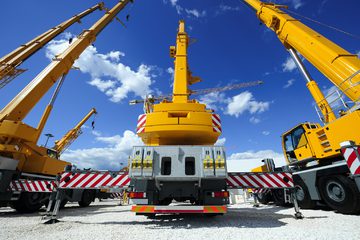
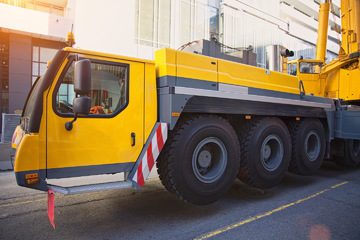
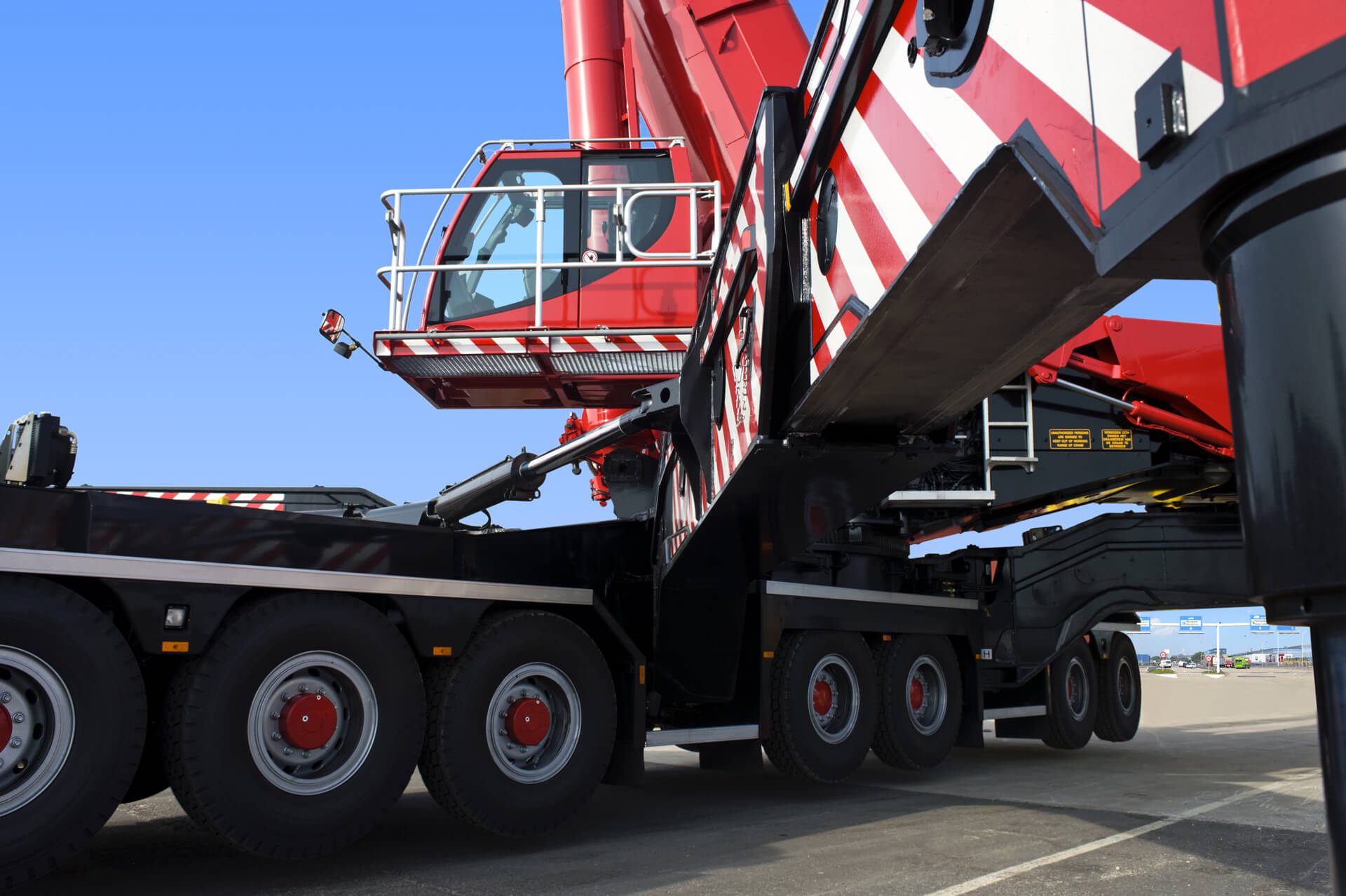
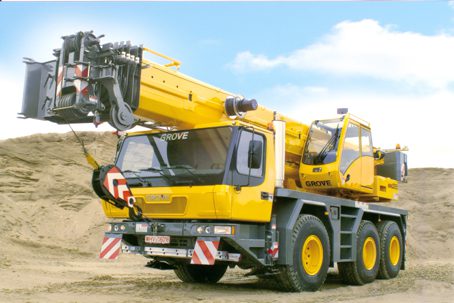
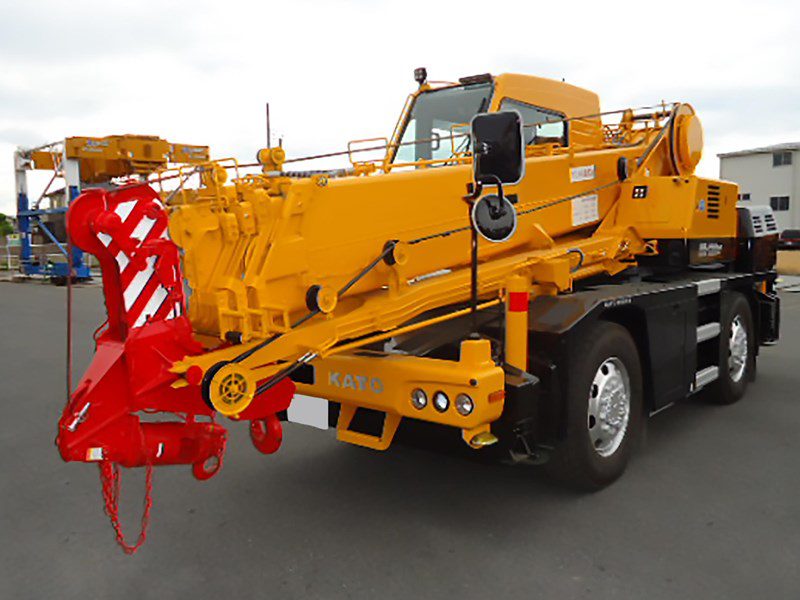
For shorter infrastructure upgrades or projects spread across multiple locations, mobile crane hire offers flexibility that permanent installations cannot provide. These cranes can relocate quickly between sites, making them well suited to bridge maintenance, utility work, and industrial projects requiring temporary lifting capability.
High-rise developments tell a different story.
Long-duration residential towers, office buildings, and mixed-use precincts typically depend on tower crane hire because continuous lifting efficiency outweighs the additional planning required for installation. Their fixed position allows materials to move consistently throughout construction while minimising repeated equipment mobilisation.
The equation changes again in highly constrained city environments.
When neighbouring buildings leave little room for traditional jib rotation, luffing crane hire becomes increasingly relevant. By allowing the jib to raise and lower within a reduced operating envelope, these cranes help construction teams work safely where surrounding structures limit available airspace.
Each solution addresses a different operational challenge. Increasingly, successful projects are distinguished not by the crane they choose but by how closely that choice aligns with the realities of the site itself.
Northern Sydney’s Distinct Construction Environment
Northern Sydney presents an unusually complex collection of engineering conditions. Commercial redevelopment often occurs beside operating businesses. Residential construction may proceed adjacent to schools, hospitals, or transport corridors. Steep terrain and established road networks frequently limit equipment access.
These factors explain why planning for tower crane hire northern sydney often begins well before physical construction starts.
Engineers and project planners assess not only lifting capacity but also foundation requirements, crane climbing sequences, oversailing restrictions, and interactions with neighbouring developments. In dense metropolitan environments, a poorly considered crane strategy can create operational bottlenecks long before structural work reaches full pace.
The crane effectively becomes part of the building methodology rather than simply supporting it.
Regulation Has Raised Expectations
Australia’s regulatory environment has also evolved considerably.
Work health and safety legislation, alongside guidance from state regulators and industry standards, has steadily strengthened expectations around lifting operations, operator competency, risk management, and equipment maintenance. Compliance is no longer viewed as a procedural exercise completed before work begins. It is embedded throughout the life of a project.
Many crane operators now incorporate digital inspection records, electronic maintenance tracking, and documented lifting procedures that improve both transparency and accountability.
These developments reflect a broader industry recognition that safety and productivity are increasingly interconnected. A well-managed lifting operation reduces disruption, improves planning certainty, and supports more consistent project delivery.
Technology Is Quietly Changing Crane Operations
Perhaps the most significant transformation is occurring through technology that many people never notice.
Modern cranes increasingly incorporate GPS positioning, load monitoring systems, wind measurement technology, and remote diagnostics. Rather than replacing experienced operators, these systems provide additional information that supports more informed operational decisions.
Digital monitoring also allows maintenance teams to identify emerging mechanical issues before they become operational failures, reducing unexpected downtime on projects where every lost day carries financial implications.
For developers and contractors alike, these technologies contribute less to spectacle than to predictability—a quality that has become increasingly valuable in an industry managing tighter schedules and greater complexity.
A More Sustainable Way of Thinking
Environmental considerations are influencing crane strategy as well.
Construction companies face growing expectations to reduce emissions, minimise unnecessary transport movements, and improve resource efficiency throughout project delivery.
Selecting equipment appropriate to a project’s duration and operational profile contributes to these goals. Better planning can reduce repeated crane mobilisation, unnecessary fuel consumption, and inefficient lifting practices that extend project timelines.
While cranes themselves represent only one component of construction sustainability, their role within broader project logistics is becoming increasingly significant.
Reading the Skyline Differently
The cranes scattered across Northern Sydney represent more than visible signs of economic activity. They reflect how Australian construction is adapting to denser cities, stricter regulation, evolving technology, and rising expectations around efficiency.
What appears from street level as a simple lifting machine is increasingly the product of months of planning involving engineers, regulators, project managers, logistics specialists, and urban planners.
As Australian cities continue to grow upward rather than outward, crane decisions will become even more closely tied to how projects are conceived and delivered. The future of construction will not depend solely on bigger equipment or faster building methods. It will depend on smarter choices made long before the first piece of steel leaves the ground.
In that sense, the prominence of tower crane hire northern sydney reflects something larger than equipment procurement. It signals an industry recognising that the invisible decisions behind construction are becoming just as important as the structures that eventually define the skyline.