As Australia’s construction landscape becomes denser, faster, and more regulated, the decisions behind tower crane deployment are emerging as a defining factor in how cities evolve.
The first thing many people notice about Northern Sydney’s skyline is not the buildings themselves but the cranes standing above them. Their silhouettes have become as familiar as the glass towers and apartment blocks they help create. Yet those cranes represent far more than construction activity. They reveal how Australia’s approach to urban development is changing, driven by tighter sites, rising expectations around safety, and increasing pressure to deliver complex projects efficiently.
For years, crane selection was viewed largely as a logistical necessity. Today it has become a strategic decision that influences project scheduling, neighbourhood disruption, workforce coordination, and long-term infrastructure planning. The growing demand for tower crane hire northern sydney reflects more than a busy construction market. It signals a broader shift in how builders, developers, and city planners are adapting to an increasingly constrained urban environment.
A Different Kind of Construction Challenge
Northern Sydney presents a construction environment unlike many other parts of Australia. Population growth continues to place pressure on housing, transport infrastructure, healthcare facilities, and commercial developments, while available construction sites become progressively smaller and more complex.
Building in established urban districts means working around existing roads, utilities, occupied buildings, and public transport corridors. Construction teams rarely have the luxury of expansive staging areas. Every metre of available space carries operational value, making equipment selection a critical component of project planning rather than a decision made after design is complete.
This changing landscape has elevated crane procurement from a simple equipment hire exercise into an essential element of project strategy. The crane selected influences material flow, scheduling, safety planning, and even community impacts such as traffic management and noise.
The result is that conversations about construction increasingly begin not with concrete or steel but with access, lifting capacity, and site logistics.
Why Tower Cranes Remain Central to Urban Development
Among the many lifting solutions available, tower cranes continue to define Australia’s major urban projects. High-rise residential buildings, mixed-use precincts, hospitals, educational facilities, and commercial developments all rely on equipment capable of operating continuously over extended construction periods.
Unlike mobile equipment that arrives and departs as required, tower cranes become part of the construction site itself. Positioned carefully during the early stages of development, they provide consistent lifting capability throughout the project’s structural phase.
This explains why demand for tower crane hire northern sydney has steadily followed the region’s development pipeline. As buildings rise higher while construction sites shrink, vertical lifting becomes increasingly practical compared with repeated ground-based repositioning.
The crane effectively becomes the project’s logistical centre, coordinating deliveries, structural installation, mechanical services, façade components, and finishing materials across multiple floors simultaneously.
That operational consistency has become increasingly valuable as developers face tighter completion schedules and greater financial pressure to minimise delays.
Matching Equipment to the Project
Not every construction project demands the same lifting solution. Australia’s diverse project portfolio requires different crane configurations depending on access, duration, and operational complexity.
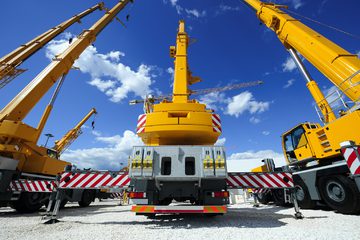
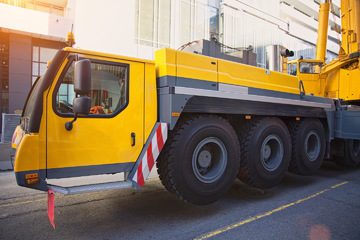
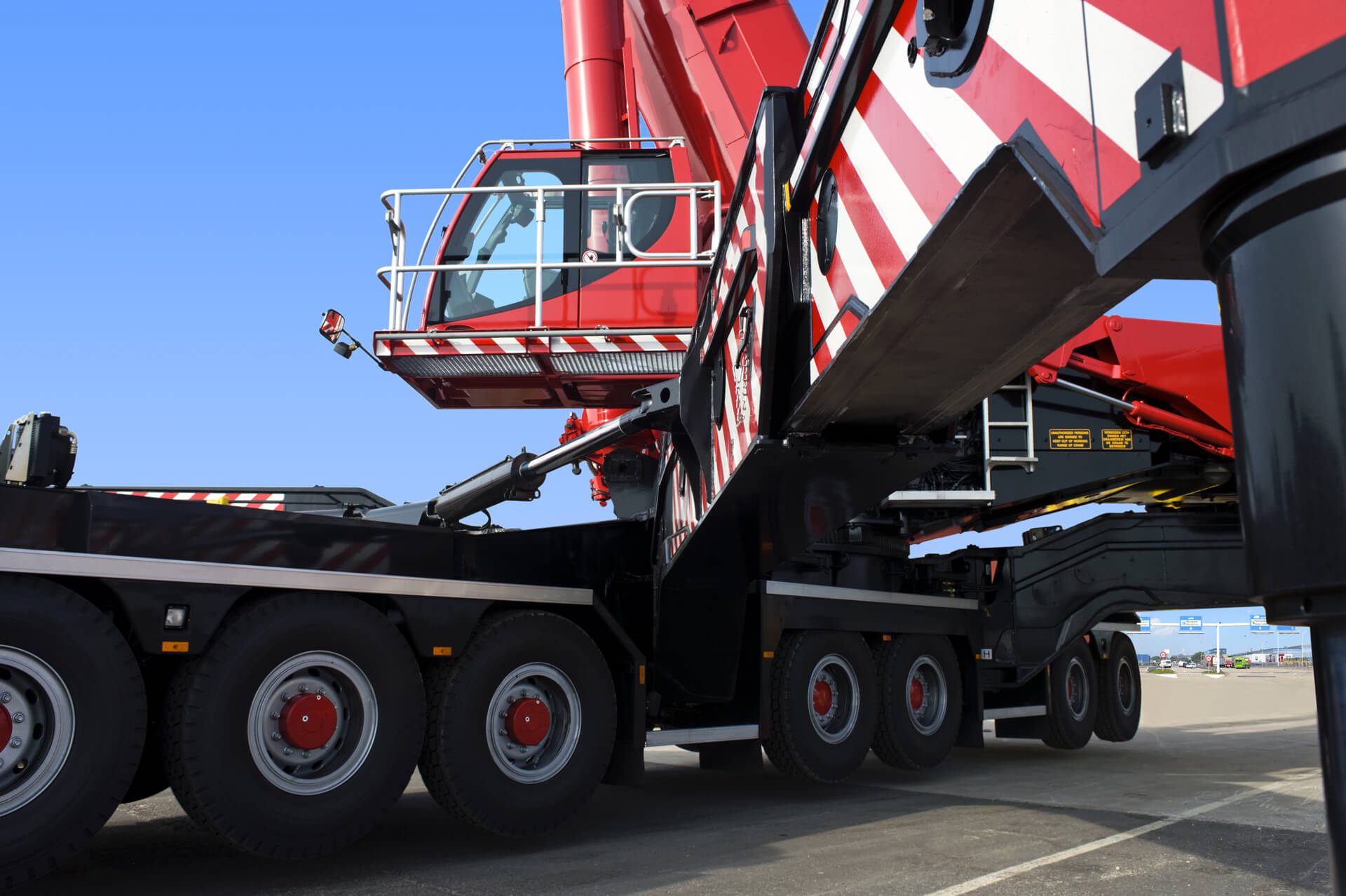
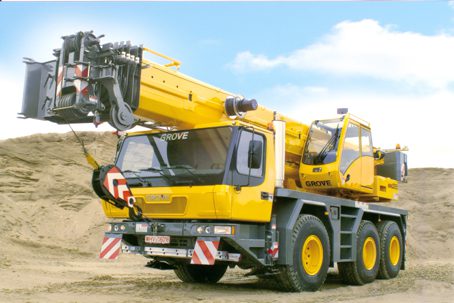
Projects spread across multiple locations often benefit from mobile crane hire, particularly where equipment must relocate frequently or where lifting requirements change daily. Road upgrades, utility maintenance, bridge repairs, and industrial installations commonly rely on this flexibility because cranes can move rapidly between tasks without permanent installation.
Long-duration developments tell a different story. Multi-storey residential towers, commercial offices, and major civic buildings usually depend on tower cranes capable of supporting months of continuous lifting operations. Rather than maximising mobility, these projects prioritise sustained productivity and efficient vertical material movement.
In the tightest urban environments, another specialised solution often becomes necessary. Luffing crane hire is increasingly associated with dense city sites where neighbouring buildings, restricted airspace, or limited swing radius make conventional tower cranes impractical. Their ability to raise and lower the jib allows operators to work within confined boundaries while reducing interference with surrounding structures.
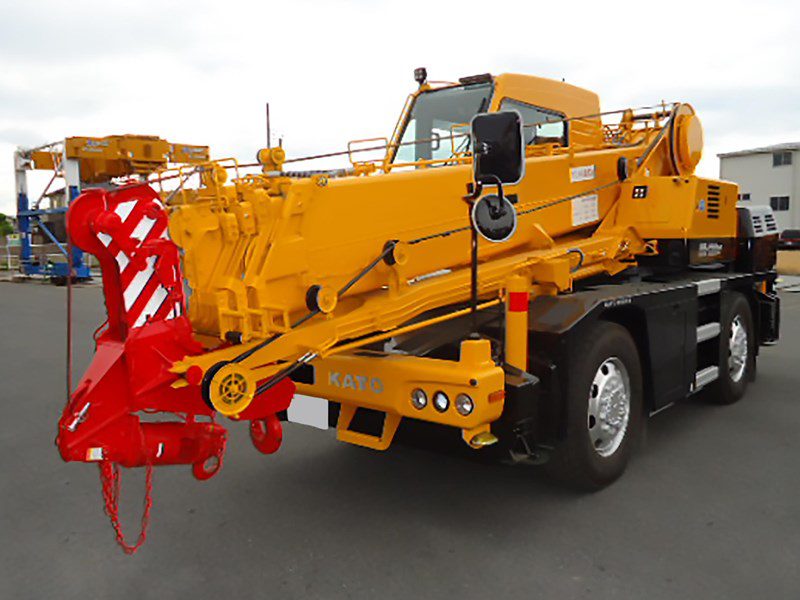
Even specialised local requirements demonstrate how equipment selection continues to evolve. On infrastructure upgrades or industrial developments where road access varies dramatically, all-terrain crane hire Sydney remains an important solution because operators can travel between locations while maintaining substantial lifting capability across challenging conditions.
Rather than competing with one another, these crane types illustrate a broader principle now shaping Australian construction: the most effective equipment is determined by project context rather than convention.
Regulation Is Changing the Conversation
Australia’s regulatory environment has also transformed expectations surrounding crane operations. Safety oversight has become more comprehensive, reflecting both technological advances and lessons learned from increasingly complex construction environments.
State regulators, including SafeWork authorities across Australia, continue refining expectations around planning, operator competency, exclusion zones, weather monitoring, and risk assessment. Compliance today extends well beyond the crane itself.
Detailed lift planning, documented maintenance schedules, communication protocols, and site-specific hazard management have become integral parts of responsible project delivery. Developers and principal contractors increasingly evaluate crane providers not simply by equipment availability but by their ability to support broader compliance obligations.
This evolution reflects a wider industry understanding that productivity and safety are no longer competing priorities. Well-managed lifting operations often improve efficiency precisely because they reduce uncertainty, minimise downtime, and strengthen coordination between trades.
Technology Is Quietly Redefining Crane Operations
The cranes dominating Australia’s skylines may appear familiar, but the technology supporting them has changed considerably.
Modern lifting operations increasingly incorporate GPS positioning, digital maintenance records, remote diagnostics, load monitoring systems, wind sensors, and electronic operating data that provide greater visibility into equipment performance.
Many operators now use digital platforms to coordinate inspections, maintenance scheduling, and operational reporting, allowing project teams to identify potential issues before they interrupt construction.
These developments are particularly valuable in dense urban environments such as Northern Sydney, where unexpected delays can ripple across multiple subcontractors working within tightly coordinated schedules.
Technology is also strengthening accountability. Digital records provide clearer maintenance histories, operational transparency, and more consistent compliance documentation—advantages that matter not only to contractors but also to insurers, regulators, and project financiers.
While automation continues to advance globally, Australia’s immediate transformation is less about replacing operators than enhancing their ability to make informed, safer decisions.
Building the Cities Australia Will Need
Construction cranes rarely receive public attention unless something goes wrong. Yet they increasingly represent one of the clearest indicators of how Australian cities are adapting to new economic and demographic realities.
Northern Sydney’s evolving skyline demonstrates that infrastructure challenges are becoming less about building higher and more about building smarter within increasingly constrained environments. Every project now demands careful coordination between engineering, regulation, logistics, technology, and community expectations.
The growing importance of tower crane hire northern sydney reflects this wider transformation. Crane selection has become part of a larger conversation about resilience, productivity, urban density, and responsible development. It is no longer merely an operational decision hidden behind construction fences but an essential component of how modern Australian cities are delivered.
As population growth continues and redevelopment accelerates across established metropolitan areas, the cranes above the skyline will continue to tell an important story. They will not simply mark where buildings are rising. They will reveal how Australia’s construction industry is evolving to meet the demands of denser, more complex, and more connected cities.