On almost any weekday morning, Sydney’s skyline tells a story before the first workers arrive on site. Tower cranes stand motionless above new apartment blocks, while mobile cranes weave through suburban developments, transport corridors, and commercial upgrades. The machinery is familiar, but the decisions behind it have become far more complex. In today’s construction environment, selecting the right lifting solution is no longer a routine procurement exercise. It has become a strategic choice that influences safety, productivity, project costs, and ultimately the pace at which Australian cities evolve.
This shift reflects a broader transformation within Australia’s construction industry. Projects are becoming denser, schedules tighter, and regulatory expectations more demanding. Developers and contractors are expected to deliver more with fewer disruptions while navigating labour shortages, constrained sites, and increasingly sophisticated compliance requirements. Against this backdrop, crane hire has emerged as a crucial element of project planning rather than a logistical afterthought.
Why Crane Decisions Matter More Than They Once Did
Australia’s building sector is entering a period where efficiency depends as much on planning as on execution. Population growth continues to drive demand for housing, transport infrastructure, healthcare facilities, and commercial developments, particularly in metropolitan centres such as Sydney. Yet many of these projects must be completed within existing urban environments where available space is limited and neighbouring communities expect minimal disruption.
The result is a construction landscape that rewards flexibility and precision. Every lifting operation must account for site access, traffic management, weather conditions, structural sequencing, and increasingly strict safety obligations. Crane selection therefore influences far more than the movement of materials. It shapes how effectively an entire project progresses from one stage to the next.
This growing complexity explains why procurement teams increasingly evaluate lifting strategies alongside broader construction planning. Equipment availability, operator qualifications, digital monitoring capabilities, and maintenance standards now carry weight alongside traditional considerations such as lifting capacity.
Flexibility Is Driving the Demand for Mobile Crane Hire
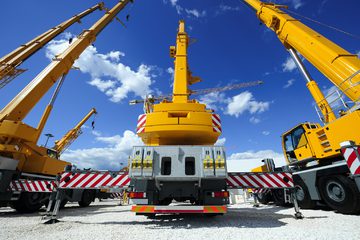
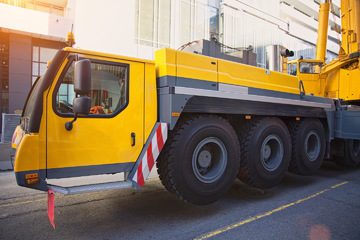
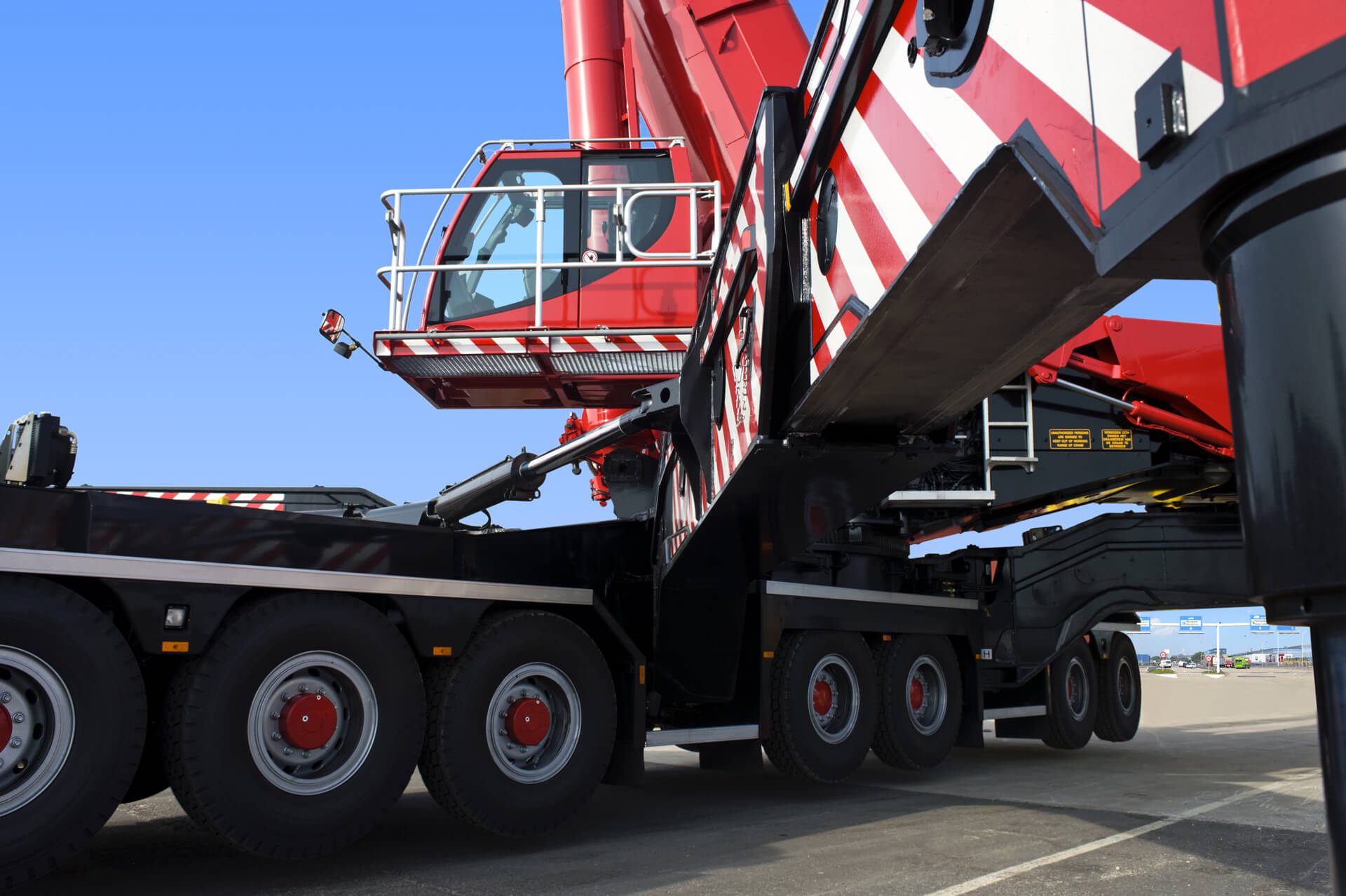
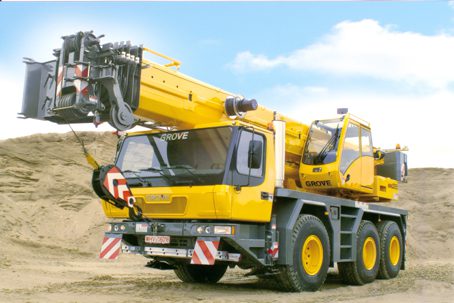
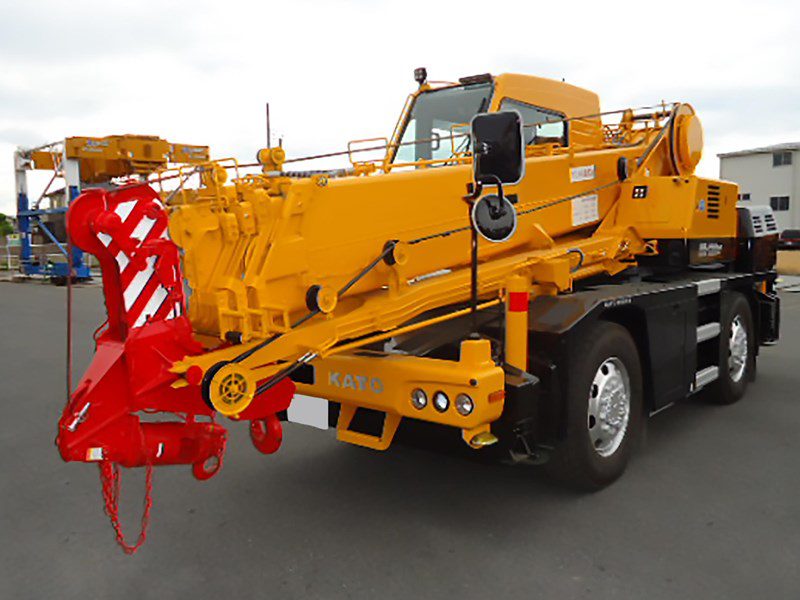
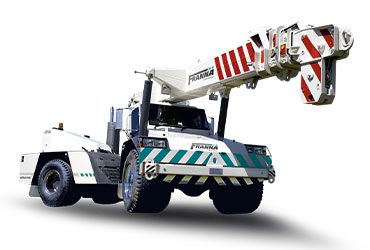
Among the most significant trends is the growing reliance on mobile crane hire for projects requiring adaptability. Unlike fixed lifting systems, mobile cranes can relocate quickly between worksites, making them particularly valuable for infrastructure maintenance, industrial facilities, bridge construction, utility upgrades, and medium-rise developments spread across multiple locations.
Their mobility reduces downtime between lifting operations while allowing contractors to respond to changing site conditions without extensive dismantling or reinstallation. In regional areas as well as expanding metropolitan corridors, this flexibility has become increasingly important as project schedules compress and multiple trades compete for limited working windows.
The demand for mobile crane hire Southern Highlands reflects this broader pattern. The region has experienced continued investment in residential development, road improvements, and commercial construction, where projects often span geographically dispersed locations rather than dense urban precincts. Mobile lifting equipment allows contractors to maintain efficiency across varying site conditions without committing to permanent crane installations that may not suit shorter project durations.
Rather than representing a substitute for larger crane systems, mobile cranes increasingly complement them by providing responsive lifting capability throughout different phases of construction.
Urban Growth Continues to Depend on Tower Cranes
While mobility has become increasingly valuable, Australia’s urban expansion still relies heavily on tower crane hire for large-scale developments that unfold over many months or years.
High-rise residential buildings, mixed-use precincts, hospitals, and commercial towers demand continuous lifting operations that extend throughout the structural construction process. Tower cranes provide the reach, stability, and repetitive lifting performance required to move steel, concrete, prefabricated components, and mechanical systems efficiently across large sites.
Their presence has become synonymous with long-term urban investment. Yet installing a tower crane represents a substantial planning commitment. Foundations must be engineered specifically for the crane, erection schedules carefully coordinated, and dismantling planned well before project completion.
These considerations reinforce an important point often overlooked outside the industry: choosing a crane is rarely about selecting the largest machine available. It is about matching equipment capabilities with project duration, site constraints, and construction sequencing.
Building Higher While Working in Less Space
Australia’s increasingly compact urban developments have also expanded the role of luffing crane hire, particularly within Sydney’s inner-city environment.
As available development sites become smaller and neighbouring buildings stand closer together, traditional tower cranes can create operational challenges because of their wider slewing radius. Luffing cranes address this problem by allowing the jib to raise and lower while rotating within confined airspace, reducing interference with adjacent properties and nearby infrastructure.
This capability has become especially valuable where multiple towers are constructed simultaneously or where projects sit alongside active roads, rail corridors, hospitals, or occupied commercial buildings. Rather than competing for limited airspace, contractors can manage lifting operations with greater precision while maintaining safety margins required by regulators.
The growing adoption of luffing cranes illustrates how equipment choices increasingly respond to urban planning realities rather than simply engineering requirements.
Technology Is Quietly Reshaping the Industry
Although cranes remain highly visible symbols of construction, many of the industry’s most important changes occur inside control systems rather than on skylines.
Digital load monitoring, GPS fleet tracking, predictive maintenance software, and real-time diagnostic systems are becoming standard across much of Australia’s crane sector. These technologies allow operators to monitor equipment performance continuously while helping fleet managers schedule servicing before mechanical issues interrupt projects.
For contractors, improved visibility into equipment utilisation supports more accurate scheduling and resource allocation. For project owners, it reduces the likelihood of costly delays associated with unexpected equipment downtime.
Technology has also strengthened documentation and compliance. Electronic inspection records, digital maintenance histories, and automated operational reporting simplify auditing requirements while supporting greater transparency across increasingly complex construction projects.
Safety Expectations Continue to Rise
Regulatory evolution has reinforced these technological developments. Authorities including SafeWork NSW and equivalent regulators across Australia continue to emphasise rigorous planning, operator competency, lifting supervision, and ongoing equipment inspection.
Rather than treating compliance as an administrative obligation, many contractors now integrate safety planning into procurement decisions from the earliest stages of project development. Crane providers are increasingly expected to demonstrate not only equipment capability but also documented maintenance practices, certified personnel, and robust operational procedures.
These expectations reflect broader changes within Australian construction, where risk management has become inseparable from productivity. Delays caused by safety incidents or regulatory intervention carry financial consequences that often exceed the initial cost of selecting the appropriate equipment.
In this environment, effective crane hire decisions support both operational efficiency and long-term project resilience.
What Australia’s Skylines Reveal About the Future
Australia’s cranes have always represented visible evidence of economic growth. Today, however, they also reveal something less obvious: the increasing sophistication behind modern construction.
Whether the task involves mobile crane hire supporting regional developments across the Southern Highlands, tower crane hire enabling major commercial projects, or luffing crane hire solving the challenges of constrained urban sites, each decision reflects a careful balance between engineering, regulation, technology, and planning.
As cities continue to grow upward while available space becomes more limited, crane selection will become even more closely linked to infrastructure strategy. The industry’s future is unlikely to be defined by larger machines alone. Instead, it will be shaped by smarter deployment, stronger safety culture, better data, and procurement decisions that recognise lifting equipment as an integral part of project performance rather than simply another construction resource.
For Australia’s construction sector, that represents a meaningful shift. The cranes dominating today’s skyline are still lifting steel and concrete, but the choices behind them increasingly determine how efficiently the nation’s next generation of cities takes shape.