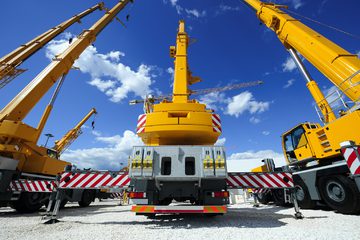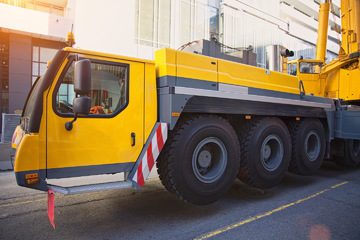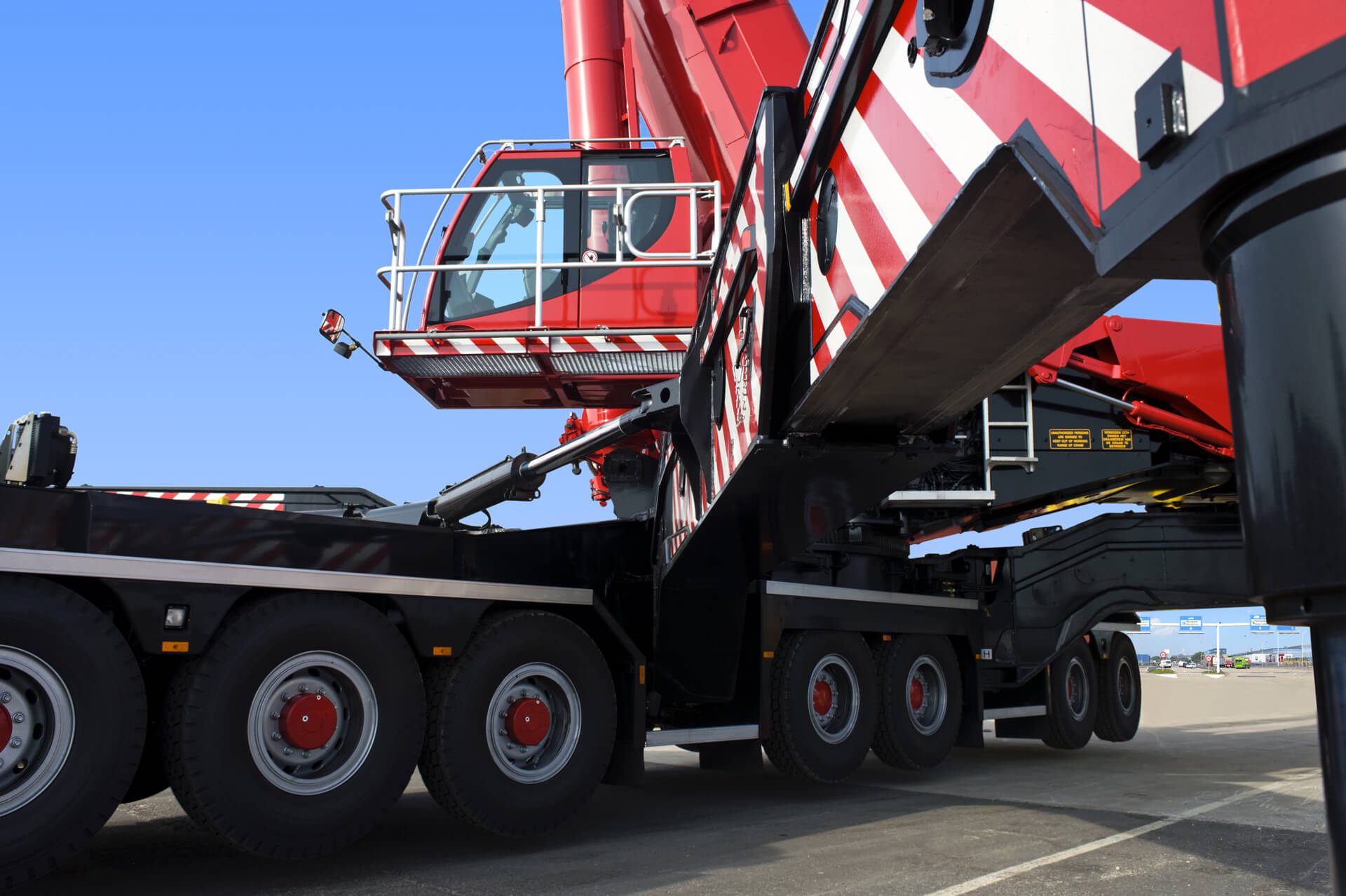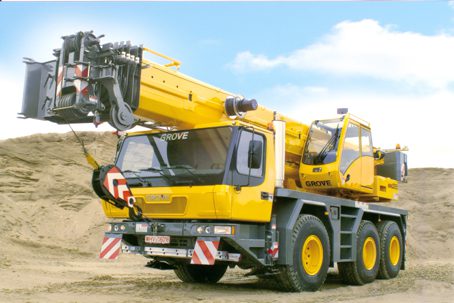
The first thing many people notice about a growing region is its skyline. In Sydney, cranes have become symbols of continuous urban expansion. In the Southern Highlands, however, the story is different. Construction often unfolds across rolling landscapes, regional townships, transport corridors, industrial facilities, and carefully planned residential developments. Here, the equipment chosen for a project is shaped not by height alone, but by accessibility, terrain, scheduling, and community impact.
That shift is making mobile crane hire Southern Highlands more than a logistical decision. Increasingly, it has become a strategic one, reflecting broader changes in how Australia’s construction industry approaches productivity, safety, and infrastructure delivery.
A Different Construction Landscape Demands Different Decisions
Australia’s construction sector is operating under mounting pressure. Population growth continues to drive demand for housing and infrastructure, while regional development receives greater investment alongside metropolitan expansion. At the same time, labour shortages, tighter project schedules, and evolving safety expectations leave little room for operational inefficiency.
The Southern Highlands illustrates these pressures particularly well. Unlike dense inner-city environments, projects here often span larger sites connected by regional roads, agricultural land, industrial estates, and expanding residential communities. Contractors frequently move between multiple locations within a single project cycle, making equipment flexibility increasingly valuable.
This changing environment explains why crane selection has become part of broader project planning rather than a procurement decision made late in the construction process. The choice influences everything from transport logistics and scheduling to workforce coordination and site safety.
Flexibility Is Becoming a Competitive Advantage
Construction projects rarely progress in perfectly predictable stages. Weather conditions change, deliveries arrive earlier or later than expected, and priorities shift as work advances. Equipment that can adapt to those realities often delivers more value than equipment designed for only one fixed purpose.
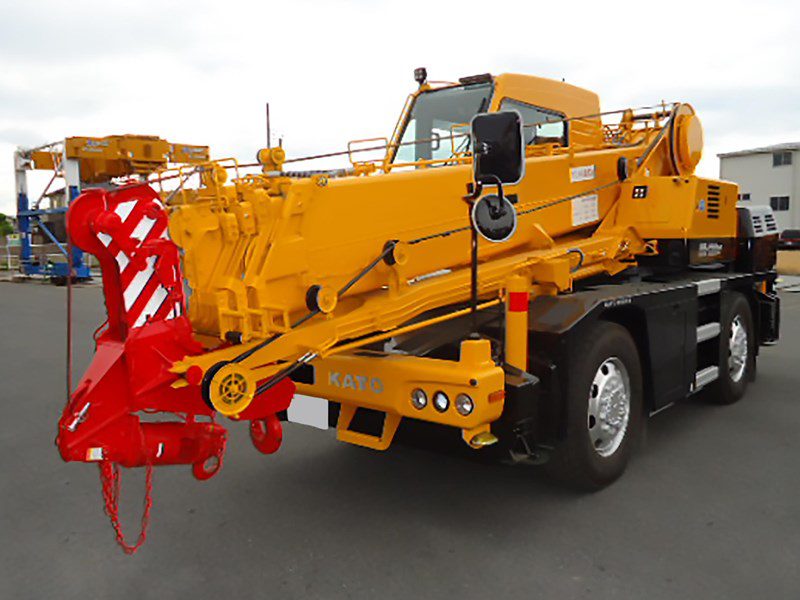
That is where mobile crane hire Southern Highlands has become particularly relevant. Mobile cranes can be transported efficiently between sites and positioned with relatively little disruption, allowing contractors to respond quickly to changing project demands. For infrastructure upgrades, commercial developments, bridge maintenance, prefabricated building installation, and industrial construction, that mobility supports faster decision-making without compromising lifting capability.
Rather than remaining tied to one location for months, mobile cranes provide operational flexibility that aligns with the increasingly dynamic nature of Australian construction.
The trend reflects a broader industry recognition that productivity depends not only on the capacity of machinery but also on how effectively that machinery fits the realities of individual projects.
Different Crane Types Solve Different Construction Challenges
The diversity of Australian construction means there is no universal lifting solution. Instead, successful projects match crane capabilities with specific site conditions.
Tower crane hire continues to play a central role in major high-rise developments where continuous lifting operations are required over extended periods. Once installed, tower cranes provide the reach and lifting efficiency necessary for large commercial buildings, apartment complexes, and mixed-use developments that define Australia’s larger metropolitan skylines.
In contrast, mobile crane hire supports projects requiring frequent relocation or work across multiple sites. Regional infrastructure improvements, warehouse construction, modular building installation, and maintenance operations often benefit from equipment that can move as project priorities evolve.
Urban density introduces another set of challenges altogether. As available land becomes more constrained in established city centres, luffing crane hire has become increasingly important for projects surrounded by neighbouring buildings. The shorter working radius and controlled lifting movements make these cranes particularly suited to confined construction environments where precision is essential.
Each crane type reflects a different response to Australia’s evolving built environment. The decision is less about choosing the largest machine and more about selecting equipment that aligns with engineering requirements, site access, safety constraints, and project timelines.
Regional Infrastructure Is Raising Expectations
Across Australia, investment in roads, utilities, renewable energy, logistics facilities, and public infrastructure continues to expand beyond capital cities. Regional communities are increasingly seeing projects that once would have been concentrated in metropolitan centres.
That shift has elevated expectations around project efficiency. Contractors are expected to minimise disruption, maintain tight delivery schedules, and operate within increasingly complex regulatory frameworks.
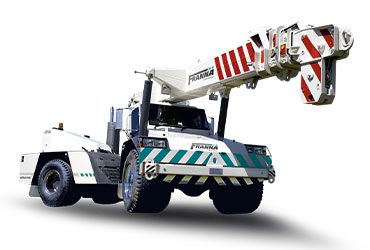
In regional New South Wales, a project involving all-terrain crane hire Sydney may begin with equipment mobilised from metropolitan fleets before transitioning to regional works across the Southern Highlands. Such examples highlight how Australia’s construction network is becoming more interconnected, with equipment deployment planned across wider geographic areas rather than isolated project locations.
The growing emphasis on coordination means crane hire decisions increasingly influence procurement planning, transport scheduling, subcontractor sequencing, and overall project risk management.
Safety Has Become a Planning Conversation
Perhaps the most significant change within Australia’s crane industry is that safety is no longer viewed simply as compliance. It has become an operational strategy.
State regulators and workplace safety authorities continue refining expectations around lifting operations, operator competency, risk assessments, and equipment maintenance. These developments encourage contractors to integrate lifting plans much earlier in project delivery rather than treating them as isolated technical exercises.
Many operators now employ digital systems capable of monitoring crane performance, recording maintenance schedules, tracking equipment location through GPS technology, and supporting more accurate lift planning. Load management technology, electronic diagnostics, and remote monitoring have also become increasingly common across modern crane fleets.
These developments do not eliminate operational risk. Instead, they improve visibility, allowing project teams to make more informed decisions before lifting begins.
For clients, engineers, and project managers, this represents a subtle but important shift. Crane hire is increasingly evaluated through the lens of planning quality rather than equipment availability alone.
Sustainability Is Quietly Influencing Equipment Choices
Construction discussions often focus on emissions from buildings themselves, yet equipment selection is becoming part of the sustainability conversation as well.
Projects seeking greater efficiency increasingly consider transport requirements, idle operating time, fuel consumption, and equipment utilisation alongside traditional cost measures. Selecting machinery that matches the actual lifting requirement rather than simply choosing maximum capacity can reduce unnecessary operational impacts while improving project efficiency.
This approach aligns with broader Australian efforts to deliver infrastructure that balances economic growth with responsible resource management. Crane hire decisions therefore contribute to larger conversations about productivity, environmental performance, and long-term project value.
What Today’s Crane Decisions Reveal About Tomorrow’s Construction
Construction cranes remain among the most visible symbols of economic activity, yet the decisions behind them are becoming far less visible—and considerably more sophisticated.
In the Southern Highlands, where projects increasingly combine regional accessibility with growing infrastructure demand, crane selection reflects changing priorities across the entire construction sector. Flexibility matters alongside capacity. Planning matters alongside machinery. Safety, technology, and operational efficiency have become interconnected rather than separate considerations.
The evolution of mobile crane hire Southern Highlands is ultimately part of a larger Australian story. As cities expand, regional economies grow, and infrastructure becomes more complex, the equipment supporting that growth must become more adaptable, more intelligently deployed, and more closely integrated with every stage of project planning.
That evolution may not attract the same public attention as a new skyline or major transport project. Yet it is quietly reshaping how Australia’s built environment is delivered—one carefully planned lift at a time.