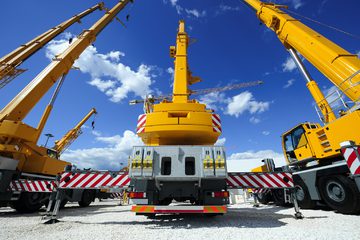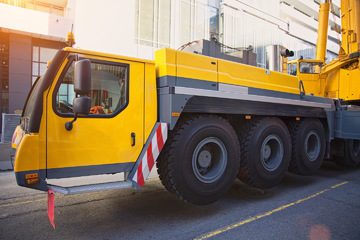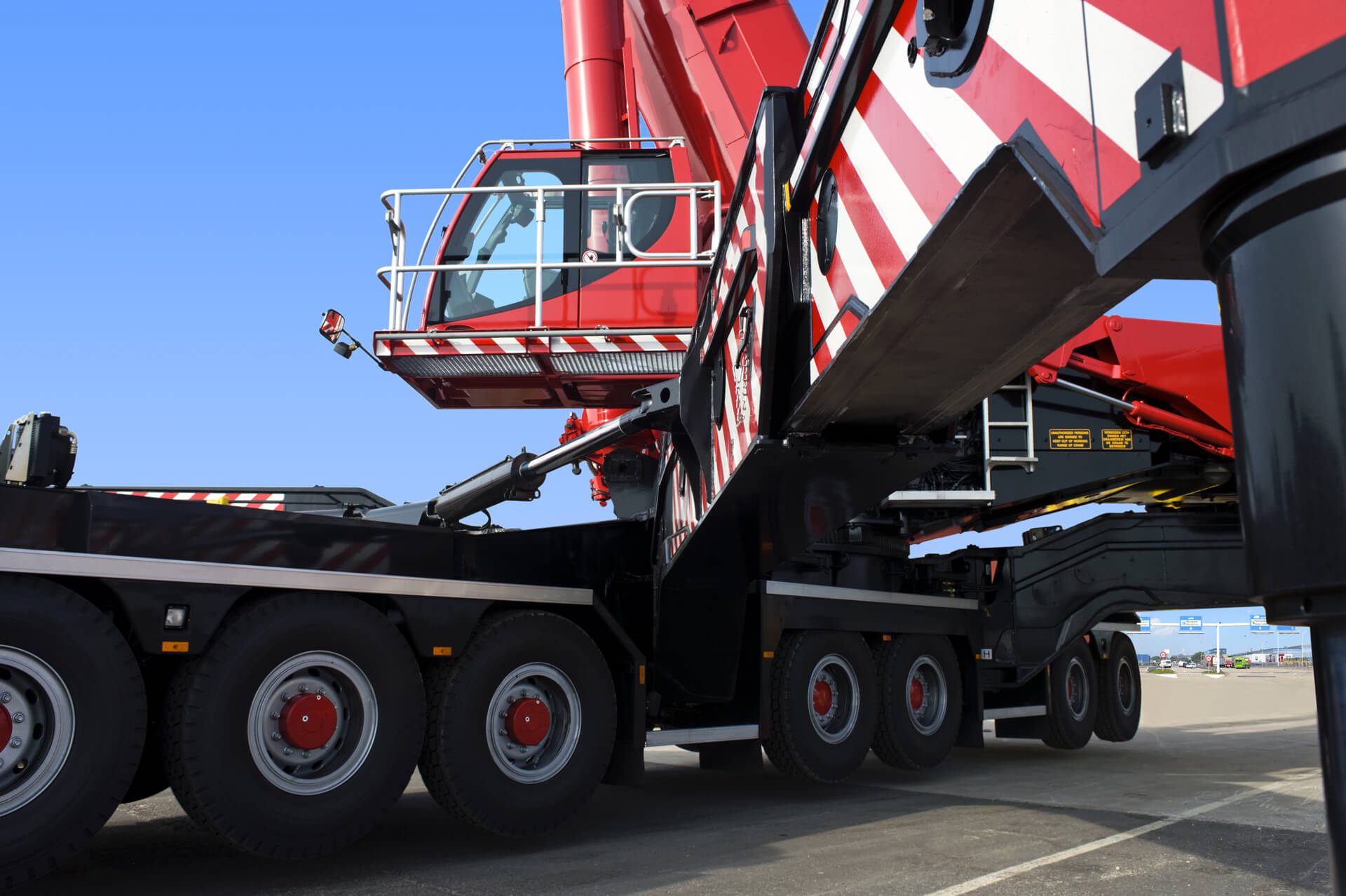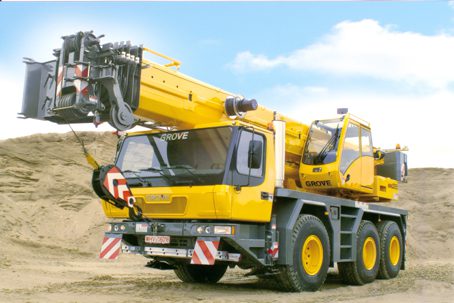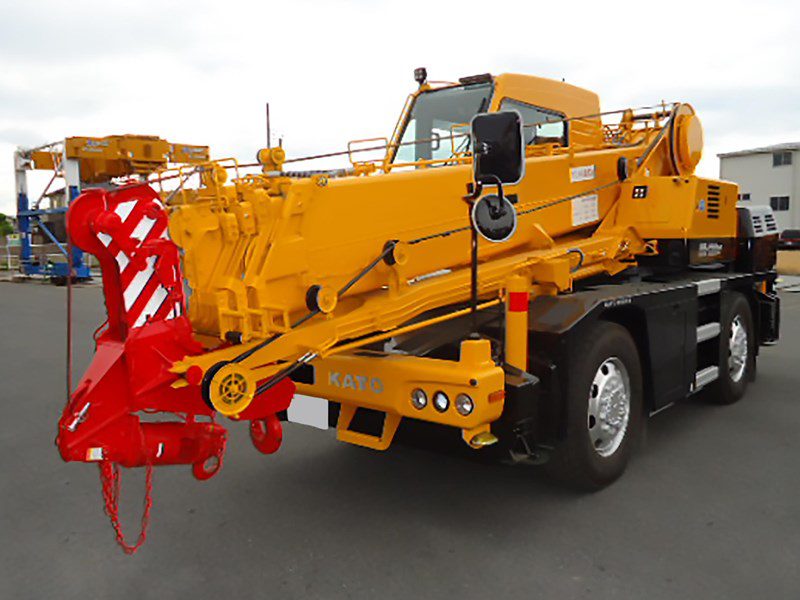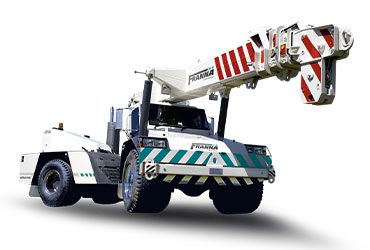
On almost any weekday morning, the skyline of Western Sydney tells a story that extends far beyond concrete and steel. A mobile crane lifts prefabricated components onto a commercial development in Parramatta. Another navigates a logistics precinct near Eastern Creek before moving to a residential project later that afternoon. Unlike the tower cranes that dominate city skylines for months, these machines appear, disappear, and reappear wherever construction schedules demand. Their movement reflects a broader shift in how Australia’s fastest-growing urban regions are being built.
That shift matters because construction is no longer defined solely by engineering ambition. It is increasingly shaped by time, access, regulation, workforce availability, and the ability to adapt to changing project conditions. In this environment, mobile crane hire Western Sydney has evolved from a straightforward equipment decision into a strategic component of infrastructure delivery.
The cranes themselves have not become the story. The decisions behind deploying them have.
The Changing Demands of Australian Construction
Australia’s construction sector is entering a period where complexity often outweighs scale. Urban growth continues across metropolitan regions, while governments invest heavily in transport infrastructure, industrial estates, hospitals, schools, and housing developments. Western Sydney sits at the centre of much of this activity, with multiple projects progressing simultaneously across suburbs connected by expanding transport corridors.
As construction sites become more constrained and project timelines tighten, contractors face increasing pressure to coordinate resources with greater precision. Delays that once affected a single project can now ripple across interconnected developments, subcontractors, and supply chains.
Labour shortages have also altered how projects are planned. Skilled operators remain in high demand, encouraging companies to maximise equipment utilisation rather than allowing specialised machinery to remain idle on a single site. At the same time, clients expect shorter delivery schedules without compromising safety or quality.
These pressures have transformed crane selection into an operational decision with broader commercial implications.
Why Flexibility Has Become a Competitive Advantage
Few pieces of construction equipment demonstrate operational flexibility as clearly as mobile cranes. Their greatest advantage lies not simply in lifting capacity, but in mobility.
Unlike permanent installations, mobile cranes can relocate between projects with relative efficiency, making them particularly valuable for contractors managing multiple sites across Western Sydney. Infrastructure upgrades, warehouse developments, bridge maintenance, utility installations, and commercial construction often require heavy lifting only during specific project phases. A crane that can arrive, complete the required work, and move to its next assignment supports both scheduling efficiency and cost management.
This adaptability explains why mobile crane hire western Sydney continues to play an increasingly visible role across diverse project types. Rather than committing capital to equipment that may sit unused for long periods, contractors can align lifting capability with immediate project requirements.
The result is a construction model that emphasises responsiveness rather than permanence.
Different Projects Require Different Lifting Strategies
Not every construction challenge calls for the same solution. Australia’s varied building environment demands different crane types depending on site conditions, project duration, and surrounding infrastructure.
Tower crane hire remains essential for high-rise developments where continuous lifting operations extend over many months. Residential towers, office buildings, and major mixed-use developments depend on fixed vertical lifting capacity that integrates directly into the construction sequence. Once installed, tower cranes provide reliable movement of materials throughout the building process, making them indispensable for sustained vertical construction.
Mobile cranes address a different set of challenges. They excel on projects requiring intermittent heavy lifts, rapid mobilisation, or work across multiple locations. Bridge beam installation, mechanical plant replacement, precast concrete placement, and industrial maintenance all benefit from equipment capable of arriving precisely when required without becoming a permanent fixture on site.
Dense urban environments introduce another layer of complexity. Buildings positioned close together restrict the rotation radius available to conventional cranes, particularly in established commercial districts. Here, luffing crane hire becomes especially valuable. By reducing the swing radius while maintaining lifting capability, luffing cranes enable construction to continue safely within confined airspace where neighbouring buildings, roads, or infrastructure limit operational movement.
Each crane represents a different response to a different construction problem. Increasingly, successful project delivery depends on recognising those distinctions early rather than treating lifting equipment as interchangeable.
Regulation Is Quietly Reshaping Procurement Decisions
Australia’s crane industry has experienced steady regulatory evolution over the past decade. Safety expectations continue to rise as projects become larger, more complex, and more visible to the public.
State regulators, alongside national workplace safety frameworks, have placed increasing emphasis on risk assessment, lift planning, operator competency, and documented compliance procedures. These changes extend beyond individual worksites. They influence procurement decisions long before equipment arrives on location.
Many project managers now evaluate crane providers not only on lifting specifications but also on maintenance records, operator qualifications, inspection regimes, and demonstrated compliance with evolving safety standards.
This shift reflects a broader understanding that equipment performance cannot be separated from operational governance. A technically capable crane delivers little value if inadequate planning introduces avoidable project risk.
Rather than slowing construction, stronger safety frameworks increasingly support more predictable project delivery by reducing costly disruptions associated with incidents or compliance failures.
Technology Is Making Crane Operations More Predictable
Digital technology has quietly become one of the most significant influences on modern lifting operations.
Many operators now integrate GPS fleet monitoring, electronic load management systems, remote diagnostics, and digital maintenance records into daily operations. These tools improve visibility across equipment fleets while supporting preventative maintenance and more accurate scheduling.
For project managers, the benefits extend beyond machinery itself. Better operational data enables more reliable planning, reducing uncertainty around equipment availability and site coordination.
Advances in load monitoring also contribute to safer lifting practices. Real-time operational data provides additional oversight during complex lifts, supporting informed decision-making without replacing experienced operators or engineering judgement.
Technology, in this context, serves less as automation than as improved visibility. It enables construction teams to coordinate increasingly complex projects with greater confidence.
Western Sydney Offers a Glimpse of Australia’s Construction Future
Western Sydney presents a particularly revealing case study because few Australian regions combine such rapid population growth with extensive infrastructure investment.
Large transport projects intersect with expanding logistics hubs, residential communities, educational facilities, healthcare developments, and industrial precincts. Construction rarely occurs in isolation. Multiple contractors often operate within the same geographic area, sharing road networks, delivery windows, and labour resources.
These conditions reward equipment capable of adapting to changing priorities. A crane working on a commercial warehouse today may support transport infrastructure tomorrow before assisting with industrial maintenance later in the week.
This flexibility reflects a broader trend within Australian construction. The future appears less dependent on fixed construction models and more focused on coordinated, responsive resource allocation across interconnected projects.
Building Cities Requires Better Decisions, Not Simply Bigger Machines
It is easy to view cranes as symbols of urban growth. Their silhouettes dominate skylines and signal economic activity visible from kilometres away. Yet the more important story unfolds before those machines ever arrive on site.
Choosing the appropriate lifting strategy has become inseparable from broader questions about productivity, safety, sustainability, workforce planning, and urban efficiency. Whether a project relies on tower crane hire for continuous high-rise construction, luffing crane hire within constrained city blocks, or mobile crane hire Western Sydney for adaptable multi-site operations, each decision reflects the changing realities of Australian infrastructure delivery.
As Australia’s cities continue expanding, the cranes themselves may become larger, smarter, and more technologically sophisticated. The more significant evolution, however, lies in how the industry thinks about deploying them. Construction is increasingly defined not by the machinery that dominates the skyline, but by the planning, coordination, and judgement that determine where those machines are needed next.
In that sense, the future of Australia’s built environment may depend as much on strategic crane hire decisions as on architectural ambition itself.